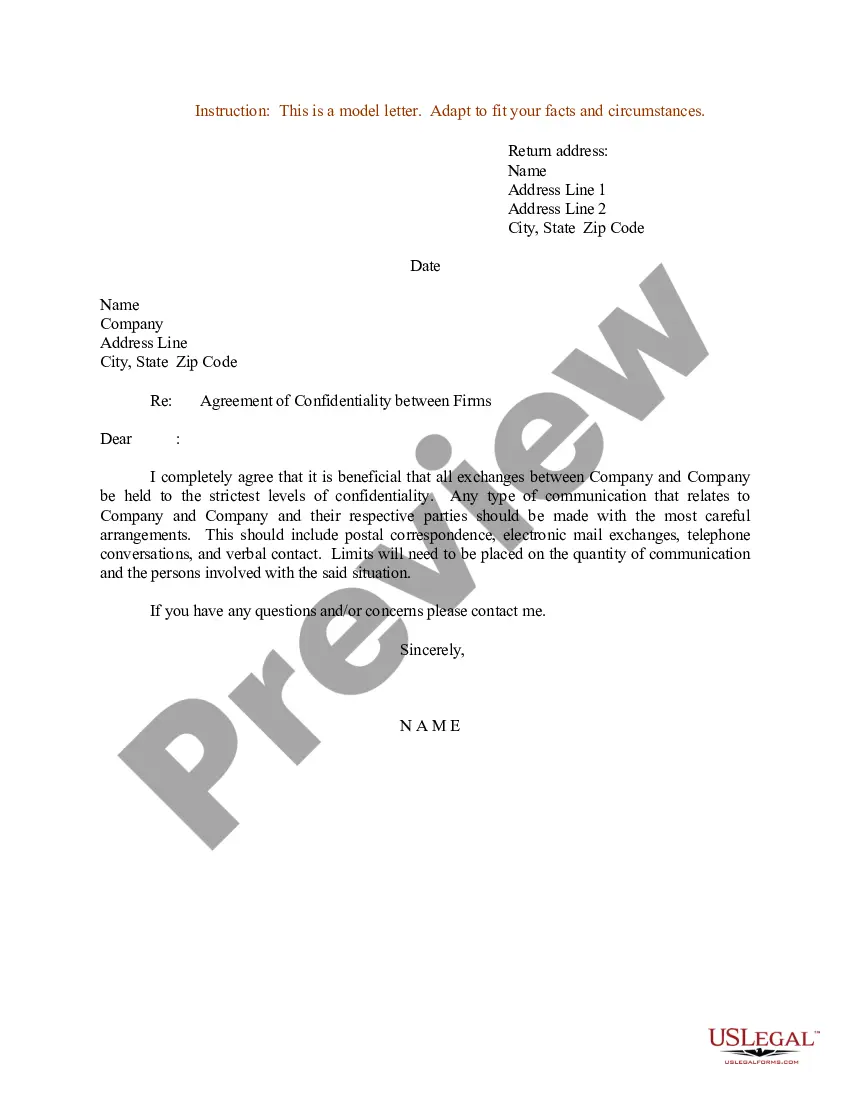
Consent Release Form With More Costly Wrapping In Michigan
Description
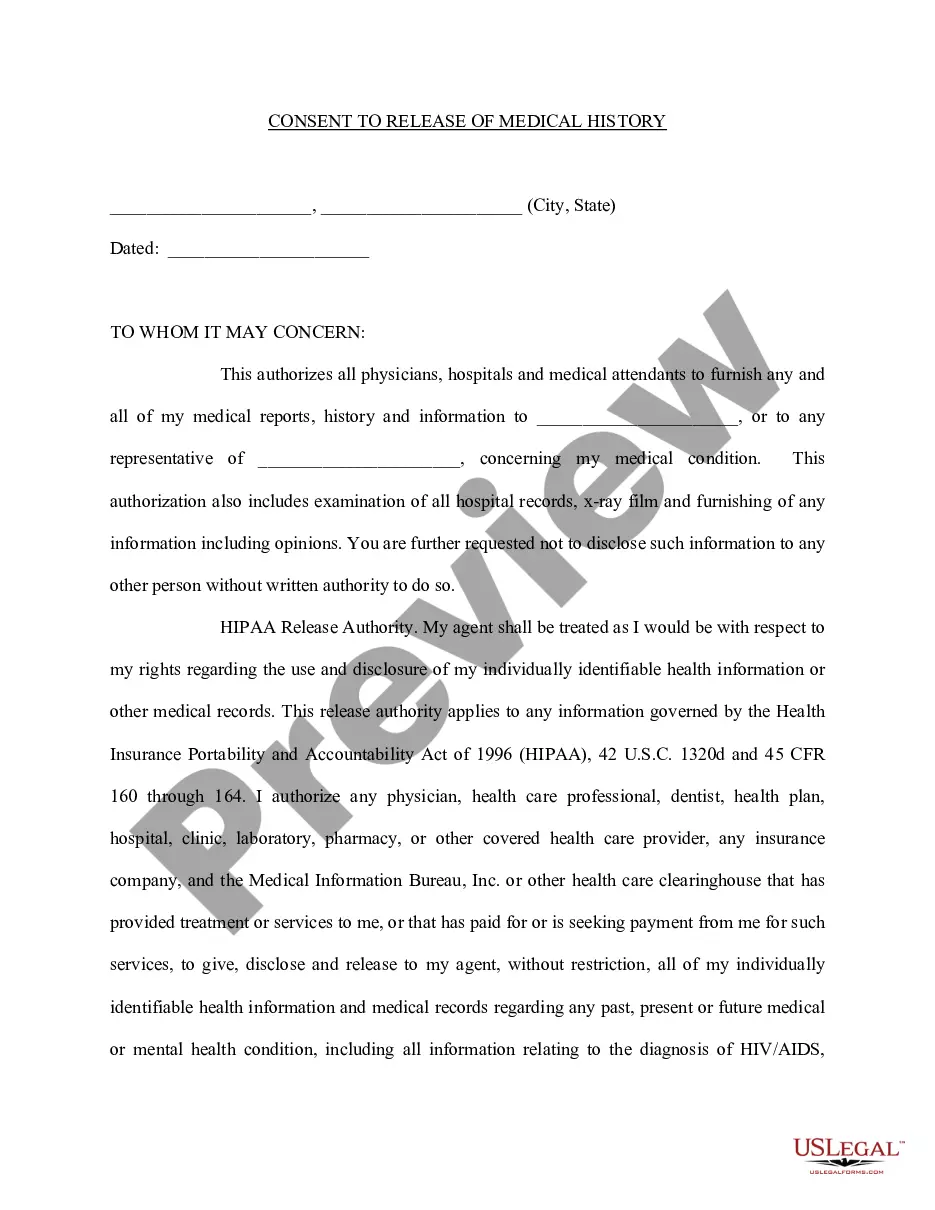
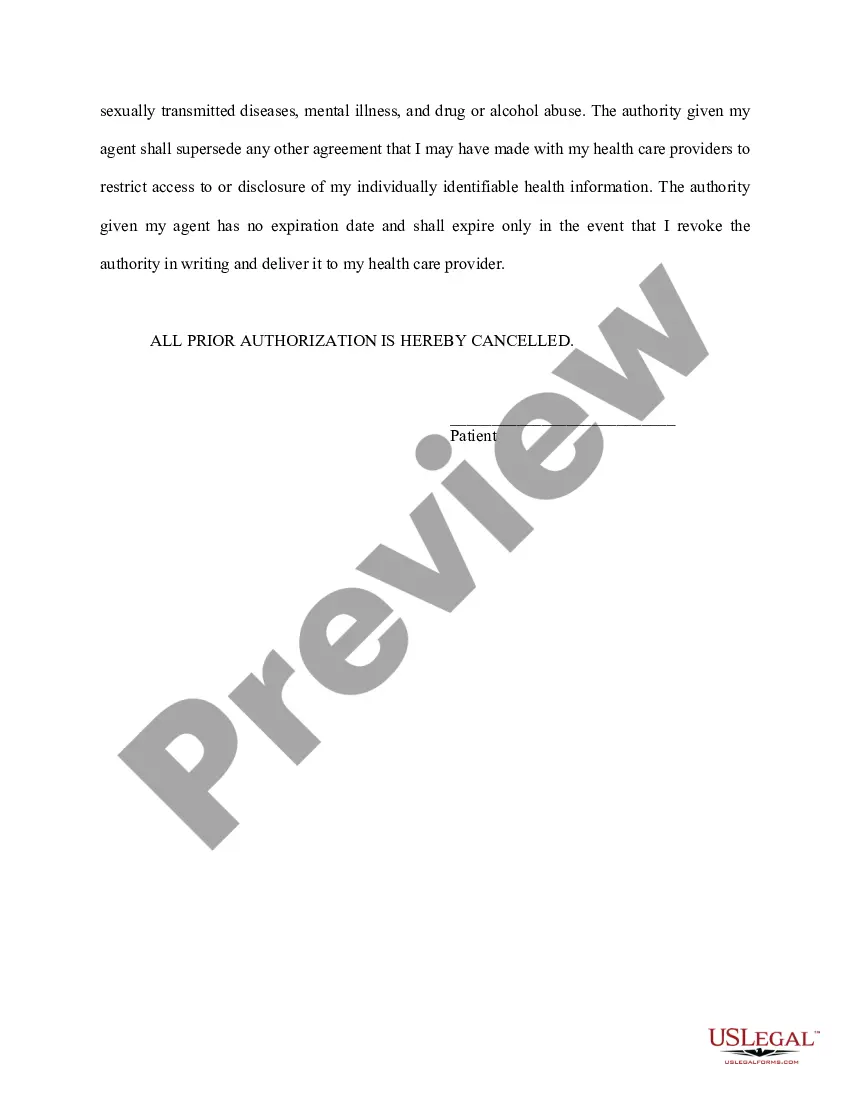

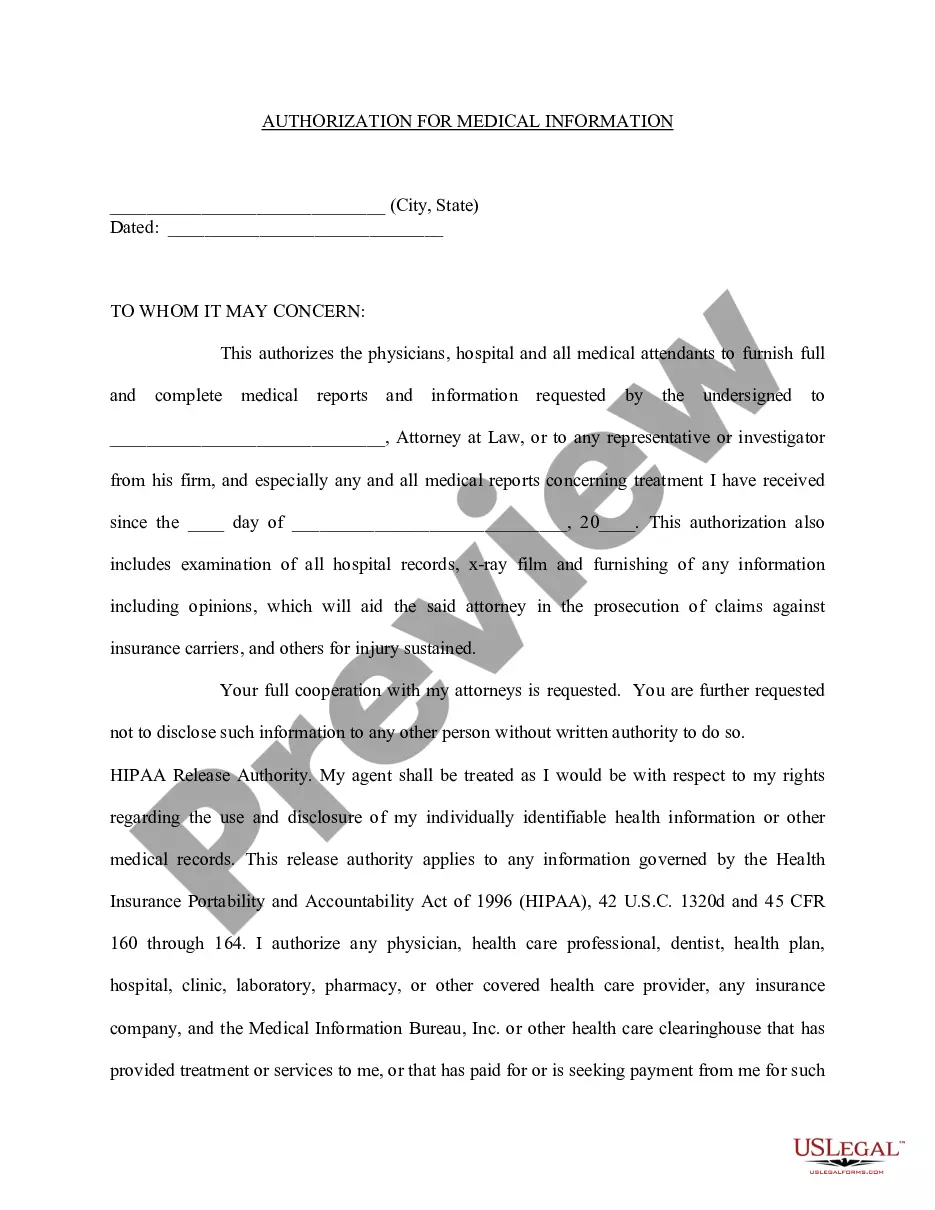
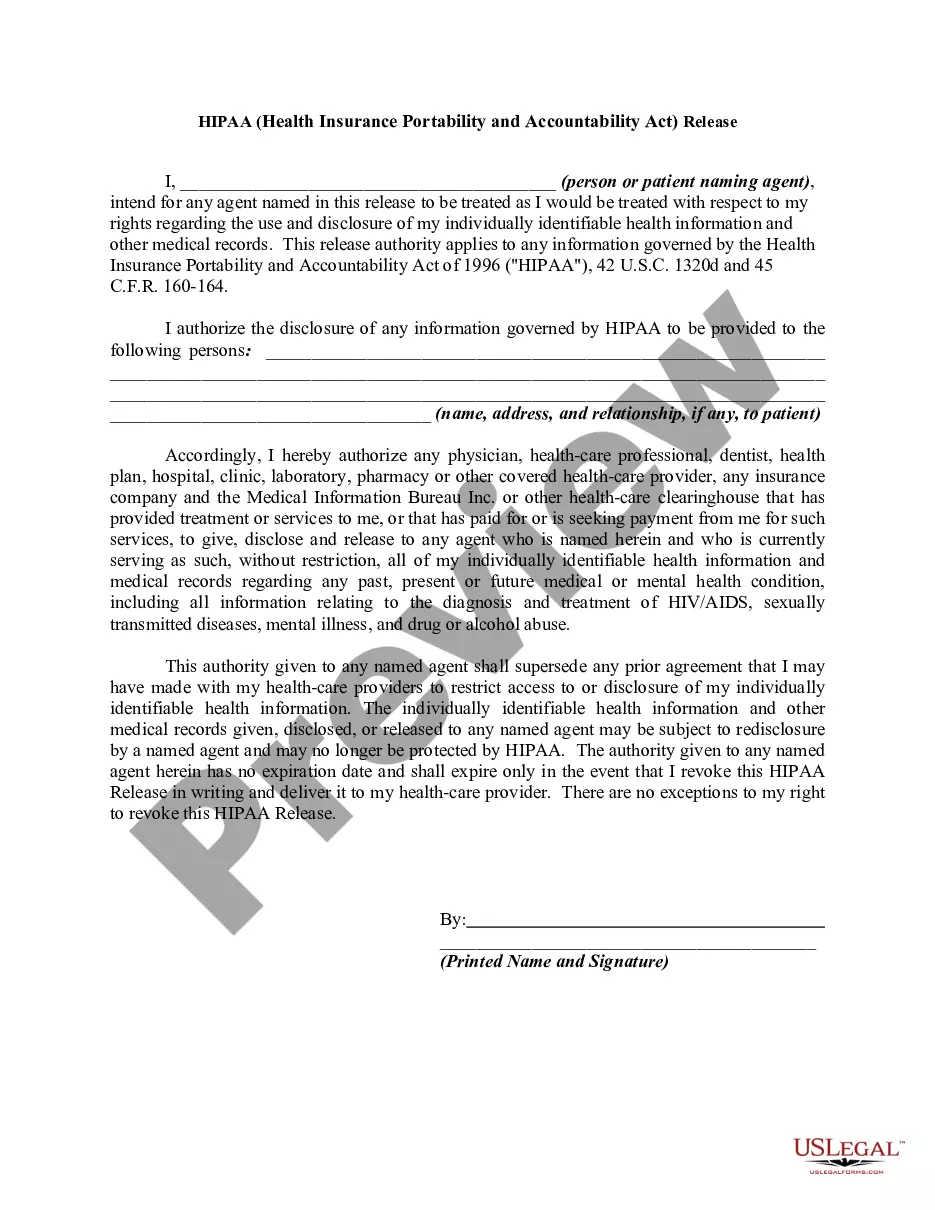
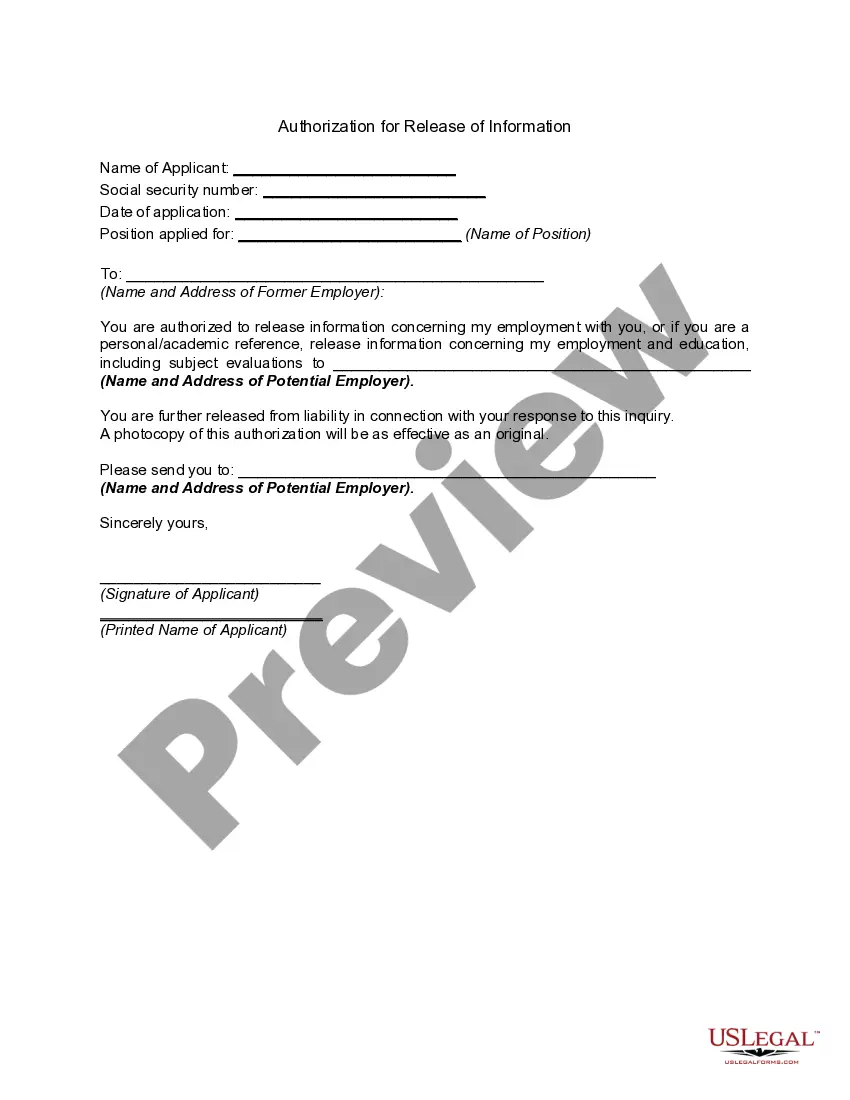
Get your form ready online
Our built-in tools help you complete, sign, share, and store your documents in one place.
Make edits, fill in missing information, and update formatting in US Legal Forms—just like you would in MS Word.
Download a copy, print it, send it by email, or mail it via USPS—whatever works best for your next step.
Sign and collect signatures with our SignNow integration. Send to multiple recipients, set reminders, and more. Go Premium to unlock E-Sign.
If this form requires notarization, complete it online through a secure video call—no need to meet a notary in person or wait for an appointment.
We protect your documents and personal data by following strict security and privacy standards.

Make edits, fill in missing information, and update formatting in US Legal Forms—just like you would in MS Word.

Download a copy, print it, send it by email, or mail it via USPS—whatever works best for your next step.

Sign and collect signatures with our SignNow integration. Send to multiple recipients, set reminders, and more. Go Premium to unlock E-Sign.

If this form requires notarization, complete it online through a secure video call—no need to meet a notary in person or wait for an appointment.

We protect your documents and personal data by following strict security and privacy standards.
Looking for another form?










Form popularity
FAQ
By signing a consent form, the client acknowledges their understanding of the treatment and the risks involved and gives their informed consent for the service to proceed. Release forms are legal documents that limit the spa from liability in case of unforeseen consequences that may arise during or after the treatment.
To consent, a recipient or legal representative must have basic information about the procedure, risks, other related consequences, and other relevant information. The standard governing required disclosure by a doctor is what a reasonable patient needs to know in order to make an informed decision.
Obtaining informed consent in medicine is a process that should include describing the proposed intervention, emphasizing the patient's role in decision-making, discussing alternatives to the proposed intervention, discussing the risks and benefits of the proposed intervention, and eliciting the patient's preference, ...
To consent, a recipient or legal representative must have basic information about the procedure, risks, other related consequences, and other relevant information. The standard governing required disclosure by a doctor is what a reasonable patient needs to know in order to make an informed decision.
By signing, participants “waive” their right to sue should an injury occur, and thereby “release” the sponsor and its agents from liability for any such injury that should occur.