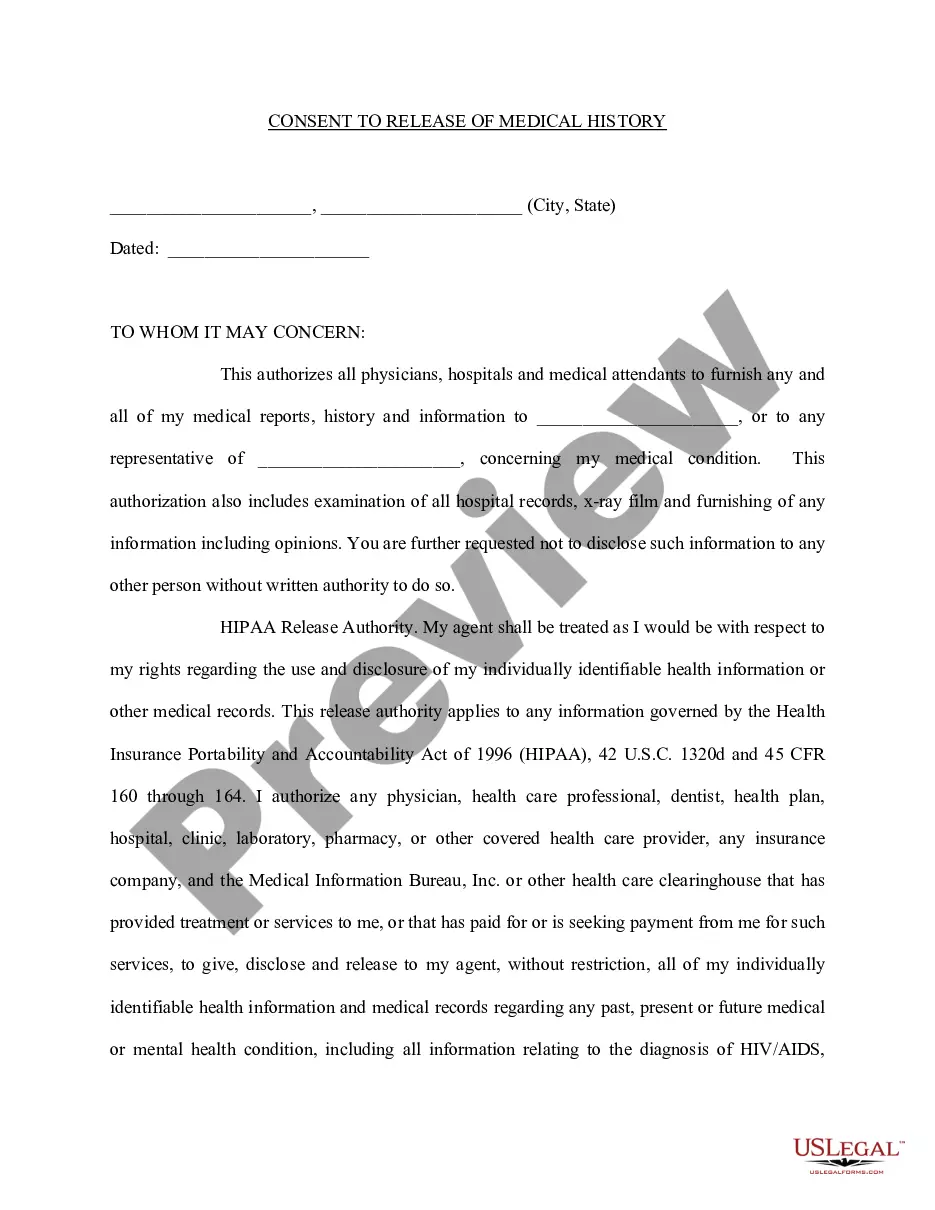
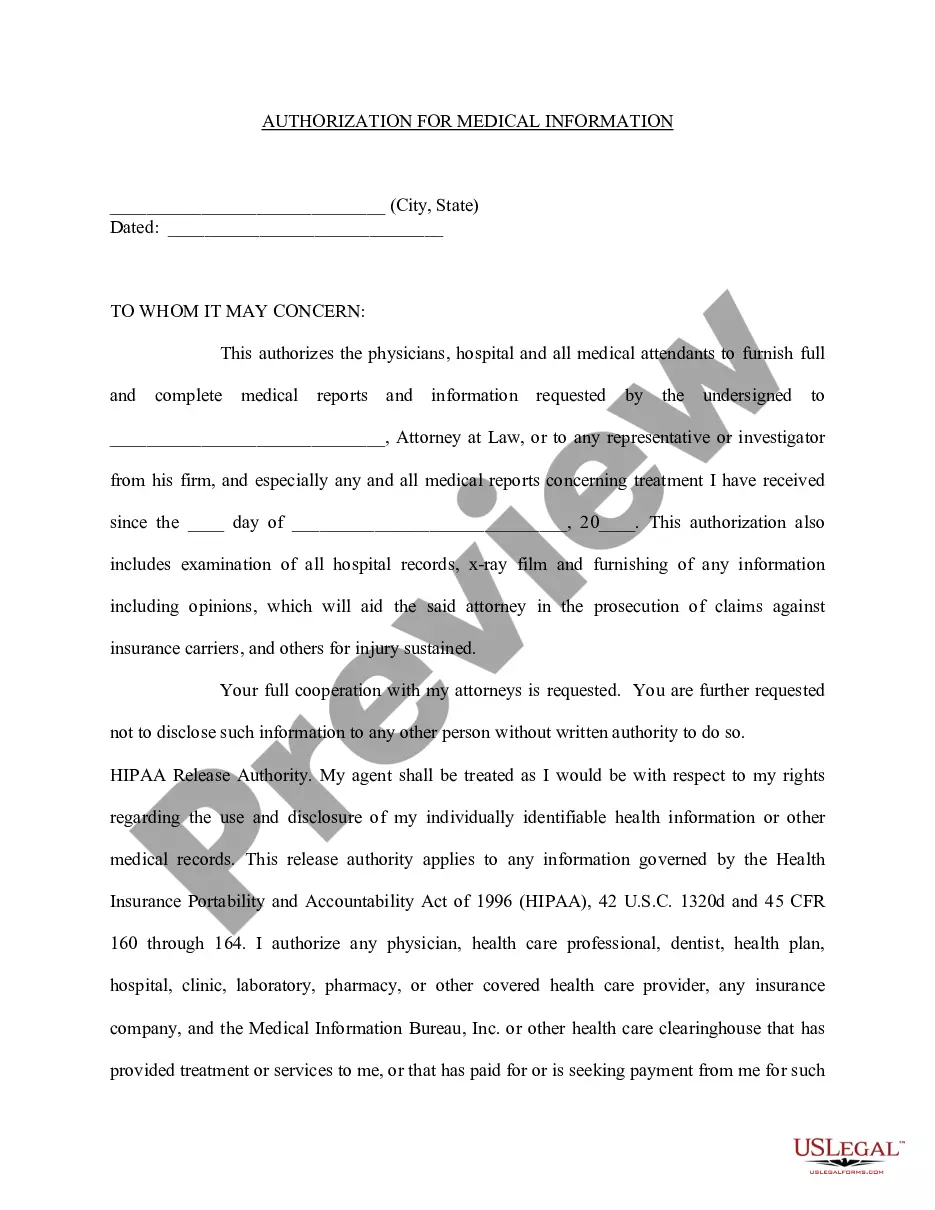
Authorization Release Form For Medical Records In Maryland
Description

Get your form ready online
Our built-in tools help you complete, sign, share, and store your documents in one place.
Make edits, fill in missing information, and update formatting in US Legal Forms—just like you would in MS Word.
Download a copy, print it, send it by email, or mail it via USPS—whatever works best for your next step.
Sign and collect signatures with our SignNow integration. Send to multiple recipients, set reminders, and more. Go Premium to unlock E-Sign.
If this form requires notarization, complete it online through a secure video call—no need to meet a notary in person or wait for an appointment.
We protect your documents and personal data by following strict security and privacy standards.

Make edits, fill in missing information, and update formatting in US Legal Forms—just like you would in MS Word.

Download a copy, print it, send it by email, or mail it via USPS—whatever works best for your next step.

Sign and collect signatures with our SignNow integration. Send to multiple recipients, set reminders, and more. Go Premium to unlock E-Sign.

If this form requires notarization, complete it online through a secure video call—no need to meet a notary in person or wait for an appointment.

We protect your documents and personal data by following strict security and privacy standards.
Looking for another form?

Form popularity
FAQ
Release of Information Authorization Under the HIPAA Privacy Rule, when a release of information is intended for purposes other than medical treatment, healthcare operations, or payment, you'll need to sign an authorization for ROI.
So, if you assign permission to furnish your house to your interior decorator, you are granting them that privilege. Sometimes authorization is somewhat related to identity. Think of the process of boarding a plane. You have your boarding pass that states you are authorized to fly with that plane.
I hereby authorize use or disclosure of protected health information about me as described below. I understand that the information used or disclosed may be subject to re-disclosure by the person or class of persons or facility receiving it, and would then no longer be protected by federal privacy regulations.
Complex examples of HIPAA violations ing to HIPAA, patients have a right to their medical records within 30 days of a request; failure to provide them is a HIPAA violation. Losing a device or record that exposes patient records to unauthorized actors is also a HIPAA violation.
Gaining Access to Your Records To do so, you must make a written request. This signed and dated request must state your name, the name of your health care provider and the party who should receive your records. Your authorization to release your records is good for one year.
To take a simple example: A user logs into a business application, providing their company username and password. The application authenticates the user and verifies the password. The application checks what permissions are allocated to that username and grants access to the relevant data and features.
A HIPAA Authorization form is a formal document used to obtain a person's signed permission for a covered entity (e.g., a healthcare provider) to use and disclose their protected health information (PHI) for a purpose that is not otherwise permitted under the HIPAA Privacy Rule.
Content for a valid authorization includes: The name of the person or entity authorized to make the request (usually the patient) The complete name of the person or entity to receive the protected health information (PHI) A specific description of the information to be used or disclosed, including the dates of service.
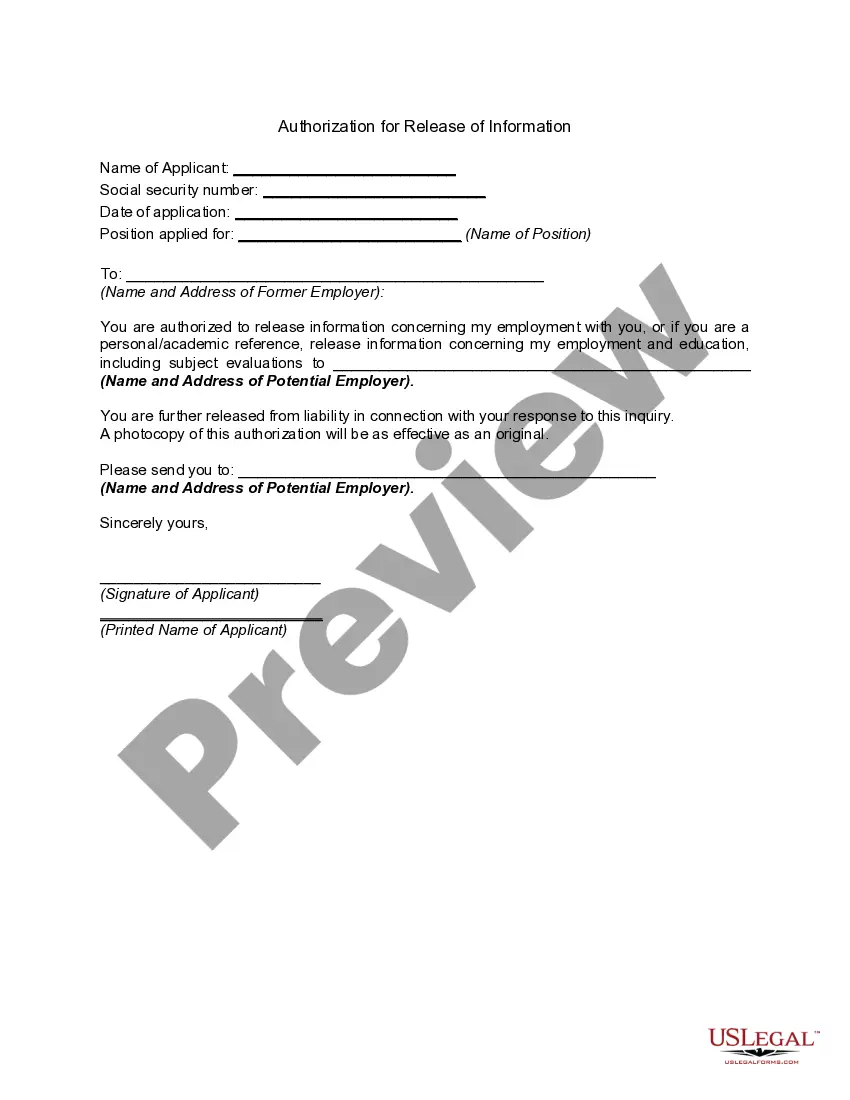
What is an Authorization Form? An authorization form is a document that is duly endorsed by an individual or organisation which grants permission to another individual or organisation to proceed with certain actions. It is often used to grant permission to carry out a specific action for a fixed period of time.
If you believe that your doctor or other health care provider violated your health information privacy right by not giving you access to your medical record, you may file a HIPAA Privacy Rule Complaint with the U.S. Department of Health and Human Services (HHS) Office for Civil Rights.