S Corporation With Accumulated E And P In Utah
Description

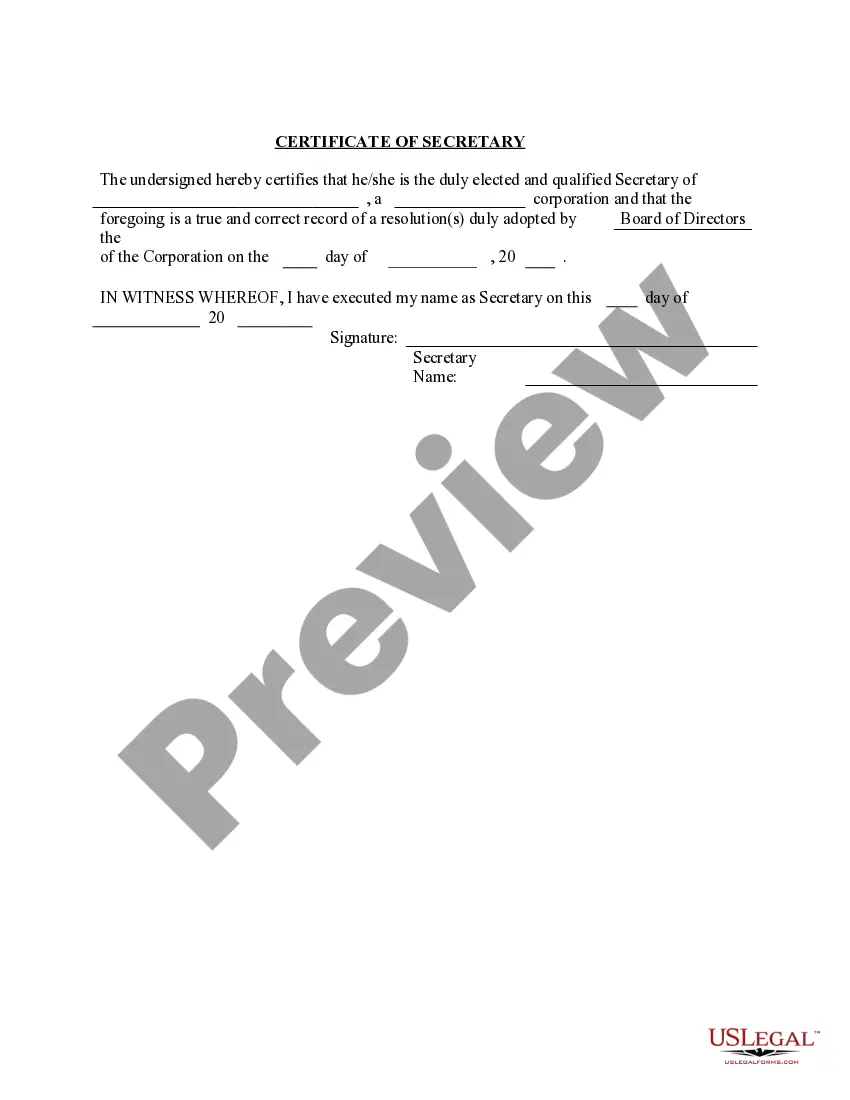

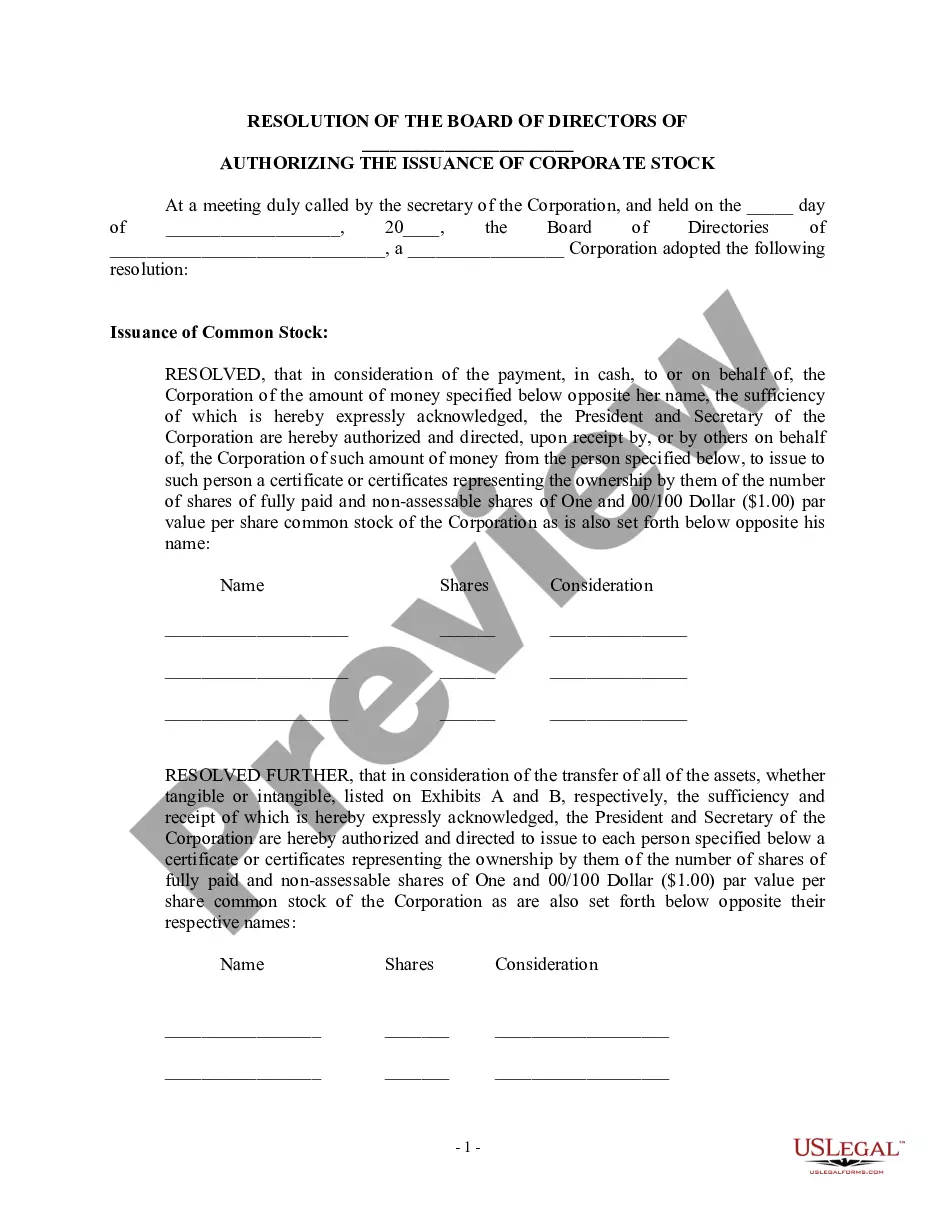
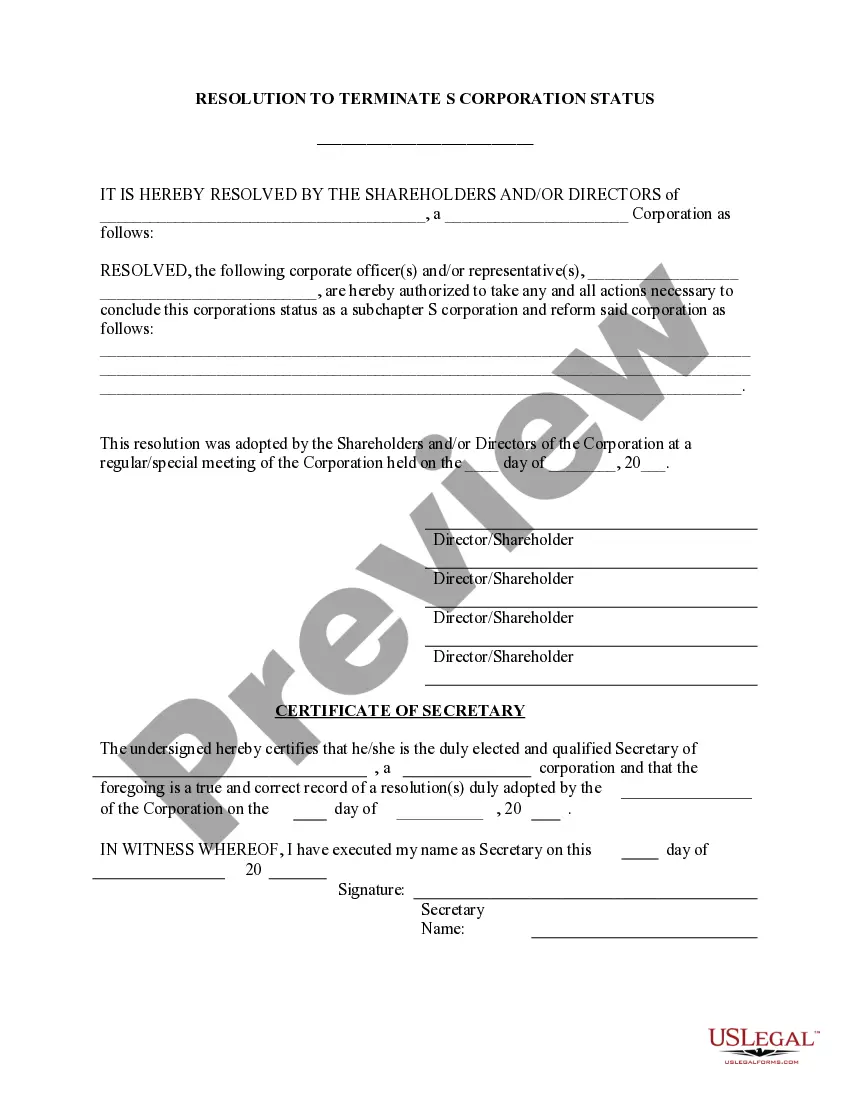

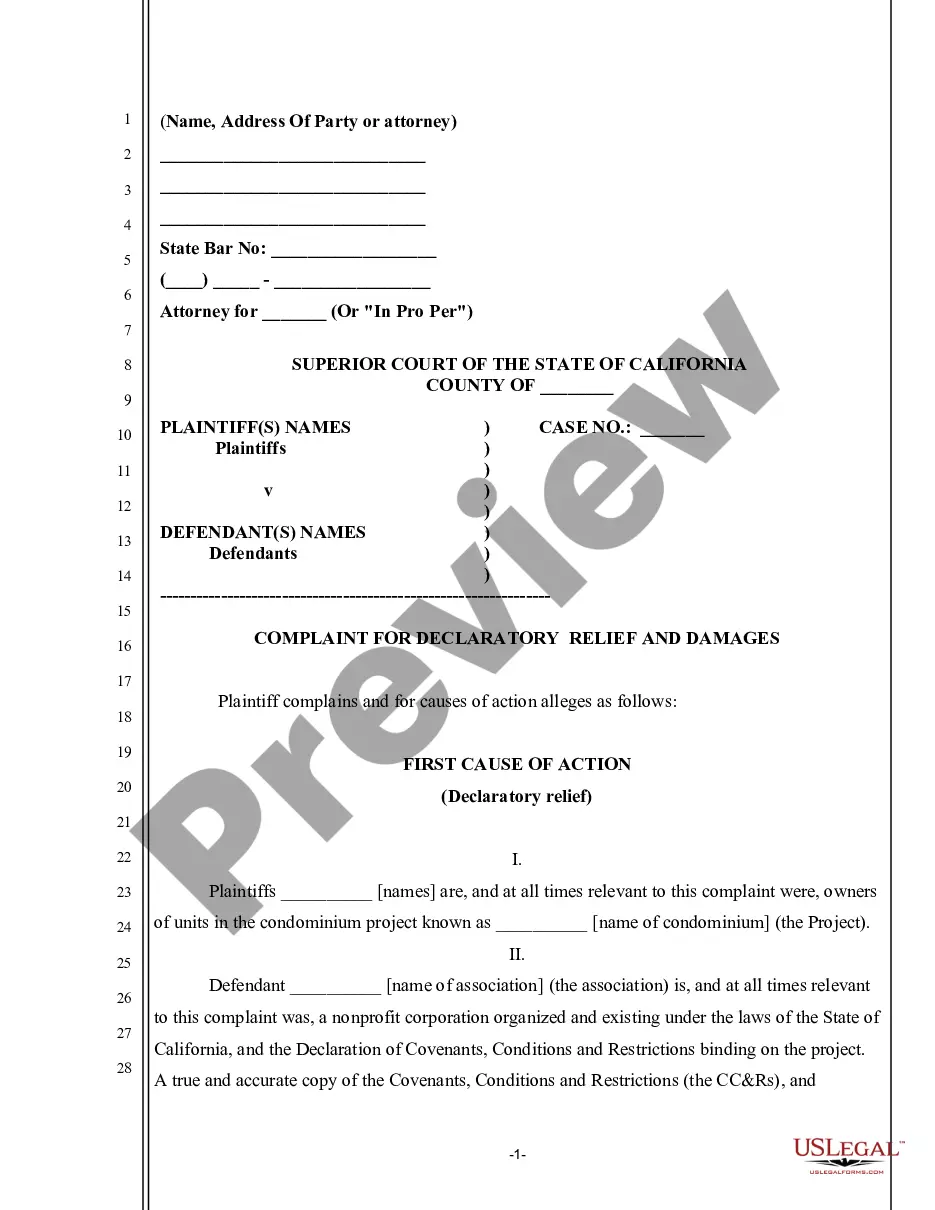
Get your form ready online
Our built-in tools help you complete, sign, share, and store your documents in one place.
Make edits, fill in missing information, and update formatting in US Legal Forms—just like you would in MS Word.
Download a copy, print it, send it by email, or mail it via USPS—whatever works best for your next step.
Sign and collect signatures with our SignNow integration. Send to multiple recipients, set reminders, and more. Go Premium to unlock E-Sign.
If this form requires notarization, complete it online through a secure video call—no need to meet a notary in person or wait for an appointment.
We protect your documents and personal data by following strict security and privacy standards.

Make edits, fill in missing information, and update formatting in US Legal Forms—just like you would in MS Word.

Download a copy, print it, send it by email, or mail it via USPS—whatever works best for your next step.

Sign and collect signatures with our SignNow integration. Send to multiple recipients, set reminders, and more. Go Premium to unlock E-Sign.

If this form requires notarization, complete it online through a secure video call—no need to meet a notary in person or wait for an appointment.

We protect your documents and personal data by following strict security and privacy standards.
Looking for another form?





Form popularity
FAQ
Current E&P represents the current economic income computed on an annual basis. Accumulated E&P represents the sum of each year's current E&P reduced by distributions.
Corp Election teps for Corporations tep 1 Name your Utah corporation. tep 2 Appoint directors. tep 3 Choose a Utah registered agent. tep 4 File the Utah Articles of Incorporation. tep 5 Create corporate bylaws. tep 6 Draft a shareholder agreement. tep 7 Issue shares of stock.
Accumulated profit and earnings are a company's net profits available after paying dividends. It is an accounting term related to the stockholders of a company. After clearing the dividends to the stockholders, the accumulated earnings and profit, also known as E&P, is a company's net profit.
The Accumulated Adjustments Account (AAA) tracks your S Corporation's gross income, expenses, and distributions. This account is found on Form 1120-S on Schedule M-2. The goal of the Accumulated Adjustment account is to determine if you took any taxable distributions during the year.
Your S corporation handles profits differently from traditional corporations. Here's what makes it special: Rather than keeping a standard retained earnings account, S corporations use something called an Accumulated Adjustments Account (AAA) to track profits that haven't been distributed to shareholders.
An S corporation is not subject to Utah income tax. However, shareholders are liable for Utah income tax in their separate or individual capacities.
Corp Election teps for Corporations tep 1 Name your Utah corporation. tep 2 Appoint directors. tep 3 Choose a Utah registered agent. tep 4 File the Utah Articles of Incorporation. tep 5 Create corporate bylaws. tep 6 Draft a shareholder agreement. tep 7 Issue shares of stock.
After conversion from a C corp, an S corporation can inherit income such as rent, interest, retained earnings, funds derived from stock sales, etc. Passive income that makes up more than 25% of an S corp's gross income is subject to tax.
To enter any additions or reductions to retained earnings: Go to Screen 32, Schedule M-2. Go to the Input Return tab. On the left-side menu, select Balance Sheet, M-1, M-2, M-3. Click on Schedule M-2. Enter the adjustment in the appropriate section: Accumulated Adjustments Account (Schedule M-2),
