S Corporation For Real Estate In Travis
Description

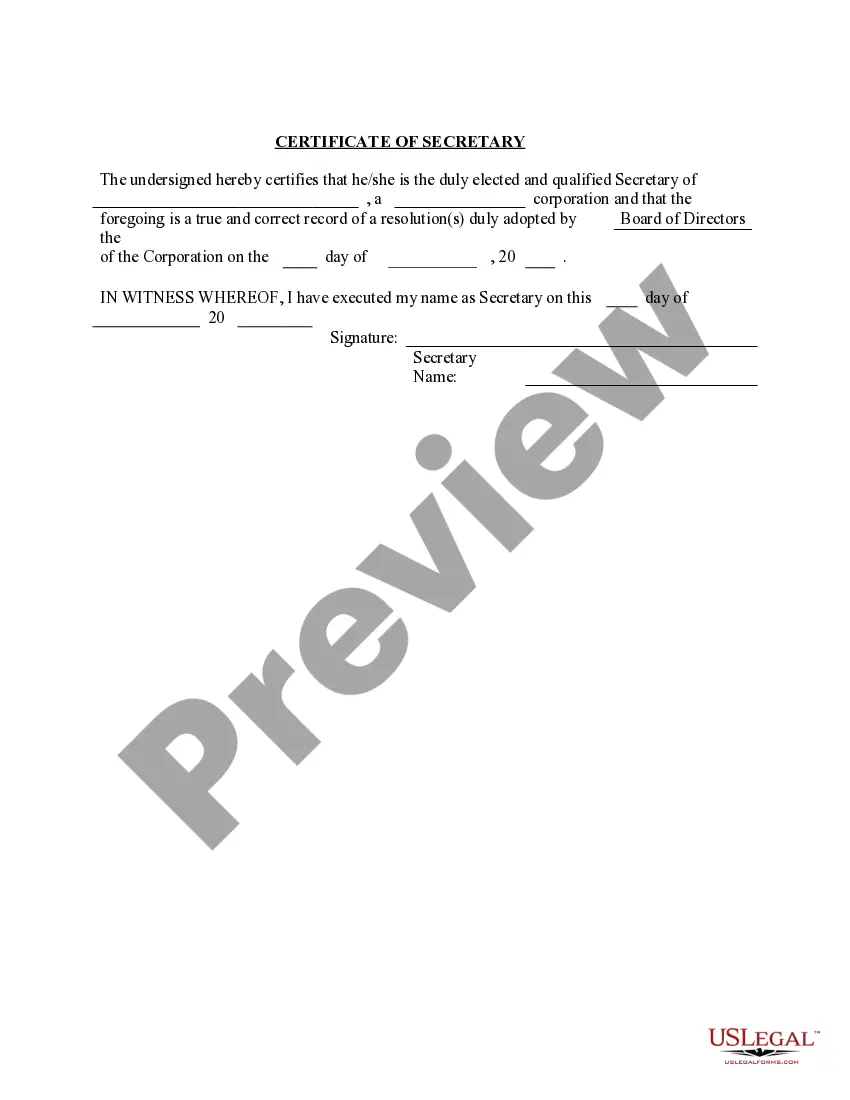

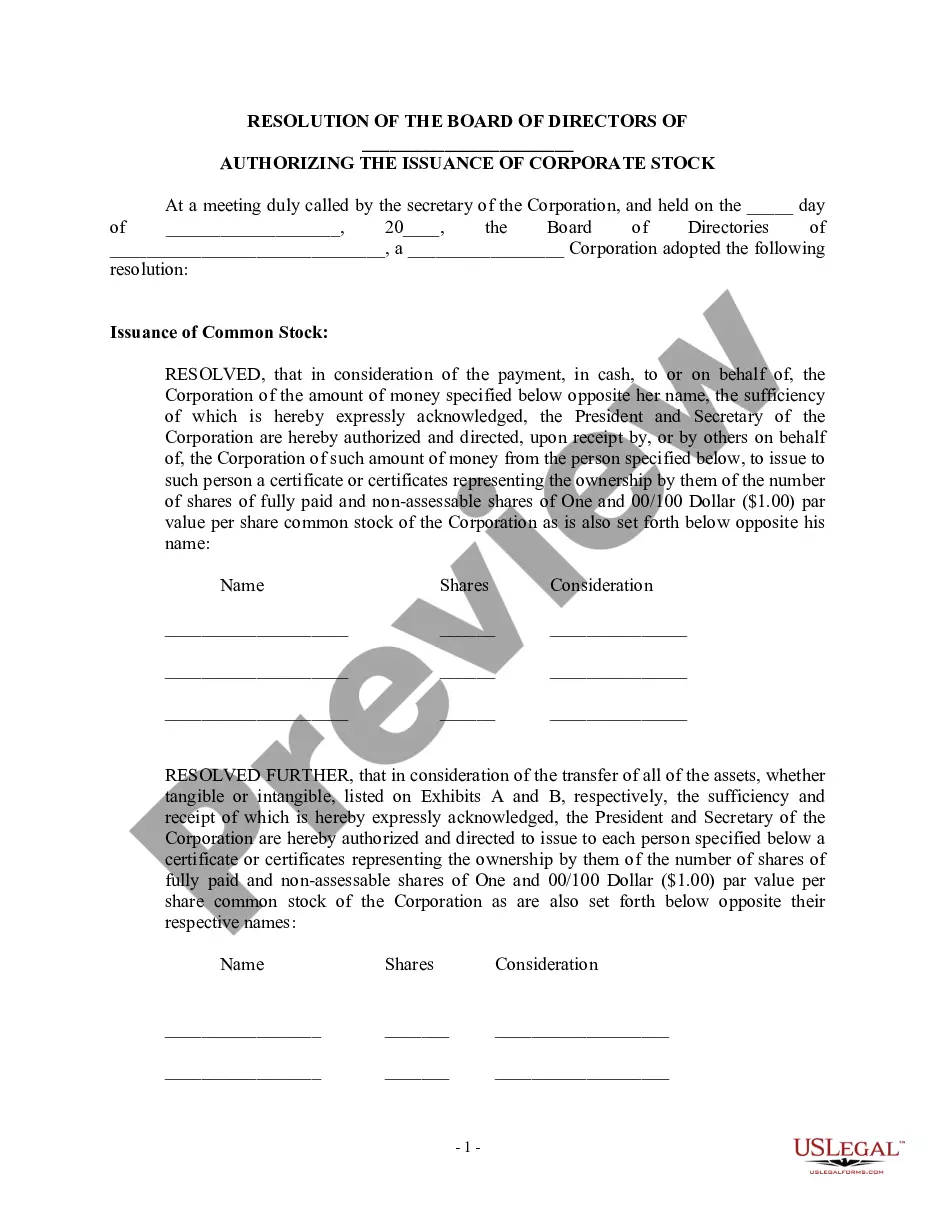
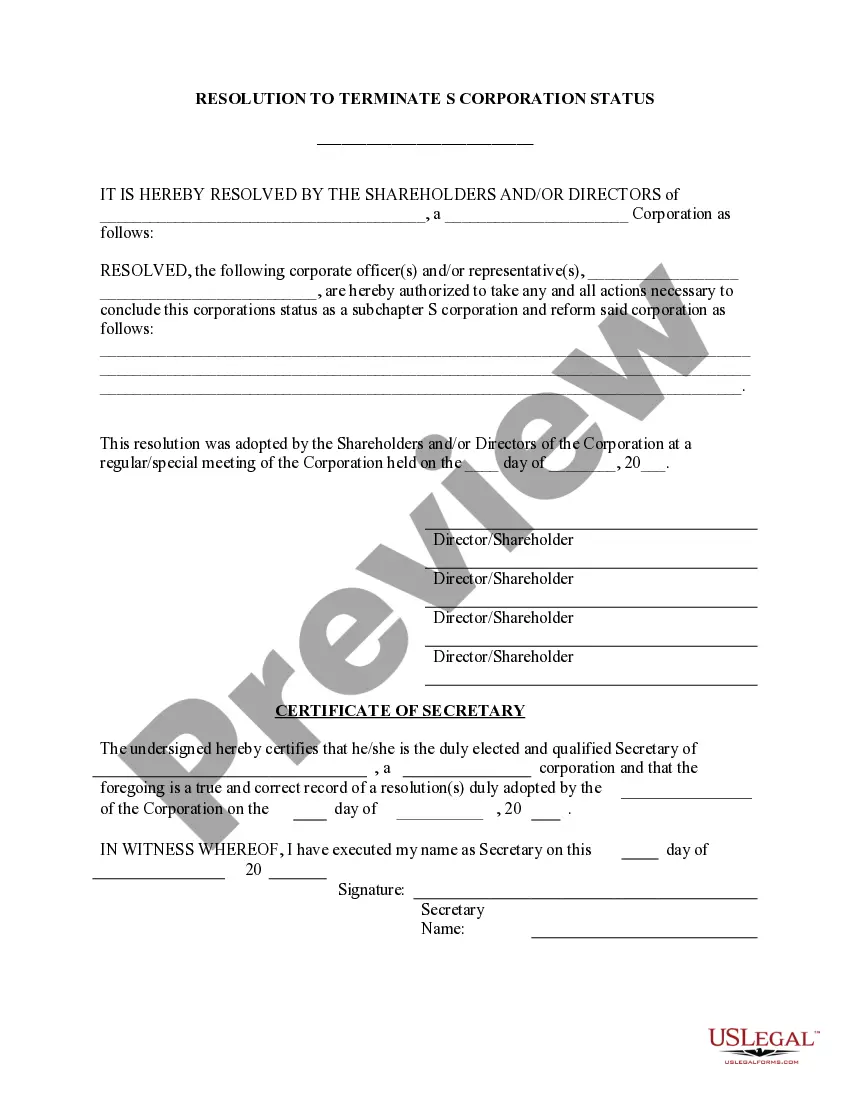
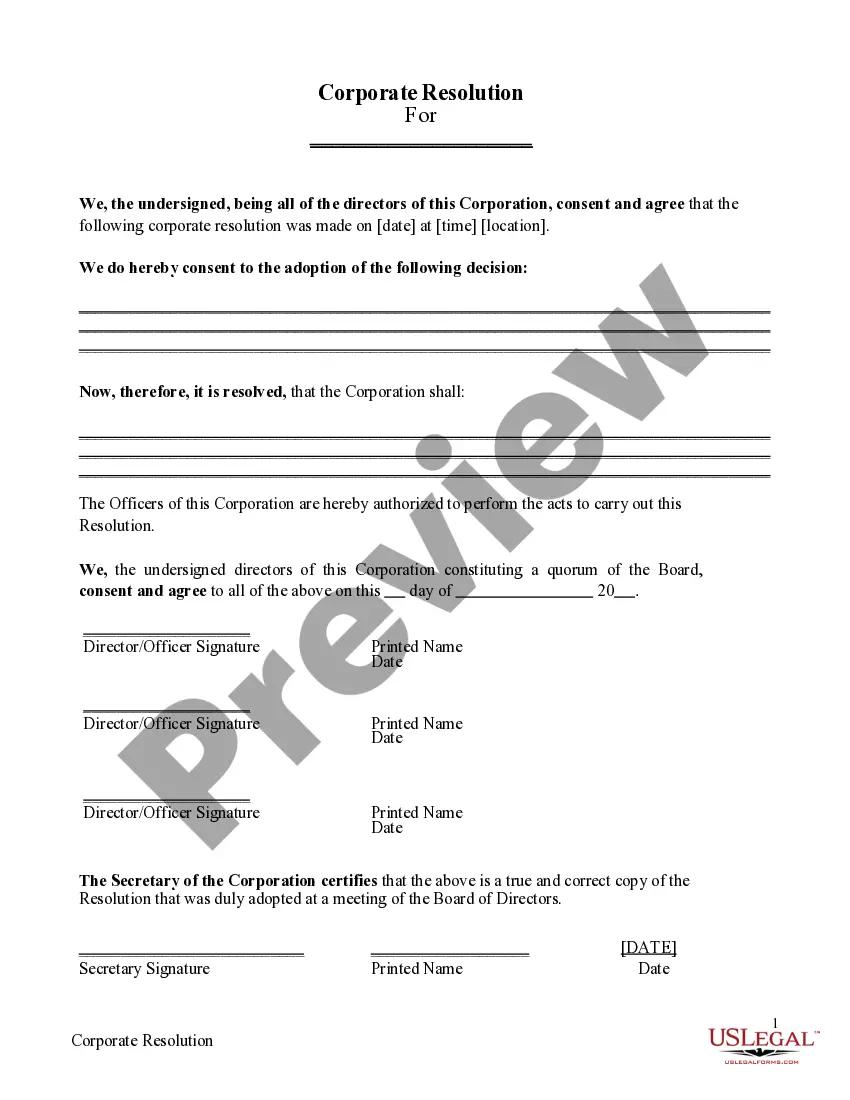
Get your form ready online
Our built-in tools help you complete, sign, share, and store your documents in one place.
Make edits, fill in missing information, and update formatting in US Legal Forms—just like you would in MS Word.
Download a copy, print it, send it by email, or mail it via USPS—whatever works best for your next step.
Sign and collect signatures with our SignNow integration. Send to multiple recipients, set reminders, and more. Go Premium to unlock E-Sign.
If this form requires notarization, complete it online through a secure video call—no need to meet a notary in person or wait for an appointment.
We protect your documents and personal data by following strict security and privacy standards.

Make edits, fill in missing information, and update formatting in US Legal Forms—just like you would in MS Word.

Download a copy, print it, send it by email, or mail it via USPS—whatever works best for your next step.

Sign and collect signatures with our SignNow integration. Send to multiple recipients, set reminders, and more. Go Premium to unlock E-Sign.

If this form requires notarization, complete it online through a secure video call—no need to meet a notary in person or wait for an appointment.

We protect your documents and personal data by following strict security and privacy standards.
Looking for another form?





Form popularity
FAQ
In general, rental property owners may receive the most benefit by making an LLC for each rental property. Individual LLCs limit liability to just the actual property each LLC possesses, along with any other assets the LLC owns.
A Limited Liability Company (LLC) is one of the most popular business structures for real estate agents. It combines the liability protection of a corporation with the tax flexibility of a sole proprietorship or partnership.
“The simple answer is yes, you can buy a house and hold title in an LLC,” says Chris Gleason, founder and CEO of Simplicite Tax Loans in San Antonio, Texas. “However, you must consider whether the benefits of owning a home in an LLC might outweigh the potential drawbacks.”
There are seven steps you'll complete to start an S corp in Texas. Step 1: Check Name Availability. Step 2: Choose a Business Name. Step 3: Registered Agent. Step 4: Complete Form 201. Step 5: Bylaws and Regulations. Step 6: Obtain EIN. Step 7: File Form 2553.
Owning real estate in a corporation, especially an S-Corporation, can lead to complex tax implications that often outweigh the perceived benefits. One of the primary issues with holding real estate in an S-Corp is the limitation on the shareholder's debt basis.
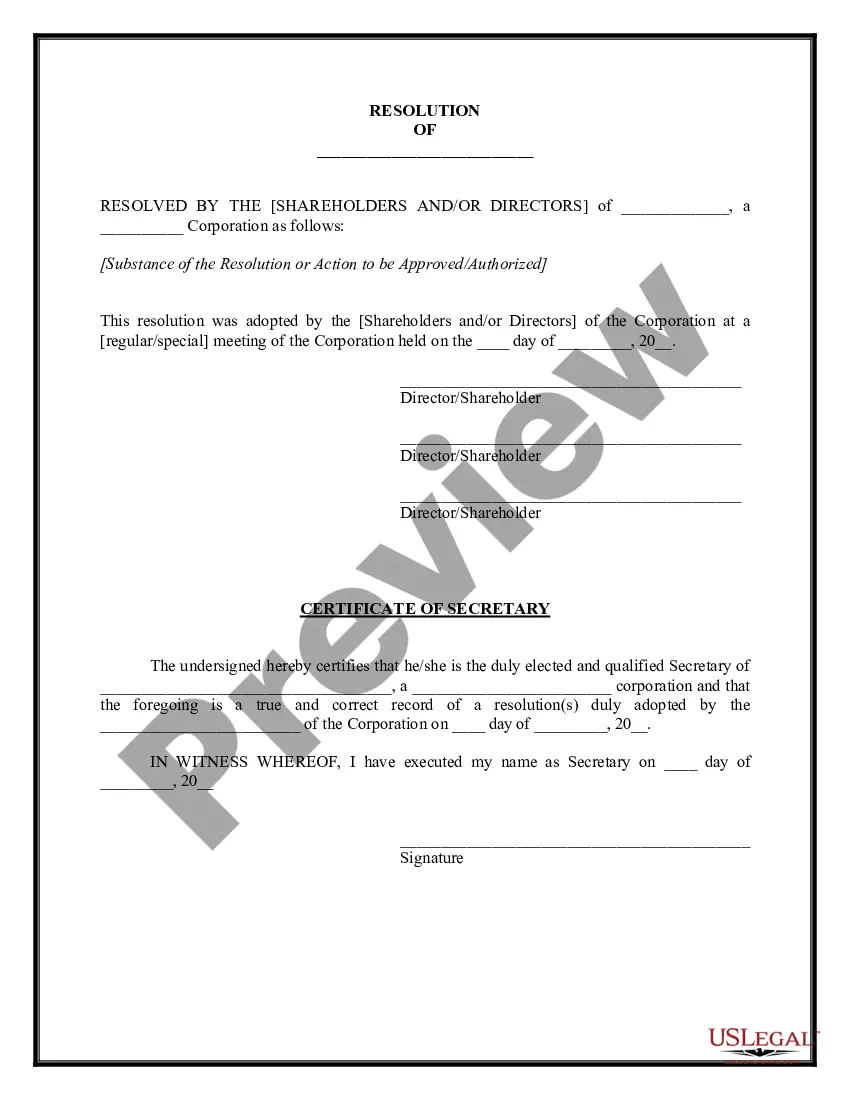
Yes, it is possible to establish an S-corp as a one-person business. While traditionally S corporations are formed with multiple shareholders, the IRS allows a single individual to set up an S corporation. As an individual, you can be the sole shareholder, director, and employee of the S-corp.
Because of the one-class-of-stock restriction, an S corporation cannot allocate losses or income to specific shareholders. Allocation of income and loss is governed by stock ownership, unlike partnerships or LLCs taxed as partnerships where the allocation can be set in the partnership agreement or operating agreement.
To file an S Corporation in Texas, you'll first form a corporation with the Texas Secretary of State. After forming your corporation, you'll then elect to be taxed as an S Corporation. To become an S Corporation, you won't work with the state of Texas.
