Business For Status In Texas
Description

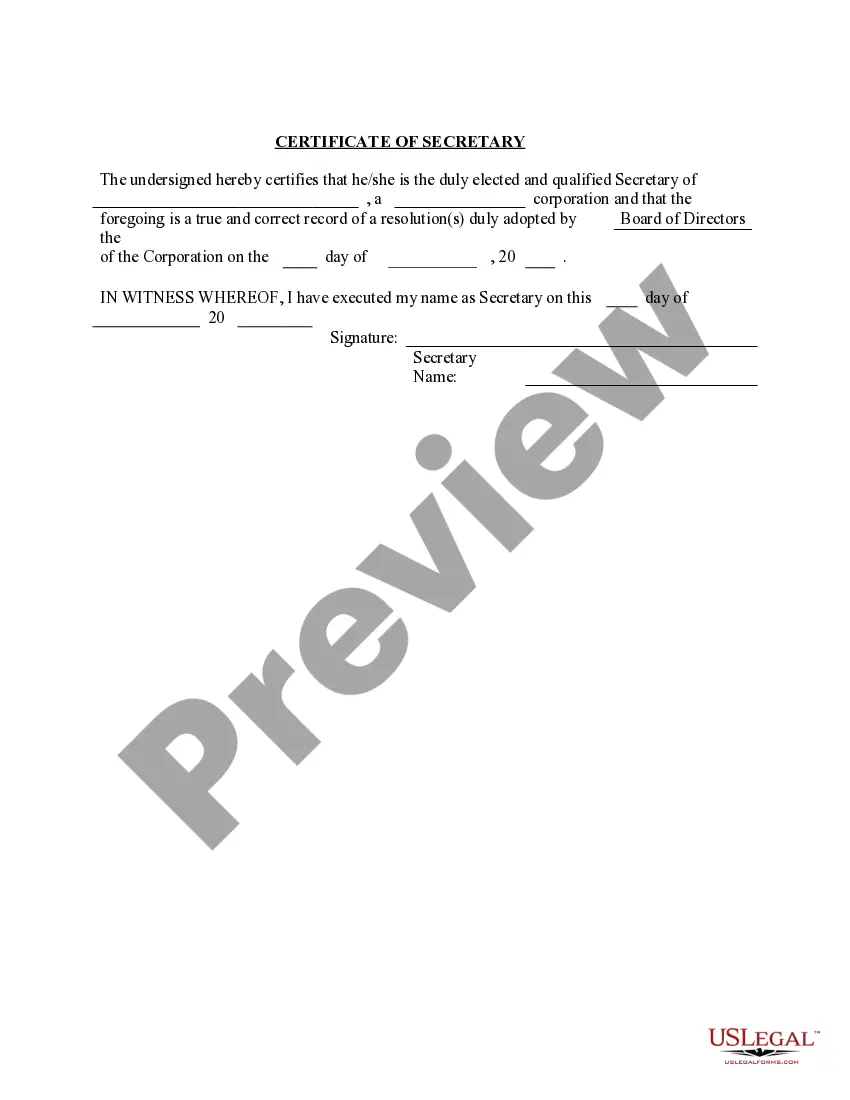


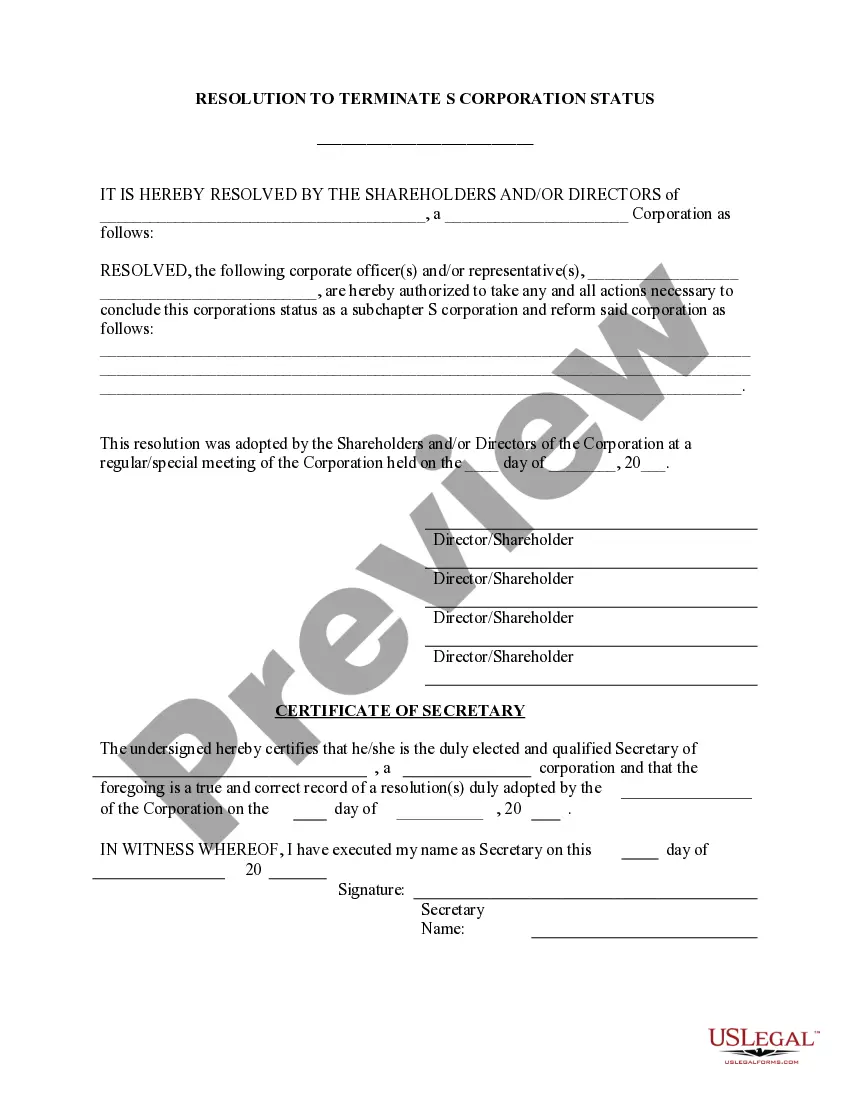
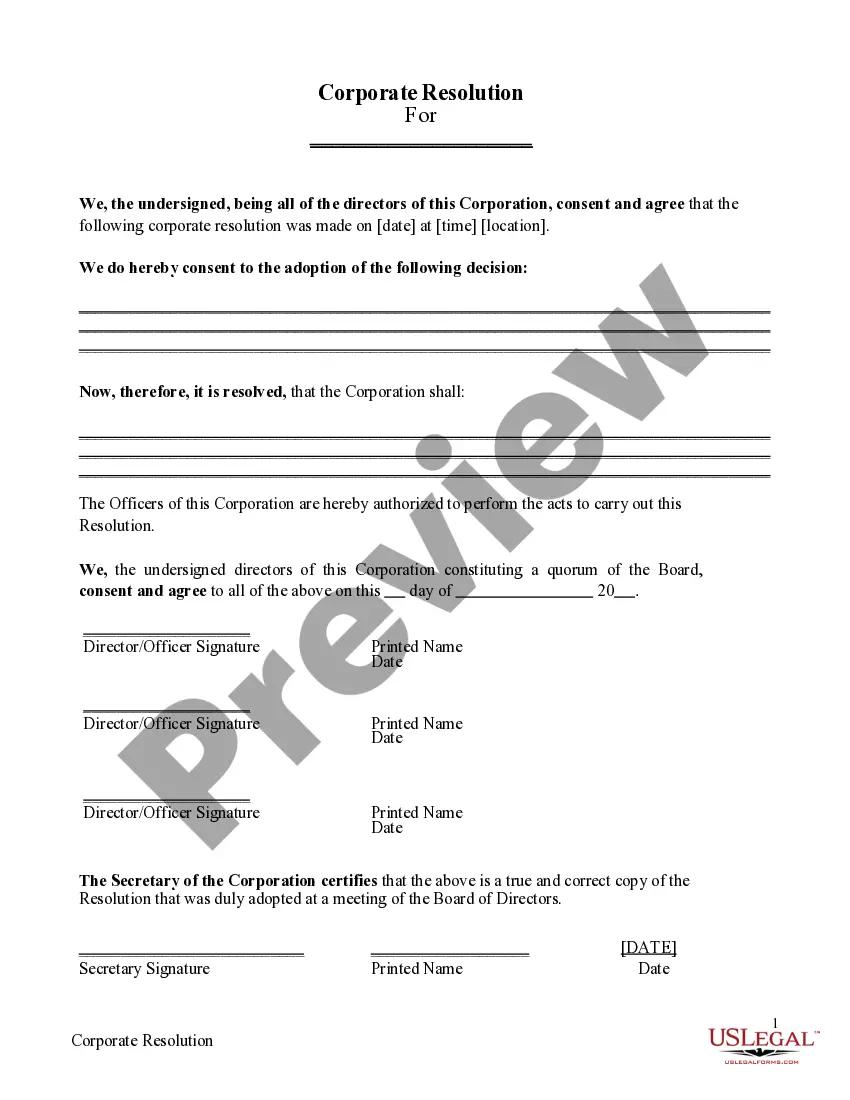
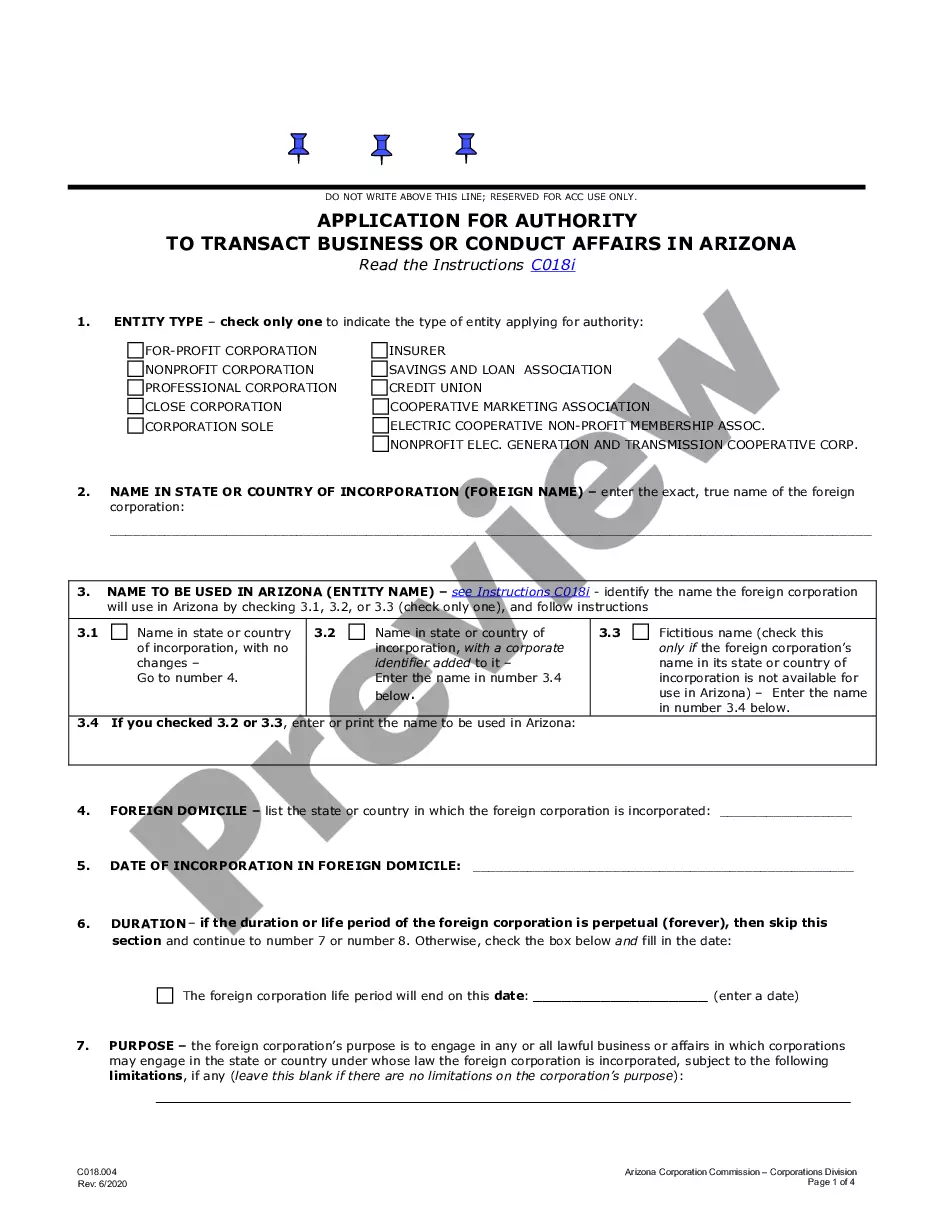
Get your form ready online
Our built-in tools help you complete, sign, share, and store your documents in one place.
Make edits, fill in missing information, and update formatting in US Legal Forms—just like you would in MS Word.
Download a copy, print it, send it by email, or mail it via USPS—whatever works best for your next step.
Sign and collect signatures with our SignNow integration. Send to multiple recipients, set reminders, and more. Go Premium to unlock E-Sign.
If this form requires notarization, complete it online through a secure video call—no need to meet a notary in person or wait for an appointment.
We protect your documents and personal data by following strict security and privacy standards.

Make edits, fill in missing information, and update formatting in US Legal Forms—just like you would in MS Word.

Download a copy, print it, send it by email, or mail it via USPS—whatever works best for your next step.

Sign and collect signatures with our SignNow integration. Send to multiple recipients, set reminders, and more. Go Premium to unlock E-Sign.

If this form requires notarization, complete it online through a secure video call—no need to meet a notary in person or wait for an appointment.

We protect your documents and personal data by following strict security and privacy standards.
Looking for another form?






Form popularity
FAQ
Let's start by checking your LLC status. Go to the Texas Taxable Entity Search linked here: . You will then enter the name of your LLC in the search. Select the “details” button when your LLC search result appears. Check that the “Right to Transact Business in Texas” is ACTIVE.
Texas is home to 52 of the Fortune 500 companies, right after California (57). The pro-business environment, lower taxes, and more favourable legal and regulatory environment make it an attractive decision to relocate business to Texas. From 2020 to 2021, about 33% more people moved to Texas than any other state.
Texas offers companies of all sizes and all industries one of the best business climates in the nation, with a fair, transparent tax and regulatory structure designed for businesses to succeed.
Every state has pros and cons to starting an LLC, but Texas is especially favorable. That's because there is no state income tax or corporate tax and annual maintenance is affordable.
The McCoy College of Business at Texas State University is accredited by the the Association to Advance Collegiate Schools of Business (AACSB). For more than a century, AACSB accreditation has been synonymous with the highest standards in business education.
Texas features a business-friendly employment landscape with relatively flexible regulations. Nevertheless, if you're looking to recruit in the Lone Star State, it's critical to stay well-informed about Texas employment laws and HR compliance considerations.
A general business license is not required in Texas.
Texas statutes do not specifically define "transacting business;" however, section 9.251 of the BOC lists 16 activities that do not constitute "transacting business." Generally, a foreign entity is transacting business in Texas if it has an office or an employee in Texas or is otherwise pursuing one of its purposes in ...
Texas LLC taxes and fees The following are taxation requirements and ongoing fees for Texas LLCs: Annual report and franchise tax. Texas requires LLCs to file a Franchise Tax and Public Information Report with the Comptroller of Public Accounts. The report is due between January 1 and May 15.
You are engaged in business in Texas if any of the following statements apply: You have a temporary or permanent location in Texas that you operate directly or through an agent.
