S Corporation With Llc Subsidiary In San Jose
Description

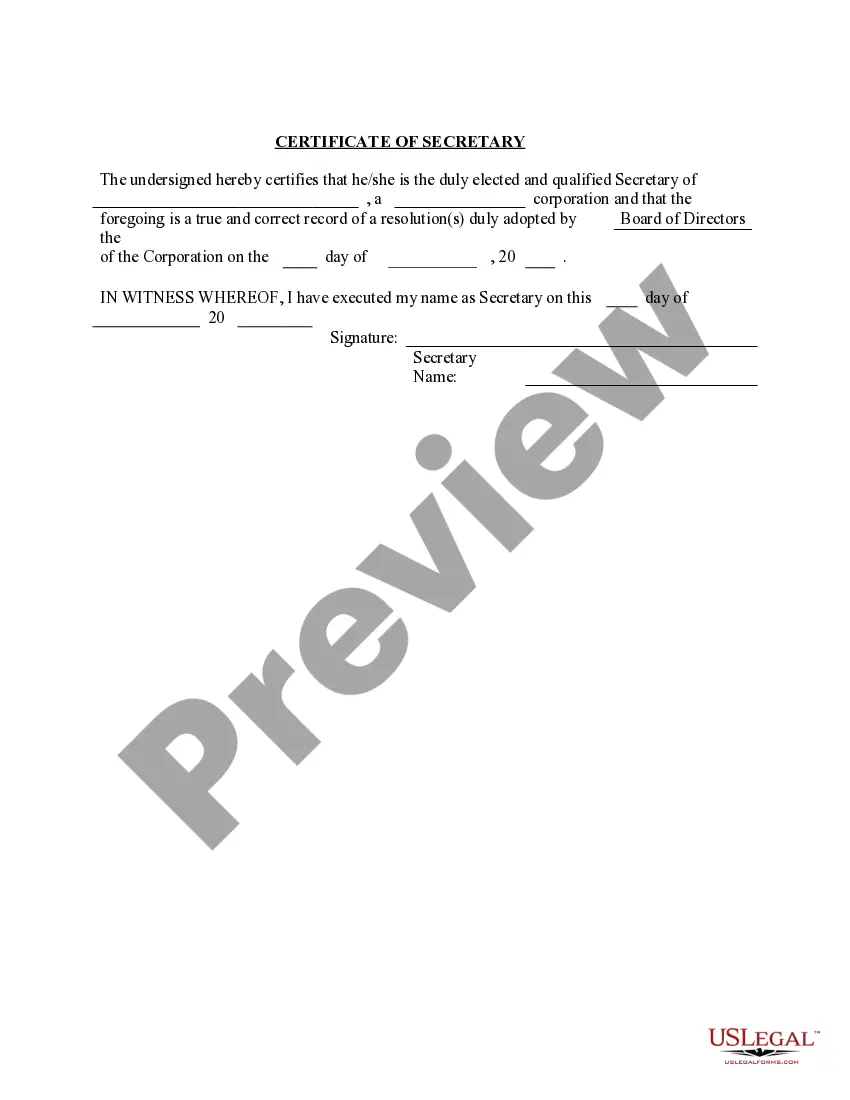

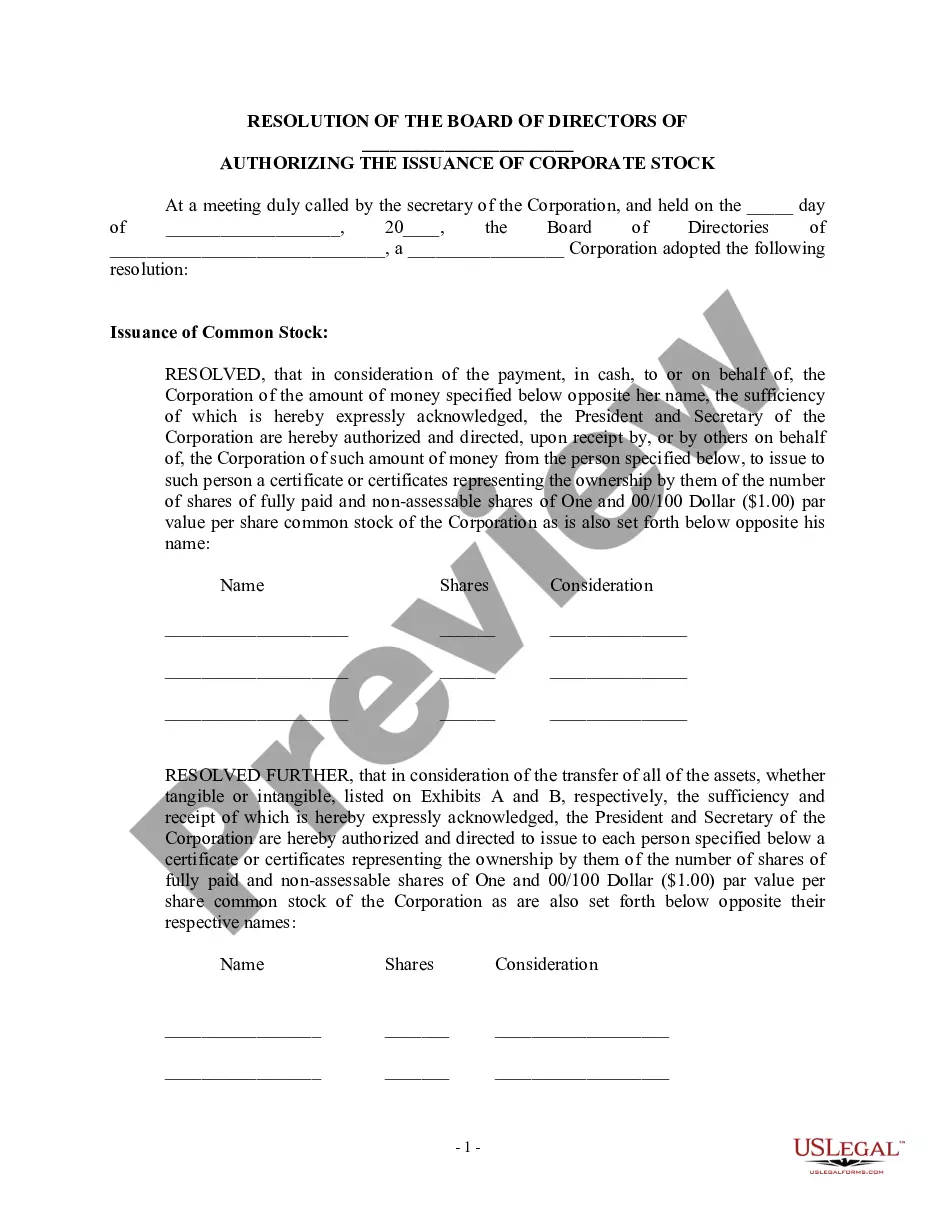
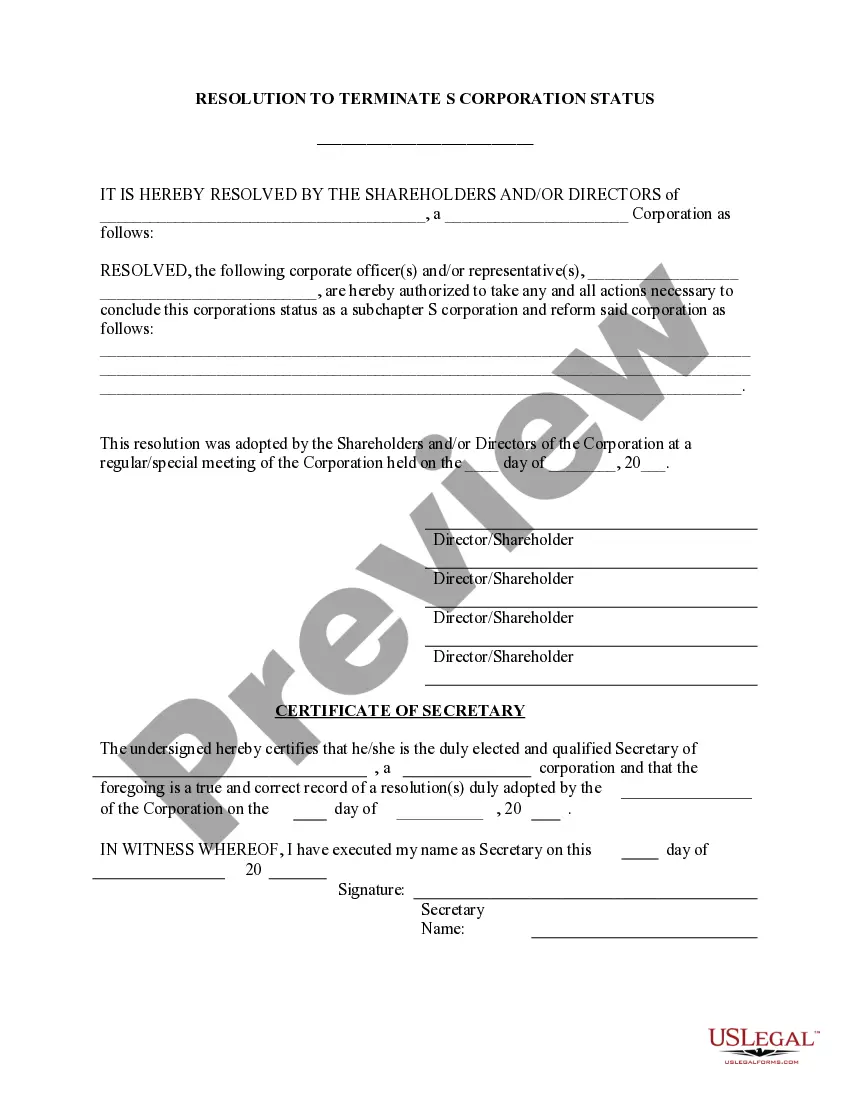
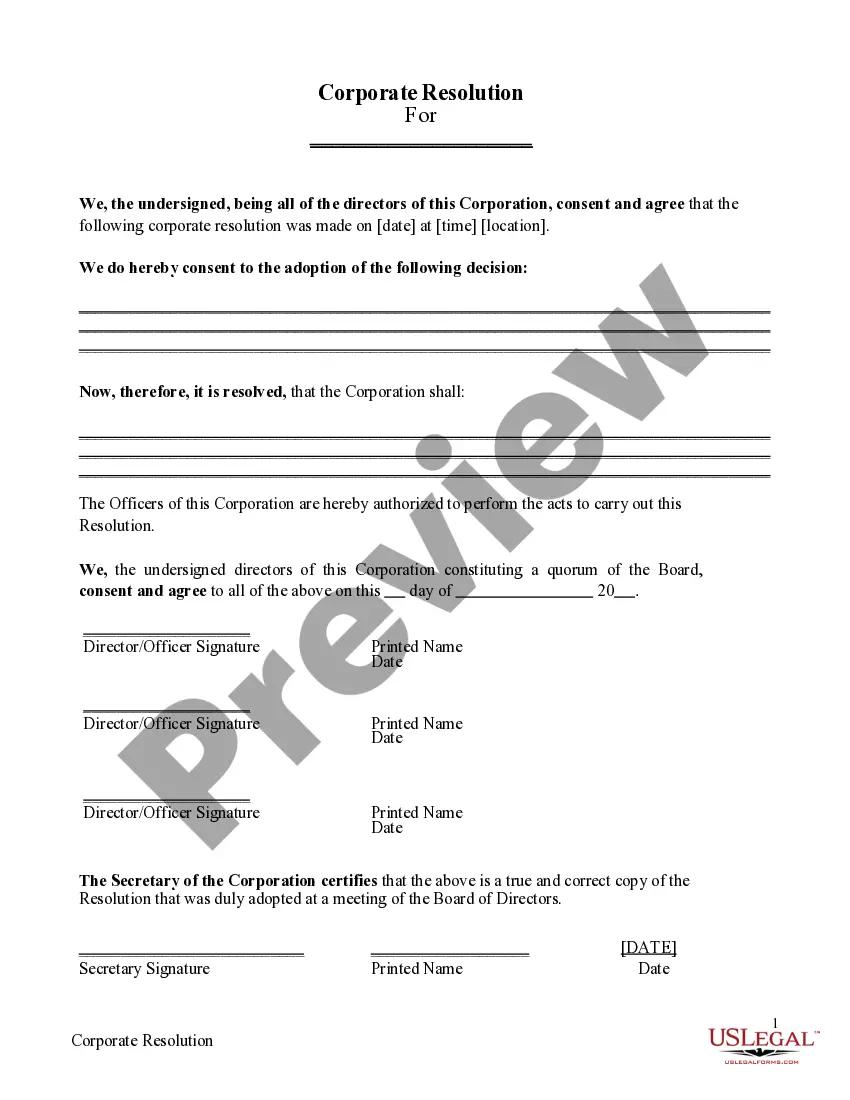
Get your form ready online
Our built-in tools help you complete, sign, share, and store your documents in one place.
Make edits, fill in missing information, and update formatting in US Legal Forms—just like you would in MS Word.
Download a copy, print it, send it by email, or mail it via USPS—whatever works best for your next step.
Sign and collect signatures with our SignNow integration. Send to multiple recipients, set reminders, and more. Go Premium to unlock E-Sign.
If this form requires notarization, complete it online through a secure video call—no need to meet a notary in person or wait for an appointment.
We protect your documents and personal data by following strict security and privacy standards.

Make edits, fill in missing information, and update formatting in US Legal Forms—just like you would in MS Word.

Download a copy, print it, send it by email, or mail it via USPS—whatever works best for your next step.

Sign and collect signatures with our SignNow integration. Send to multiple recipients, set reminders, and more. Go Premium to unlock E-Sign.

If this form requires notarization, complete it online through a secure video call—no need to meet a notary in person or wait for an appointment.

We protect your documents and personal data by following strict security and privacy standards.
Looking for another form?
Form popularity
FAQ
In order to establish an S corporation in California, your LLC must meet all of the following criteria: An S corp can have no more than 100 shareholders. An S corp can carry only one class of stock. All S corp shareholders must be legal U.S. citizens or residents.
Unlike an S corporation, any “person”–i.e., any individual, partnership, limited partnership, trust, estate, association, corporation, other limited liability company, or other entity, whether domestic or foreign–can be a member of an LLC. See Corp C §17001(ae).
If you cancel your LLC within one year of organizing, you can file Short form cancellation (SOS Form LLC-4/8) with the SOS. Your LLC will not be subject to the annual $800 tax for its first tax year.
Unlike an S corporation, any “person”–i.e., any individual, partnership, limited partnership, trust, estate, association, corporation, other limited liability company, or other entity, whether domestic or foreign–can be a member of an LLC. See Corp C §17001(ae).
Unlike an S corporation, any “person”–i.e., any individual, partnership, limited partnership, trust, estate, association, corporation, other limited liability company, or other entity, whether domestic or foreign–can be a member of an LLC.
KEY TAKEAWAYS: 1) Licensed professionals cannot form LLCs in California. 2) Licensed professionals may form Professional Corporations or Limited Liability Partnerships. 3) Non-Professional Occupational licensees can form LLCs (e.g., food handlers).
Limited Liability Companies Treated as S Corporations The LLC will also be treated as an S corporation for the state and must file Form 100S (California S Corporation Franchise or Income Tax Return). California and federal laws treat these companies as corporations subject to California corporation tax law.
Having a California S Corporation own an LLC may also provide more flexibility in the allocation of profits and losses. California S Corporations are required to distribute profits and losses to shareholders based on the proportion of ownership, however, California LLCs are not limited to pro rata distributions and ...
Because of the one-class-of-stock restriction, an S corporation cannot allocate losses or income to specific shareholders. Allocation of income and loss is governed by stock ownership, unlike partnerships or LLCs taxed as partnerships where the allocation can be set in the partnership agreement or operating agreement.
You can form an LLC to run a business or to hold assets. The owners of an LLC are members. LLCs protects its members against personal liabilities. An LLC must have the same classification for both California and federal tax purposes.