S Corporation And Divorce In San Diego
Description
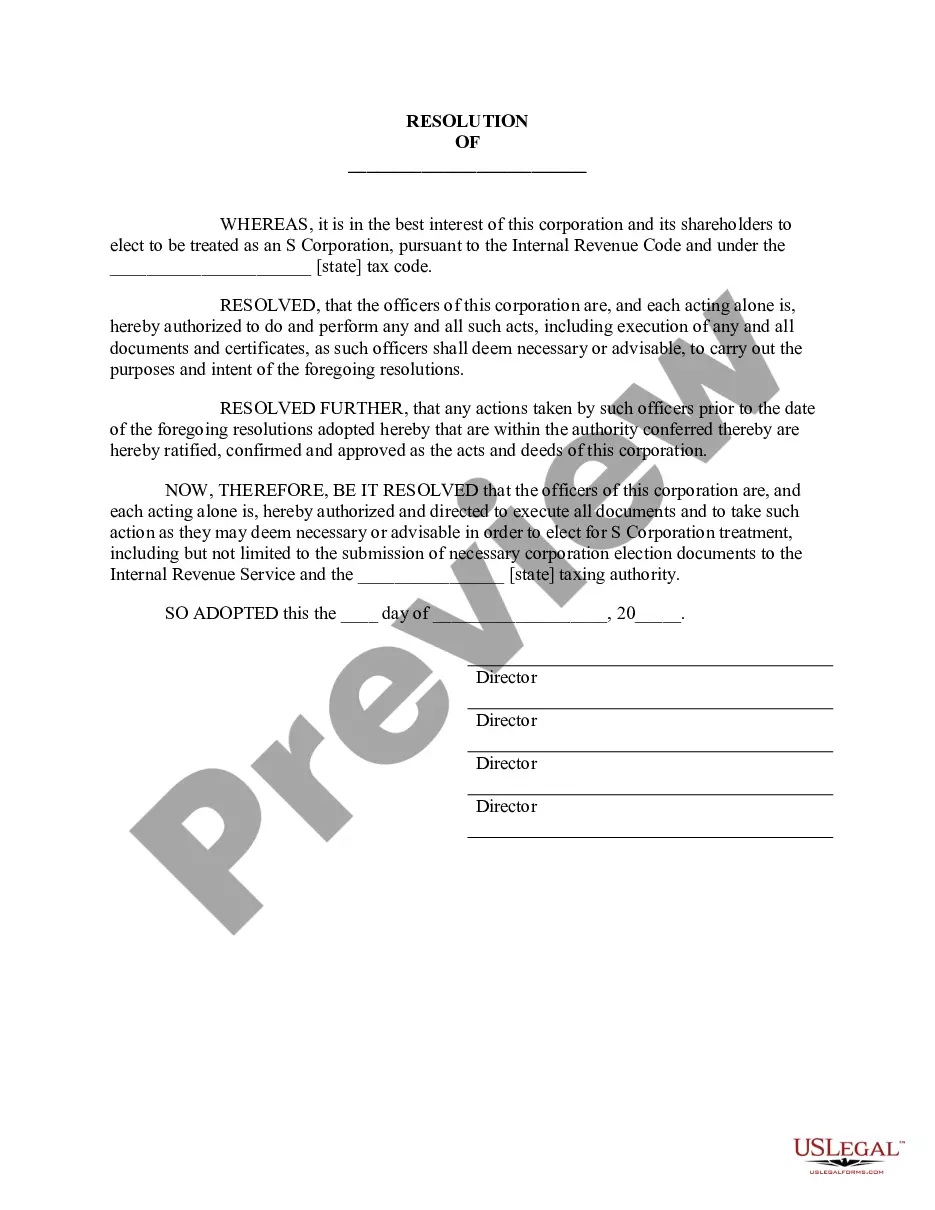
Get your form ready online
Our built-in tools help you complete, sign, share, and store your documents in one place.
Make edits, fill in missing information, and update formatting in US Legal Forms—just like you would in MS Word.
Download a copy, print it, send it by email, or mail it via USPS—whatever works best for your next step.
Sign and collect signatures with our SignNow integration. Send to multiple recipients, set reminders, and more. Go Premium to unlock E-Sign.
If this form requires notarization, complete it online through a secure video call—no need to meet a notary in person or wait for an appointment.
We protect your documents and personal data by following strict security and privacy standards.

Make edits, fill in missing information, and update formatting in US Legal Forms—just like you would in MS Word.

Download a copy, print it, send it by email, or mail it via USPS—whatever works best for your next step.

Sign and collect signatures with our SignNow integration. Send to multiple recipients, set reminders, and more. Go Premium to unlock E-Sign.

If this form requires notarization, complete it online through a secure video call—no need to meet a notary in person or wait for an appointment.

We protect your documents and personal data by following strict security and privacy standards.
Looking for another form?

Form popularity
FAQ
If you've been married less than five years and have no children, you may qualify for a simpler way to get divorced (summary dissolution).
Attorneys and self-represented litigants are able to file documents electronically in Family Law case actions for divorce, legal separation, annulment, parentage, child custody, visitation, support (child and spousal), and family related issues.
Getting a divorce in California Getting a divorce takes at least 6 months.
You must reach a comprehensive divorce settlement agreement in order to avoid going to court in California. By agreeing on all key issues, such as property division, custody, and child support, both spouses can file for an uncontested divorce and bypass the need for courtroom proceedings.
The online divorce process in California can simplify legal proceedings by allowing couples to file paperwork and complete many steps without going to court. Below is an idea of how the process for filing for divorce online may proceed: Confirm eligibility.
Is My Wife Entitled to Half My Business If We Divorce in California? The laws governing divorce and business ownership do not take gender into consideration. Regardless of who owns the business or what gender they are, if the business is considered community property, then it is subject to equitable distribution.
As all community property is subject to division, the only assets protected in a divorce are: Those that are protected by a prenup. Inheritances. Certain gifts. Any separate property that was acquired before the marriage in which your spouse has not contributed substantial equity.
Going through a divorce in California can be a complex and stressful process. One of the key aspects of California divorce law is the 50/50 law. This law is also known as community property law and means that assets and debts that were acquired during the marriage are considered equally owned by both spouses.