Corporate Status For Whatsapp In Minnesota
Description

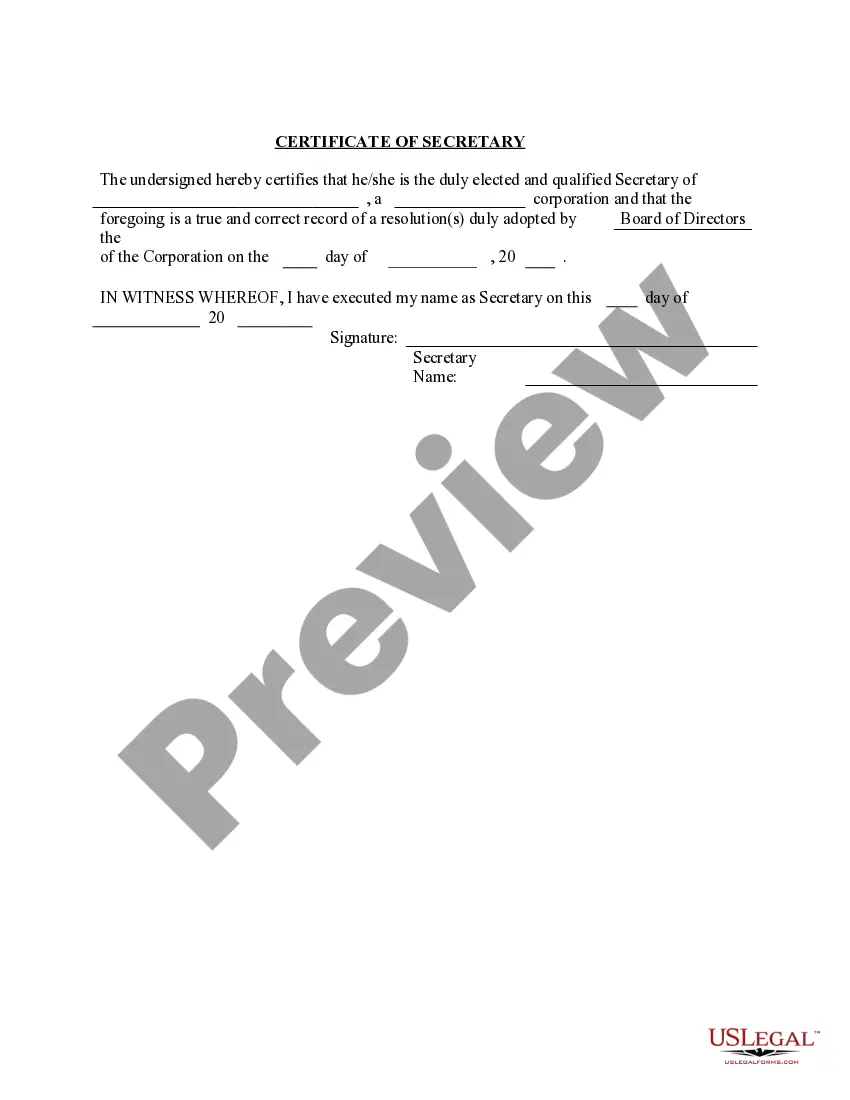

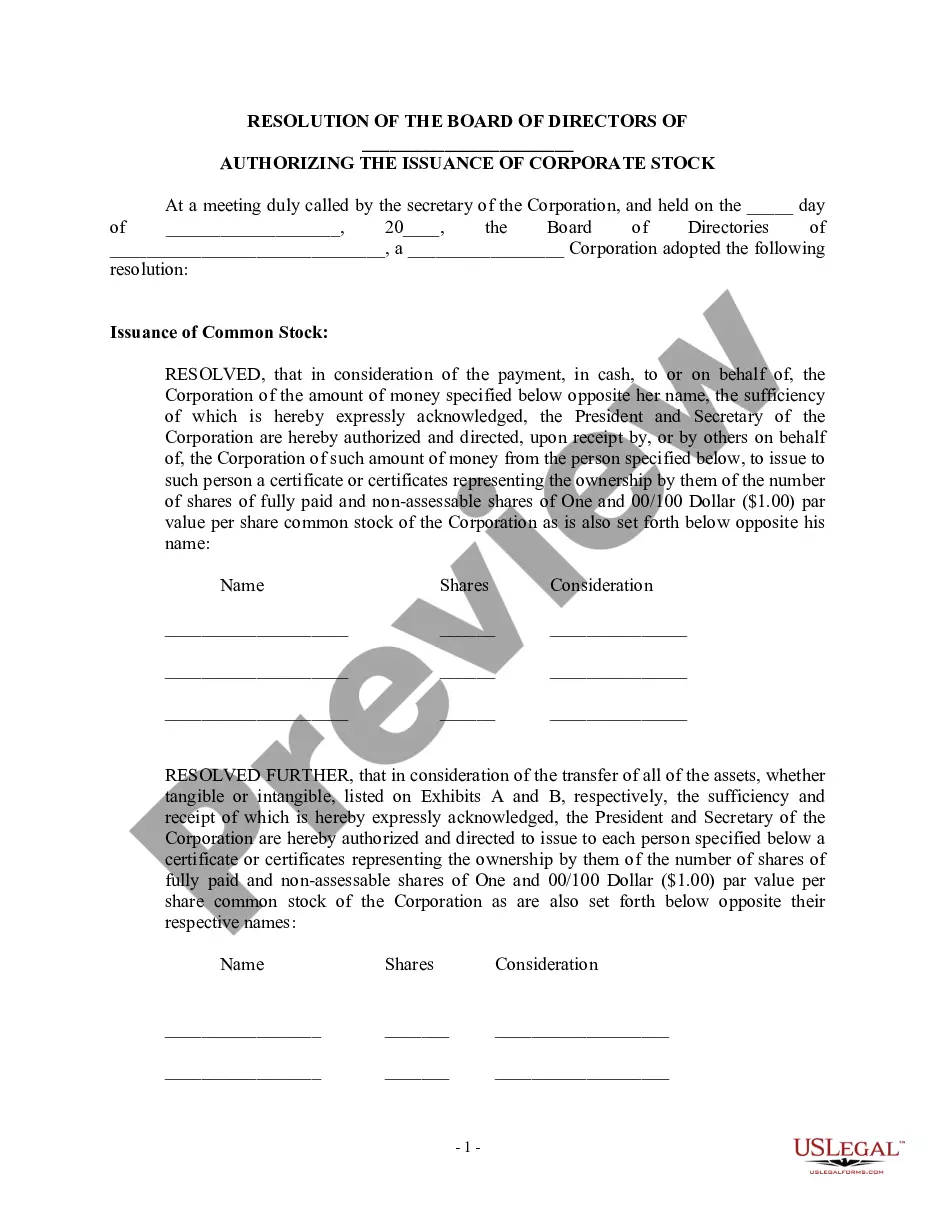
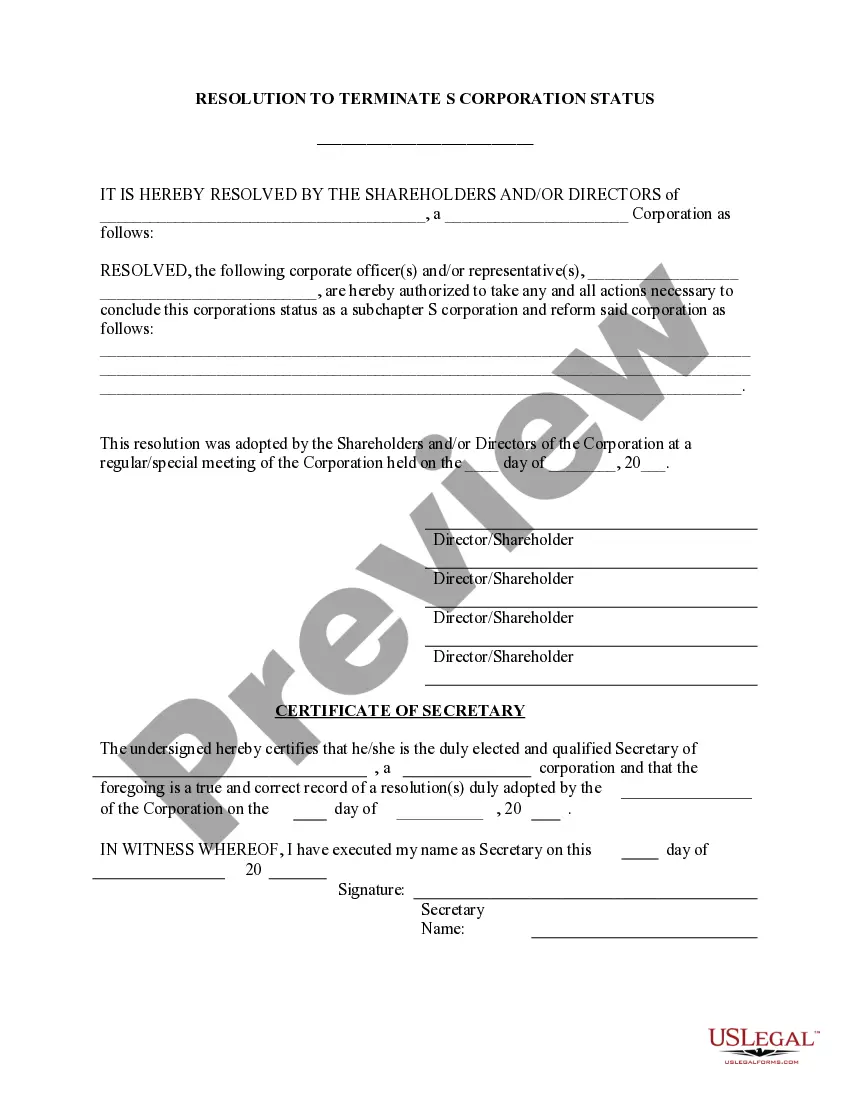
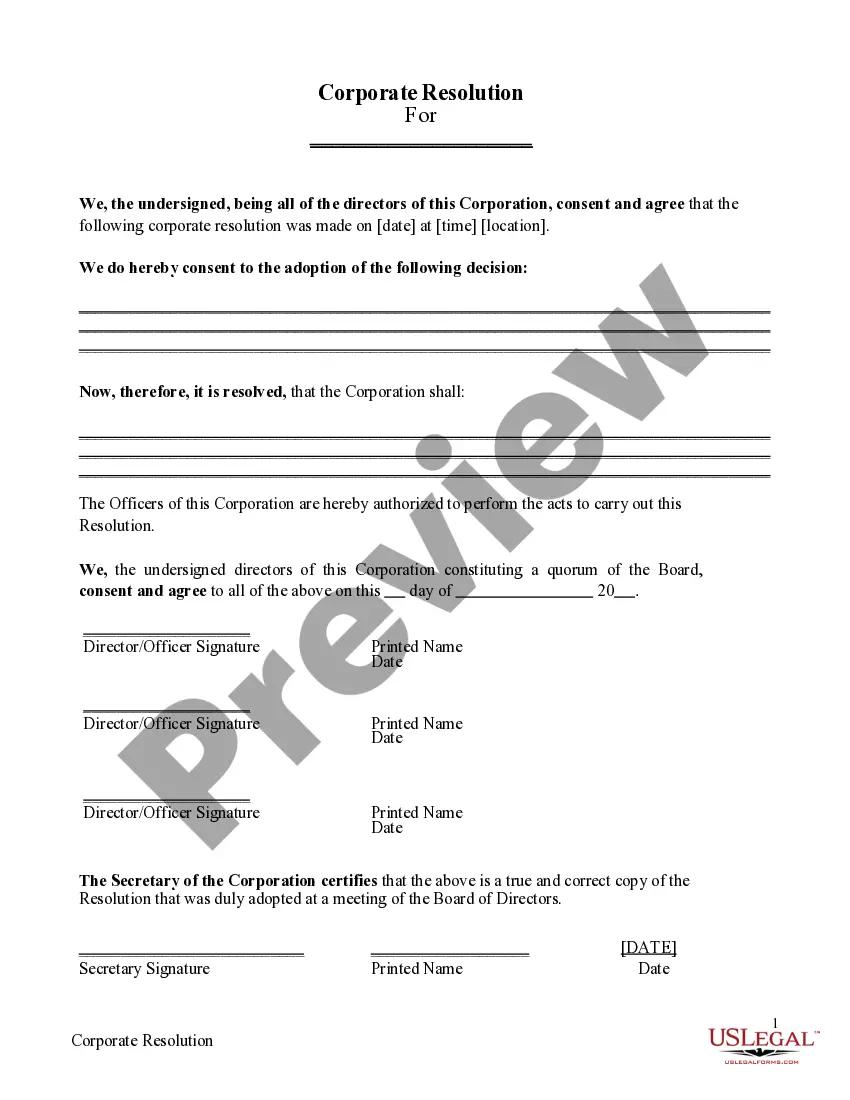
Get your form ready online
Our built-in tools help you complete, sign, share, and store your documents in one place.
Make edits, fill in missing information, and update formatting in US Legal Forms—just like you would in MS Word.
Download a copy, print it, send it by email, or mail it via USPS—whatever works best for your next step.
Sign and collect signatures with our SignNow integration. Send to multiple recipients, set reminders, and more. Go Premium to unlock E-Sign.
If this form requires notarization, complete it online through a secure video call—no need to meet a notary in person or wait for an appointment.
We protect your documents and personal data by following strict security and privacy standards.

Make edits, fill in missing information, and update formatting in US Legal Forms—just like you would in MS Word.

Download a copy, print it, send it by email, or mail it via USPS—whatever works best for your next step.

Sign and collect signatures with our SignNow integration. Send to multiple recipients, set reminders, and more. Go Premium to unlock E-Sign.

If this form requires notarization, complete it online through a secure video call—no need to meet a notary in person or wait for an appointment.

We protect your documents and personal data by following strict security and privacy standards.
Looking for another form?








Form popularity
FAQ
Minnesota has a 9.8 percent corporate income tax rate. Minnesota also has a 6.875 percent state sales tax rate and an average combined state and local sales tax rate of 8.04 percent.
If your company does or will do business in Minnesota, but was not formed there, you will often need to obtain a Minnesota Foreign Qualification. Typically, “doing business” is defined by activities such as maintaining a physical office or having employees in the state.
~24hrs online. Choose a Corporate Structure. Incorporating means starting a corporation. Check Name Availability. Appoint a Registered Agent. File Minnesota Articles of Incorporation. Establish Bylaws & Corporate Records. Appoint Initial Directors. Hold Organizational Meeting. Issue Stock Certificates.
To start a corporation in Minnesota, you'll need to do three things: appoint a registered agent, choose a name for your business, and file Articles of Incorporation with the Secretary of State's Business Services office. You can file this document online, by mail or in person.
To form an S Corporation in Minnesota, you'll need to file Articles of Incorporation with the Secretary of State. Once the corporation is established, you'll need to file IRS Form 2553 to elect S Corporation status.
How to search business filings Go to the Business Filings Online page to get started. Search by Business Name: type the Business Name in the search box, click “Search” Search by File Number: click “File Number” (above the search box), enter the file number, and click “Search”
Almost all businesses in Minnesota must register with the Office of the Minnesota Secretary of State. Before registering your business you will need to decide on the structure of your business (such as Corporation, LLC, Sole Proprietorship, etc).
You can apply and receive an EIN immediately using the IRS assistance tool. It will guide you through questions and ask for your name, social security number or taxpayer ID number, and business structure. If you are a third-party, you will also need signed authorization to apply.
To form an S Corporation in Minnesota, you'll need to file Articles of Incorporation with the Secretary of State. Once the corporation is established, you'll need to file IRS Form 2553 to elect S Corporation status.
Most Minnesota businesses will need a Minnesota state tax ID number, but don't realize that this number is distinct from your federal tax ID number. Your Federal EIN (FEIN) number is often referred to simply as a “tax ID.” You may also hear it called an employer identification number, or EIN.
