S Corporation Foreign Shareholder In Middlesex
Description

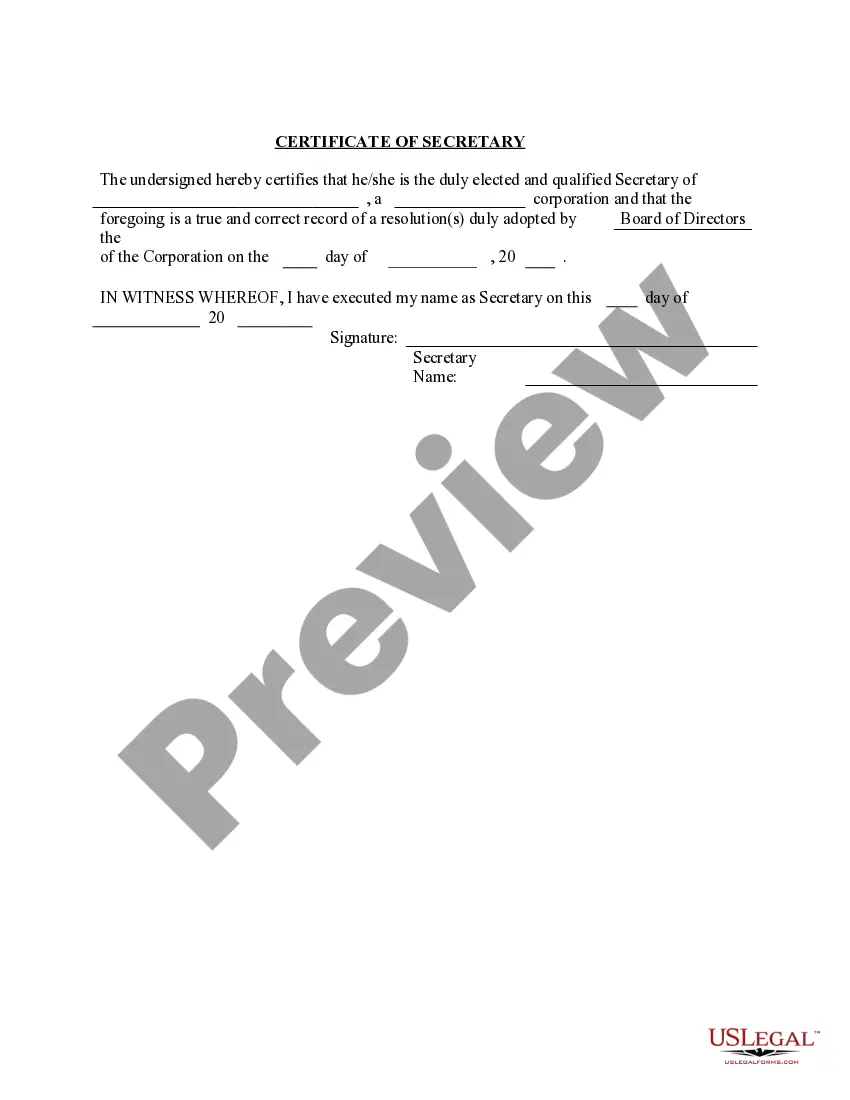

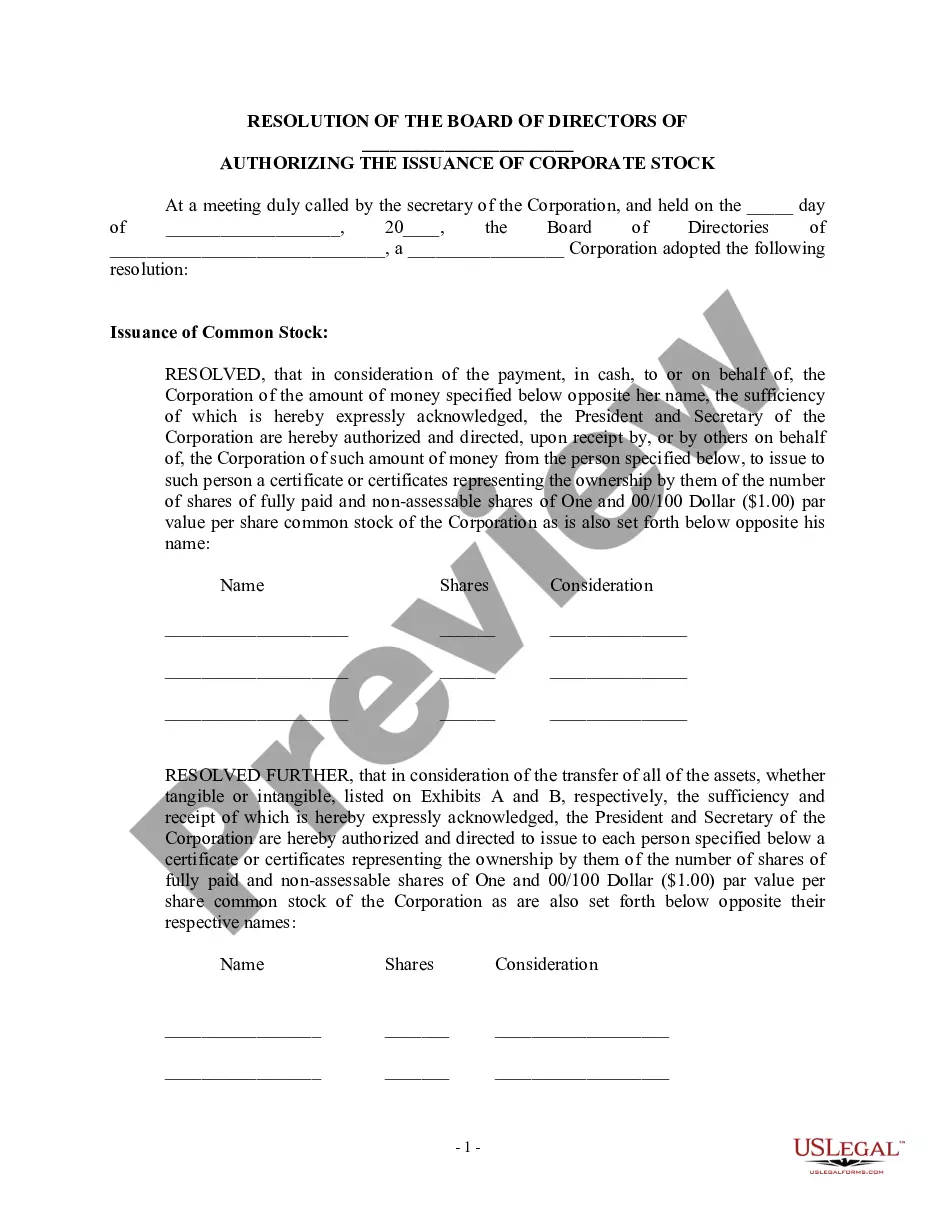
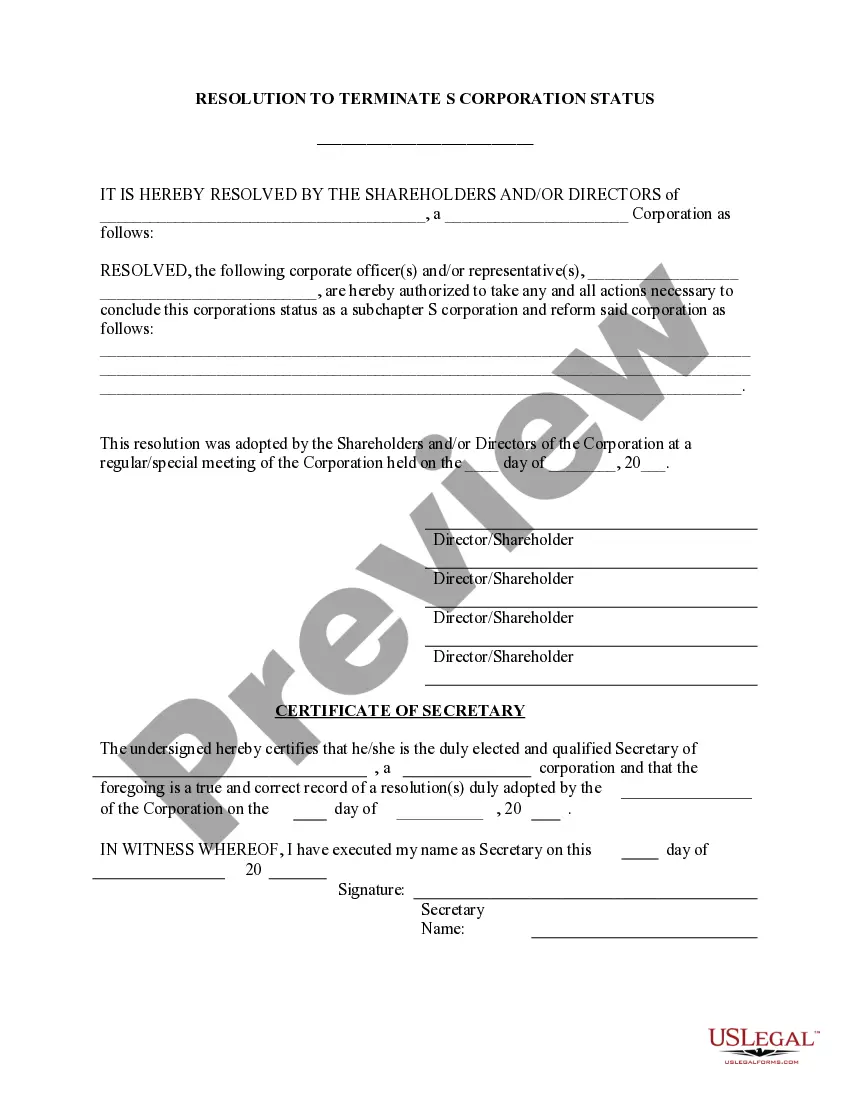
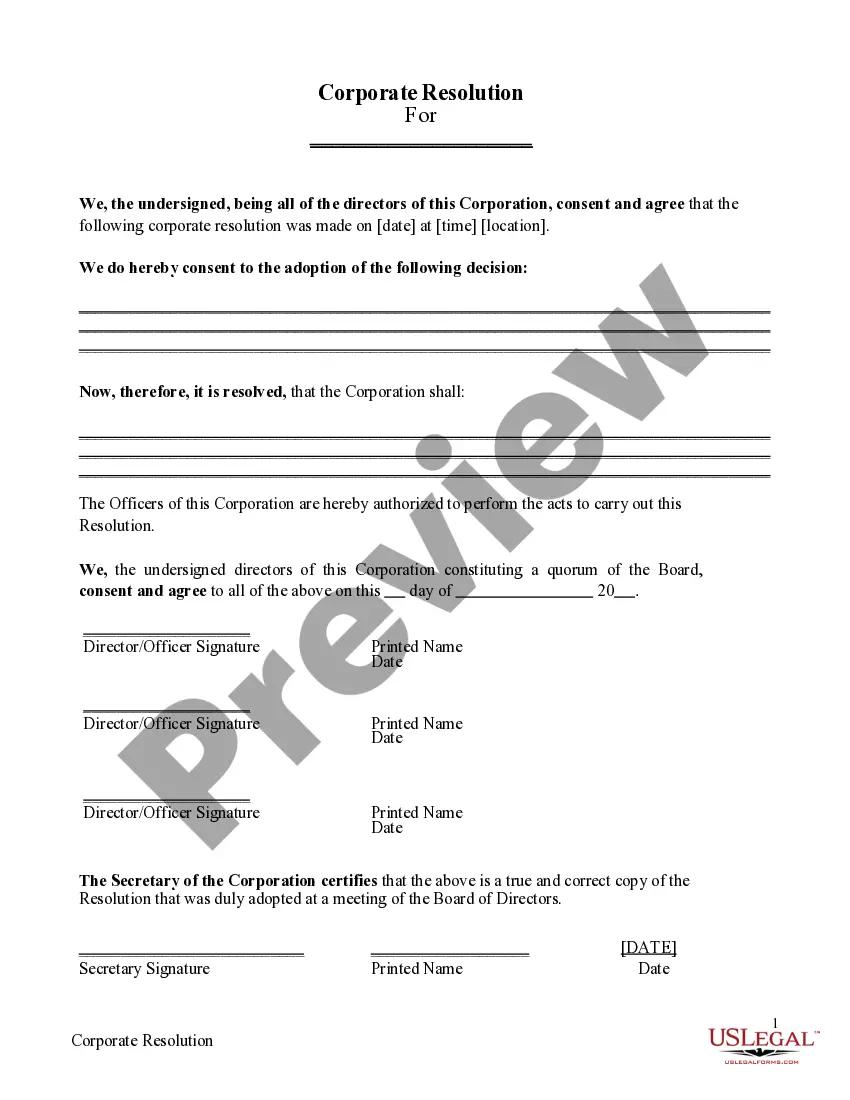
Get your form ready online
Our built-in tools help you complete, sign, share, and store your documents in one place.
Make edits, fill in missing information, and update formatting in US Legal Forms—just like you would in MS Word.
Download a copy, print it, send it by email, or mail it via USPS—whatever works best for your next step.
Sign and collect signatures with our SignNow integration. Send to multiple recipients, set reminders, and more. Go Premium to unlock E-Sign.
If this form requires notarization, complete it online through a secure video call—no need to meet a notary in person or wait for an appointment.
We protect your documents and personal data by following strict security and privacy standards.

Make edits, fill in missing information, and update formatting in US Legal Forms—just like you would in MS Word.

Download a copy, print it, send it by email, or mail it via USPS—whatever works best for your next step.

Sign and collect signatures with our SignNow integration. Send to multiple recipients, set reminders, and more. Go Premium to unlock E-Sign.

If this form requires notarization, complete it online through a secure video call—no need to meet a notary in person or wait for an appointment.

We protect your documents and personal data by following strict security and privacy standards.
Looking for another form?










Form popularity
FAQ
LLCs can have an unlimited number of members; S corps can have no more than 100 shareholders (owners). Non-U.S. citizens/residents can be members of LLCs; S corps may not have non-U.S. citizens/residents as shareholders. S corporations cannot be owned by corporations, LLCs, partnerships or many trusts.
With certain exceptions, a corporation is treated as having only one class of stock if all outstanding shares of stock of the corporation confer identical rights to distribution and liquidation proceeds. The regulations then elaborate on how to analyze if there are identical distribution and liquidation rights.
Eligible Shareholder means, in relation to a meeting of shareholders, any person who is or was the registered holder of a share (which carries the right to vote at the meeting) at the time prescribed for the purpose of determining voting entitlements for the meeting.
Number and types of shareholders Certain types of shareholders are not eligible to be S corporation shareholders. Among these are non-resident aliens, foreign trusts, other corporations and partnerships.
Owning an S Corporation requires compliance with specific guidelines, including a maximum of 100 shareholders who must be U.S. citizens or resident aliens (non-US residents who've passed the test of green card), as well as certain trusts and estates.
Only U.S. citizens, residents, and qualifying entities like trusts can own S Corp stock. Non-residents and most entities are prohibited.
If you're not a citizen, you must qualify as a resident alien to own a stake in an S Corp. Resident aliens are those who have moved to the United States and have residency but aren't citizens. Of the below, only permanent residents can own an S Corp.
If you're not a citizen, you must qualify as a resident alien to own a stake in an S Corp. Resident aliens are those who have moved to the United States and have residency but aren't citizens. Of the below, only permanent residents can own an S Corp.
Income of a foreign corporation that is effectively connected with a U.S. trade or business is: Subject to withholding at the same rates applicable to US taxpayers.
Yes, U.S. citizens can legally form offshore companies. However, you must comply with all reporting requirements set forth by U.S. authorities, including the IRS and FinCEN.
