S Corporation With Passive Income In King
Description

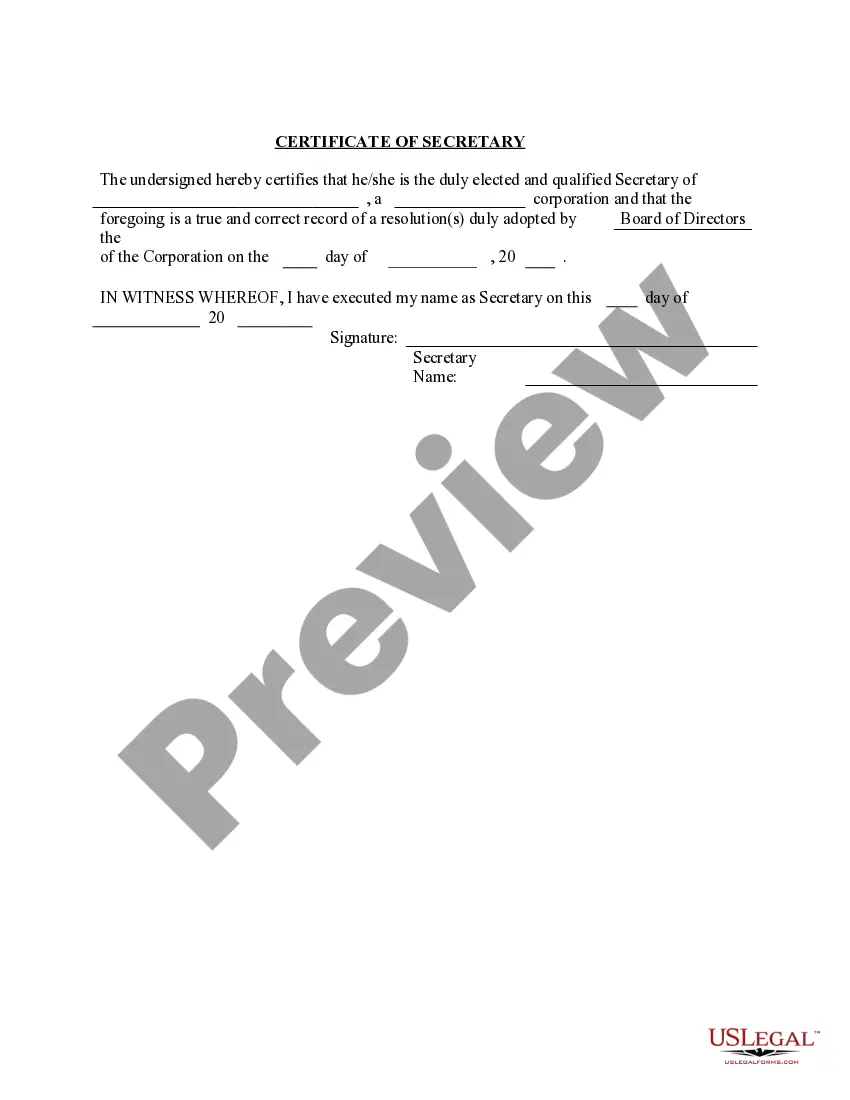

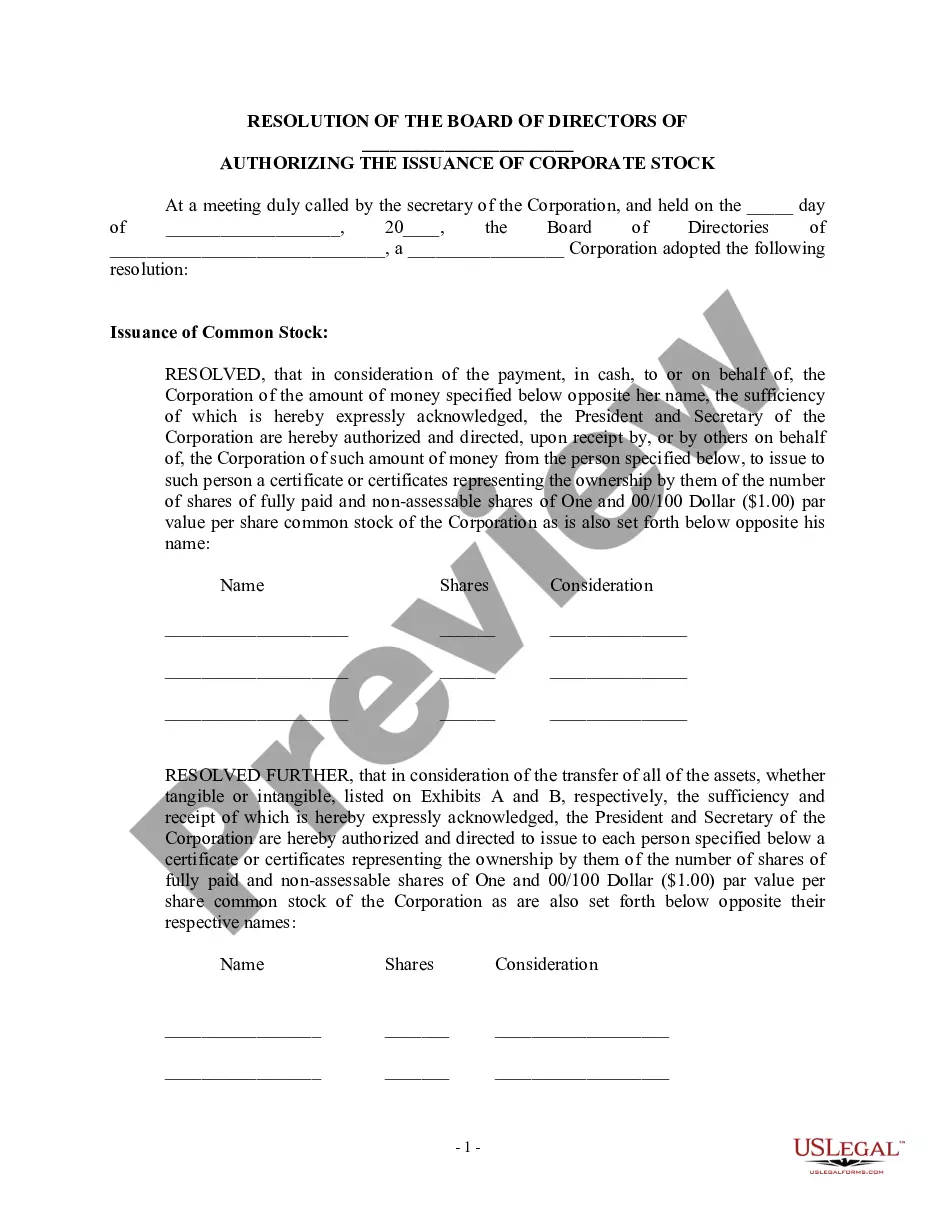
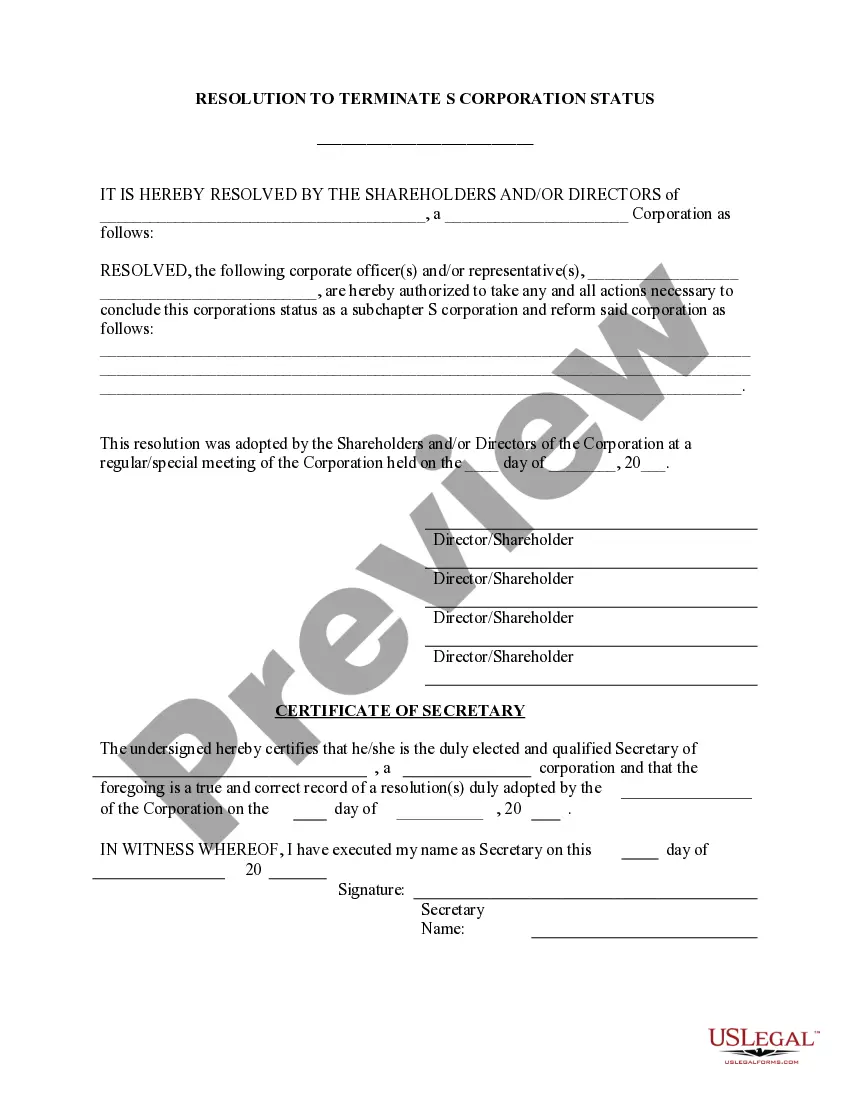
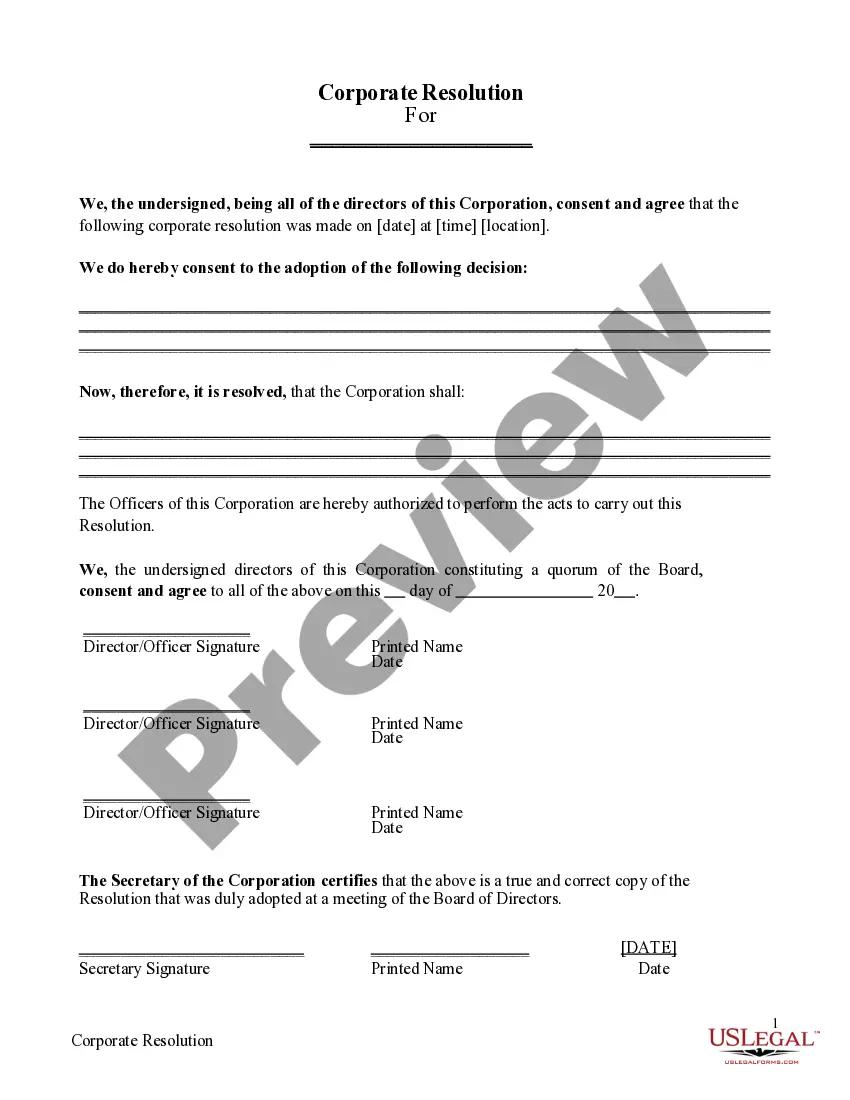
Get your form ready online
Our built-in tools help you complete, sign, share, and store your documents in one place.
Make edits, fill in missing information, and update formatting in US Legal Forms—just like you would in MS Word.
Download a copy, print it, send it by email, or mail it via USPS—whatever works best for your next step.
Sign and collect signatures with our SignNow integration. Send to multiple recipients, set reminders, and more. Go Premium to unlock E-Sign.
If this form requires notarization, complete it online through a secure video call—no need to meet a notary in person or wait for an appointment.
We protect your documents and personal data by following strict security and privacy standards.

Make edits, fill in missing information, and update formatting in US Legal Forms—just like you would in MS Word.

Download a copy, print it, send it by email, or mail it via USPS—whatever works best for your next step.

Sign and collect signatures with our SignNow integration. Send to multiple recipients, set reminders, and more. Go Premium to unlock E-Sign.

If this form requires notarization, complete it online through a secure video call—no need to meet a notary in person or wait for an appointment.

We protect your documents and personal data by following strict security and privacy standards.
Looking for another form?







Form popularity
FAQ
Because of the one-class-of-stock restriction, an S corporation cannot allocate losses or income to specific shareholders. Allocation of income and loss is governed by stock ownership, unlike partnerships or LLCs taxed as partnerships where the allocation can be set in the partnership agreement or operating agreement.
Passive income consists of amounts derived from royalties, rents, dividends, interest and annuities. Although conventional rental income is passive in nature, rents derived from an activity where the S corporation/lessor renders significant services or incurs substantial costs will not be treated as passive income.
A: Active capital refers to actively managed investments where fund managers make decisions to buy and sell assets, while passive capital involves investments in index funds or ETFs that track market indices, each having its own set of benefits and considerations for investors.
Something we often have to remind clients is that even though portfolio investing is considered a passive activity, portfolio income from interest, dividends, and capital gains are not considered passive income and cannot be offset by passive ordinary losses.
Because of the one-class-of-stock restriction, an S corporation cannot allocate losses or income to specific shareholders. Allocation of income and loss is governed by stock ownership, unlike partnerships or LLCs taxed as partnerships where the allocation can be set in the partnership agreement or operating agreement.
Losses from rental property are considered passive losses and can generally offset passive income only (that is, income from other rental properties or another small business in which you do not materially participate, not including investments).
Common proof of passive income Investment statements: For income derived from stocks, bonds, or other financial assets. Rental income receipts: Evidence of ongoing rental income from property ownership. Pension documents: For retirees, pension statements showing monthly disbursements can serve as proof.
Nonpassive revenue is subject to regular income tax rates and often additional self-employment taxes if the income is from a business or freelance work. Unlike passive income, which may have preferential tax treatments in certain cases, nonpassive revenue is taxed based on the individual's or entity's active earnings.
