S Corporation Form 1120s In Collin
Description

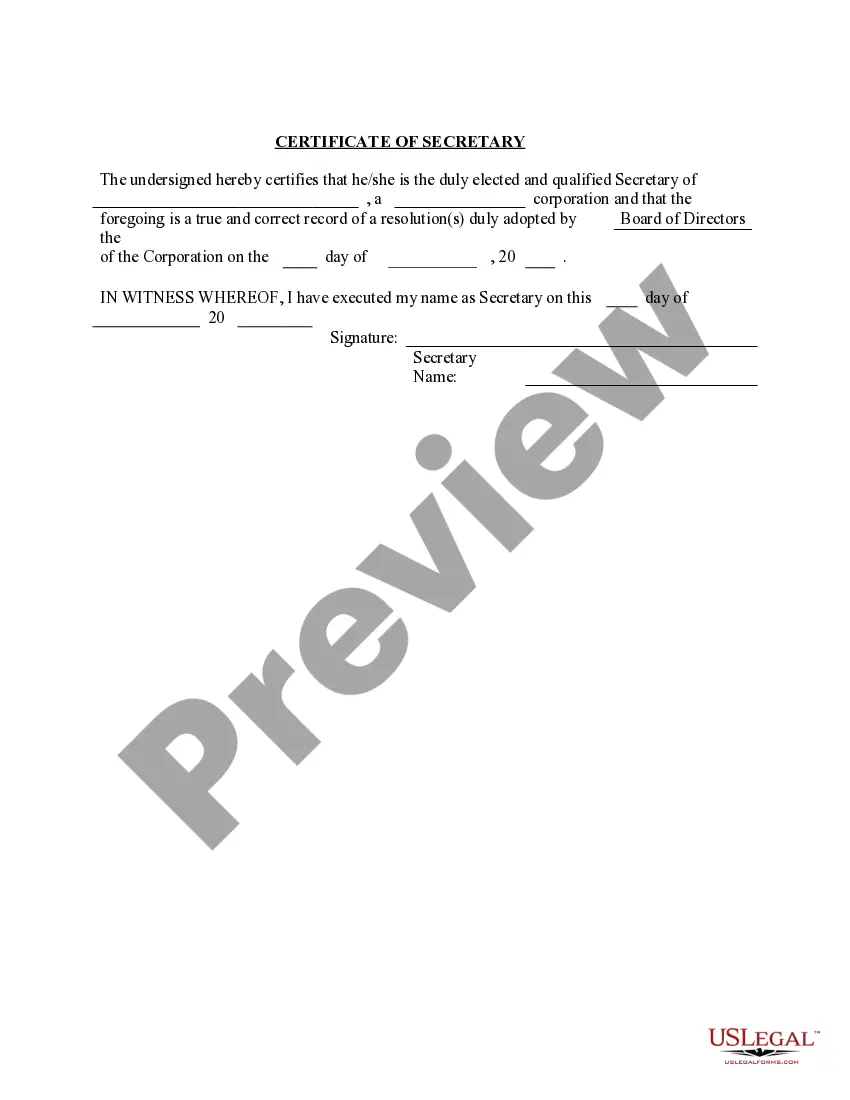

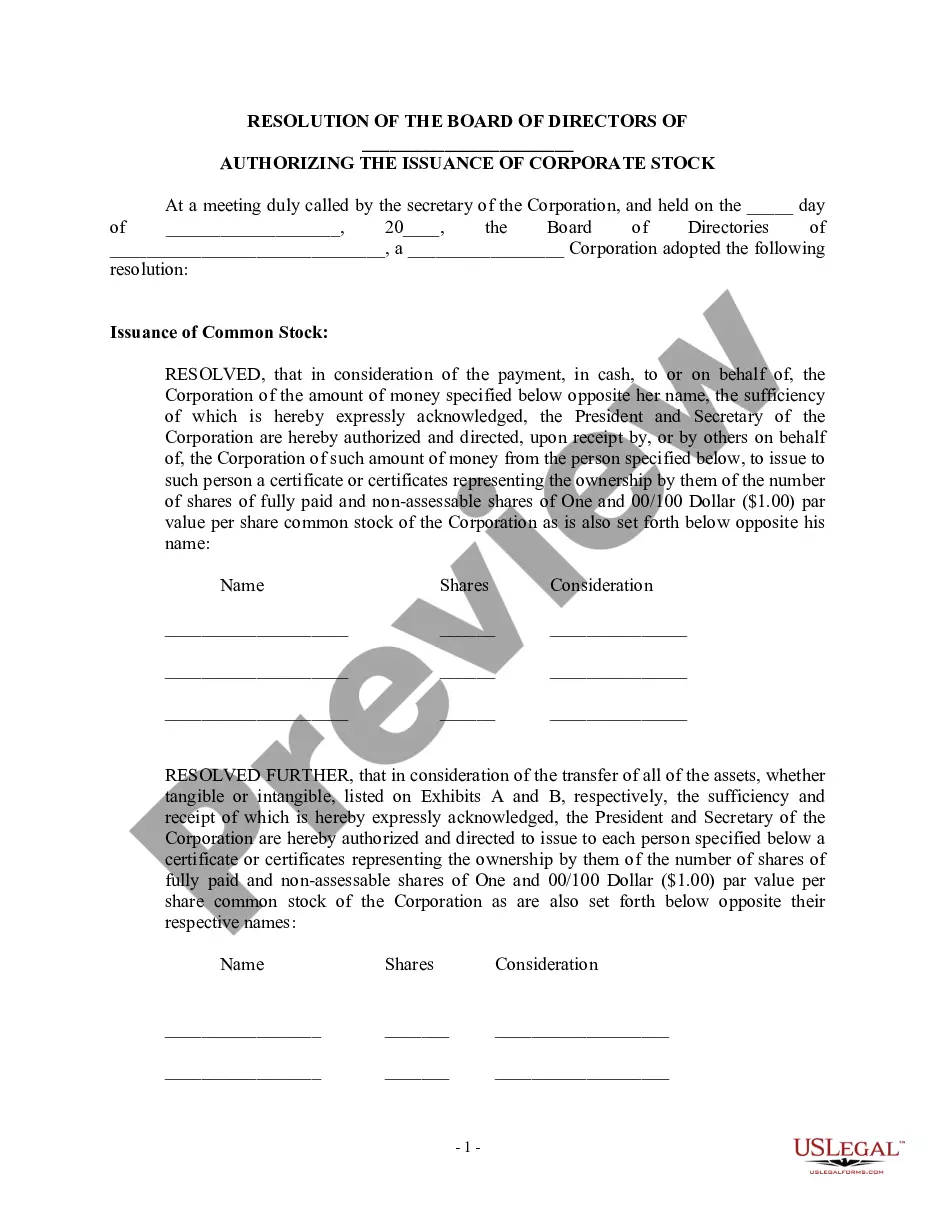
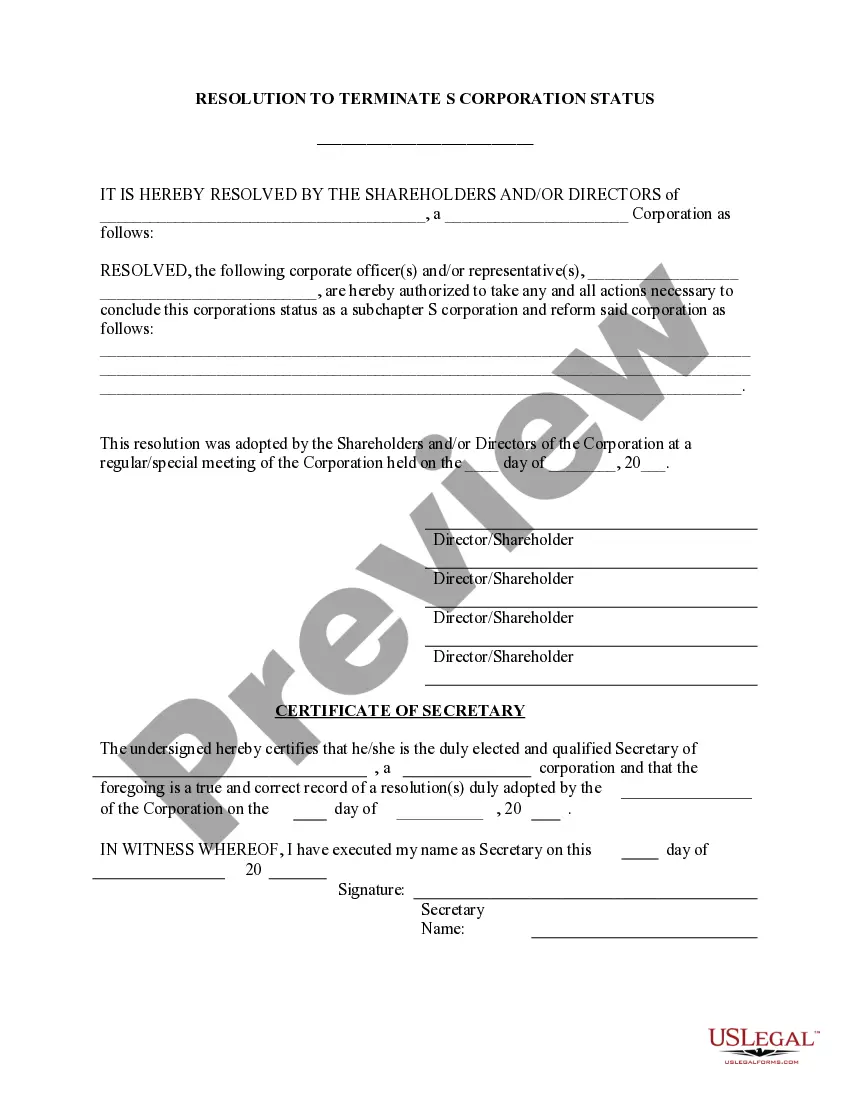
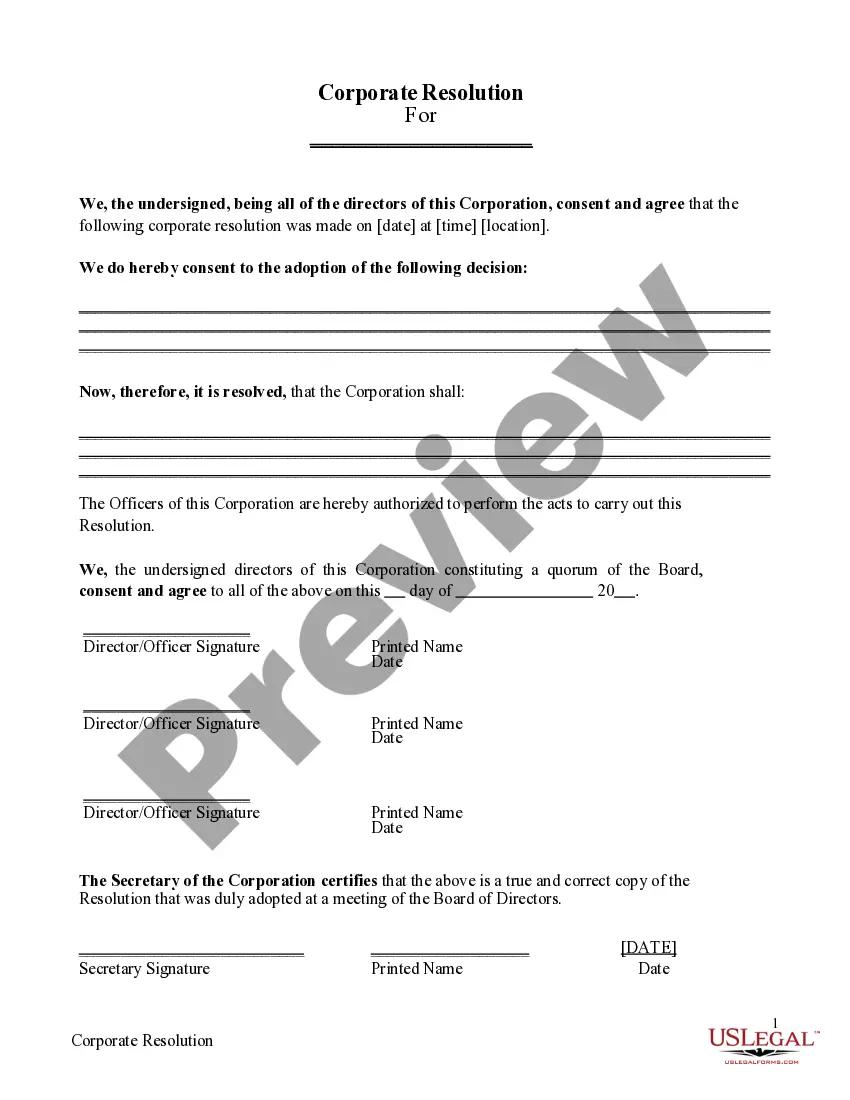
Get your form ready online
Our built-in tools help you complete, sign, share, and store your documents in one place.
Make edits, fill in missing information, and update formatting in US Legal Forms—just like you would in MS Word.
Download a copy, print it, send it by email, or mail it via USPS—whatever works best for your next step.
Sign and collect signatures with our SignNow integration. Send to multiple recipients, set reminders, and more. Go Premium to unlock E-Sign.
If this form requires notarization, complete it online through a secure video call—no need to meet a notary in person or wait for an appointment.
We protect your documents and personal data by following strict security and privacy standards.

Make edits, fill in missing information, and update formatting in US Legal Forms—just like you would in MS Word.

Download a copy, print it, send it by email, or mail it via USPS—whatever works best for your next step.

Sign and collect signatures with our SignNow integration. Send to multiple recipients, set reminders, and more. Go Premium to unlock E-Sign.

If this form requires notarization, complete it online through a secure video call—no need to meet a notary in person or wait for an appointment.

We protect your documents and personal data by following strict security and privacy standards.
Looking for another form?






Form popularity
FAQ
In Summary. Remember, Form 1120-S is for the corporate entity (your S Corp), while Form 1040 is for your personal taxes. To file your personal taxes, you need to first complete your S Corp tax return. You must file your business and personal returns separately.
How to Start an S Corp in Colorado Picking the right name for your business. Appointing a Colorado registered agent. Filing the Articles of Organization. Drafting an operating agreement. Registering your business with the Internal Revenue Service (IRS) and reviewing your tax responsibilities.
A domestic corporation must file Form 1120, U.S. Corporation Income Tax Return, whether it has taxable income or not, unless it's exempt from filing under section 501. A domestic corporation that is an S corporation must file Form 1120-S, U.S. Income Tax Return for an S corporation.
An easy way to remember the IRS rule is that corporations do not receive 1099 forms regardless of whether they are S or C corporations. Sole proprietors, partnerships, and unincorporated contractors do. You should also issue 1099-MISC forms for: Lawyer fees, even if the attorney is incorporated.
Use Form 1120-S to report the income, gains, losses, deductions, credits, etc., of a domestic corporation or other entity for any tax year covered by an election to be an S corporation.
Form 2553 is used by eligible small businesses to elect S-Corporation status for federal tax purposes.
S corporations use Form 1120S as an information return. S corporations must also prepare a form 10 K-1 for each shareholder to include with their individual returns.
Because of the one-class-of-stock restriction, an S corporation cannot allocate losses or income to specific shareholders. Allocation of income and loss is governed by stock ownership, unlike partnerships or LLCs taxed as partnerships where the allocation can be set in the partnership agreement or operating agreement.
Use Form 1120-S to report the income, gains, losses, deductions, credits, etc., of a domestic corporation or other entity for any tax year covered by an election to be an S corporation.
The official document companies distribute annually to shareholders. Annual reports include financial statements and highlights and a management discussion of the previous year. Companies often also add in some graphs and photos to give the document a more polished appearance.
