Trial Would Attorney Withdraw From Case In San Antonio
Description
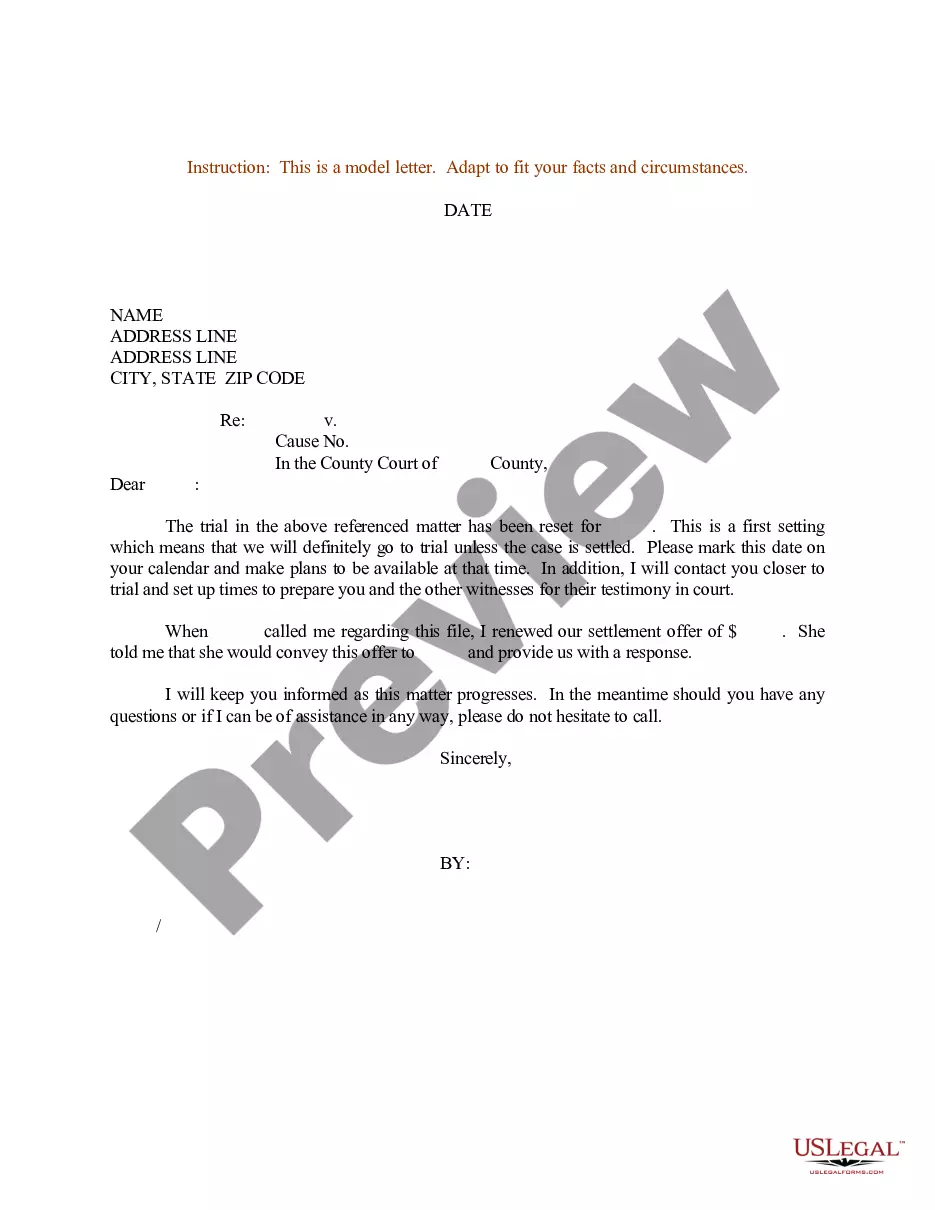
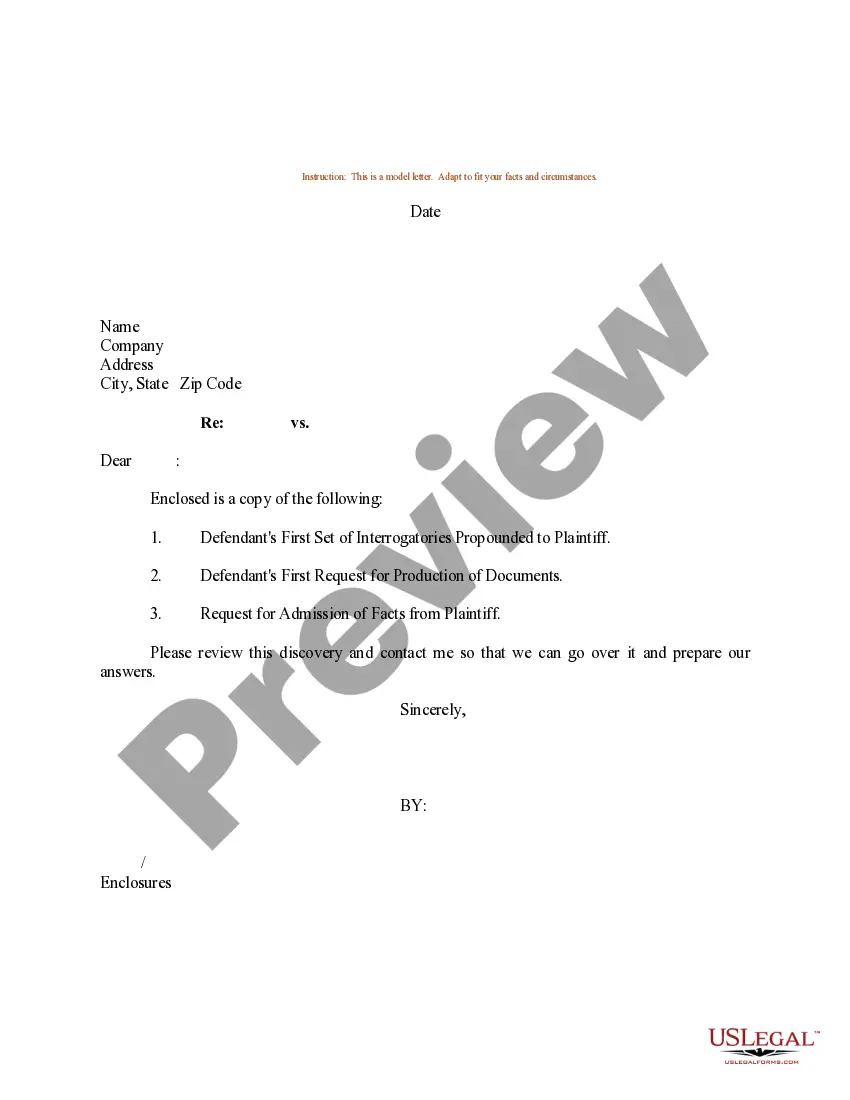
Get your form ready online
Our built-in tools help you complete, sign, share, and store your documents in one place.
Make edits, fill in missing information, and update formatting in US Legal Forms—just like you would in MS Word.
Download a copy, print it, send it by email, or mail it via USPS—whatever works best for your next step.
Sign and collect signatures with our SignNow integration. Send to multiple recipients, set reminders, and more. Go Premium to unlock E-Sign.
If this form requires notarization, complete it online through a secure video call—no need to meet a notary in person or wait for an appointment.
We protect your documents and personal data by following strict security and privacy standards.

Make edits, fill in missing information, and update formatting in US Legal Forms—just like you would in MS Word.

Download a copy, print it, send it by email, or mail it via USPS—whatever works best for your next step.

Sign and collect signatures with our SignNow integration. Send to multiple recipients, set reminders, and more. Go Premium to unlock E-Sign.

If this form requires notarization, complete it online through a secure video call—no need to meet a notary in person or wait for an appointment.

We protect your documents and personal data by following strict security and privacy standards.
Looking for another form?

Form popularity
FAQ
A participant can leave a research study at any time. When withdrawing from the study, the participant should let the research team know that they wish to withdraw. A participant may provide the research team with the reason(s) for leaving the study, but is not required to provide their reason.
A motion to dismiss must be: (a) filed within 60 days after the first pleading containing the challenged cause of action is served on the movant; (b) filed at least 21 days before the motion is heard; and (c) granted or denied within 45 days after the motion is filed.
In a Rule 11 agreement, you and the other parent can agree about things such as how medical, psychological, and educational decisions are made. This also includes determining where your child will live and which parent will be considered the custodial parent. See Texas Family Code chapter 153.
An attorney may withdraw from representing a party only upon written motion for good cause shown.
Rule 193.3(d) is a new provision that allows a party to assert a claim of privilege to material or information produced inadvertently without intending to waive the privilege. The provision is commonly used in complex cases to reduce costs and risks in large document productions.
The judge will allow an attorney to withdraw if they have a good reason. This rule is in Rule 10 of the Texas Rules of Civil Procedure. If a lawyer quits, they must notify you and provide any important documents and information.
Mandatory Withdrawal A lawyer ordinarily must decline employment if the employment will cause the lawyer to engage in conduct that the lawyer knows is illegal or that violates the Texas Disciplinary Rules of Professional Conduct.
Art. 1.051(c). A judge may appoint a lawyer to you the same day you are in court, or you may hear from your lawyer soon after they are appointed. You may not hear back from the court if your request for a lawyer was denied.