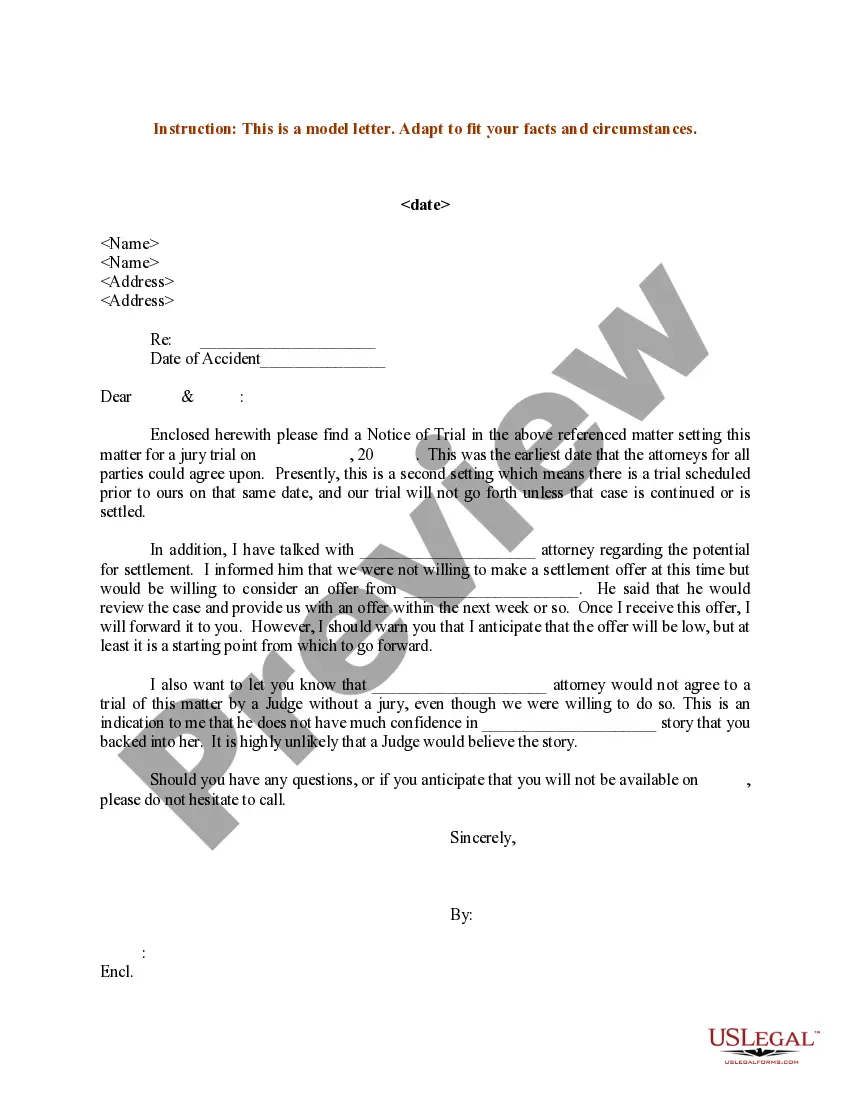
Trial Would Attorney Withdraw In Salt Lake
Description
Get your form ready online
Our built-in tools help you complete, sign, share, and store your documents in one place.
Make edits, fill in missing information, and update formatting in US Legal Forms—just like you would in MS Word.
Download a copy, print it, send it by email, or mail it via USPS—whatever works best for your next step.
Sign and collect signatures with our SignNow integration. Send to multiple recipients, set reminders, and more. Go Premium to unlock E-Sign.
If this form requires notarization, complete it online through a secure video call—no need to meet a notary in person or wait for an appointment.
We protect your documents and personal data by following strict security and privacy standards.

Make edits, fill in missing information, and update formatting in US Legal Forms—just like you would in MS Word.

Download a copy, print it, send it by email, or mail it via USPS—whatever works best for your next step.

Sign and collect signatures with our SignNow integration. Send to multiple recipients, set reminders, and more. Go Premium to unlock E-Sign.

If this form requires notarization, complete it online through a secure video call—no need to meet a notary in person or wait for an appointment.

We protect your documents and personal data by following strict security and privacy standards.
Looking for another form?



Form popularity
FAQ
Sharing losses gives other lawyers the courage to take on tough cases. It gives them the confidence to take cases to trial. It lets other lawyers know that losing doesn't make you a bad lawyer. It shows other people that you can lose a case and not care how other people may judge you.
Meet and discuss: Request a meeting with your attorney to discuss the reasons behind their desire to withdraw from the case. Resolve any issues: If the attorney's decision stems from an issue that can be resolved, such as non-payment of fees, explain your plan to rectify the problem.
The reason is that it creates a possible conflict of interest. The judge should not take a negative view of you just because your attorney has to now remove himself from the case. However, the judge may grant your request for an adjournment of the case but that is discretionary.
Voluntary withdrawal An attorney may voluntarily terminate the attorney-client relationship at any time and without reason, if this will not have a material adverse effect on the interests of the client.
Firing your lawyer during a trial is a significant decision with potential consequences that can impact the course of your case. If you decide to terminate your attorney, it is essential to communicate openly about your concerns, ensuring that you have valid reasons for the decision.
If your attorney's withdrawal is granted, you will need to seek new legal representation immediately. If you are facing a criminal case, it is critical to have a lawyer by your side as soon as possible.
The attorney may also seek to withdraw. This is to protect both the attorneys. And the client'sMoreThe attorney may also seek to withdraw. This is to protect both the attorneys. And the client's interests as continued representation under such conditions could be detrimental to the case. One.
Yes, with permission from the judge. Generally speaking, an attorney may request a withdrawal from a case at any time. The standard used by the judge in determining whether to grant it is whether the withdrawal would result in significant harm to the client's current matter.
The notice of withdrawal shall include the address of the attorney's client and a statement that no motion is pending and no hearing or trial has been set. If a motion is pending or a hearing or trial has been set, an attorney may not withdraw except upon motion and order of the court.
FDA recognizes that a subject may withdraw from a study; however, the withdrawal does not extend to the data already obtained during the time the subject was enrolled.