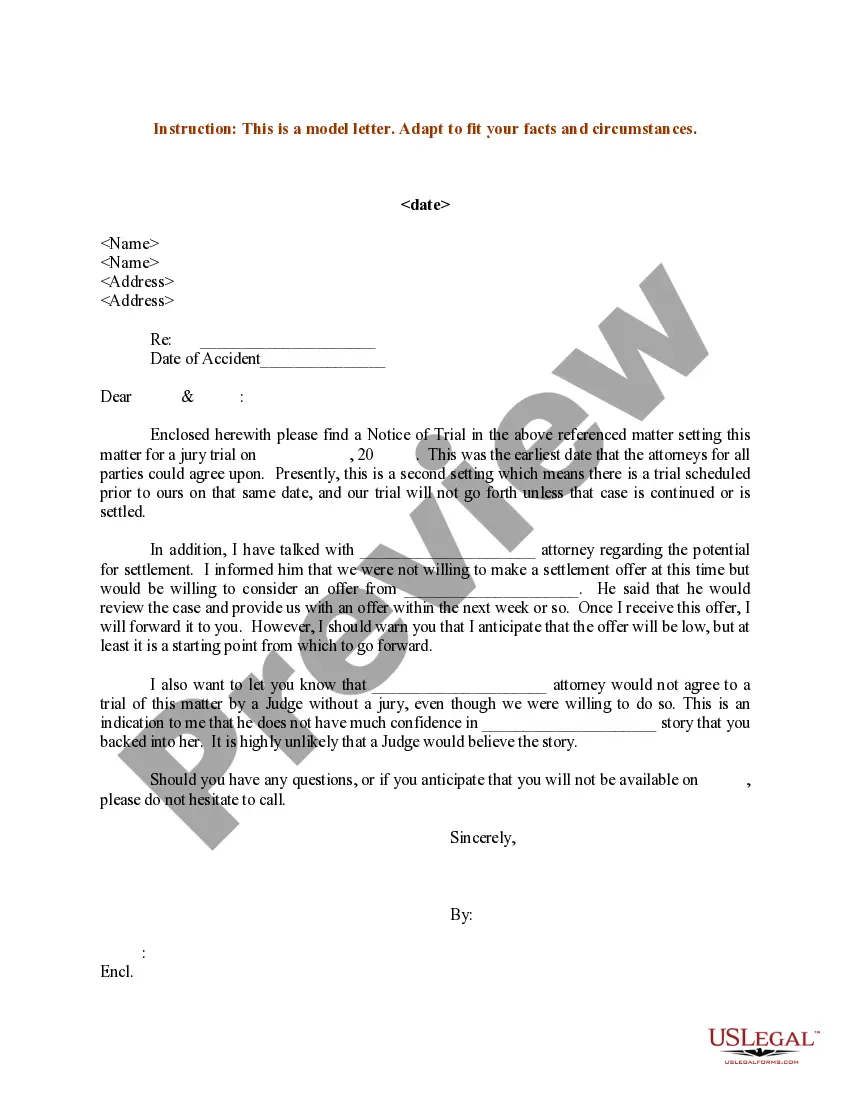
Trial Would Attorney Withdraw In Oakland
Description
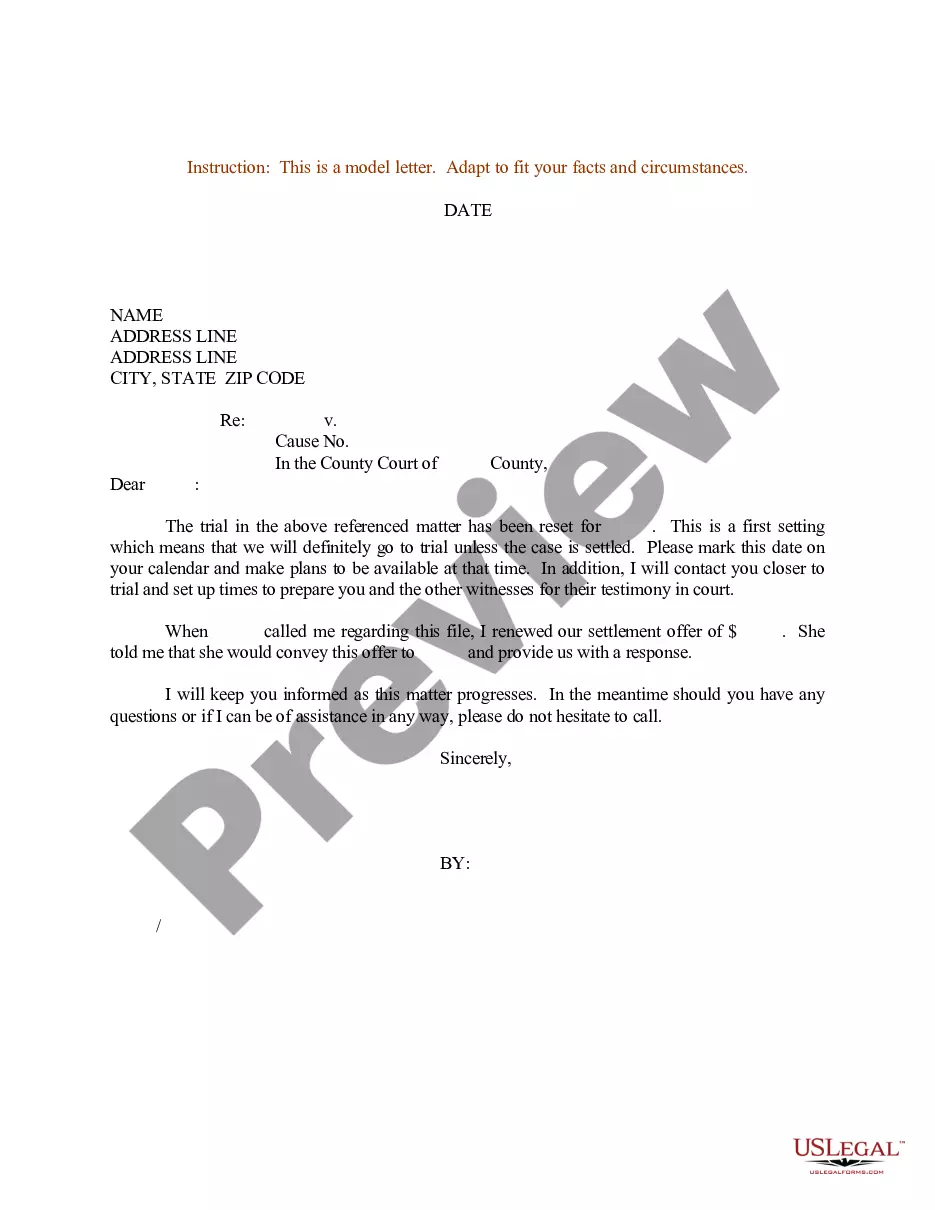
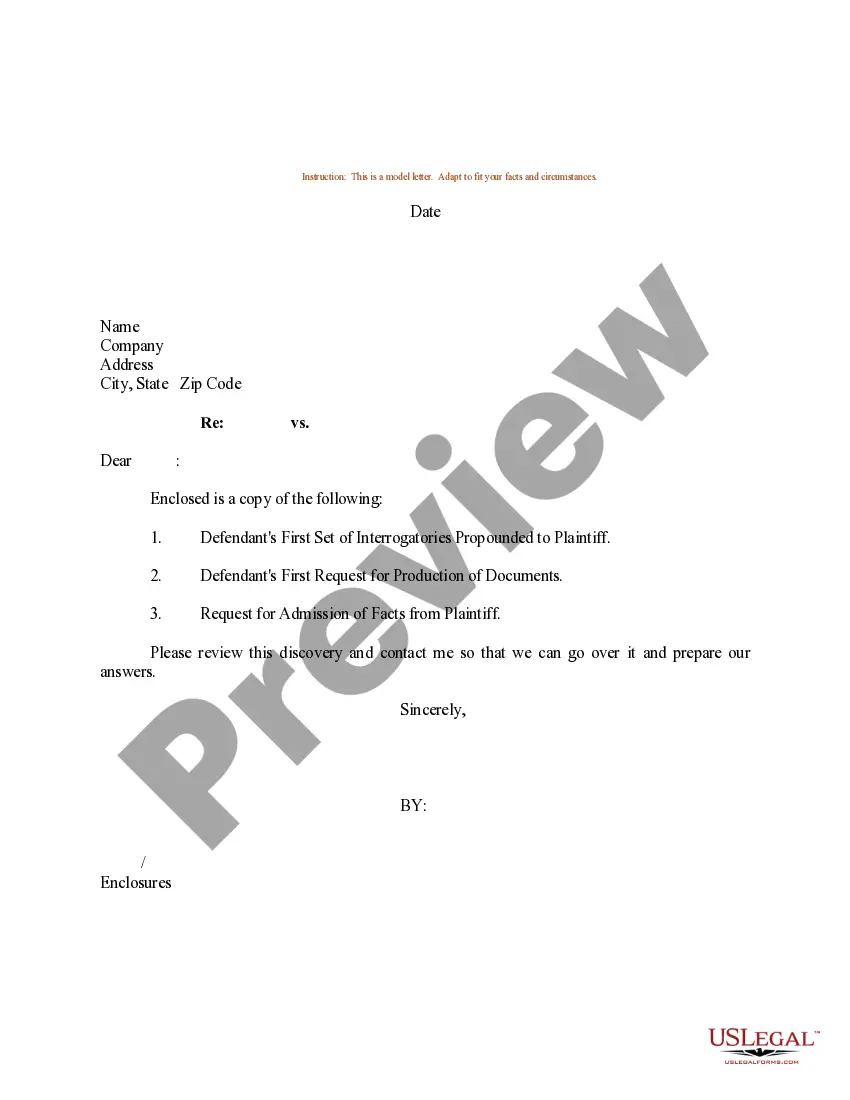
Get your form ready online
Our built-in tools help you complete, sign, share, and store your documents in one place.
Make edits, fill in missing information, and update formatting in US Legal Forms—just like you would in MS Word.
Download a copy, print it, send it by email, or mail it via USPS—whatever works best for your next step.
Sign and collect signatures with our SignNow integration. Send to multiple recipients, set reminders, and more. Go Premium to unlock E-Sign.
If this form requires notarization, complete it online through a secure video call—no need to meet a notary in person or wait for an appointment.
We protect your documents and personal data by following strict security and privacy standards.

Make edits, fill in missing information, and update formatting in US Legal Forms—just like you would in MS Word.

Download a copy, print it, send it by email, or mail it via USPS—whatever works best for your next step.

Sign and collect signatures with our SignNow integration. Send to multiple recipients, set reminders, and more. Go Premium to unlock E-Sign.

If this form requires notarization, complete it online through a secure video call—no need to meet a notary in person or wait for an appointment.

We protect your documents and personal data by following strict security and privacy standards.
Looking for another form?




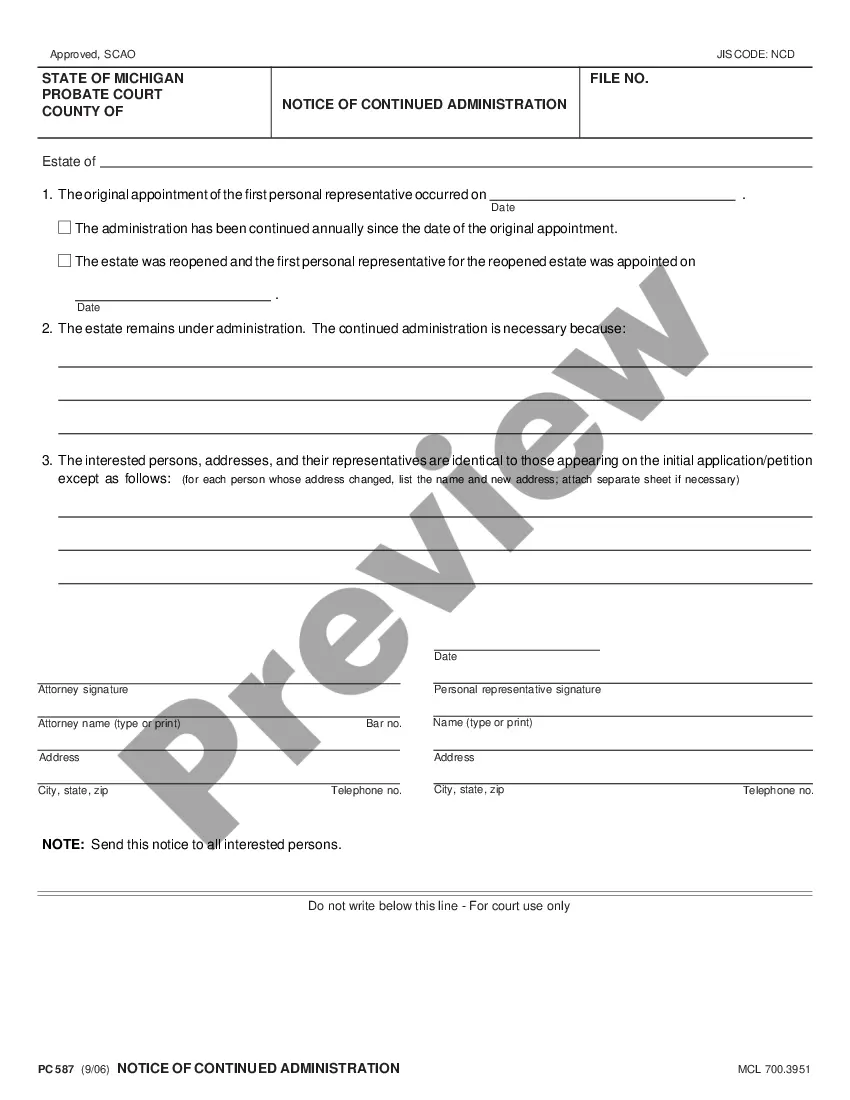



Form popularity
FAQ
This process is called "Consensual Substitution of Counsel." A new attorney may replace the current attorney. A new attorney may now represent a client who previously was a self-represented party.
The Rules of Conduct specify that an attorney may terminate a client relationship where the client (a) insists upon presenting a claim or defense not warranted under existing law and not supported by a good faith argument for extension, modification, or reversal of existing law; (b) seeks to pursue an illegal course of ...
A participant can leave a research study at any time. When withdrawing from the study, the participant should let the research team know that they wish to withdraw. A participant may provide the research team with the reason(s) for leaving the study, but is not required to provide their reason.
Q: How Long Should an Attorney Keep Client Files in California? A: Depending on the type of case, client files should be kept for 5-10 years. For civil cases, important papers or property should be kept for a minimum of five years after closing the case, ing to the California Rule of Professional Conduct.
4151. (a) A principal may revoke a power of attorney as follows: (1) In ance with the terms of the power of attorney. (2) By a writing. This paragraph is not subject to limitation in the power of attorney.
California defines “client papers and properties” and then notes two exceptions. California Rule of Professional Conduct 3-700(D)(1) defines “client papers and property” to include “correspondence, pleadings, deposition transcripts, exhibits, physical evidence, expert reports, and other items reasonably necessary to ...
In general, if your attorney has withdrawn, you would need to hire a new attorney or you would have to continue pro se.
Short answer: yes. More accurately: Lawyers can withdraw from representing a client (or “quit” representing the client) in a variety of situations. However, as a general rule, lawyers can't just “quit” any time they feel like doing so.
• If a participant no longer wishes to. remain in a study, that is considered. withdrawal of consent.