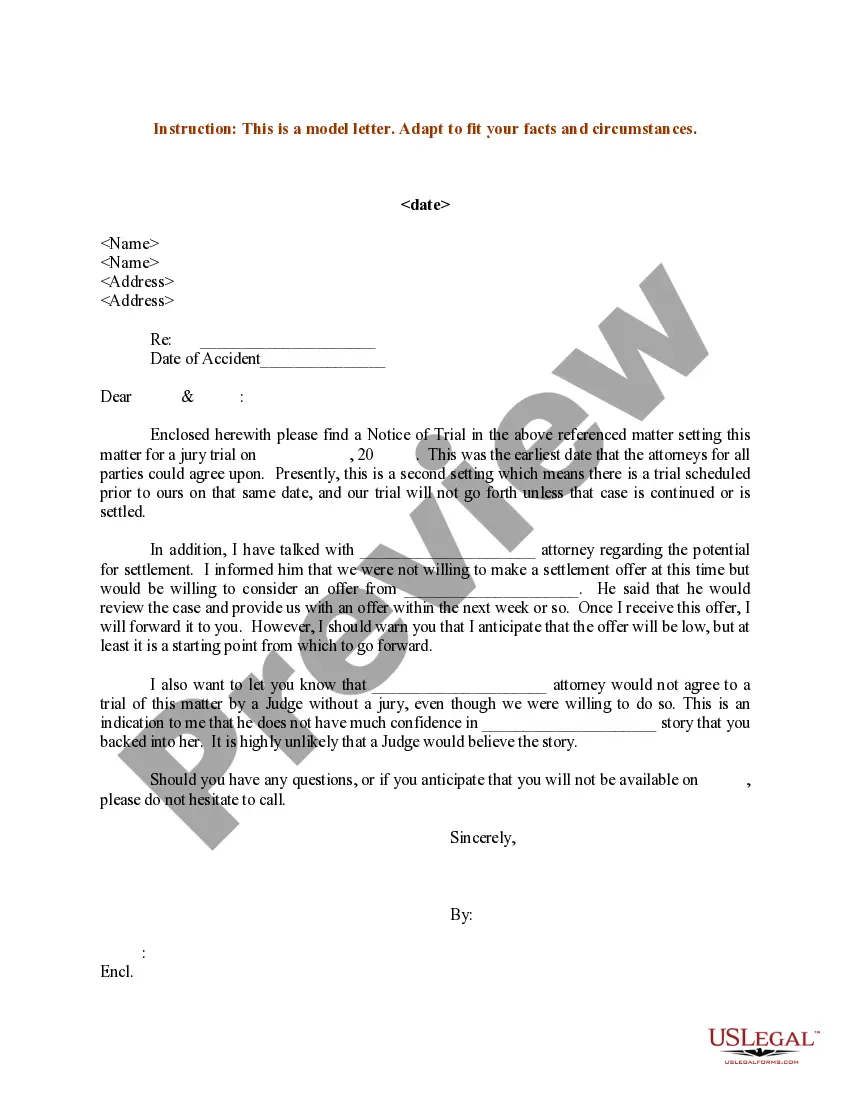
Trial Would Attorney Withdraw In Massachusetts
Description
Get your form ready online
Our built-in tools help you complete, sign, share, and store your documents in one place.
Make edits, fill in missing information, and update formatting in US Legal Forms—just like you would in MS Word.
Download a copy, print it, send it by email, or mail it via USPS—whatever works best for your next step.
Sign and collect signatures with our SignNow integration. Send to multiple recipients, set reminders, and more. Go Premium to unlock E-Sign.
If this form requires notarization, complete it online through a secure video call—no need to meet a notary in person or wait for an appointment.
We protect your documents and personal data by following strict security and privacy standards.

Make edits, fill in missing information, and update formatting in US Legal Forms—just like you would in MS Word.

Download a copy, print it, send it by email, or mail it via USPS—whatever works best for your next step.

Sign and collect signatures with our SignNow integration. Send to multiple recipients, set reminders, and more. Go Premium to unlock E-Sign.

If this form requires notarization, complete it online through a secure video call—no need to meet a notary in person or wait for an appointment.

We protect your documents and personal data by following strict security and privacy standards.
Looking for another form?








Form popularity
FAQ
If your concerns are not resolved or if you have made the decision to terminate your attorney, you will need to provide a termination notice. This can be done through a formal written letter, clearly stating that you are terminating their services and the reasons behind your decision.
A lawyer ordinarily must decline or withdraw from representation if the client demands that the lawyer engage in conduct that is illegal or violates the Rules of Professional Conduct or other law.
See Local Rules 7.1, 56.1. 3. Reply: The moving party may file a reply as of right within seven (7) days of the filing of the opposition, except as to motions for summary judgment, where a reply may be filed within fourteen (14) days after the opposition is served. A reply shall not exceed ten (10) pages.
A lawyer ordinarily must decline or withdraw from representation if the client demands that the lawyer engage in conduct that is illegal or violates the Rules of Professional Conduct or other law.
Lawyers can withdraw if their client refuses to be truthful, refuses to accept the attorney's advice, demands an unethical course of action, seeks unrealistic results, wishes to deceive the Court, refuses to comply with their counsel, and a variety of other reasons.
An attorney may, without leave of court, withdraw from a case by filing written notice of withdrawal, together with proof of service on his client and all other parties, provided that (1) such notice is accompanied by the appearance of successor counsel; (2) no motions are then pending before the court; and (3) no ...
If your concerns are not resolved or if you have made the decision to terminate your attorney, you will need to provide a termination notice. This can be done through a formal written letter, clearly stating that you are terminating their services and the reasons behind your decision.