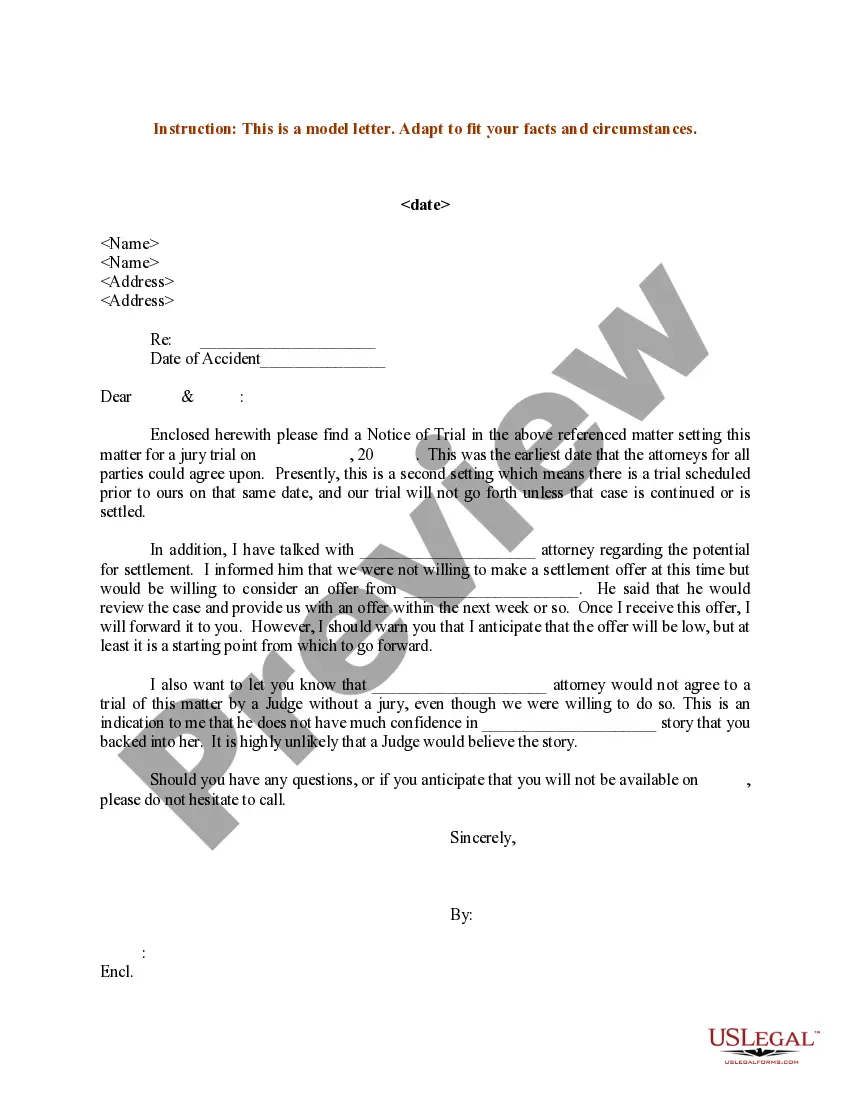
Trial Would Attorney Withdraw From A Custody Case In Maricopa
Description
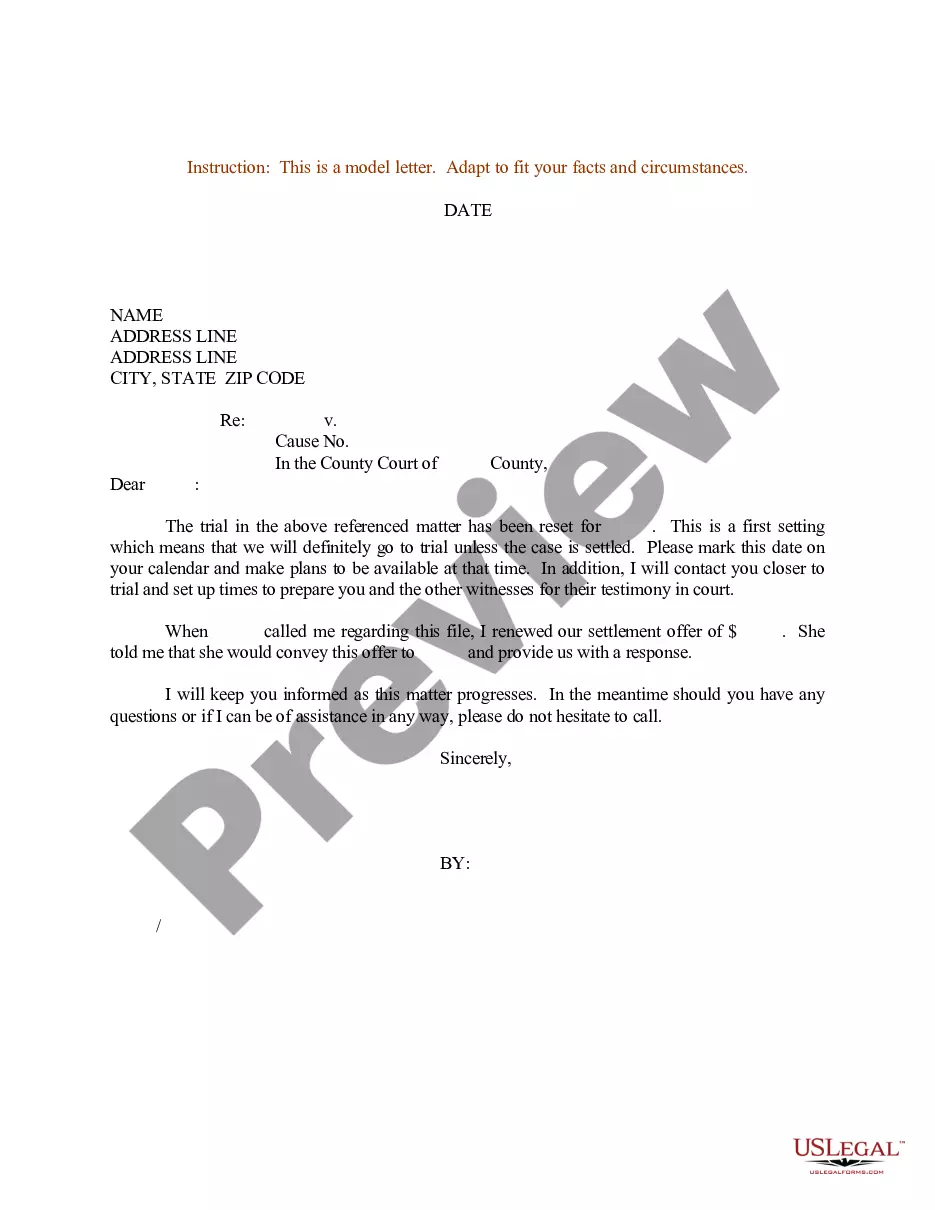
Get your form ready online
Our built-in tools help you complete, sign, share, and store your documents in one place.
Make edits, fill in missing information, and update formatting in US Legal Forms—just like you would in MS Word.
Download a copy, print it, send it by email, or mail it via USPS—whatever works best for your next step.
Sign and collect signatures with our SignNow integration. Send to multiple recipients, set reminders, and more. Go Premium to unlock E-Sign.
If this form requires notarization, complete it online through a secure video call—no need to meet a notary in person or wait for an appointment.
We protect your documents and personal data by following strict security and privacy standards.

Make edits, fill in missing information, and update formatting in US Legal Forms—just like you would in MS Word.

Download a copy, print it, send it by email, or mail it via USPS—whatever works best for your next step.

Sign and collect signatures with our SignNow integration. Send to multiple recipients, set reminders, and more. Go Premium to unlock E-Sign.

If this form requires notarization, complete it online through a secure video call—no need to meet a notary in person or wait for an appointment.

We protect your documents and personal data by following strict security and privacy standards.
Looking for another form?










Form popularity
FAQ
Custody Battle Blunders: Top 10 Mistakes To Avoid Negative Speech About The Other Parent. Seeking Sympathy From The Child. Poor Communication With The Other Parent. Unjustifiably Withholding Access With The Other Parent. Misrepresenting Substance Abuse. Separating Siblings In Blended Families.
If a married couple separates but does not file for legal separation or divorce, both parents would still share physical and legal custody. Each parent would have just as much right to take the child as they did before the separation.
A document that starts a case in which the person filing is asking the court to punish the other party for violating a court order.
Picking good witnesses, like family, coaches, doctors, social workers, psychologists, counselors, or the kids' school personnel, can help a lot. They can tell the court about the kids' circumstances and what's in their best interest.
Mothers historically have won more custody battles due to traditional roles and perceptions of mothers as the primary caregivers.
Lawyers can withdraw based on the fact their client refuses to be truthful, refuses to follow the attorney's advice, demands to pursue an unethical course of action, demands unrealistic results, desires to mislead the Court, refuses to cooperate with their counsel as well as countless other reasons.
If you no longer want to continue with your custody and visitation case, you can file a motion asking the judge to dismiss it. However, if the other parent has already come to court or filed legal papers in the case, both you and the other parent must sign the motion for dismissal.
If the withdrawing attorney does not have co-counsel or replacement counsel, he or she must seek the court's approval to withdraw. The rule requires that a motion to withdraw be filed and served on the client and other parties of record.
The general rule in child custody cases is that each party pays for their own attorney's fees. However, in child custody cases in Arizona, the court has the authority to award attorney fees in certain circumstances.
To withdraw a petition, you must submit a signed written statement requesting that the petition be withdrawn and explaining the reason to NVC using our Public Inquiry Form.