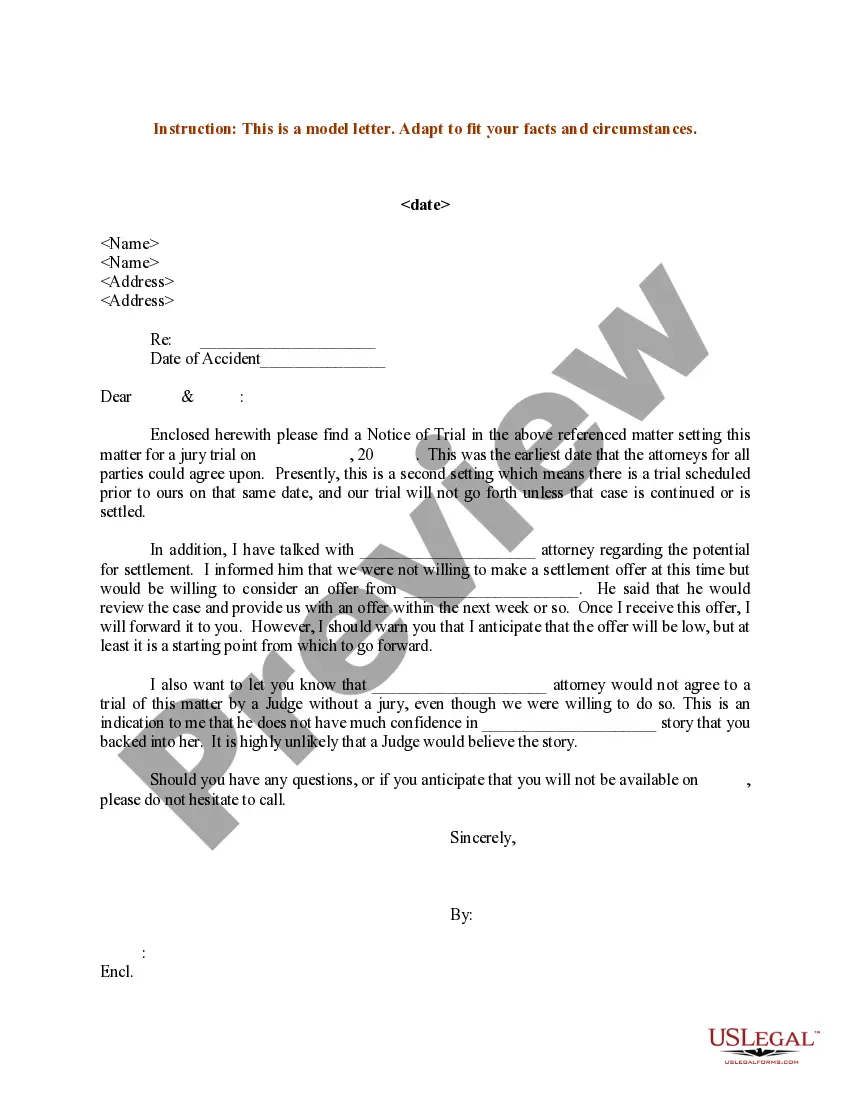
Trial Would Attorney Withdraw From A Divorce Case In Hennepin
Description
Get your form ready online
Our built-in tools help you complete, sign, share, and store your documents in one place.
Make edits, fill in missing information, and update formatting in US Legal Forms—just like you would in MS Word.
Download a copy, print it, send it by email, or mail it via USPS—whatever works best for your next step.
Sign and collect signatures with our SignNow integration. Send to multiple recipients, set reminders, and more. Go Premium to unlock E-Sign.
If this form requires notarization, complete it online through a secure video call—no need to meet a notary in person or wait for an appointment.
We protect your documents and personal data by following strict security and privacy standards.

Make edits, fill in missing information, and update formatting in US Legal Forms—just like you would in MS Word.

Download a copy, print it, send it by email, or mail it via USPS—whatever works best for your next step.

Sign and collect signatures with our SignNow integration. Send to multiple recipients, set reminders, and more. Go Premium to unlock E-Sign.

If this form requires notarization, complete it online through a secure video call—no need to meet a notary in person or wait for an appointment.

We protect your documents and personal data by following strict security and privacy standards.
Looking for another form?





Form popularity
FAQ
The introduction of the no-fault divorce law in April 2022 facilitates this, with the minimum time to apply for a final divorce order being about 26 weeks. But, when one spouse is not ready to move on, the spouse can drag out the divorce process beyond this period, even up to a year or more.
Conflict out is a verb that means to disqualify a lawyer or judge from a case because of a conflict of interest. For example, if a judge had previously represented one of the parties involved in a case, they would be conflicted out of that case.
Grey divorce is the demographic trend of an increasing divorce rate for older ("grey-haired") couples in long-lasting marriages, a term typically used for people over 50. Those who divorce may be called silver splitters. Divorcing late in life can cause financial difficulties.
A withdrawn divorce occurs when a divorce petition is dismissed in court, and the couple decides to stay legally married. Divorces can take time, and complicated or contested divorces usually take over a year to fully establish and finalize.
Legally, the final stage is when the judge signs and issues the final decree and the decree is filed by the clerk of the court. Practically speaking, the final stage is when the parties carry out the orders, if any, required by the divorce decree, such as transferring property and making any payments.
Minnesota Divorce Laws: At a Glance Either you or your spouse must live in-state for at least 180 days to file for a dissolution of marriage. The good news is that there's no waiting period. The courts will start divorce proceedings once your spouse has a chance to respond to your complaint and summons.
In Minnesota, a contested divorce is when you and your spouse cannot agree on resolving issues like child custody, property division, and spousal support. When your divorce is contested, it's best to seek legal advice to protect yourself and your children.
Minnesota has a "no-fault" divorce law. You do not need to prove a spouse did something wrong to get a divorce. You just need to say that there is an “irretrievable breakdown of the marriage.” This means that there is no hope that you and your spouse will want to live together again as spouses.
After the court enters the judgment, the parties must wait 90 days until the divorce becomes absolute. In other words, it can take at least 270 days before you can remarry.
Are Family Court Records Available to the Public in Minnesota? Most of the records of Minnesota Family Courts are publicly available. These include case information, court transcripts, and administrative records.