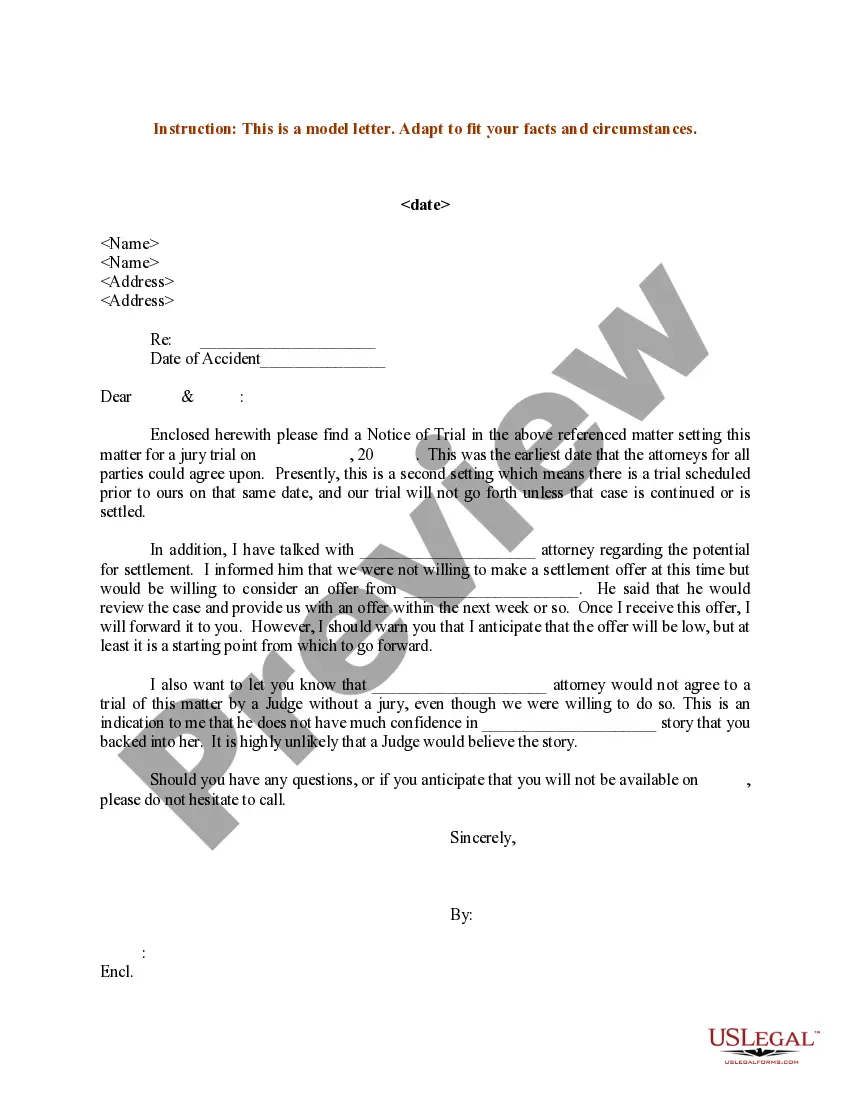
Trial Would Attorney Withdraw From A Divorce Case In Arizona
Description
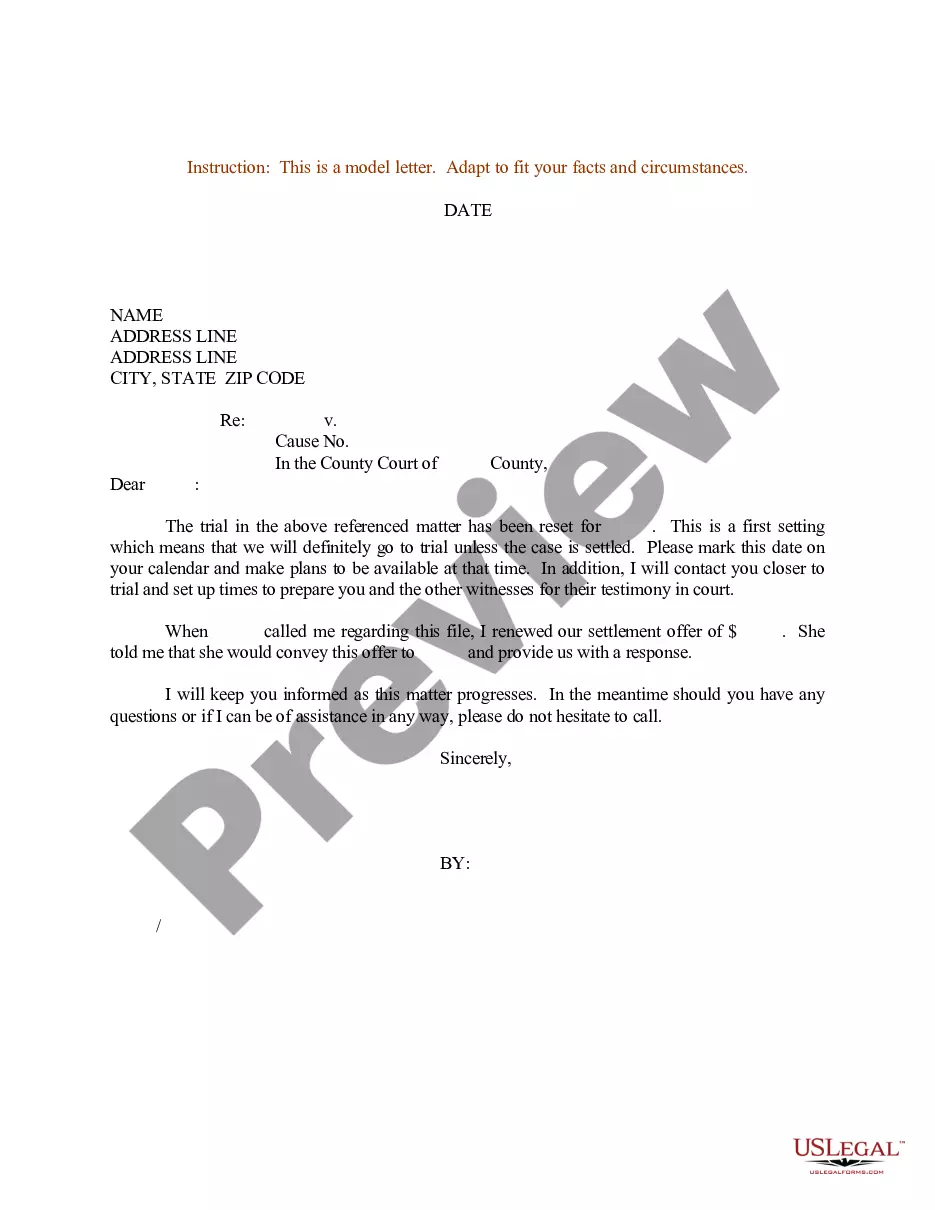
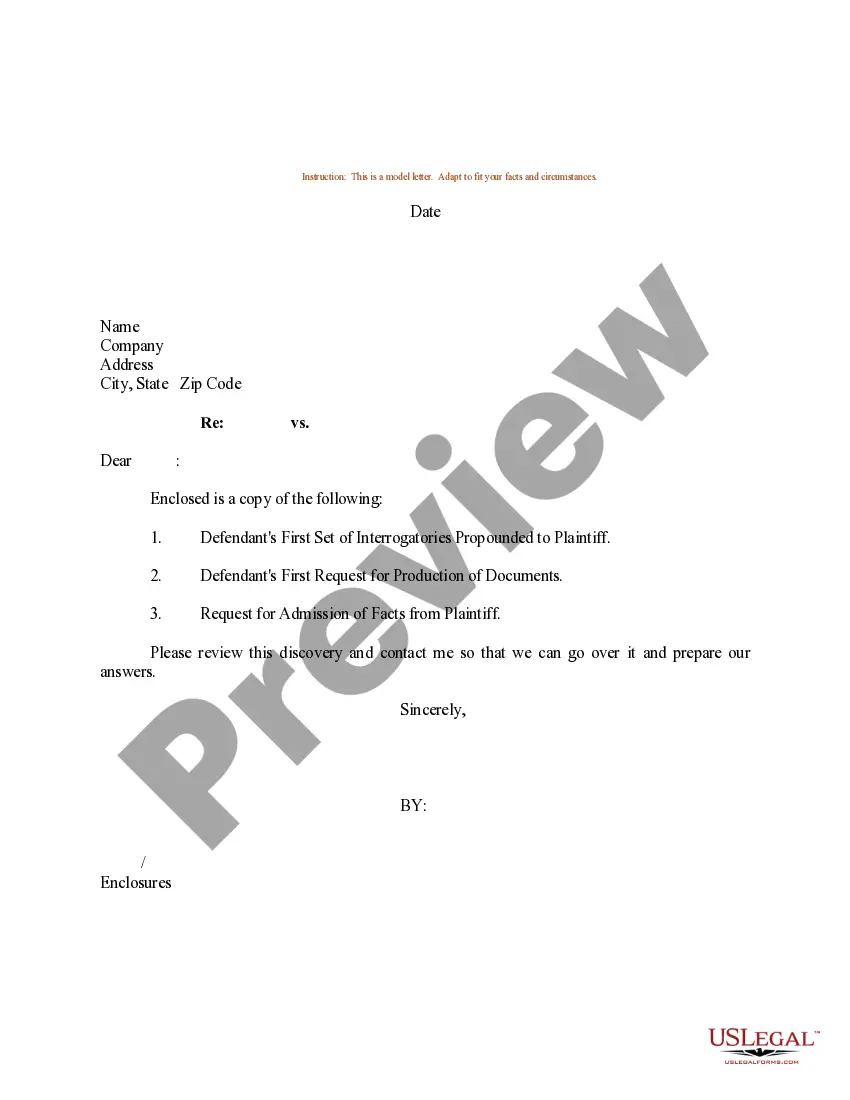
Get your form ready online
Our built-in tools help you complete, sign, share, and store your documents in one place.
Make edits, fill in missing information, and update formatting in US Legal Forms—just like you would in MS Word.
Download a copy, print it, send it by email, or mail it via USPS—whatever works best for your next step.
Sign and collect signatures with our SignNow integration. Send to multiple recipients, set reminders, and more. Go Premium to unlock E-Sign.
If this form requires notarization, complete it online through a secure video call—no need to meet a notary in person or wait for an appointment.
We protect your documents and personal data by following strict security and privacy standards.

Make edits, fill in missing information, and update formatting in US Legal Forms—just like you would in MS Word.

Download a copy, print it, send it by email, or mail it via USPS—whatever works best for your next step.

Sign and collect signatures with our SignNow integration. Send to multiple recipients, set reminders, and more. Go Premium to unlock E-Sign.

If this form requires notarization, complete it online through a secure video call—no need to meet a notary in person or wait for an appointment.

We protect your documents and personal data by following strict security and privacy standards.
Looking for another form?





Form popularity
FAQ
Personal Reasons: The attorney may have personal issues, health problems, or changes in their practice that necessitate withdrawal. Inability to Provide Adequate Representation: If the attorney feels they can no longer adequately represent the client due to changes in the case or other circumstances, they may withdraw.
Lawyers can withdraw based on the fact their client refuses to be truthful, refuses to follow the attorney's advice, demands to pursue an unethical course of action, demands unrealistic results, desires to mislead the Court, refuses to cooperate with their counsel as well as countless other reasons.
A form disengagement letter (also known as a withdrawal letter or a termination of engagement letter) sent by an attorney or law firm to a client when withdrawing from representation in a litigation matter.
What does a closed court case. Mean. If you've ever wondered what happens in a closed court case youMoreWhat does a closed court case. Mean. If you've ever wondered what happens in a closed court case you're not alone. Let's break it down to understand this important aspect of the legal.
Yes, with permission from the judge. Generally speaking, an attorney may request a withdrawal from a case at any time. The standard used by the judge in determining whether to grant it is whether the withdrawal would result in significant harm to the client's current matter.
The lawyer should send a disengagement letter to establish that the relationship is no longer continuing, and to refer the client to another lawyer. In the disengagement letter, the lawyer should warn the client of applicable time limitations, deadlines, and uncompleted investigation or casework.
Disbarment, also known as striking off, is the removal of a lawyer from a bar association or the practice of law, thus revoking their law license or admission to practice law. Disbarment is usually a punishment for unethical or criminal conduct but may also be imposed for incompetence or incapacity.
Generally, it should not affect the client's case, unless the firing occurs in open court with lots of yelling/cursing/bad behavior. When the client's second, third, or more attorney withdraws from the case, that is an indication of a difficult situation.
Withdrawal from representation, in United States law, occurs where an attorney terminates a relationship of representing a client. There are two types of withdrawal: mandatory and voluntary.
The length of time that a divorce takes in Arizona varies from couple to couple. The typical uncontested divorce in Arizona usually takes 90 to 120 days to complete. The shortest amount of time that it can take is 60 days, but some contested divorces can end up taking several years to be finalized.