Waiver Form For Motorcycle Rides In Middlesex
Description
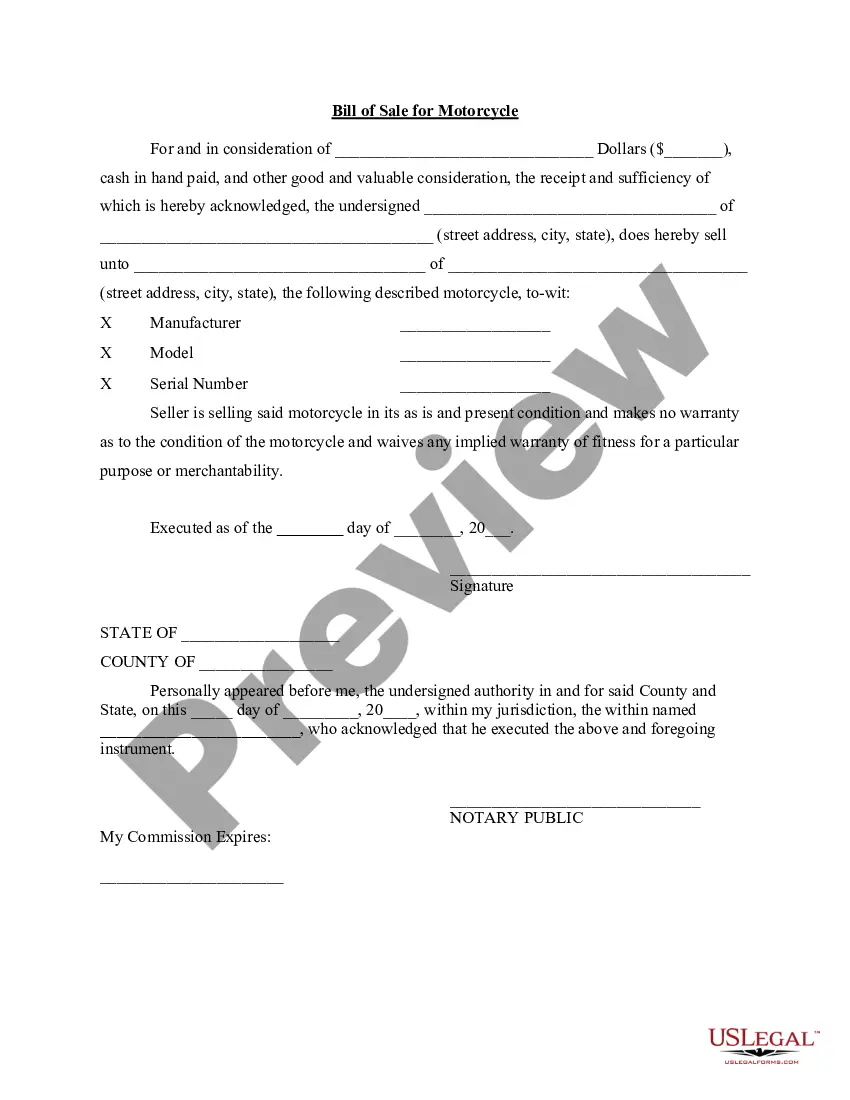
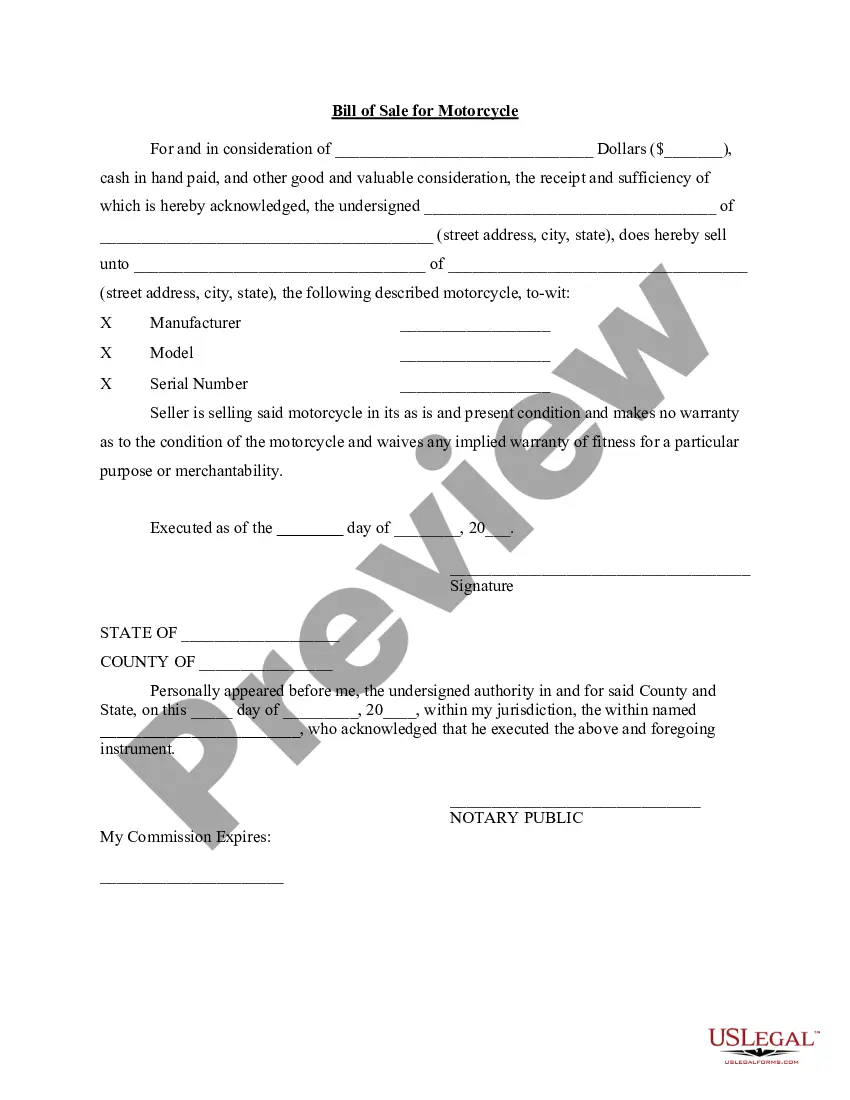
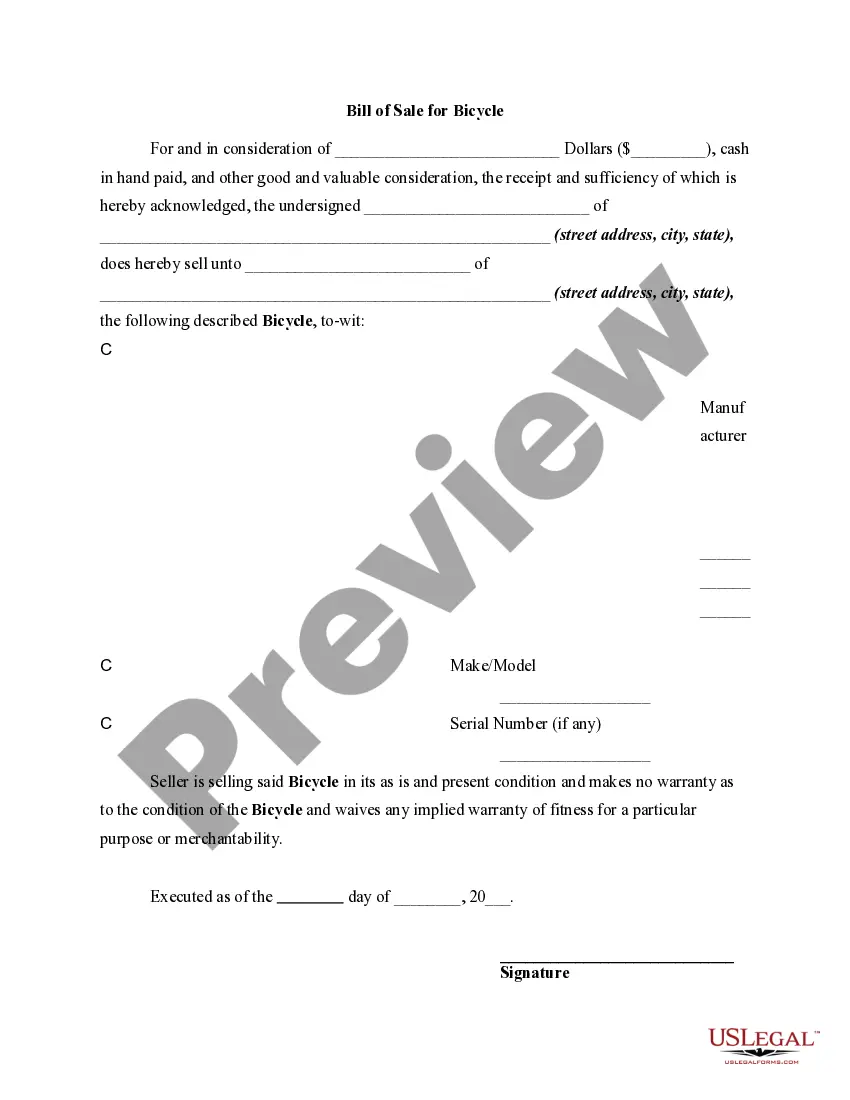
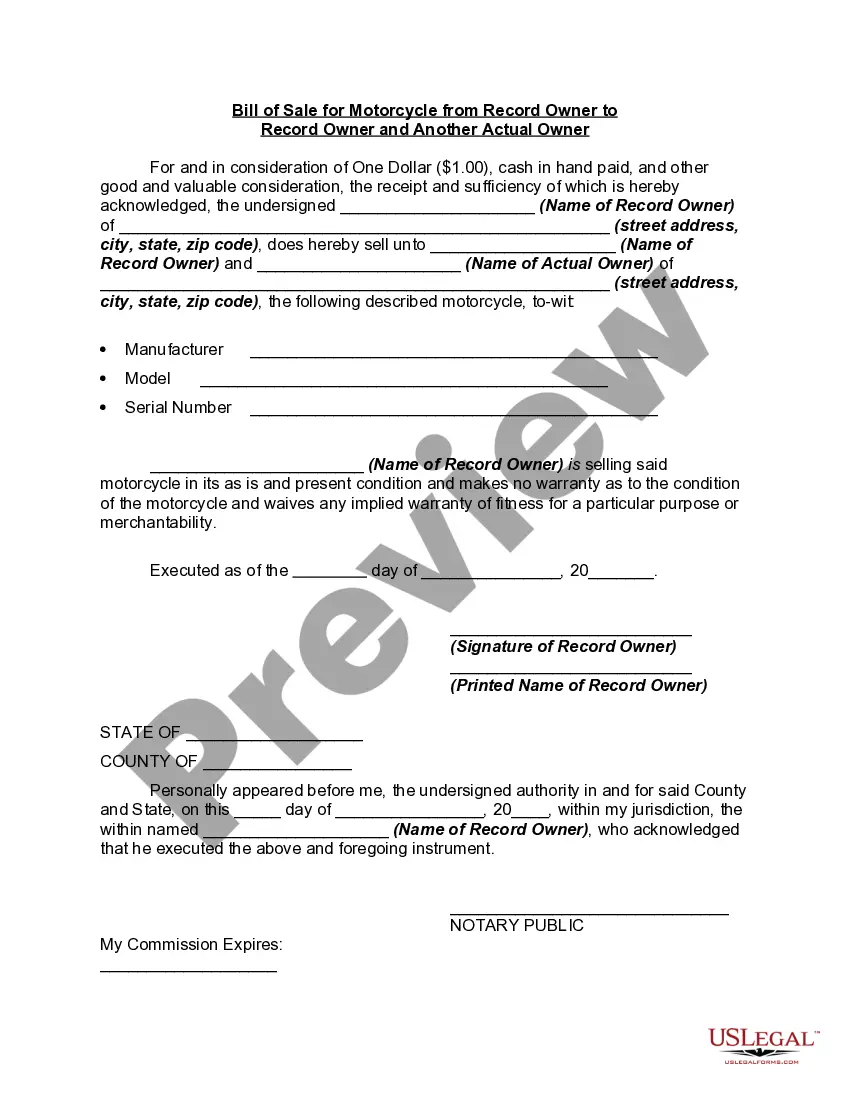
Get your form ready online
Our built-in tools help you complete, sign, share, and store your documents in one place.
Make edits, fill in missing information, and update formatting in US Legal Forms—just like you would in MS Word.
Download a copy, print it, send it by email, or mail it via USPS—whatever works best for your next step.
Sign and collect signatures with our SignNow integration. Send to multiple recipients, set reminders, and more. Go Premium to unlock E-Sign.
If this form requires notarization, complete it online through a secure video call—no need to meet a notary in person or wait for an appointment.
We protect your documents and personal data by following strict security and privacy standards.

Make edits, fill in missing information, and update formatting in US Legal Forms—just like you would in MS Word.

Download a copy, print it, send it by email, or mail it via USPS—whatever works best for your next step.

Sign and collect signatures with our SignNow integration. Send to multiple recipients, set reminders, and more. Go Premium to unlock E-Sign.

If this form requires notarization, complete it online through a secure video call—no need to meet a notary in person or wait for an appointment.

We protect your documents and personal data by following strict security and privacy standards.
Looking for another form?








Form popularity
FAQ
The Basic Rider course is $240. Other motorcycle rider courses are $150. All fees are non-refundable.
BASIC RIDER COURSE (BRC) This course is required to apply for a Connecticut Motorcycle License. Motorcycles will be supplied. Class size is limited to 12 riders. Instructional time: (5) hours of classroom instruction, (3) hours of online self-guided eCourse, and (10) hours of range training.
Motorcycles must have at least one rearview mirror to operate on public roads in New Jersey.
The Basic Rider course is $240. Other motorcycle rider courses are $150.
The State of Connecticut: Requires new riders to pass a basic riding and safety program before they get a motorcycle license.
Key Takeaways On How To Write A Waiver Choose a waiver template. Determine the type of activity or service. State the purpose of the waiver. Identify the risks. Include a title. Include customer information. Include waiver terms. Include a statement of understanding.
How to write a waiver Introductory statement. The introductory statement of a waiver serves to clarify its purpose and the parties involved. Summary of risks. Assumption of risks. Release clause. Indemnification clause. Governing law. Consent and signature.
A A letter on the company/institution's letterhead signed by the employer, citing the requirements to be waived and a motivation for each requirement. A copy of the applicant's curriculum vitae & job description. A readable copy of the applicant's passport and all temporary residence permits affixed therein.
