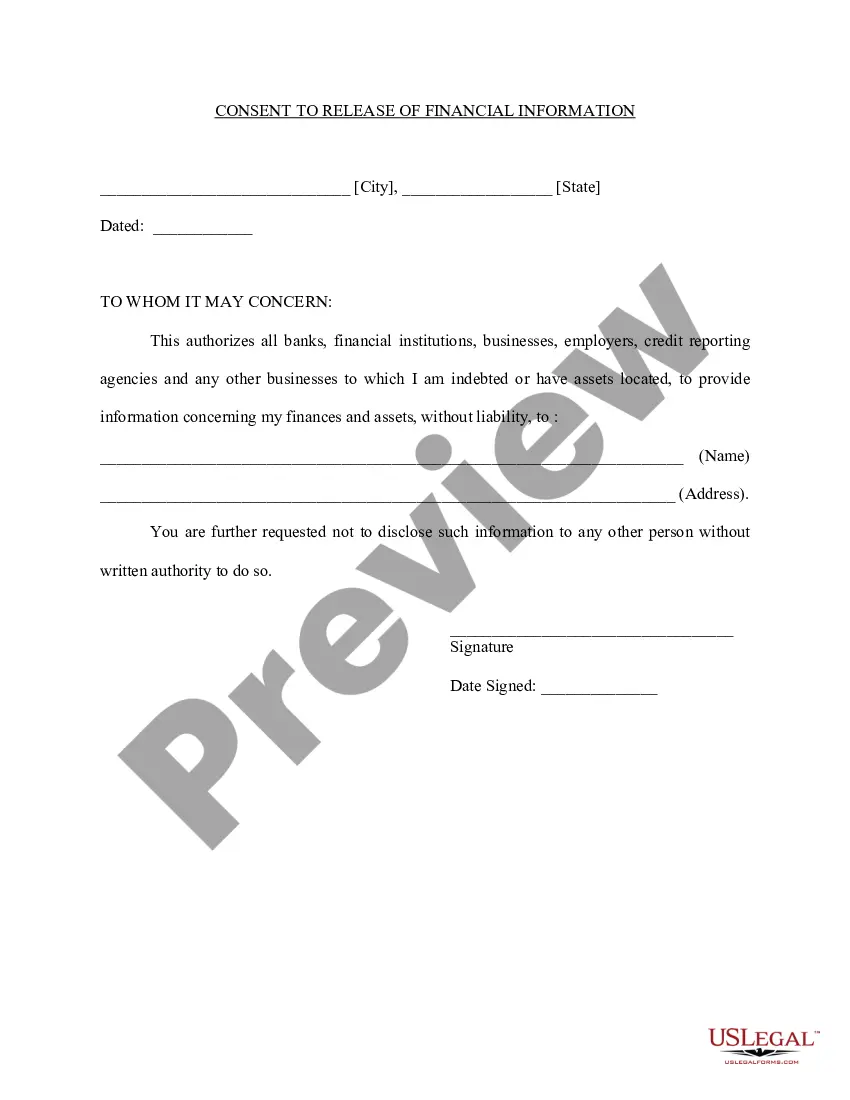
Medical Information Release Consent Form In Wayne
Description

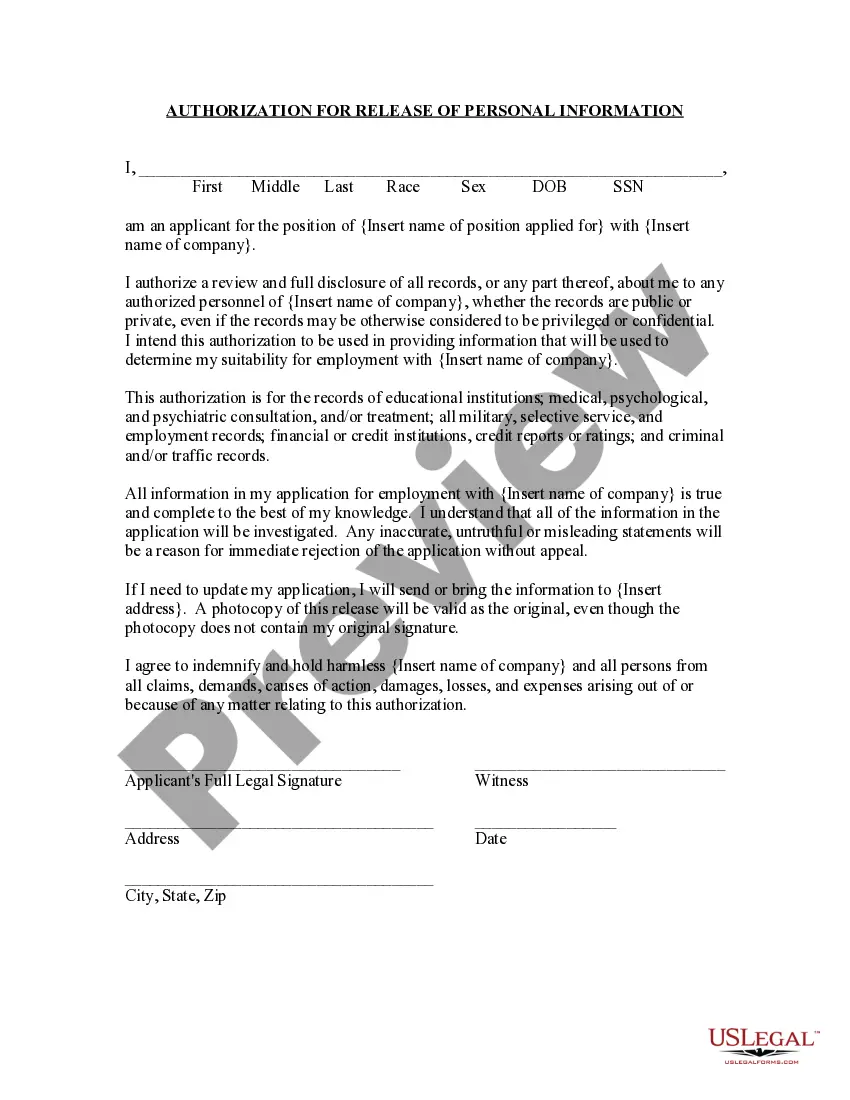
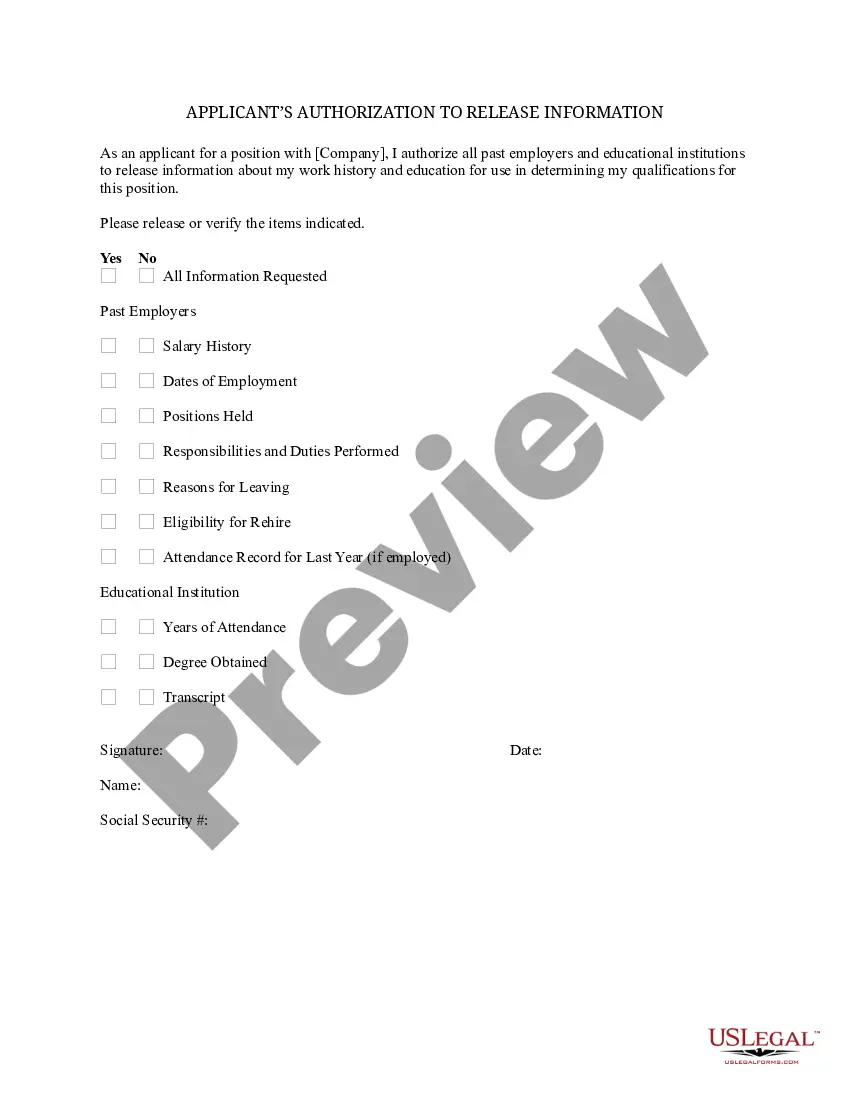
Get your form ready online
Our built-in tools help you complete, sign, share, and store your documents in one place.
Make edits, fill in missing information, and update formatting in US Legal Forms—just like you would in MS Word.
Download a copy, print it, send it by email, or mail it via USPS—whatever works best for your next step.
Sign and collect signatures with our SignNow integration. Send to multiple recipients, set reminders, and more. Go Premium to unlock E-Sign.
If this form requires notarization, complete it online through a secure video call—no need to meet a notary in person or wait for an appointment.
We protect your documents and personal data by following strict security and privacy standards.

Make edits, fill in missing information, and update formatting in US Legal Forms—just like you would in MS Word.

Download a copy, print it, send it by email, or mail it via USPS—whatever works best for your next step.

Sign and collect signatures with our SignNow integration. Send to multiple recipients, set reminders, and more. Go Premium to unlock E-Sign.

If this form requires notarization, complete it online through a secure video call—no need to meet a notary in person or wait for an appointment.

We protect your documents and personal data by following strict security and privacy standards.
Looking for another form?








Form popularity
FAQ
How do I fill out a HIPAA release form? Provide instructions. Name the patient and individual authorized to use or disclose their PHI. Describe the information. Specify recipients. Specify the purpose of disclosure. Specify the time period. Detail their revocation rights. Obtain the patient's signature.
A HIPAA release form is a document that – when signed – allows healthcare providers to share a patient's protected health information (PHI) with specified individuals or organizations, ing to the details stipulated in the form.
Notarization and/or a witness' signature is sometimes required for court or legal related releases. For all other releases, the patient's or designated representative's signature is sufficient and notarization and/or a witness signature is not required. 4.
Content for a valid authorization includes: The name of the person or entity authorized to make the request (usually the patient) The complete name of the person or entity to receive the protected health information (PHI) A specific description of the information to be used or disclosed, including the dates of service.
You may be able to request your record through your provider's patient portal. You may have to fill out a form — called a health or medical record release form, or request for access—send an email, or mail or fax a letter to your provider.
Personal health record (PHR) Electronic medical record (EMR)
Release of Information Authorization Under the HIPAA Privacy Rule, when a release of information is intended for purposes other than medical treatment, healthcare operations, or payment, you'll need to sign an authorization for ROI.
Some of these include the following elements: Address the letter to the intended person to whom it is submitted. It should have a formal and polite approach. Have a point or purpose when writing the professional letter. Explain briefly but thoroughly the details for such a medical letter.