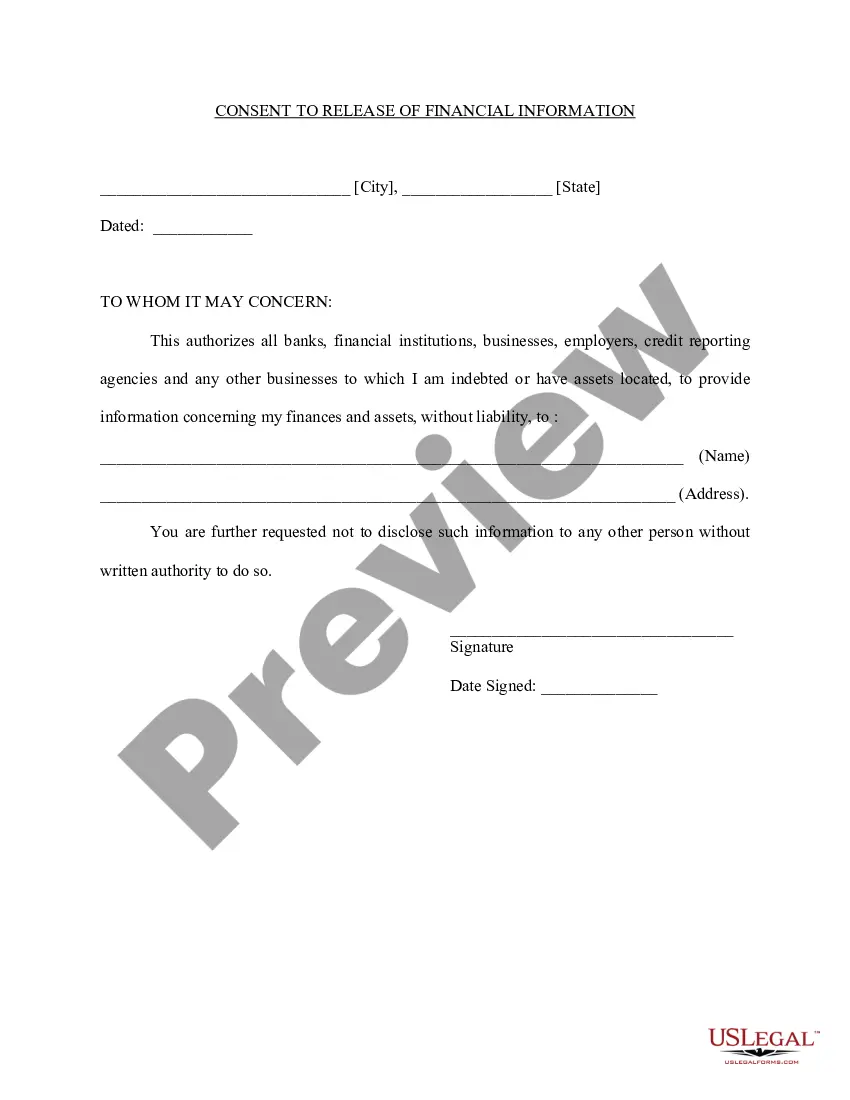
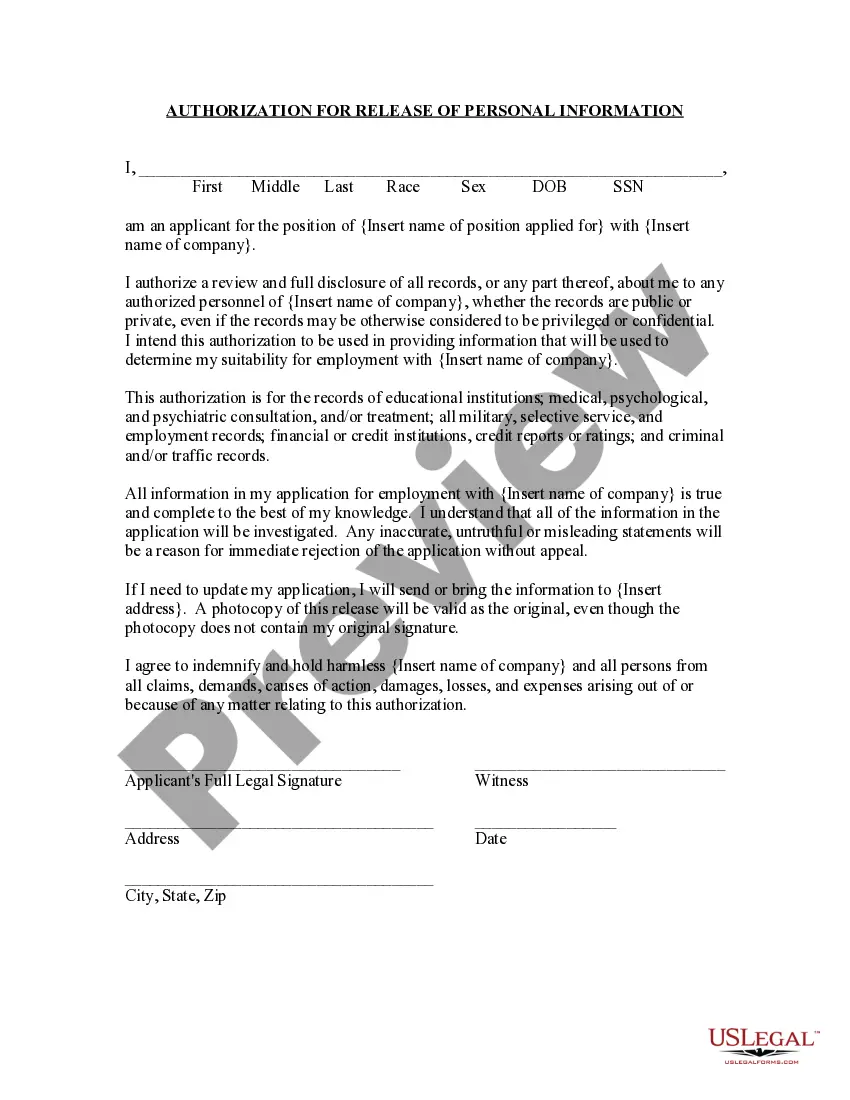
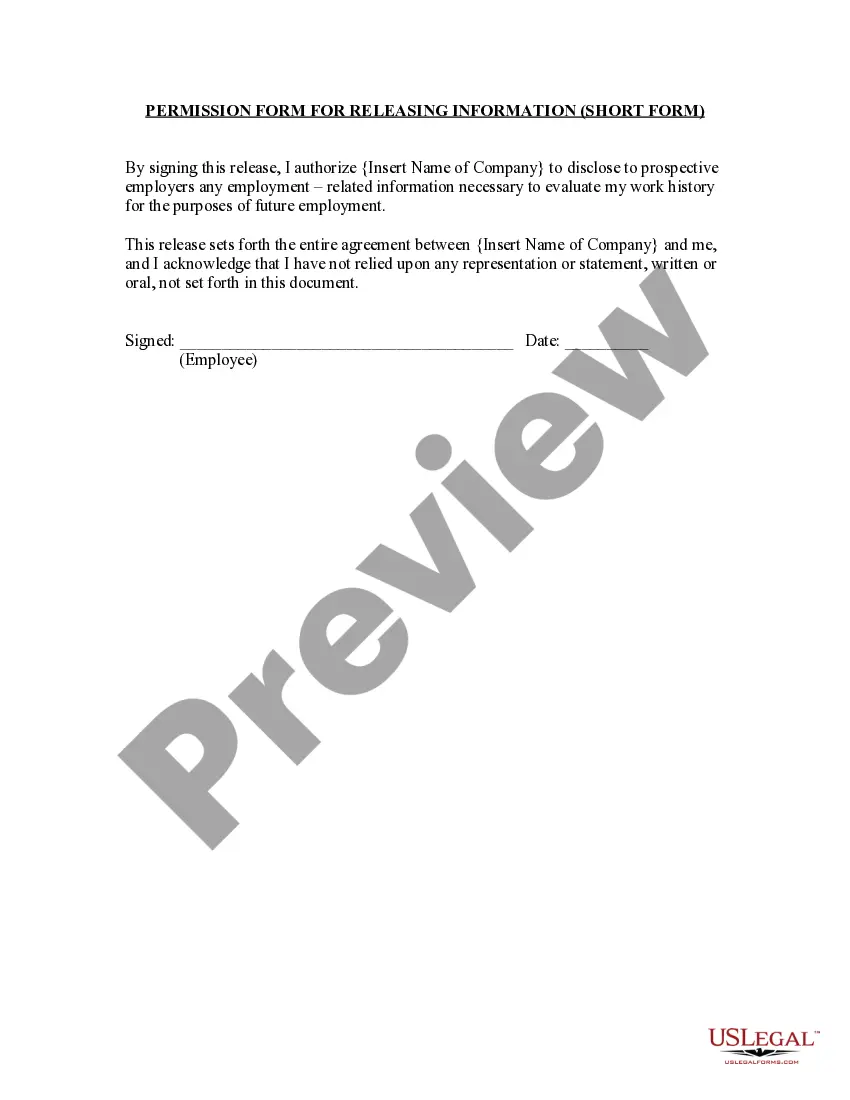
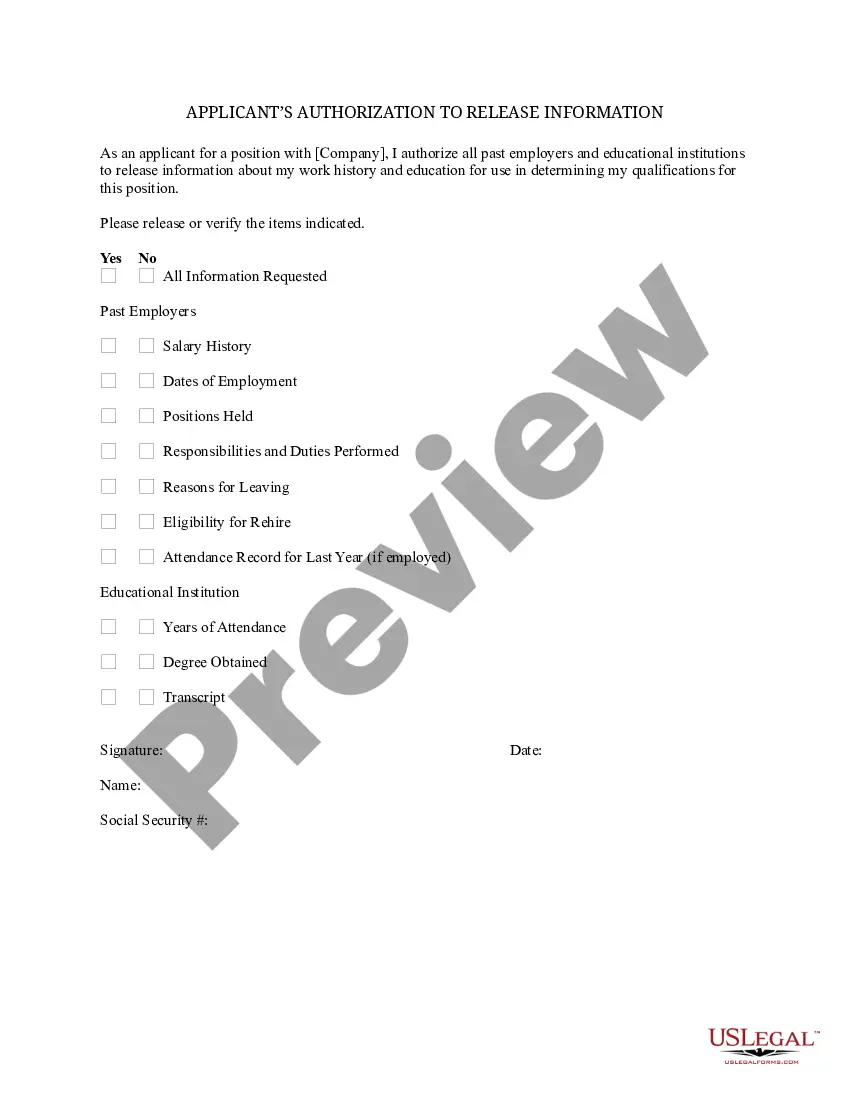
Consent Release Information Form Psychologist In San Antonio
Description

Get your form ready online
Our built-in tools help you complete, sign, share, and store your documents in one place.
Make edits, fill in missing information, and update formatting in US Legal Forms—just like you would in MS Word.
Download a copy, print it, send it by email, or mail it via USPS—whatever works best for your next step.
Sign and collect signatures with our SignNow integration. Send to multiple recipients, set reminders, and more. Go Premium to unlock E-Sign.
If this form requires notarization, complete it online through a secure video call—no need to meet a notary in person or wait for an appointment.
We protect your documents and personal data by following strict security and privacy standards.

Make edits, fill in missing information, and update formatting in US Legal Forms—just like you would in MS Word.

Download a copy, print it, send it by email, or mail it via USPS—whatever works best for your next step.

Sign and collect signatures with our SignNow integration. Send to multiple recipients, set reminders, and more. Go Premium to unlock E-Sign.

If this form requires notarization, complete it online through a secure video call—no need to meet a notary in person or wait for an appointment.

We protect your documents and personal data by following strict security and privacy standards.
Looking for another form?




Form popularity
FAQ
The entire informed consent process involves giving a subject adequate information concerning the study, providing adequate opportunity for the subject to consider all options, responding to the subject's questions, ensuring that the subject has comprehended this information, obtaining the subject's voluntary agreement ...
At a minimum, a well-designed informed consent form will address the following information: Risks and benefits of treatment. Fees and payment policies. Confidentiality and its limits. Contact information and communication. Social media policy and general boundaries. Emergency procedures.
Instructions for Developing an Informed Consent Document General Information. Describe the purpose(s) of this research study in lay terms. Purpose of the Study. Procedures. Risks. Benefits. Compensation, Costs and Reimbursement. Withdrawal or Termination from Study. Confidentiality.
The five essential elements of the informed consent process are Voluntary, Information, Understanding, Capacity, and Consent. Voluntary: Informed consent should be given voluntarily without any coercion or pressure.
Consent to treatment means a person must give permission before they receive any type of medical treatment, test or examination. This must be done on the basis of an explanation by a clinician. Consent from a patient is needed regardless of the procedure, whether it's a physical examination or something else.
To obtain informed consent for any treatment or procedure, providers must disclose enough information to enable clients to make informed decisions. This disclosure should include a clear explanation of the risks, their likelihood, as well as the benefits and their likelihood.
Informed consent is more than merely a signature on a document; it is a communication process between the clinician and the patient. This process ensures that the patient is fully informed about the nature of the procedure or intervention, the potential risks and benefits, and the alternative treatments available.
To obtain informed consent for any treatment or procedure, providers must disclose enough information to enable clients to make informed decisions. This disclosure should include a clear explanation of the risks, their likelihood, as well as the benefits and their likelihood.