Consent Release Information Form Psychologist In Philadelphia
Description

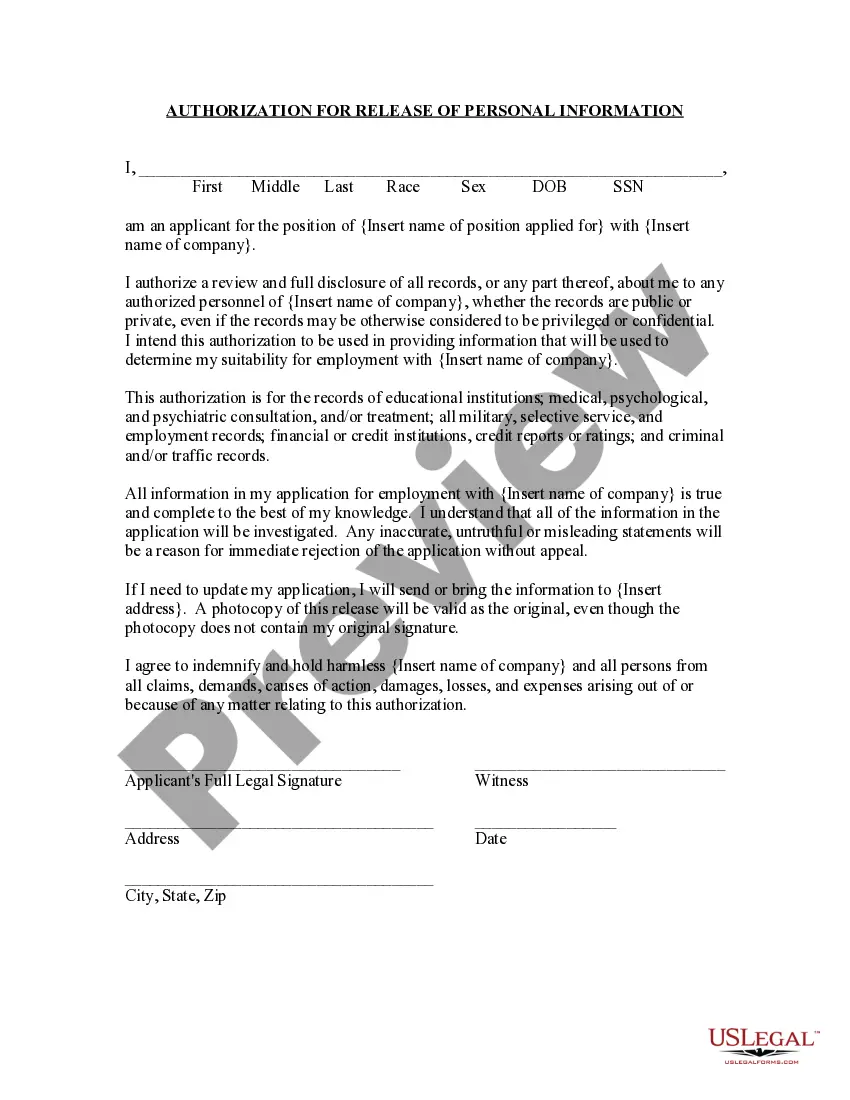
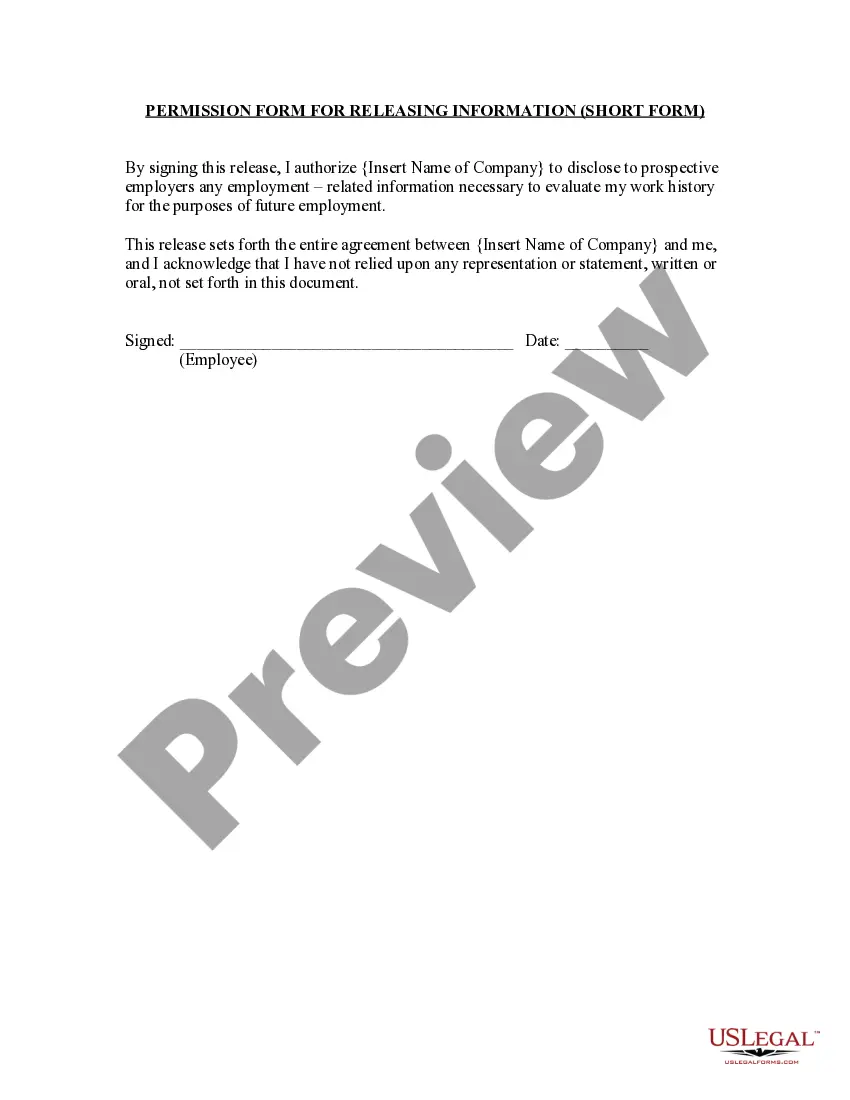
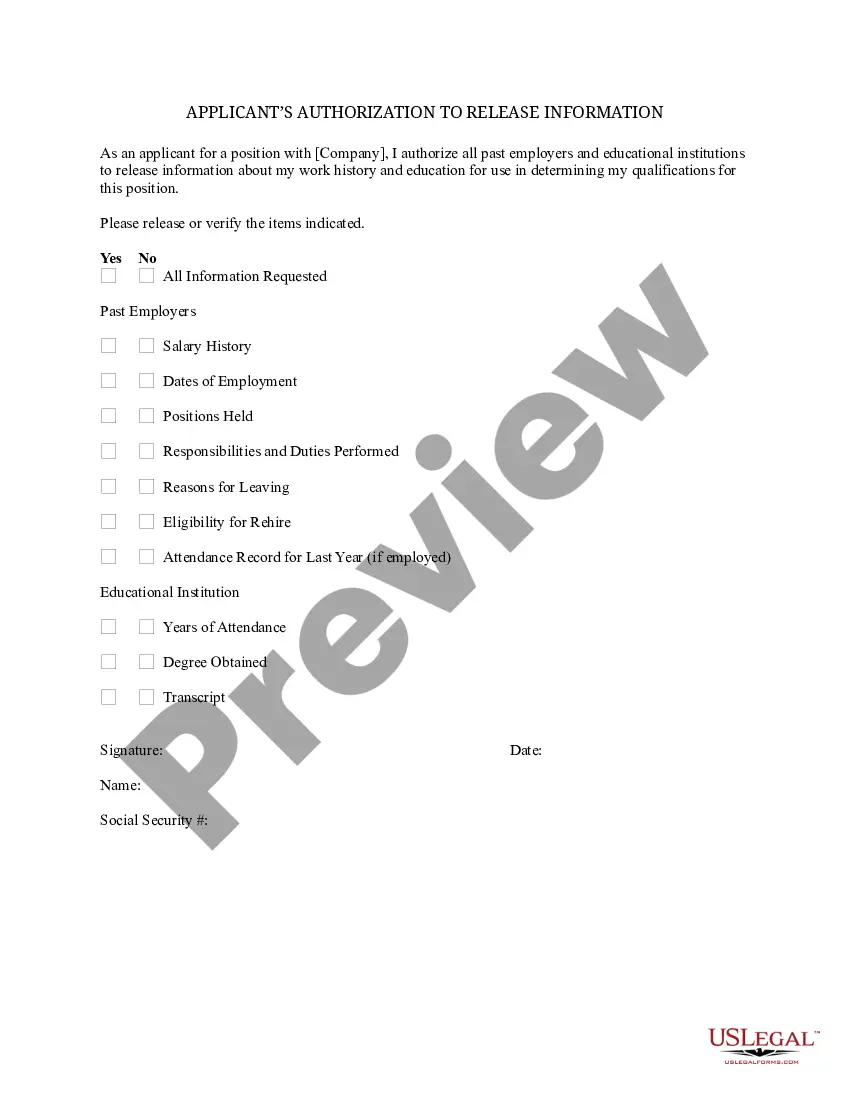
Get your form ready online
Our built-in tools help you complete, sign, share, and store your documents in one place.
Make edits, fill in missing information, and update formatting in US Legal Forms—just like you would in MS Word.
Download a copy, print it, send it by email, or mail it via USPS—whatever works best for your next step.
Sign and collect signatures with our SignNow integration. Send to multiple recipients, set reminders, and more. Go Premium to unlock E-Sign.
If this form requires notarization, complete it online through a secure video call—no need to meet a notary in person or wait for an appointment.
We protect your documents and personal data by following strict security and privacy standards.

Make edits, fill in missing information, and update formatting in US Legal Forms—just like you would in MS Word.

Download a copy, print it, send it by email, or mail it via USPS—whatever works best for your next step.

Sign and collect signatures with our SignNow integration. Send to multiple recipients, set reminders, and more. Go Premium to unlock E-Sign.

If this form requires notarization, complete it online through a secure video call—no need to meet a notary in person or wait for an appointment.

We protect your documents and personal data by following strict security and privacy standards.
Looking for another form?







Form popularity
FAQ
Basic Elements of Informed Consent Purpose of the Research. Description of the Research. Risks. Benefits. Alternatives to Participation.
I have read and understand the information in this form. I have been encouraged to ask questions and all of my questions have been answered to my satisfaction. I have also been informed that I can withdraw from the study at any time. By signing this form, I voluntarily agree to participate in this study.
Contained in a consent form are the contact information for the creator of the form, details of the services to be provided (or a summary of the research), a voluntary participation statement, and a statement for privacy and liability. At the end should always include a place for the participant to sign.
Instructions for Developing an Informed Consent Document General Information. Describe the purpose(s) of this research study in lay terms. Purpose of the Study. Procedures. Risks. Benefits. Compensation, Costs and Reimbursement. Withdrawal or Termination from Study. Confidentiality.
How to write a consent form: A step-by-step guide Step 1: Title and introduction. Step 2: Description of the activity. Step 3: Risks and benefits. Step 4: Confidentiality and data handling. Step 5: Voluntary participation and withdrawal. Step 6: Consent statement. Step 7: Signature and date. Step 8: Contact information.
Informed Consent for Psychology Research Purpose: Inform the participants about the purpose of the research, the anticipated duration of the study, and the procedures that will be used. Right to withdraw: Tell participants that they have the right to decline to participate in the study.
Consent to treatment means a person must give permission before they receive any type of medical treatment, test or examination. This must be done on the basis of an explanation by a clinician. Consent from a patient is needed regardless of the procedure, whether it's a physical examination or something else.
It can help you with emotional or mental health problems, including: anxiety. feeling like you can't cope. problems dealing with stress or recovering from stressful situations.
Psychotherapy (also called talk therapy) refers to a variety of treatments that aim to help a person identify and change troubling emotions, thoughts, and behaviors. Most psychotherapy takes place one-on-one with a licensed mental health professional or with other patients in a group setting.
Psychotherapy is a type of mental health treatment, a way to help people with a broad variety of mental illnesses and emotional difficulties. Psychotherapy can help eliminate or control troubling symptoms so a person can function better and can increase well-being and healing.

