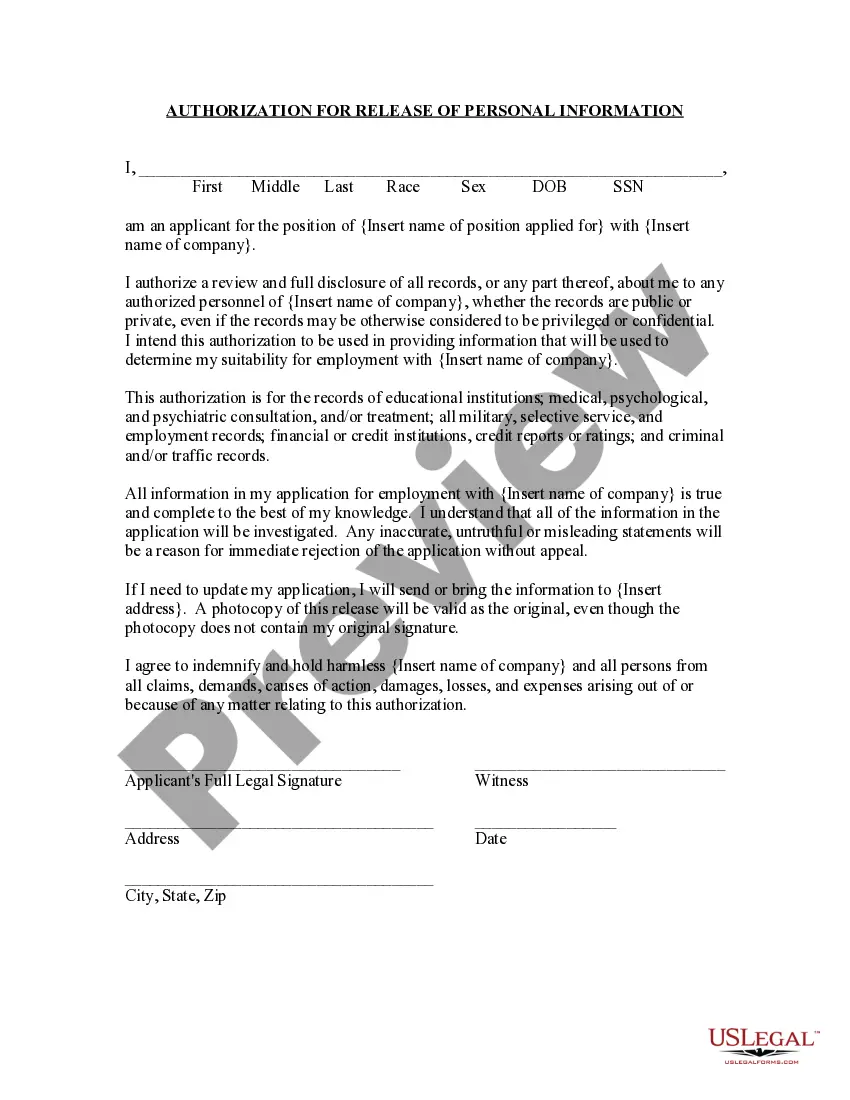
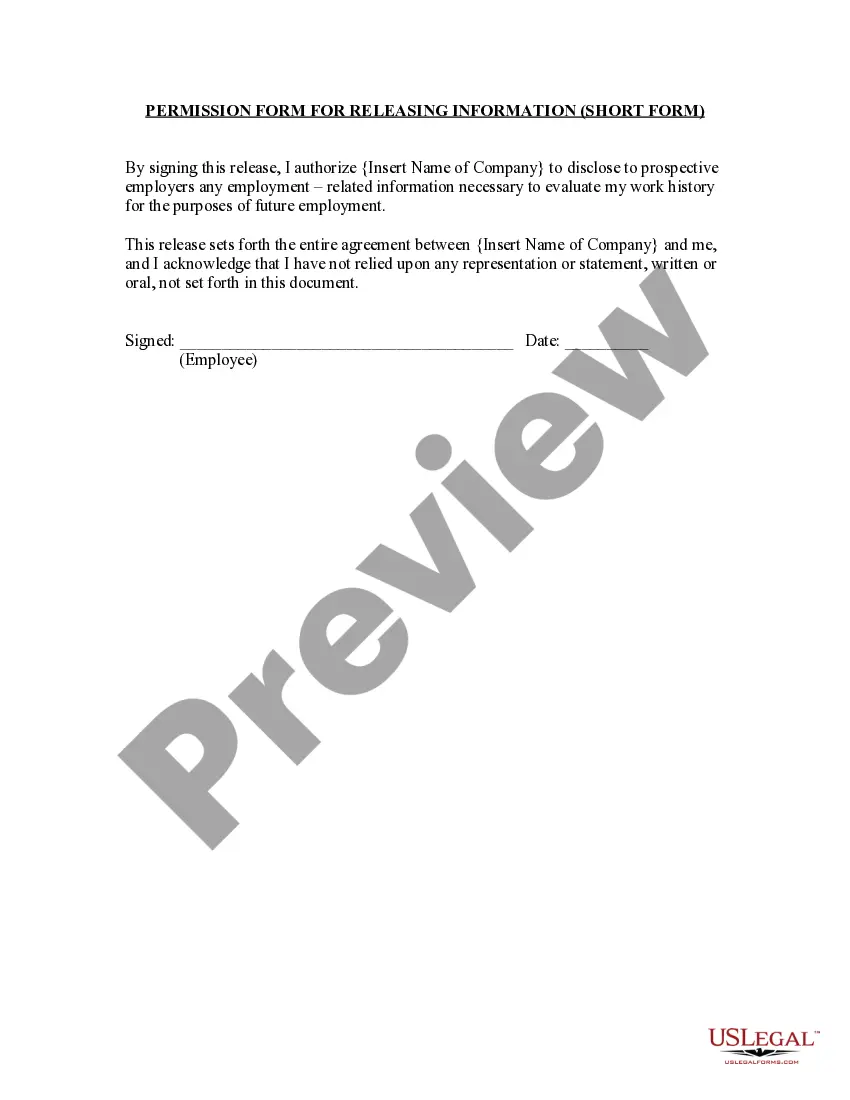
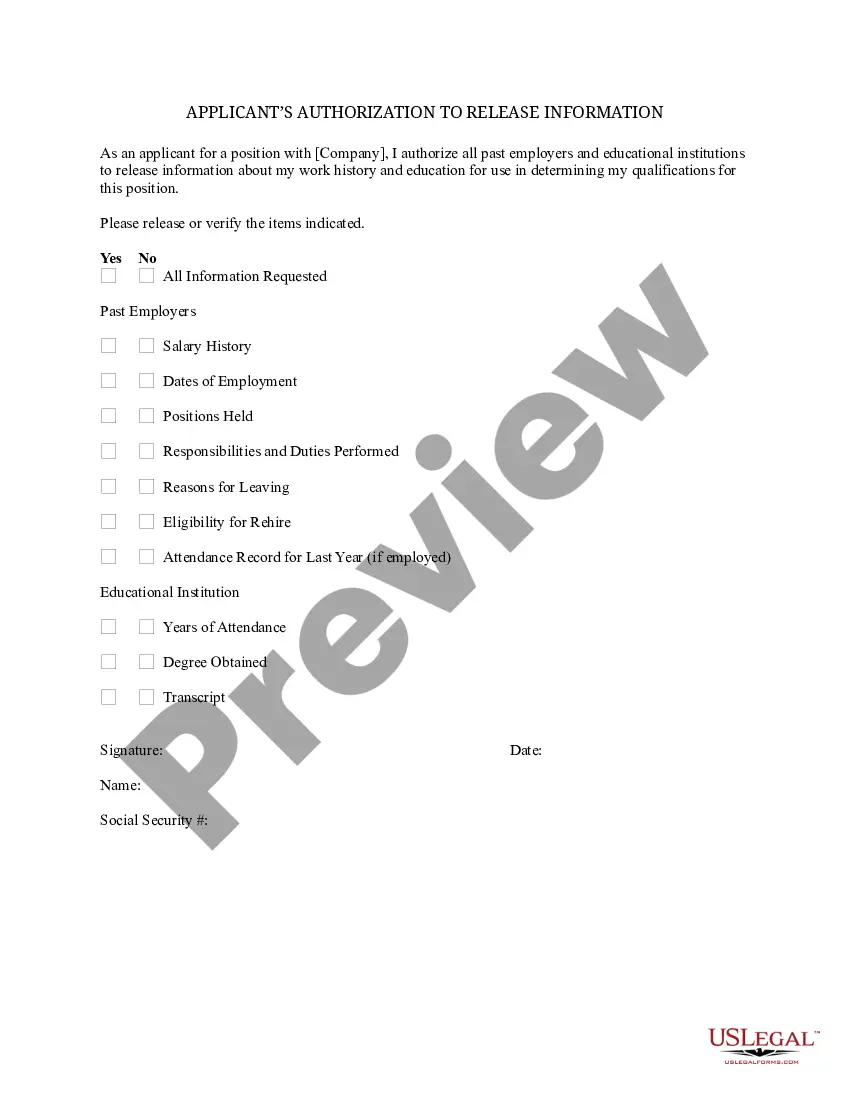
Personal Information Released Without Consent In Mecklenburg
Description

Get your form ready online
Our built-in tools help you complete, sign, share, and store your documents in one place.
Make edits, fill in missing information, and update formatting in US Legal Forms—just like you would in MS Word.
Download a copy, print it, send it by email, or mail it via USPS—whatever works best for your next step.
Sign and collect signatures with our SignNow integration. Send to multiple recipients, set reminders, and more. Go Premium to unlock E-Sign.
If this form requires notarization, complete it online through a secure video call—no need to meet a notary in person or wait for an appointment.
We protect your documents and personal data by following strict security and privacy standards.

Make edits, fill in missing information, and update formatting in US Legal Forms—just like you would in MS Word.

Download a copy, print it, send it by email, or mail it via USPS—whatever works best for your next step.

Sign and collect signatures with our SignNow integration. Send to multiple recipients, set reminders, and more. Go Premium to unlock E-Sign.

If this form requires notarization, complete it online through a secure video call—no need to meet a notary in person or wait for an appointment.

We protect your documents and personal data by following strict security and privacy standards.
Looking for another form?








Form popularity
FAQ
The law states inspection and examination of records should be allowed at "reasonable times" and under the supervision of the agency. Agencies are required to furnish copies "as promptly as possible." Agencies are not required to provide access for inspection or copies outside normal business hours.
Community Right to Know permits any person in North Carolina to request a list of chemicals used or stored at a given facility. The request must be in writing and applies to employers who must compile a hazardous chemicals list and for those chemicals included on the list.
The NCCPA empowers North Carolina residents with control over their personal data and imposes obligations on organizations engaged in processing the personal data of North Carolina residents, positioning North Carolina at the forefront of state-level privacy legislation in the United States.
North Carolina has two Sunshine Laws to promote transparency in government: the Open Meetings Law and the Public Records Law. These laws give the public the right to attend meetings and to access documents deemed a public record.
