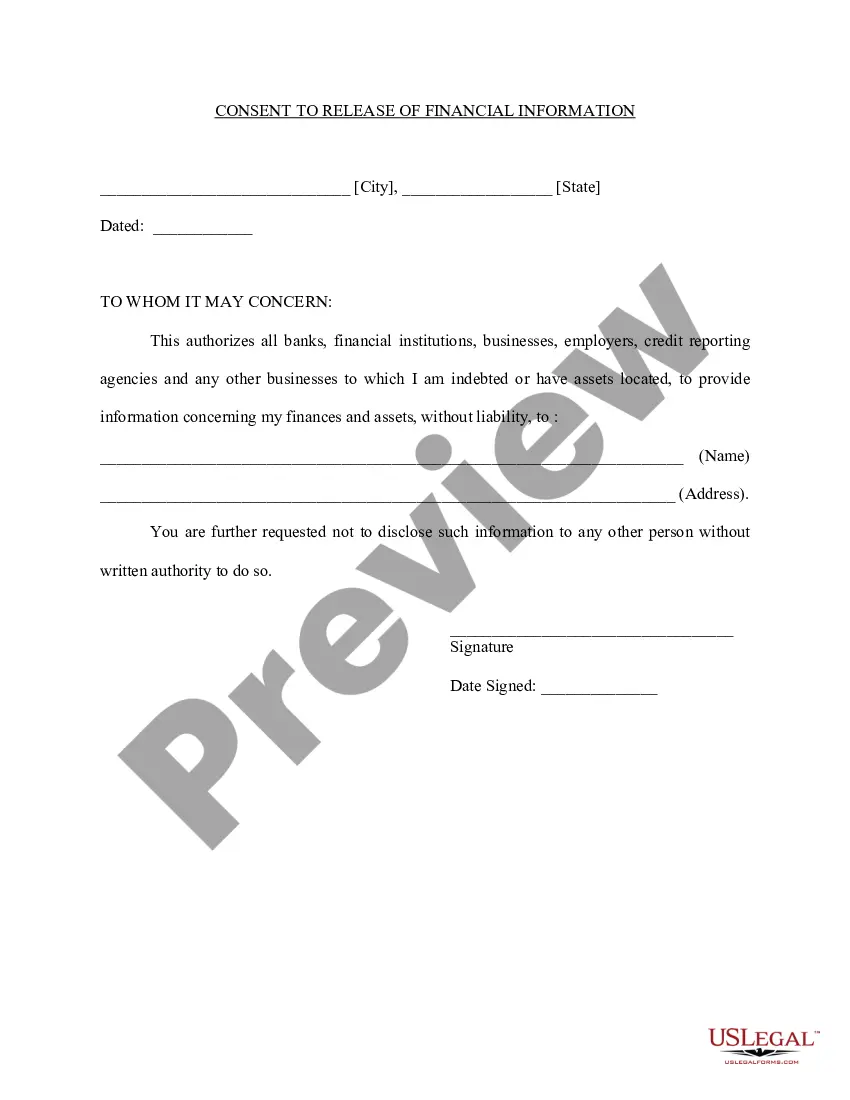
Medical Information Released Without Consent In Massachusetts
Description

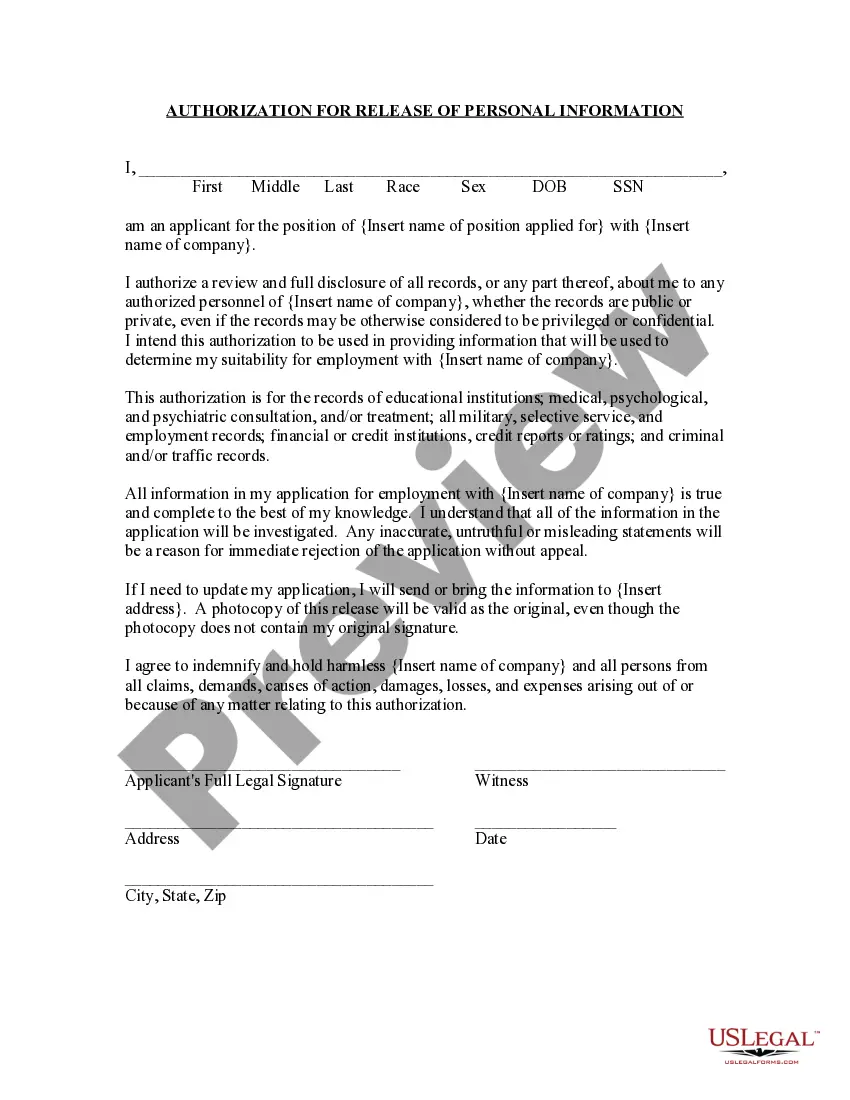
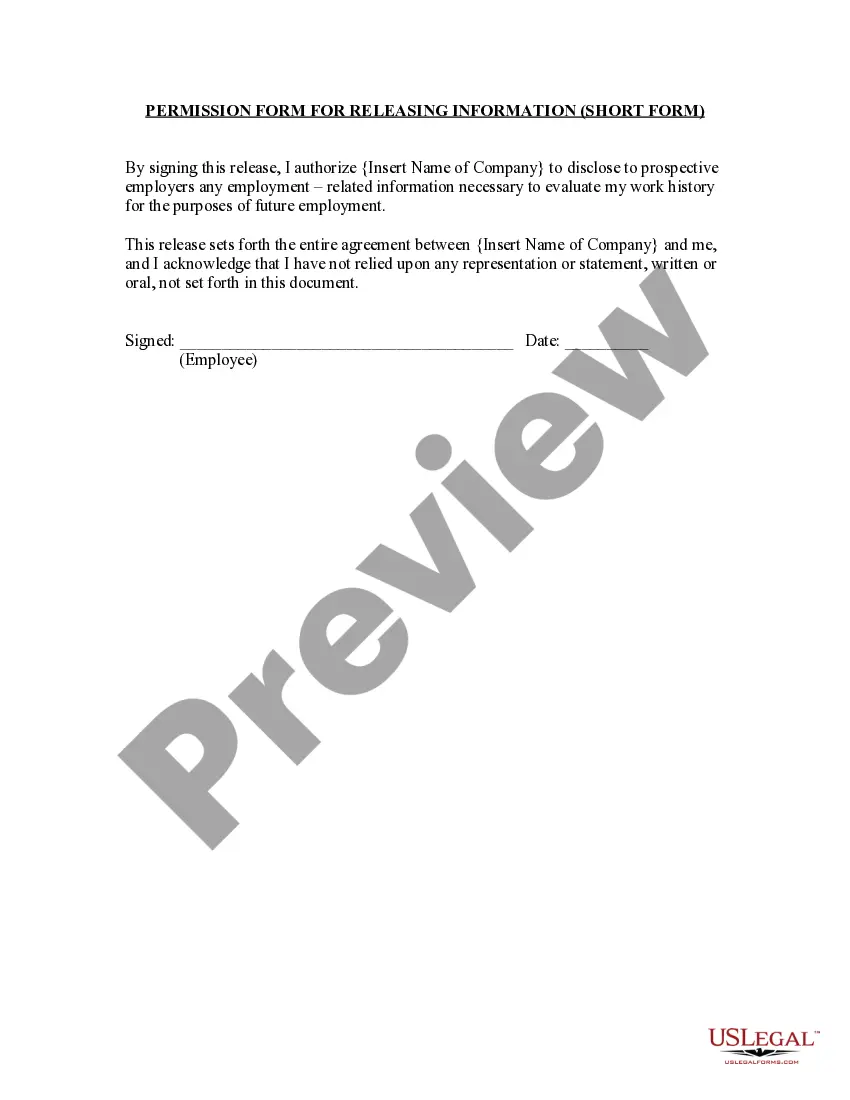
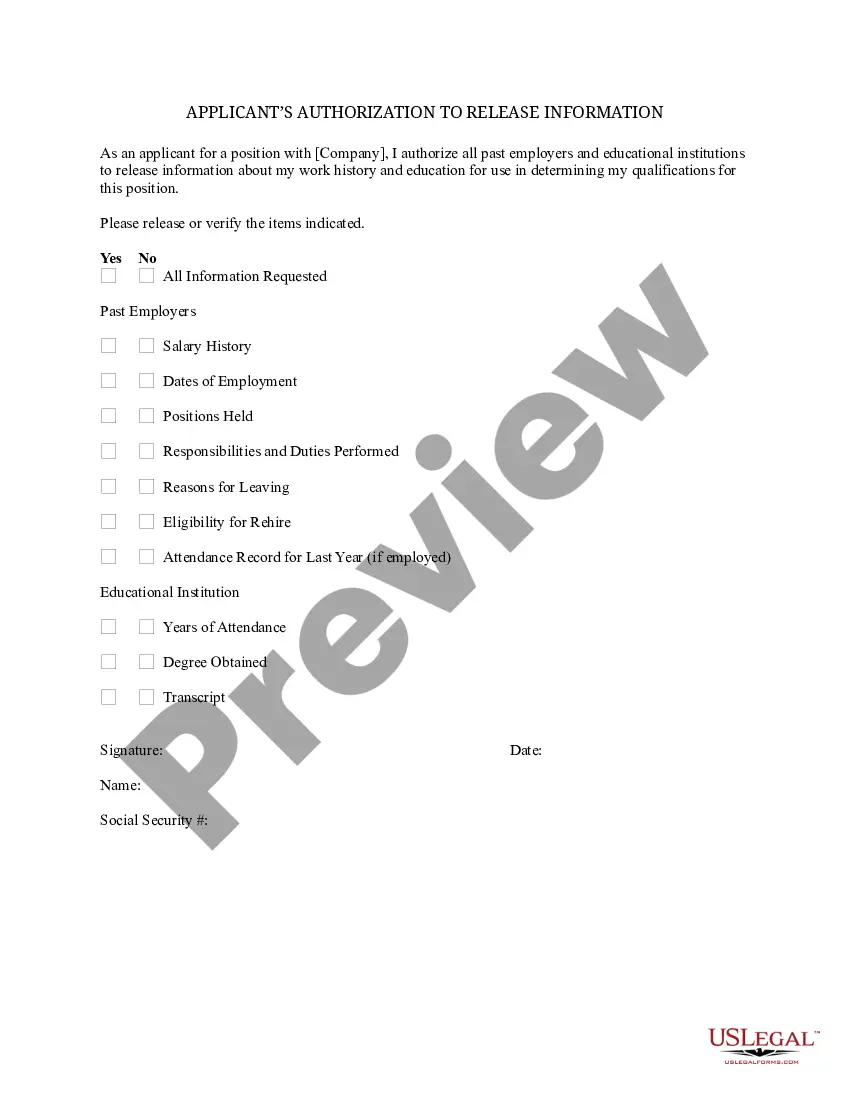
Get your form ready online
Our built-in tools help you complete, sign, share, and store your documents in one place.
Make edits, fill in missing information, and update formatting in US Legal Forms—just like you would in MS Word.
Download a copy, print it, send it by email, or mail it via USPS—whatever works best for your next step.
Sign and collect signatures with our SignNow integration. Send to multiple recipients, set reminders, and more. Go Premium to unlock E-Sign.
If this form requires notarization, complete it online through a secure video call—no need to meet a notary in person or wait for an appointment.
We protect your documents and personal data by following strict security and privacy standards.

Make edits, fill in missing information, and update formatting in US Legal Forms—just like you would in MS Word.

Download a copy, print it, send it by email, or mail it via USPS—whatever works best for your next step.

Sign and collect signatures with our SignNow integration. Send to multiple recipients, set reminders, and more. Go Premium to unlock E-Sign.

If this form requires notarization, complete it online through a secure video call—no need to meet a notary in person or wait for an appointment.

We protect your documents and personal data by following strict security and privacy standards.
Looking for another form?



Form popularity
FAQ
A) A minor who is 12 years of age or older and who may have come into contact with an infectious, contagious, or communicable disease may consent to medical care related to the diagnosis or treatment of the disease, if the disease or condition is one that is required by law or regulation adopted pursuant to law to be ...
A patient must understand the following for the consent to count as informed: A description of the procedure. A list of the potential dangers or risks of the procedure. A description of possible positive outcomes.
Specifically, a minor may consent for his or her medical or dental care if he or she meets the following three requirements: (1) the minor is 15 years of age or older; (2) the minor is living separate and apart from the minor's parents or guardian, with or without the consent of a parent or guardian, and regardless of ...
The consent of the minor alone is sufficient—DSS or parental/guardian consent is not required—for the treatment of drug dependency (for minors 12 and over), pregnancy (except abortion and sterilization), family planning services, and treatment for a venereal disease or a disease dangerous to the public health.
Massachusetts law (Chapter 112) and Federal law (45 CFR; HIPAA, 1996) require that you are advised regarding how personal information about you may be used and disclosed and how you can get access to this information.
Questions or complaints relating to HIPAA should be directed to the U.S. Dept. of Health and Human Services (HHS), Office of Civil Rights (OCR). The federal policies for HIPAA can be found on their website: Health Information Privacy: General information relating to HIPAA.
So, the bottom line appears to be that, in the absence of a Massachusetts health care proxy, hospitals in the state will generally honor the wishes of the family, as long as they're in agreement. In the absence of family members or when they are not in agreement, a guardian will have to be appointed.
Massachusetts State Law Massachusetts is a two-party consent state, meaning all parties involved in a conversation must consent to being recorded.
Massachusetts Wiretapping Law Massachusetts's wiretapping law often referred to is a "two-party consent" law. More accurately, Massachusetts makes it a crime to secretly record a conversation, whether the conversation is in-person or taking place by telephone or another medium. See Mass.