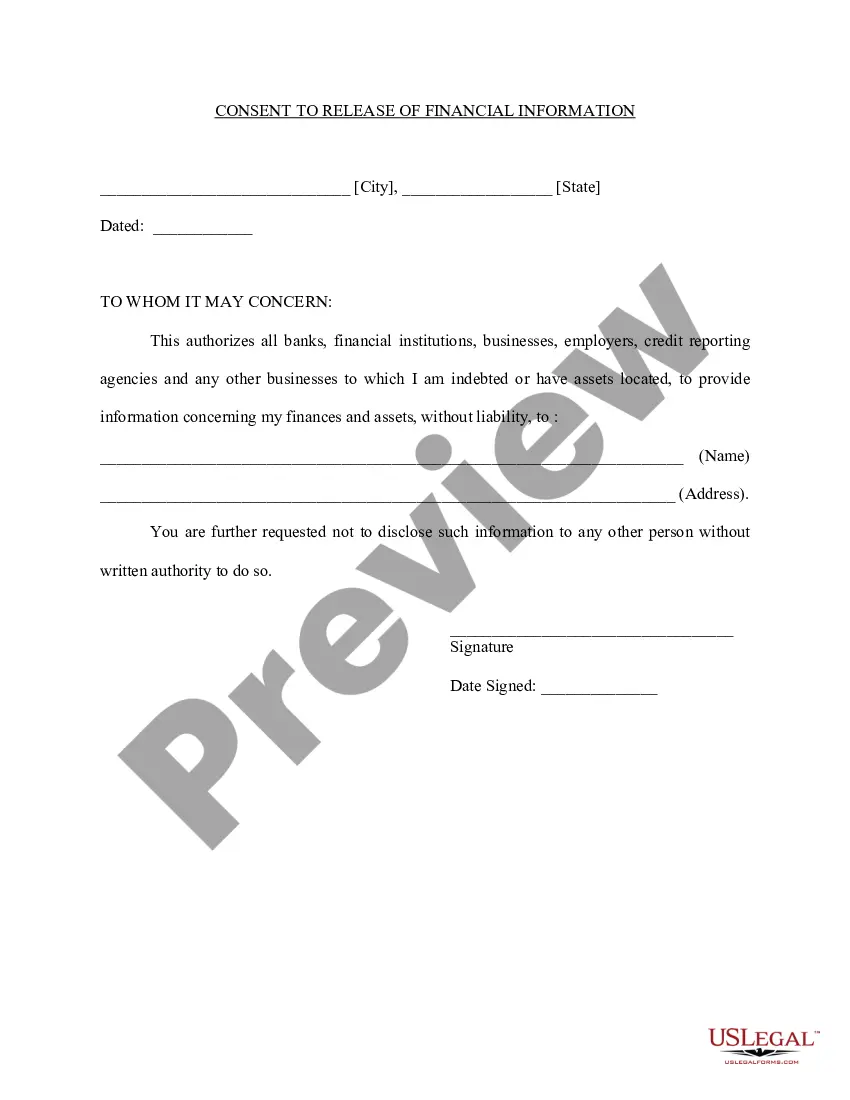
Medical Information Released Without Consent In Hennepin
Description

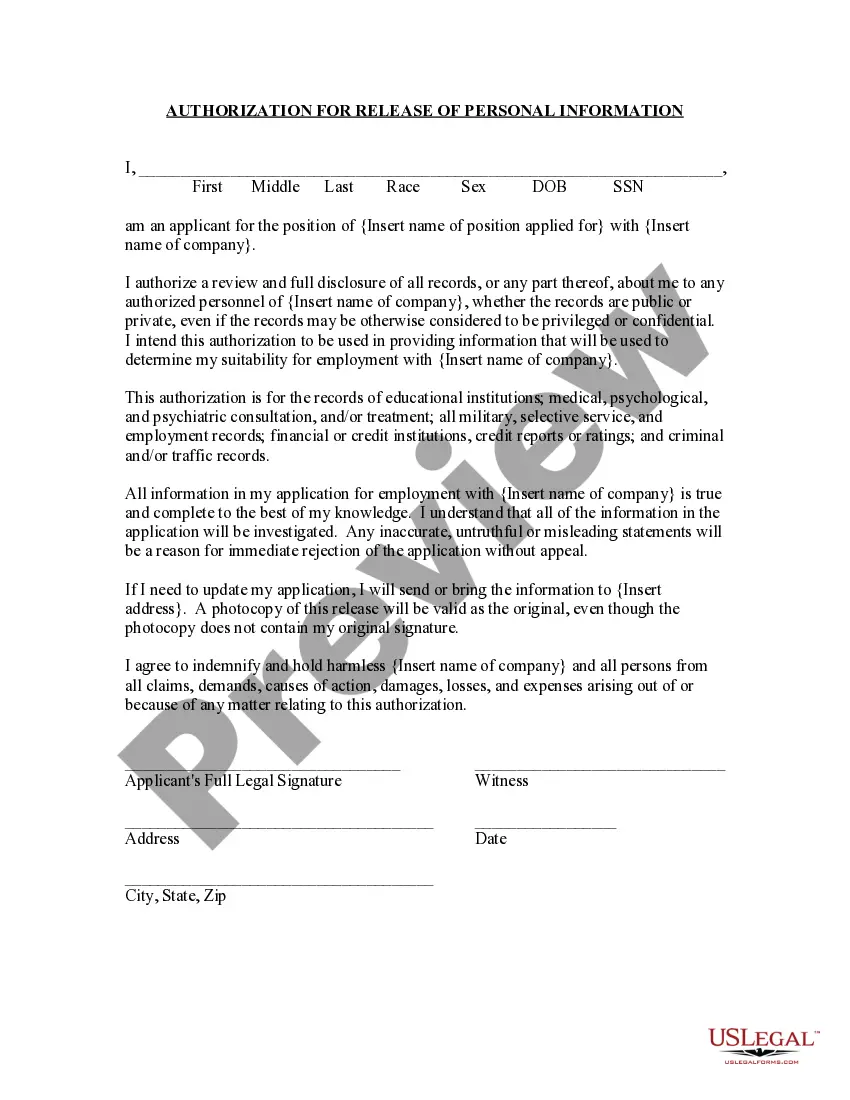
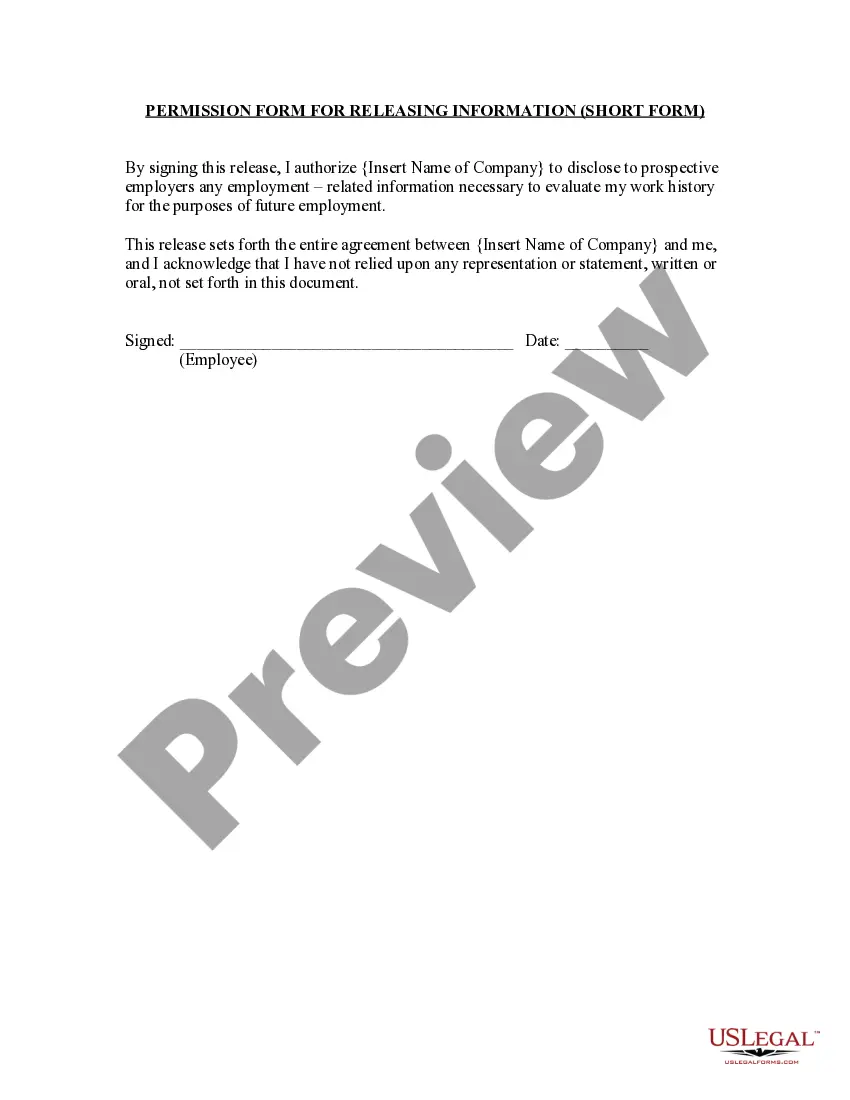
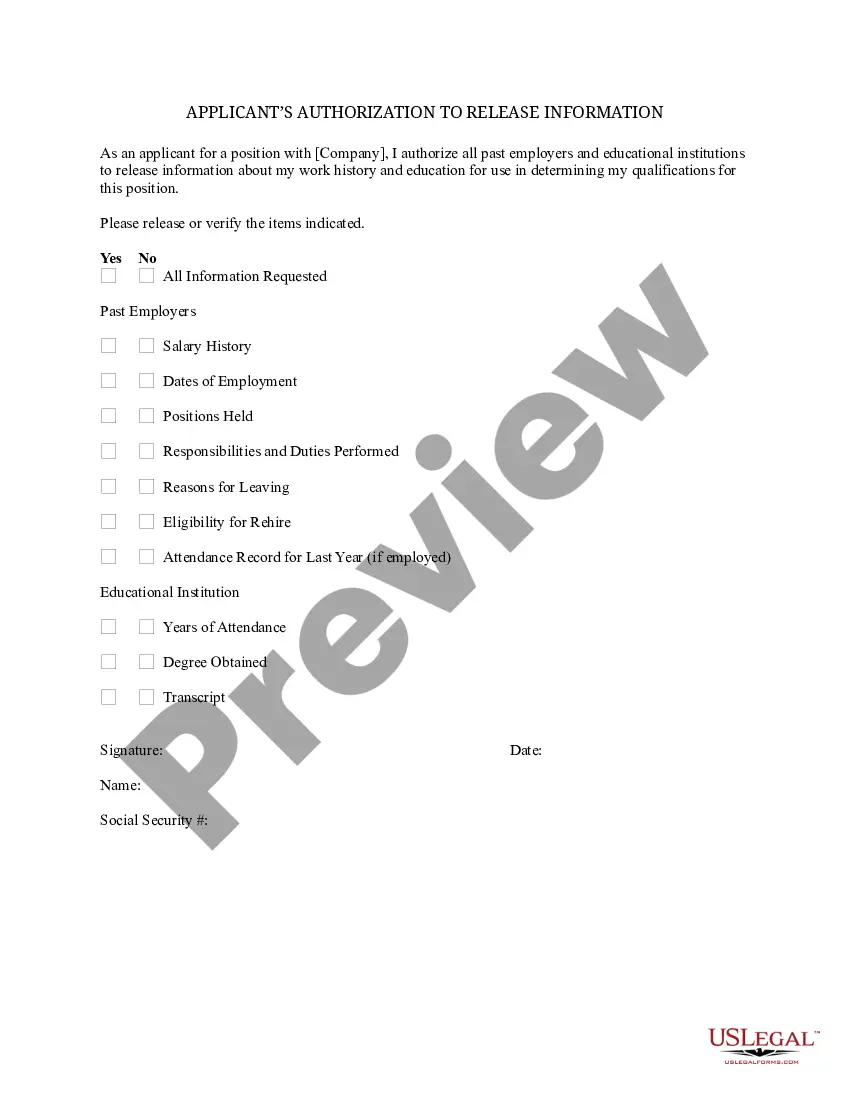
Get your form ready online
Our built-in tools help you complete, sign, share, and store your documents in one place.
Make edits, fill in missing information, and update formatting in US Legal Forms—just like you would in MS Word.
Download a copy, print it, send it by email, or mail it via USPS—whatever works best for your next step.
Sign and collect signatures with our SignNow integration. Send to multiple recipients, set reminders, and more. Go Premium to unlock E-Sign.
If this form requires notarization, complete it online through a secure video call—no need to meet a notary in person or wait for an appointment.
We protect your documents and personal data by following strict security and privacy standards.

Make edits, fill in missing information, and update formatting in US Legal Forms—just like you would in MS Word.

Download a copy, print it, send it by email, or mail it via USPS—whatever works best for your next step.

Sign and collect signatures with our SignNow integration. Send to multiple recipients, set reminders, and more. Go Premium to unlock E-Sign.

If this form requires notarization, complete it online through a secure video call—no need to meet a notary in person or wait for an appointment.

We protect your documents and personal data by following strict security and privacy standards.
Looking for another form?










Form popularity
FAQ
Official Records Act, Minnesota Statutes section 15.17 1.) The chief administrative officer of each public agency is responsible for the preservation and care of the agency's records. These records must be passed on to the successors in office so that they can understand why past actions or decisions were made.
The Minnesota Government Data Practices Act (MGDPA), Minn. Stat. § 13, is a state law that controls how government data are collected, created, stored (maintained), used and released (disseminated).
Records retention. The provider shall retain a client's records for a minimum of seven years after the date of the provider's last professional service to the client, except as otherwise provided by law.
The MHRA limits when certain Minnesota-licensed health care providers (including hospitals) are permitted to release health records without a patient's written consent. The MHRA has a fewer number of permitted disclosures without patient consent than the HIPAA privacy rule does.
The MHRA limits when certain Minnesota-licensed health care providers (including hospitals) are permitted to release health records without a patient's written consent. The MHRA has a fewer number of permitted disclosures without patient consent than the HIPAA privacy rule does.
Hennepin County Public Health works to improve the health of all county residents by addressing social and environmental factors that impact their health and offering programs and services that help them be healthy. Our department is committed to advancing health and racial equity.
Records retention. The provider shall retain a client's records for a minimum of seven years after the date of the provider's last professional service to the client, except as otherwise provided by law.
The Minnesota Government Data Practices Act (Minnesota Statutes Chapter 13) is a state law that creates both rights and obligations around government data.
You may request your records on paper or in an electronic format. Fax your release form at 612-873-1516.
The MHRA limits when certain Minnesota-licensed health care providers (including hospitals) are permitted to release health records without a patient's written consent. The MHRA has a fewer number of permitted disclosures without patient consent than the HIPAA privacy rule does.