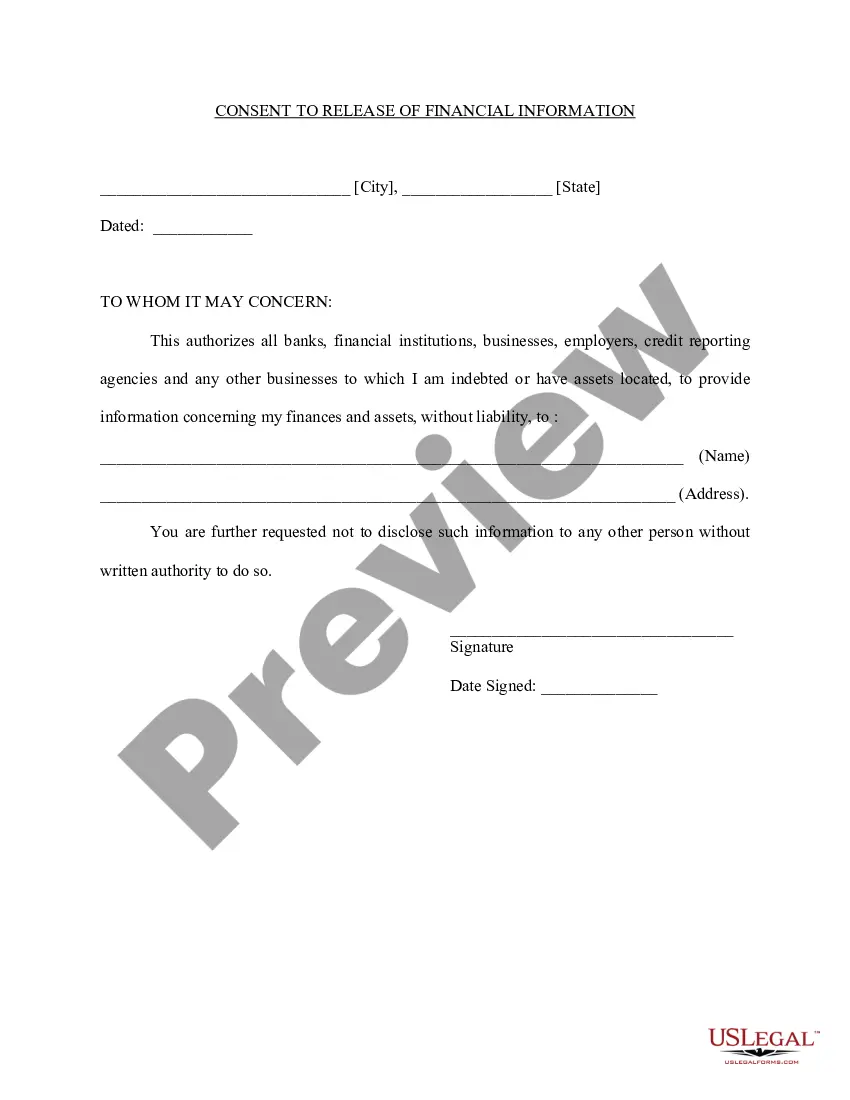
Consent Release Information Form Psychologist In Collin
Description

Get your form ready online
Our built-in tools help you complete, sign, share, and store your documents in one place.
Make edits, fill in missing information, and update formatting in US Legal Forms—just like you would in MS Word.
Download a copy, print it, send it by email, or mail it via USPS—whatever works best for your next step.
Sign and collect signatures with our SignNow integration. Send to multiple recipients, set reminders, and more. Go Premium to unlock E-Sign.
If this form requires notarization, complete it online through a secure video call—no need to meet a notary in person or wait for an appointment.
We protect your documents and personal data by following strict security and privacy standards.

Make edits, fill in missing information, and update formatting in US Legal Forms—just like you would in MS Word.

Download a copy, print it, send it by email, or mail it via USPS—whatever works best for your next step.

Sign and collect signatures with our SignNow integration. Send to multiple recipients, set reminders, and more. Go Premium to unlock E-Sign.

If this form requires notarization, complete it online through a secure video call—no need to meet a notary in person or wait for an appointment.

We protect your documents and personal data by following strict security and privacy standards.
Looking for another form?







Form popularity
FAQ
A patient is advised by an EMT of the risks of refusing care. This option is the best example of informed consent. It involves the EMT informing the patient about the risks involved in refusing care, thereby allowing the patient to make an informed decision regarding their treatment options.
It is normal practice to give people an Information Sheet which tells them all they need to give informed consent. If you think literacy might be an issue for the people you want to collect information from, you will need to talk through the information sheet with them.
Actions that can be reasonably interpreted as an informed agreement. For example, ongoing consent is often implied through a client continuing to attend sessions with a psychotherapist after being informed of the risks, benefits, and alternatives.
The informed consent process should include verbal discussion with the patient that includes reviewing your policies and answering the patient's questions. The patient's informed consent should be documented by use of a written form (DOC, 33KB) that the patient will sign.
Informed consent is more than merely a signature on a document; it is a communication process between the clinician and the patient. This process ensures that the patient is fully informed about the nature of the procedure or intervention, the potential risks and benefits, and the alternative treatments available.
“Informed Consent, psychologists inform participants about (1) the purpose of the research, expected duration and procedures; (2) their right to decline to participate and to withdraw from the research once participation has begun; (3) the foreseeable consequences of declining or withdrawing; (4) reasonably foreseeable ...
I understand the information provided for the study insert title as described herein. My questions have been answered to my satisfaction, and I agree to participate in this study. I have been given a copy of this form.
“Informed Consent, psychologists inform participants about (1) the purpose of the research, expected duration and procedures; (2) their right to decline to participate and to withdraw from the research once participation has begun; (3) the foreseeable consequences of declining or withdrawing; (4) reasonably foreseeable ...
Examples of giving verbal consent include: “Yes” “That sounds great” “That feels awesome”