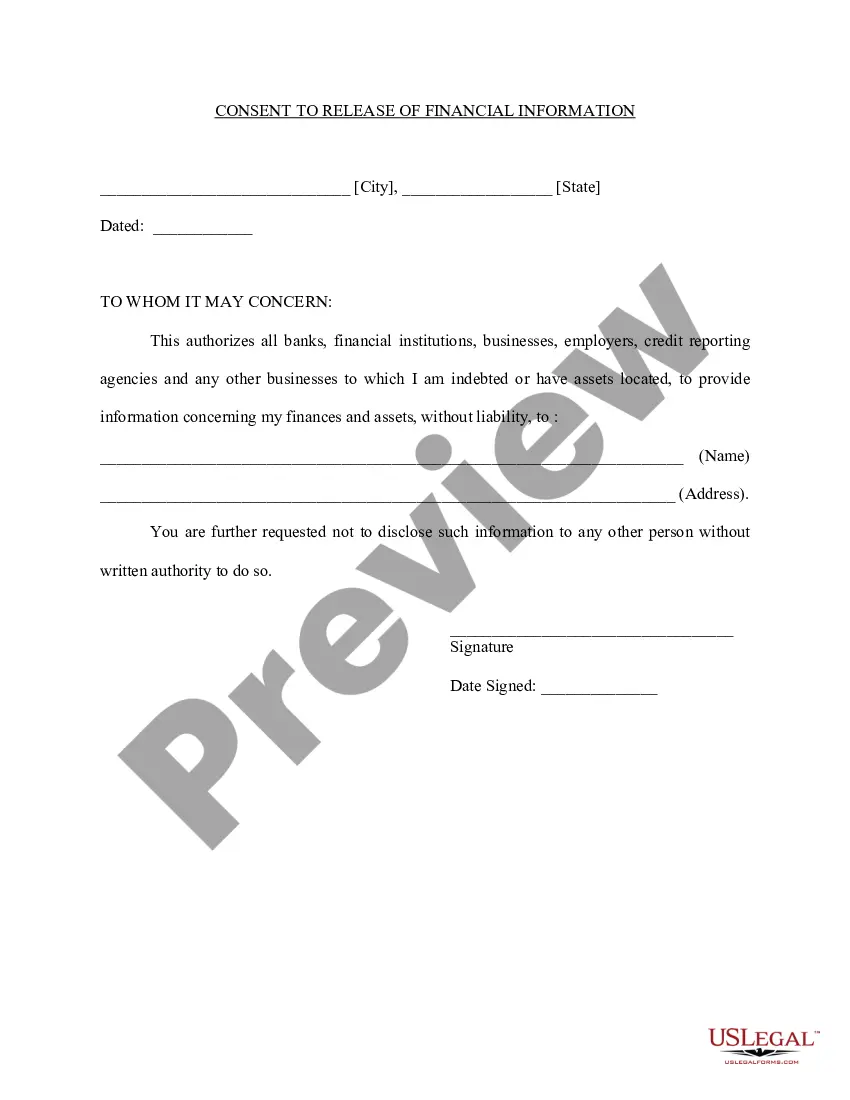
Medical Information Released Without Consent In Bronx
Description

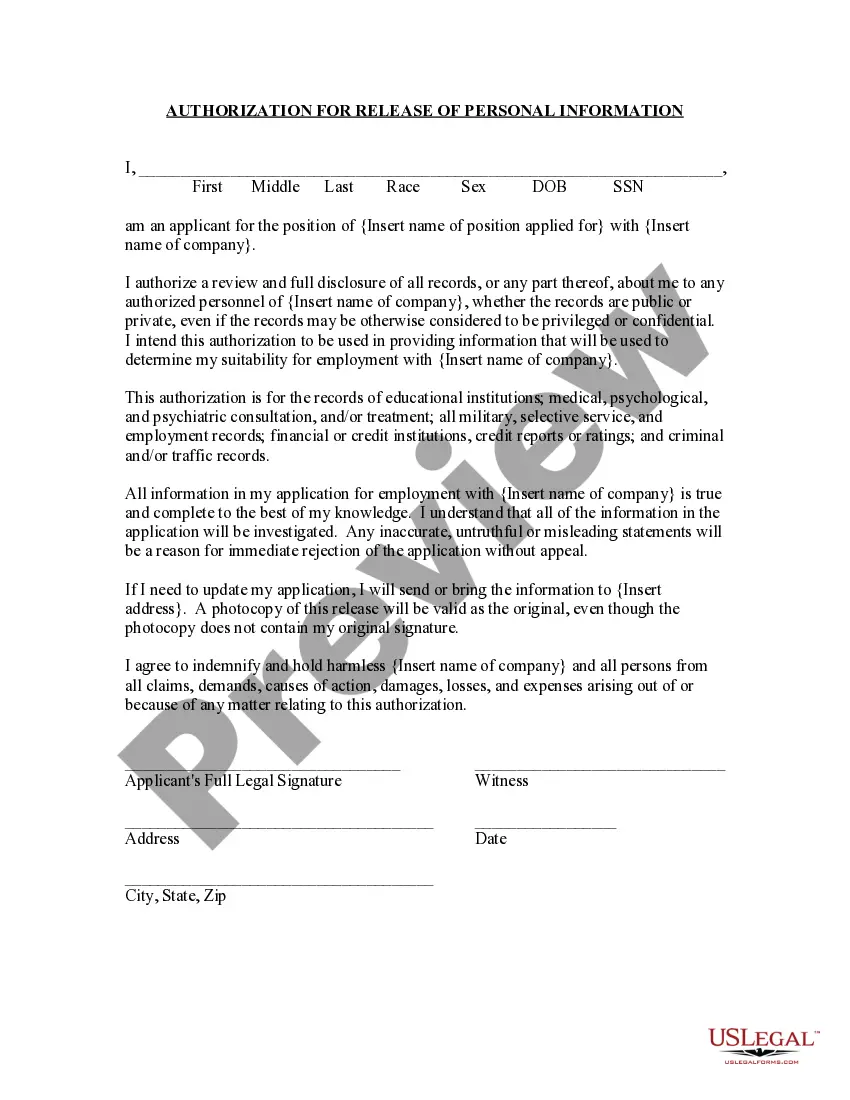
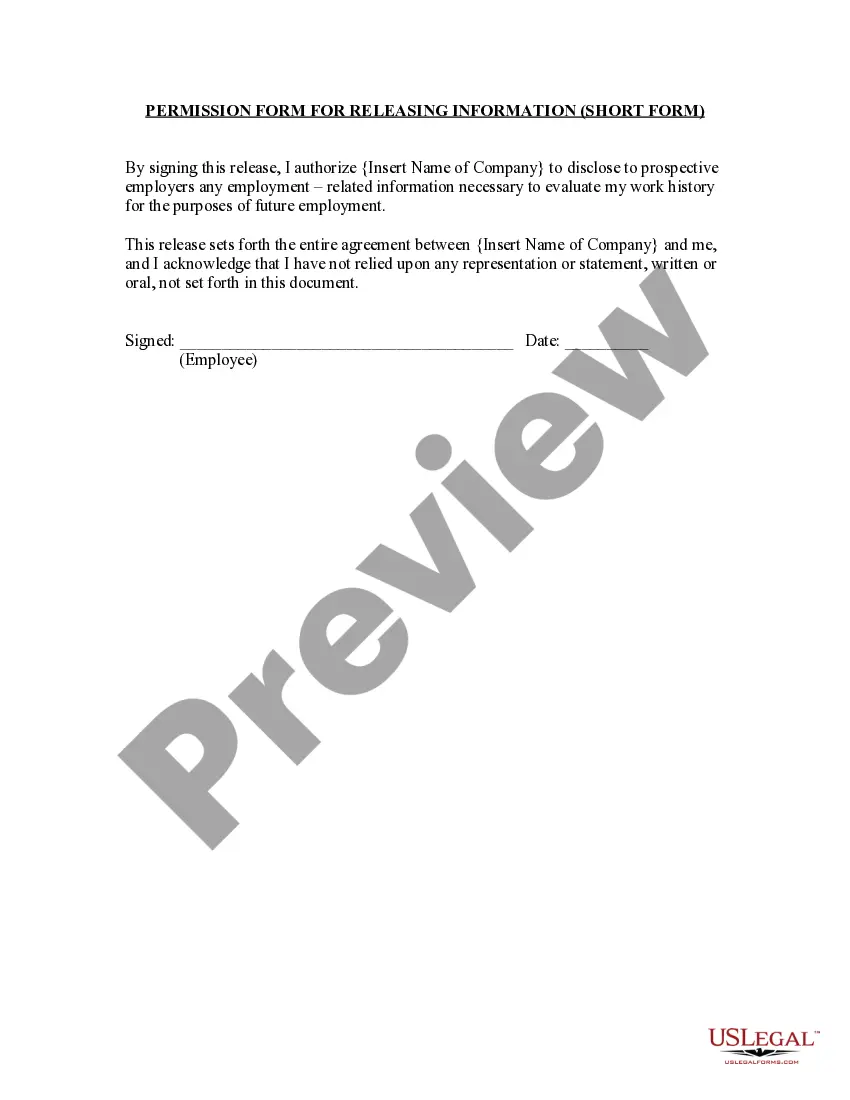
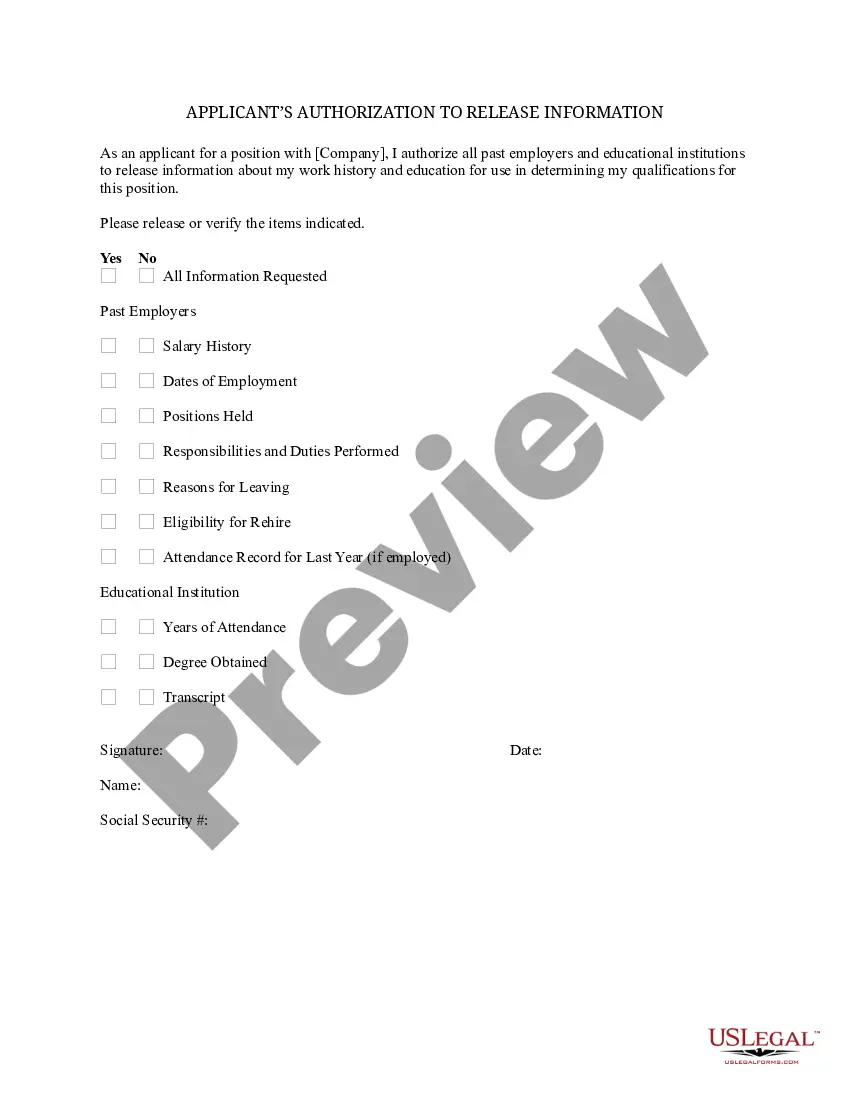
Get your form ready online
Our built-in tools help you complete, sign, share, and store your documents in one place.
Make edits, fill in missing information, and update formatting in US Legal Forms—just like you would in MS Word.
Download a copy, print it, send it by email, or mail it via USPS—whatever works best for your next step.
Sign and collect signatures with our SignNow integration. Send to multiple recipients, set reminders, and more. Go Premium to unlock E-Sign.
If this form requires notarization, complete it online through a secure video call—no need to meet a notary in person or wait for an appointment.
We protect your documents and personal data by following strict security and privacy standards.

Make edits, fill in missing information, and update formatting in US Legal Forms—just like you would in MS Word.

Download a copy, print it, send it by email, or mail it via USPS—whatever works best for your next step.

Sign and collect signatures with our SignNow integration. Send to multiple recipients, set reminders, and more. Go Premium to unlock E-Sign.

If this form requires notarization, complete it online through a secure video call—no need to meet a notary in person or wait for an appointment.

We protect your documents and personal data by following strict security and privacy standards.
Looking for another form?







Form popularity
FAQ
Article 18, consisting of sections 370 through 383 of the Executive Law, sets forth the process by which the code is to be developed, maintained, administered, and enforced for the protection of all New Yorkers.
Section 18 requires that within 10 days of a written request for access to records, the provider must give the qualified person the opportunity to inspect the records. Providers must also provide copies of records if copies are requested within a reasonable time frame.
If you are a family member of a deceased patient, you can request information if: You have proof of the patient's permission prior to his/her death. It is relevant to your own health, and is requested by your physician. You are the executor of the estate and have included a copy of court papers.
New York State Law requires all health care practitioners and facilities to allow patients to have access to their health records. However, some restrictions may apply. This form describes your rights, what information is available and how to appeal if access to health records is denied.
Title 18 - DEPARTMENT OF SOCIAL SERVICES.
The NYS Department of Health, however, requires medical doctors to retain records for any adult patients for 6 years. Minor patients are kept for 6 years and until one year after the minor reaches the age of 18 (whichever is longer). For hospitals, medical records must be kept for six years from the date of discharge.
The Health Insurance Portability and Accountability Act (HIPAA) is a federal law that requires covered entities (e.g., private health care providers, health plans) to protect individuals' health records and other personal health information that the entities maintain or transmit.
Section 18 requires that within 10 days of a written request for access to records, the provider must give the qualified person the opportunity to inspect the records. Providers must also provide copies of records if copies are requested within a reasonable time frame.
New York State Law requires all health care practitioners and facilities to allow patients to have access to their health records. However, some restrictions may apply. This form describes your rights, what information is available and how to appeal if access to health records is denied.