Personal Care Policy In Wayne
Description


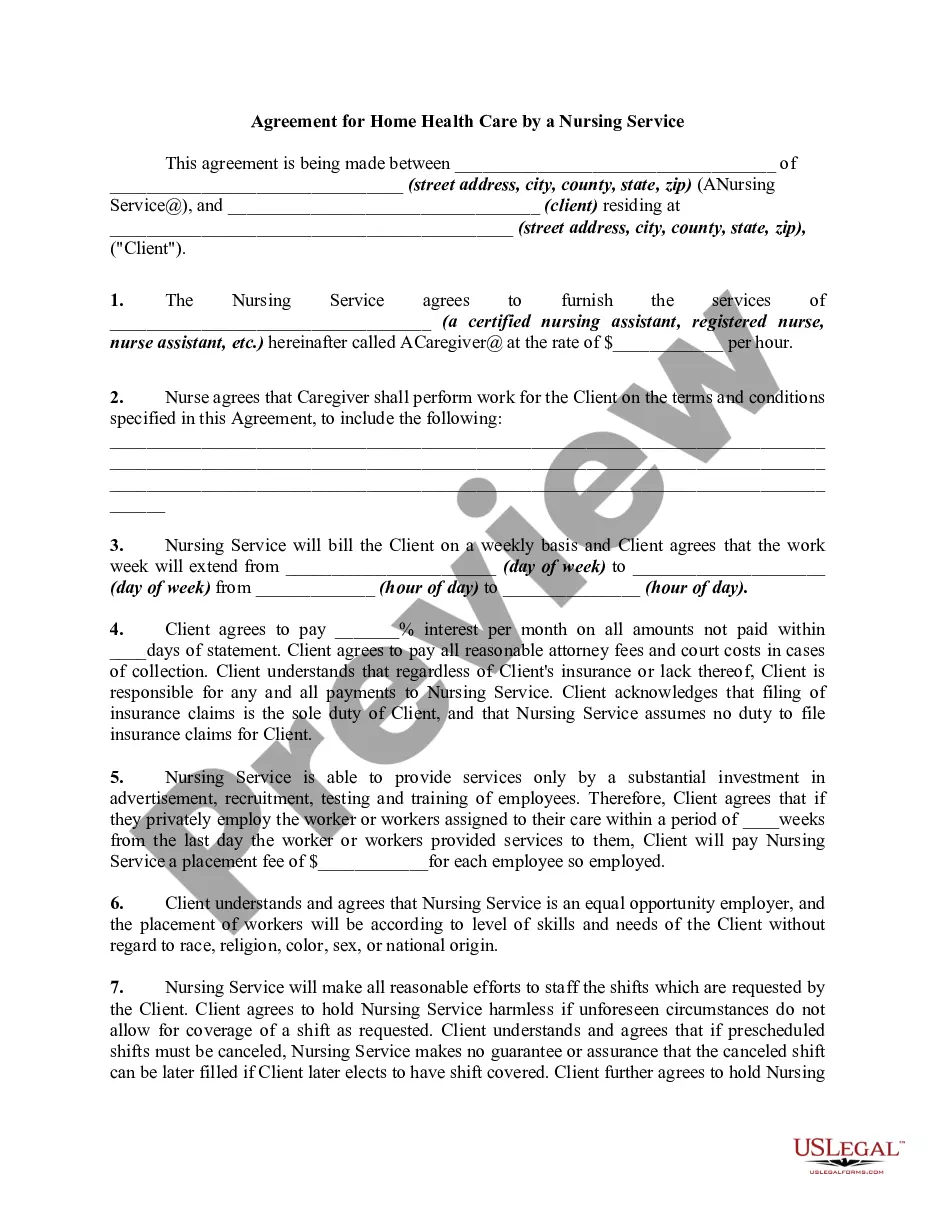
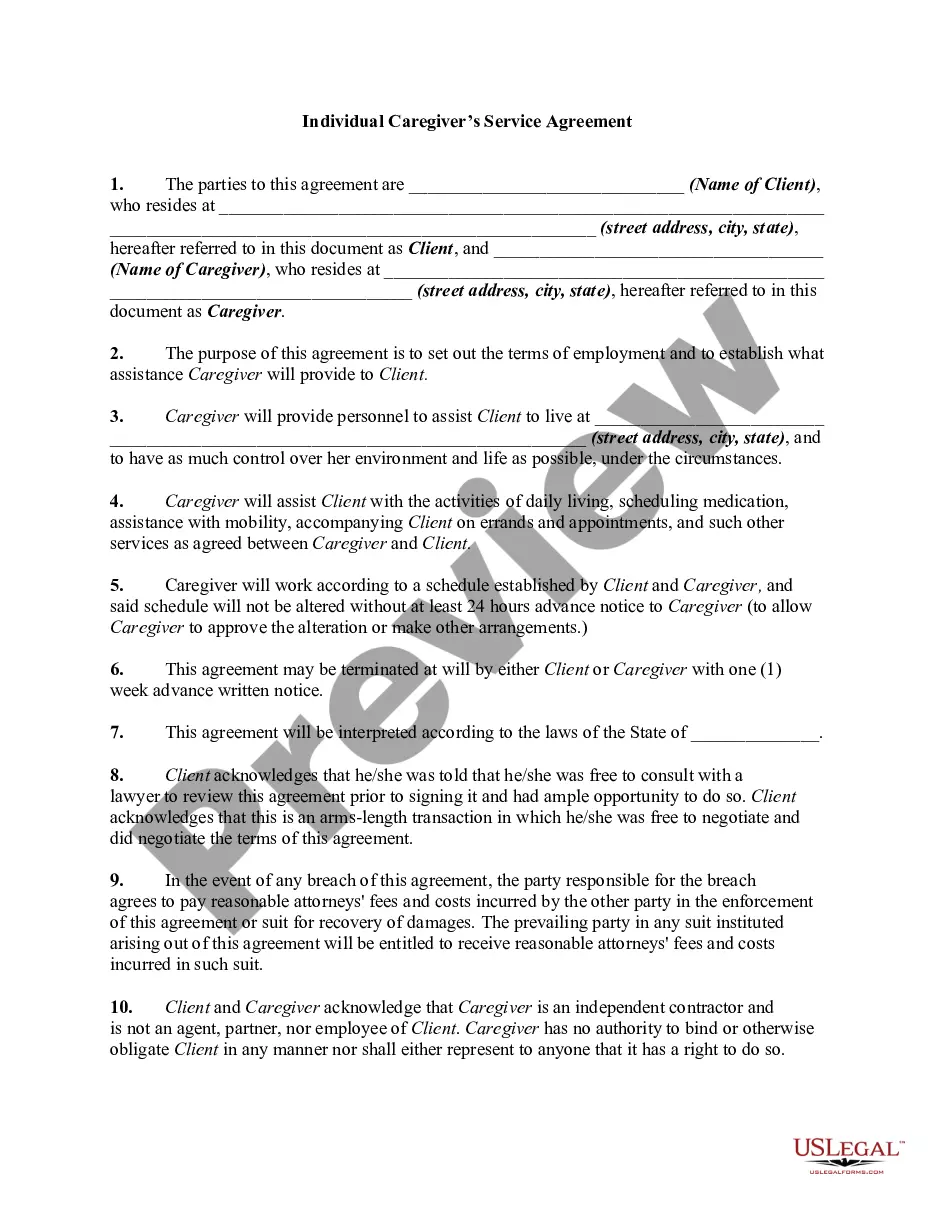
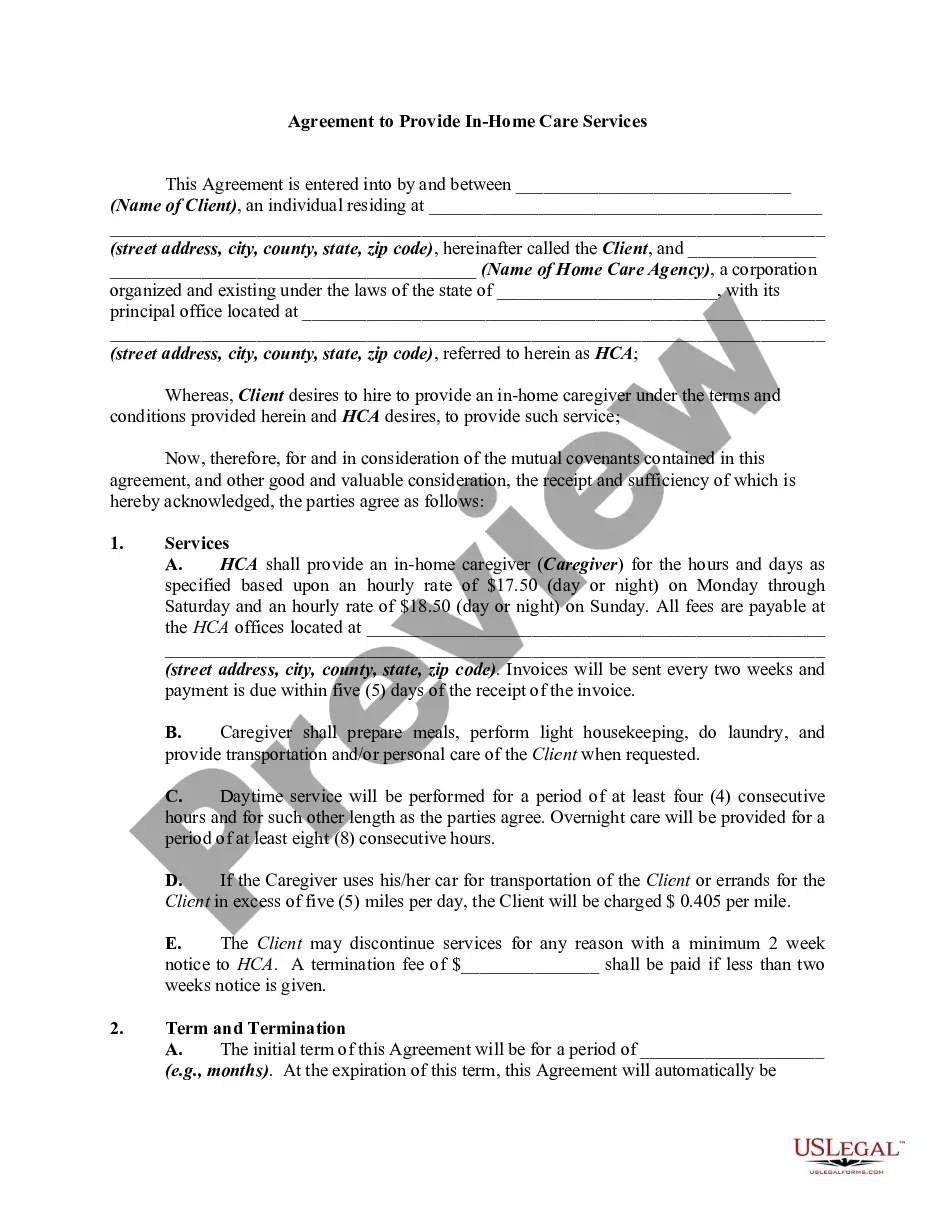
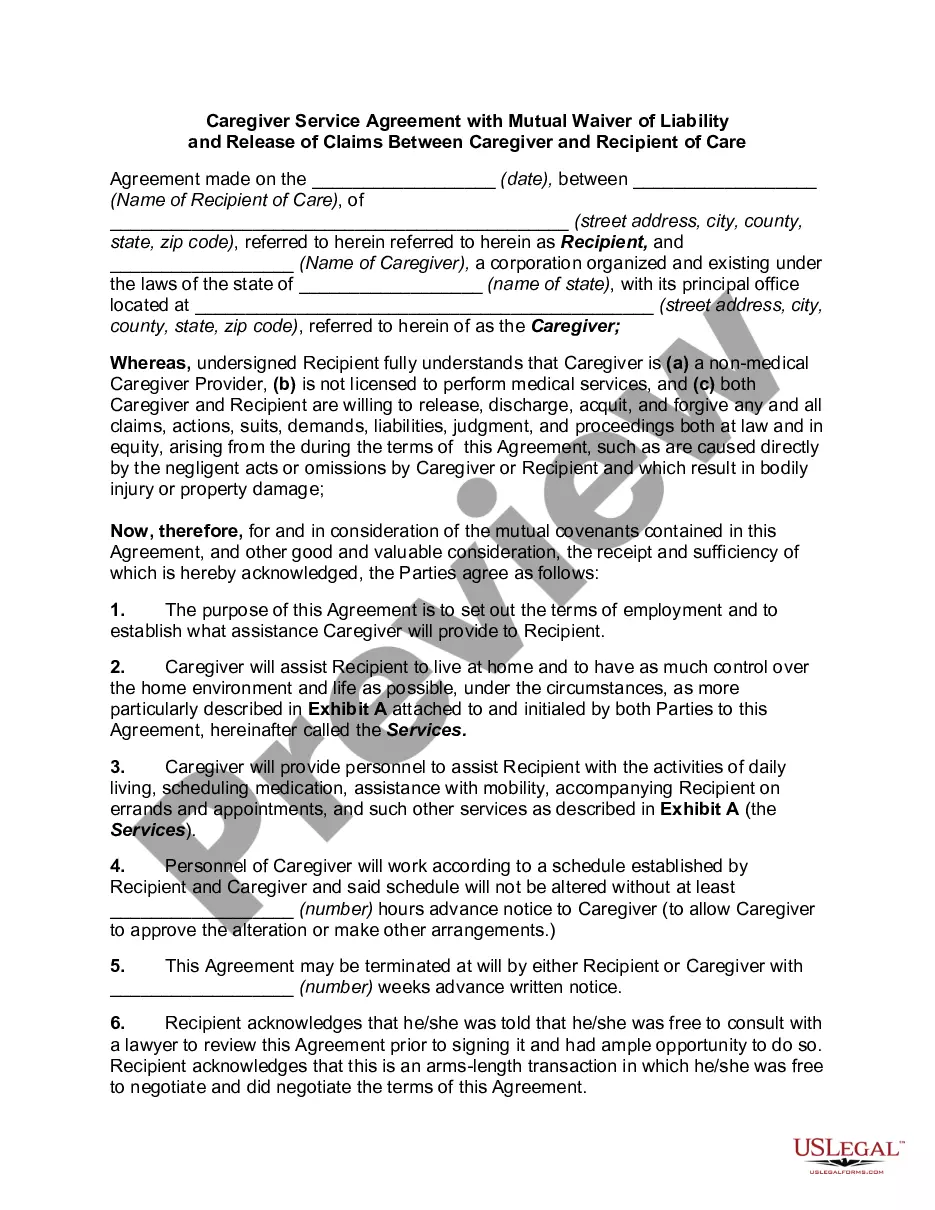
Get your form ready online
Our built-in tools help you complete, sign, share, and store your documents in one place.
Make edits, fill in missing information, and update formatting in US Legal Forms—just like you would in MS Word.
Download a copy, print it, send it by email, or mail it via USPS—whatever works best for your next step.
Sign and collect signatures with our SignNow integration. Send to multiple recipients, set reminders, and more. Go Premium to unlock E-Sign.
If this form requires notarization, complete it online through a secure video call—no need to meet a notary in person or wait for an appointment.
We protect your documents and personal data by following strict security and privacy standards.

Make edits, fill in missing information, and update formatting in US Legal Forms—just like you would in MS Word.

Download a copy, print it, send it by email, or mail it via USPS—whatever works best for your next step.

Sign and collect signatures with our SignNow integration. Send to multiple recipients, set reminders, and more. Go Premium to unlock E-Sign.

If this form requires notarization, complete it online through a secure video call—no need to meet a notary in person or wait for an appointment.

We protect your documents and personal data by following strict security and privacy standards.
Looking for another form?








Form popularity
FAQ
To get a job in healthcare policy, job candidates should begin efforts through a graduate-level education, preferably a master of health administration (MHA). The leading candidates for policy positions have backgrounds in healthcare management and public health, among others.
Coverage for long-term care services is limited to people who meet certain requirements. Coverage may include home healthcare, personal care, and help with chores, meals, and shopping.
Topics & Issues Aging, Health and EquityChronic DiseaseClimate, Health and Equity Public Health Under Threat Public Health Workforce Racial Equity Sexual & Reproductive Health Social Determinants of Health Substance Misuse Suicide Tobacco Transportation Vaccines Zika 9 more rows
The Federal Role in Health Policy The federal government pays for health coverage for well over 100 million Americans through Medicare, Medicaid, the Children's Health Insurance Program (CHIP), the Veterans' Health Administration, the Indian Health Service, and the Affordable Care Act (ACA).
Administrative policies ensure that the hospital has the resources it needs to operate. For example, these policies cover acquiring and maintaining equipment. They may also include policies on vendor requirements, licensing and credentials, and records requirements.
On the federal level, elected and appointed officials write healthcare policy with input from other professionals. Like other public-policy decisions, healthcare policy on the federal level is traditionally made through the three branches of government. The judicial branch interprets the policy.
Hospital policies and procedures (P&Ps) are tools to guide staff towards accomplishing the hospital's goals, and to ensure compliance with federal and state legal requirements as well as applicable accreditation standards.
Patient safety is the cornerstone of high-quality health care. Much of the work defining patient safety and practices that prevent harm have focused on negative outcomes of care, such as mortality and morbidity.
Article Sections Assemble a team and build consensus. Document your clinical processes. Modify the policy for local use. Communicate changes in processes. Decide how to evaluate the policy. Test the changes or interventions. Adopt the revised clinical policy. Evaluate the new policy.
