Social Security Form For Caregiver For Parents In Utah
Description



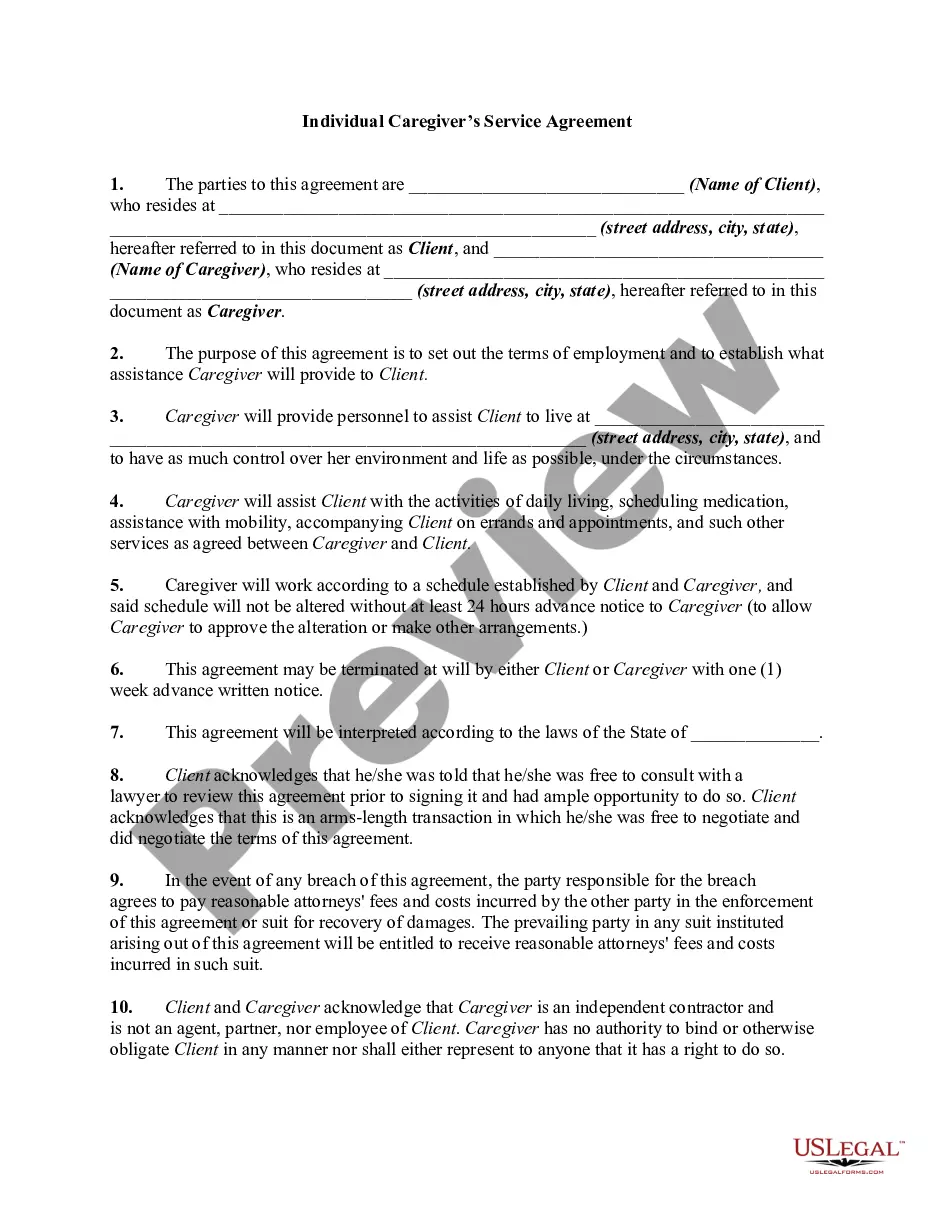


Get your form ready online
Our built-in tools help you complete, sign, share, and store your documents in one place.
Make edits, fill in missing information, and update formatting in US Legal Forms—just like you would in MS Word.
Download a copy, print it, send it by email, or mail it via USPS—whatever works best for your next step.
Sign and collect signatures with our SignNow integration. Send to multiple recipients, set reminders, and more. Go Premium to unlock E-Sign.
If this form requires notarization, complete it online through a secure video call—no need to meet a notary in person or wait for an appointment.
We protect your documents and personal data by following strict security and privacy standards.

Make edits, fill in missing information, and update formatting in US Legal Forms—just like you would in MS Word.

Download a copy, print it, send it by email, or mail it via USPS—whatever works best for your next step.

Sign and collect signatures with our SignNow integration. Send to multiple recipients, set reminders, and more. Go Premium to unlock E-Sign.

If this form requires notarization, complete it online through a secure video call—no need to meet a notary in person or wait for an appointment.

We protect your documents and personal data by following strict security and privacy standards.
Looking for another form?








Form popularity
FAQ
A family caregiver can be someone caring for a spouse or parent, an extended family member, or even a friend or neighbor.
A family and friends care arrangement, also known as kinship care, is one in which a child who cannot be cared for by their parent(s) or another person with parental responsibility goes to live with a relative, friend, or other connected person.
November 4, 2020 Caring for an aging parent is incredibly rewarding. It also can be stressful, expensive, and time-consuming. So we've put together a checklist to help you provide a high quality of life to your elderly parent. The terms caregiver and caretaker are sometimes used interchangeably in the elder-care world.
Someone who takes care of a very young, elderly, or ill person is called a caregiver. If you make sure your ailing friend eats every day and is relatively comfortable, you are her caregiver. Being a caregiver is sometimes a paying job — a home health aid and a nurse in a hospital both work as caregivers.
One alternative name for a caregiver is a "care provider." This term emphasizes the role of the caregiver in providing essential care and assistance to individuals in need. Care providers offer support, comfort, and aid to individuals who require assistance with daily tasks or specialized care.
Tip 1: Accept your feelings. Tip 2: Find caregiver support. Tip 3: Really connect with your loved one. Tip 4: Attend to your own needs. Tip 5: Take advantage of community services. Tip 6: Provide long-distance care.
The Utah Caregiver Support Program offers in-home services that support family caregivers of individuals with health, mobility, neurological or functional limitations in hopes of enabling them to care for their loved one as long as possible and delay facility placement. There is no low income requirement.
Caregiver burden refers to the negative emotions and strain experienced by caregivers as a result of caring for patients with chronic illnesses. It is a negative outcome of the caregiving experience, exacerbated by the multiple roles and responsibilities that caregivers fulfill 9.
