Caregiver Form Sample For Parents In Travis
Description


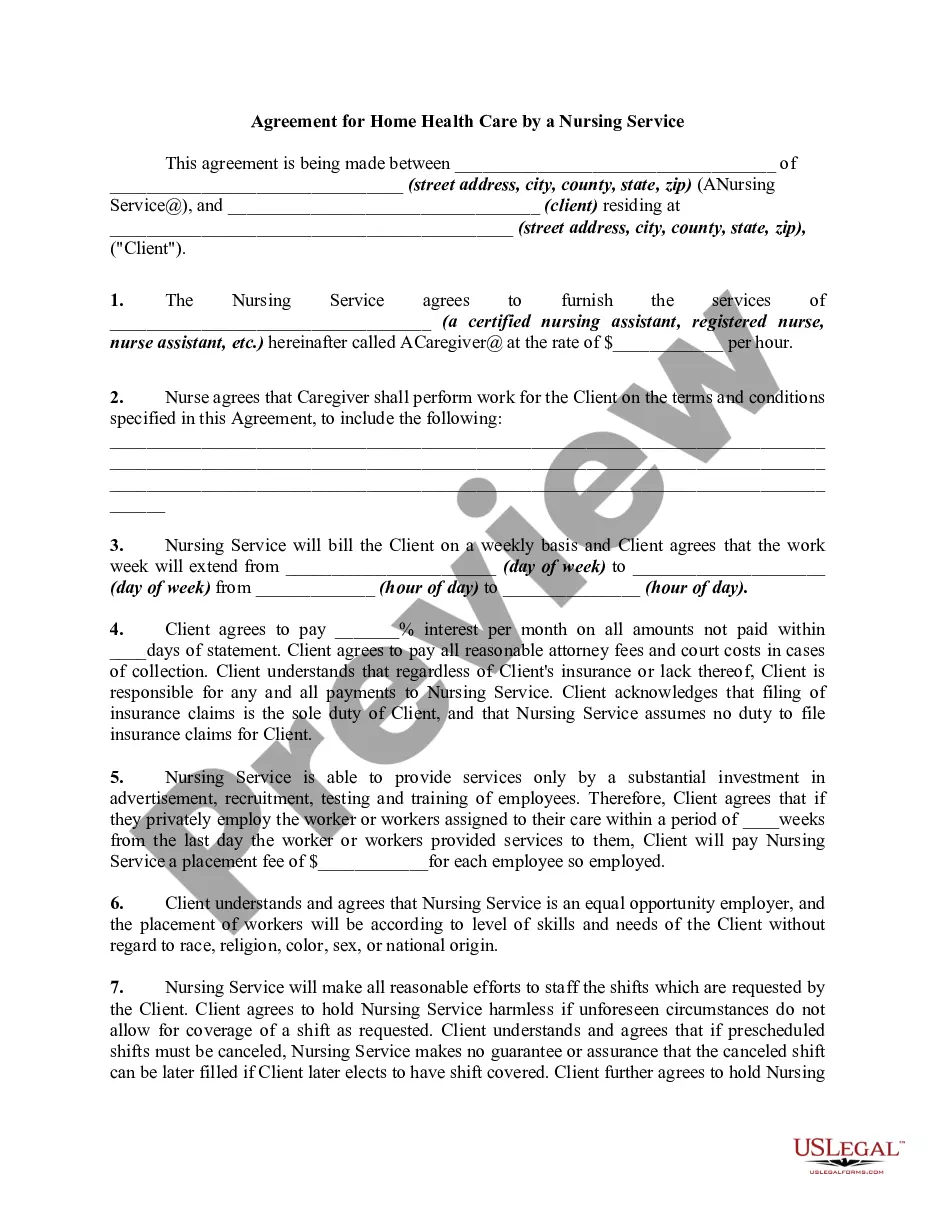
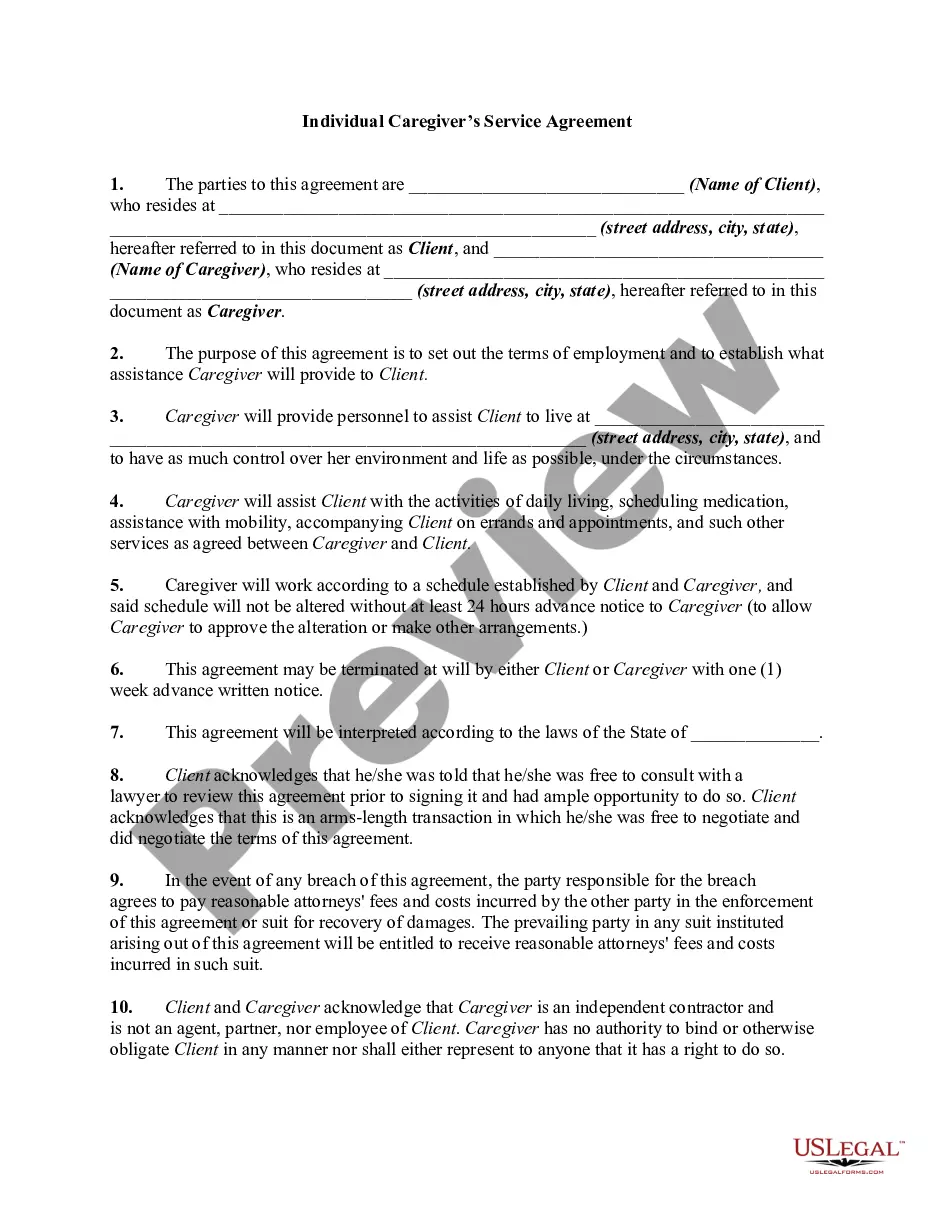
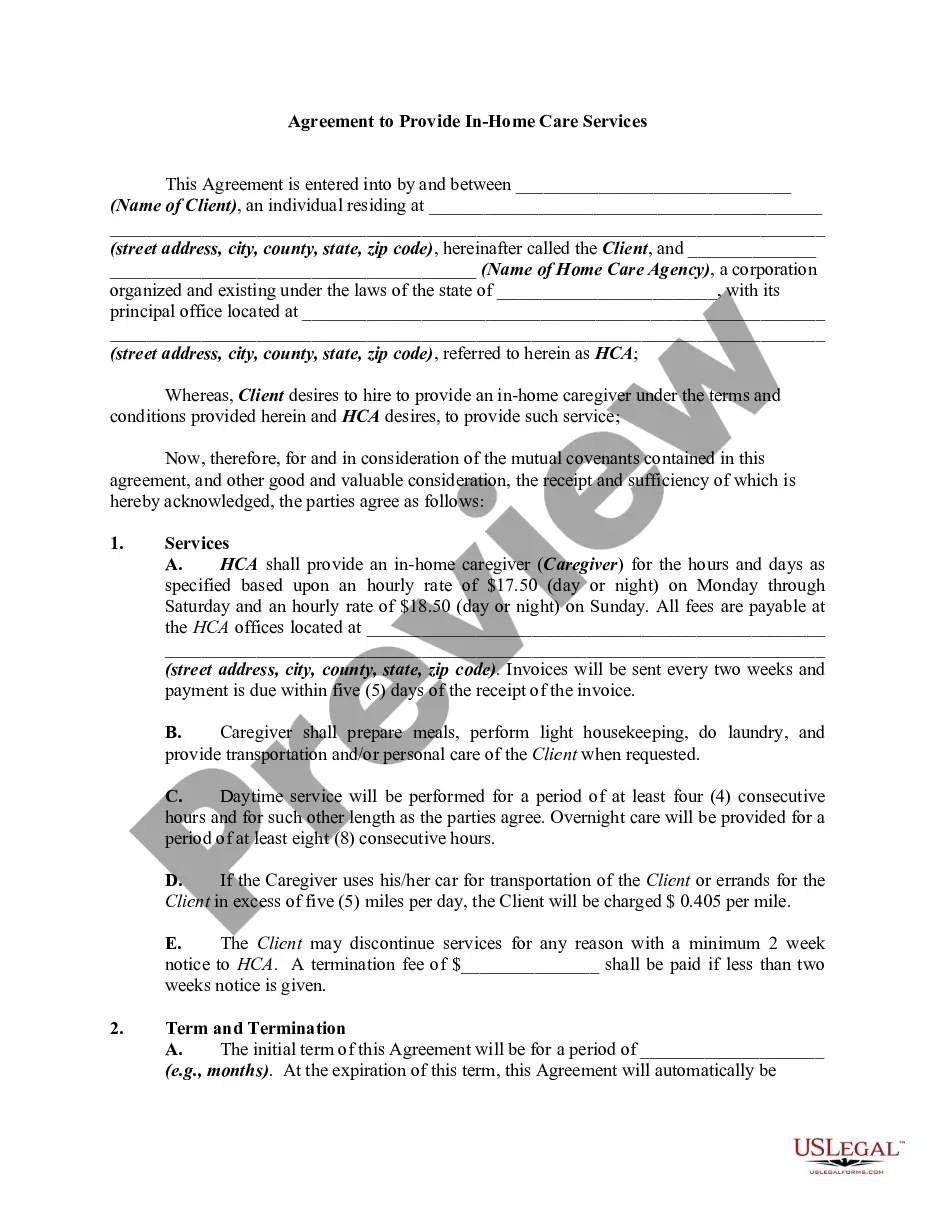
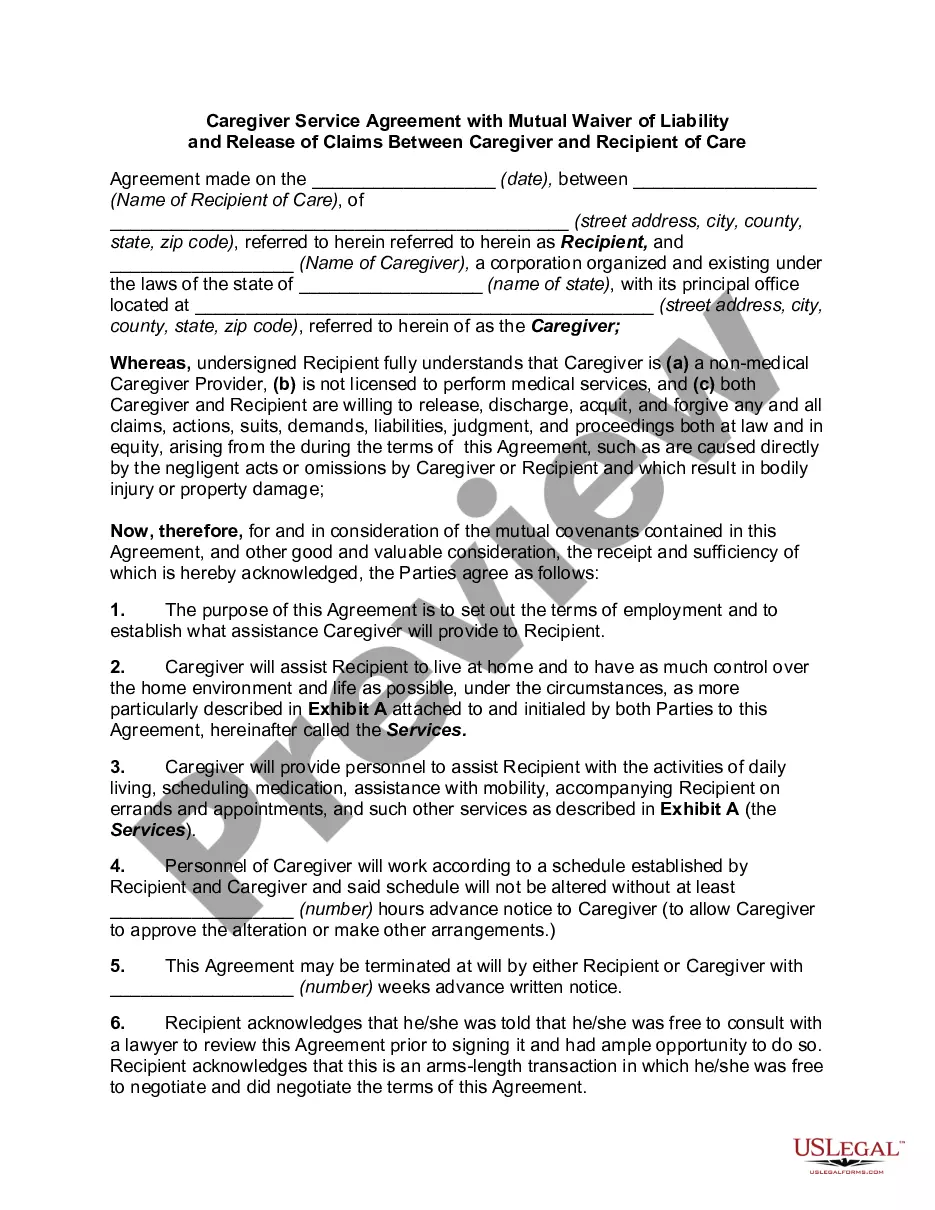
Get your form ready online
Our built-in tools help you complete, sign, share, and store your documents in one place.
Make edits, fill in missing information, and update formatting in US Legal Forms—just like you would in MS Word.
Download a copy, print it, send it by email, or mail it via USPS—whatever works best for your next step.
Sign and collect signatures with our SignNow integration. Send to multiple recipients, set reminders, and more. Go Premium to unlock E-Sign.
If this form requires notarization, complete it online through a secure video call—no need to meet a notary in person or wait for an appointment.
We protect your documents and personal data by following strict security and privacy standards.

Make edits, fill in missing information, and update formatting in US Legal Forms—just like you would in MS Word.

Download a copy, print it, send it by email, or mail it via USPS—whatever works best for your next step.

Sign and collect signatures with our SignNow integration. Send to multiple recipients, set reminders, and more. Go Premium to unlock E-Sign.

If this form requires notarization, complete it online through a secure video call—no need to meet a notary in person or wait for an appointment.

We protect your documents and personal data by following strict security and privacy standards.
Looking for another form?


Form popularity
FAQ
To keep everyone involved in caregiving informed, it may be useful to compile a notebook with details about the care recipient's medical care, social services, contact numbers, financial information, and other pertinent details.
Formal Supports . System representatives that are formally involved with the enrollee/family in times of need. Examples include therapists, child welfare worker, W2 workers, probation or parole officers, teachers or other school personnel.
Here are the most widely seen 4 types of caregivers: Professional caregivers. Those who are trained, certified, and employed to provide care services are known as professional caregivers. Family caregivers. Volunteer caregivers. Informal caregivers.
Caregiver burden refers to the negative emotions and strain experienced by caregivers as a result of caring for patients with chronic illnesses. It is a negative outcome of the caregiving experience, exacerbated by the multiple roles and responsibilities that caregivers fulfill 9.
Tip 1: Accept your feelings. Tip 2: Find caregiver support. Tip 3: Really connect with your loved one. Tip 4: Attend to your own needs. Tip 5: Take advantage of community services. Tip 6: Provide long-distance care.
He is a caregiver for his autistic son. She is able to take care of her husband at home with the help of several caregivers. Unless you have been a caregiver or a close family member or friend to someone with Alzheimer's, it's hard to really understand what it's like.
Organize a “Thank You” surprise party or gathering in their honor. Offer to give them a break: Arrange for a respite caregiver so they can take a day off. Bake their favorite cookies or cook their favorite meal. Give them a hand with household chores, such as cleaning or grocery shopping.
Caregiver encouragement messages You're taking such good care of our dad. Sometimes it can feel like the work you do goes unnoticed. I see everything you're doing and want you to know what a good, kind person you are. Your love and sacrifices lighten the load of our family.
Scoring is 2 points for each 'yes', and 1 point for each 'sometimes' response. The higher the score, the higher the level of caregiver strain. VALIDITY AND RELIABILITY: Internal reliability coefficient is slightly higher (=. 90) than the coefficient originally reported for the CSI in 1983 (=.
Thank you for all that you do for your loved one. Caring for someone old, ill, or injured is not easy; therefore, I know that you often feel overwhelmed and alone. I want to give you hope and affirmations in this letter. You are doing a great job and making a difference in the life of your elderly loved one.
