Social Security Form For Caregiver For Parents In Texas
Description



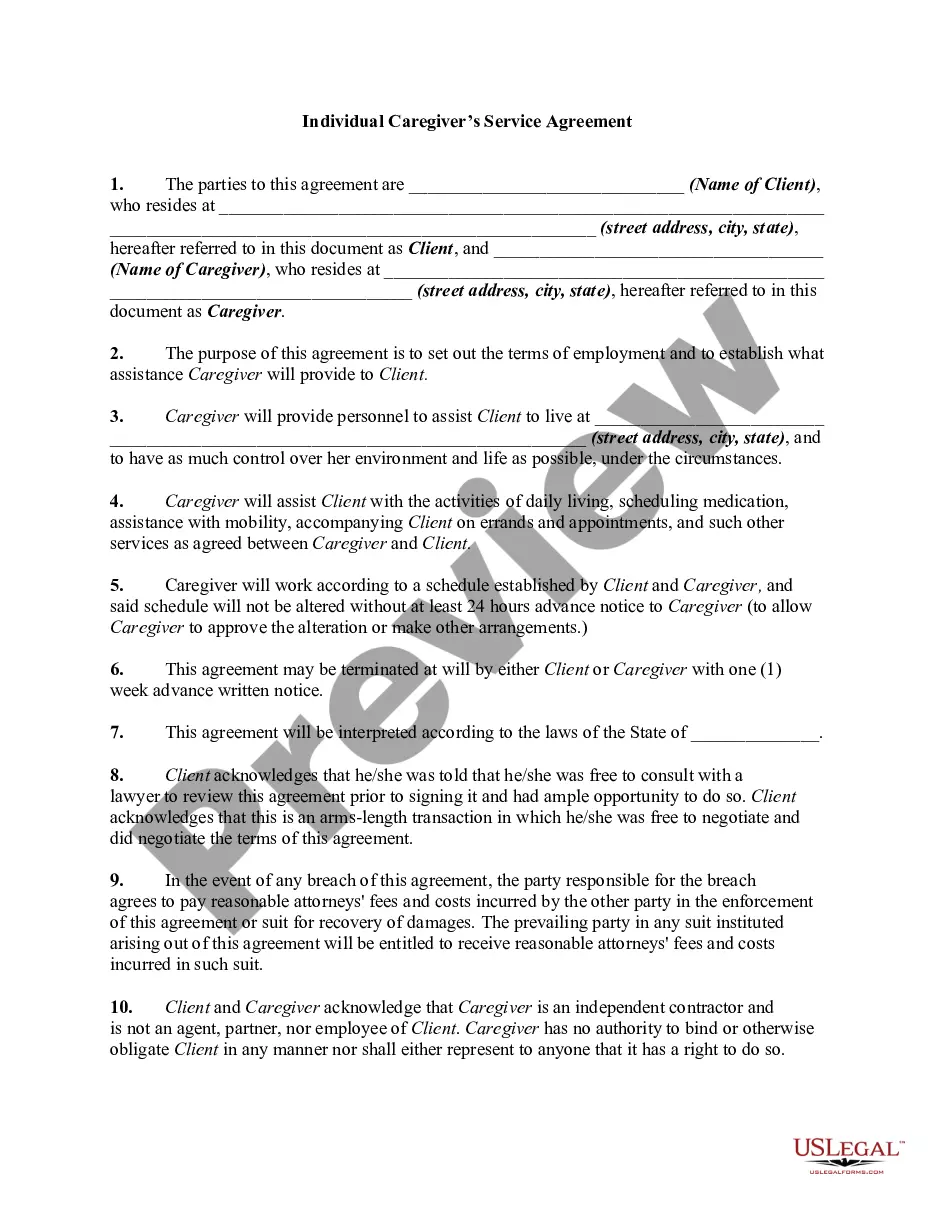


Get your form ready online
Our built-in tools help you complete, sign, share, and store your documents in one place.
Make edits, fill in missing information, and update formatting in US Legal Forms—just like you would in MS Word.
Download a copy, print it, send it by email, or mail it via USPS—whatever works best for your next step.
Sign and collect signatures with our SignNow integration. Send to multiple recipients, set reminders, and more. Go Premium to unlock E-Sign.
If this form requires notarization, complete it online through a secure video call—no need to meet a notary in person or wait for an appointment.
We protect your documents and personal data by following strict security and privacy standards.

Make edits, fill in missing information, and update formatting in US Legal Forms—just like you would in MS Word.

Download a copy, print it, send it by email, or mail it via USPS—whatever works best for your next step.

Sign and collect signatures with our SignNow integration. Send to multiple recipients, set reminders, and more. Go Premium to unlock E-Sign.

If this form requires notarization, complete it online through a secure video call—no need to meet a notary in person or wait for an appointment.

We protect your documents and personal data by following strict security and privacy standards.
Looking for another form?
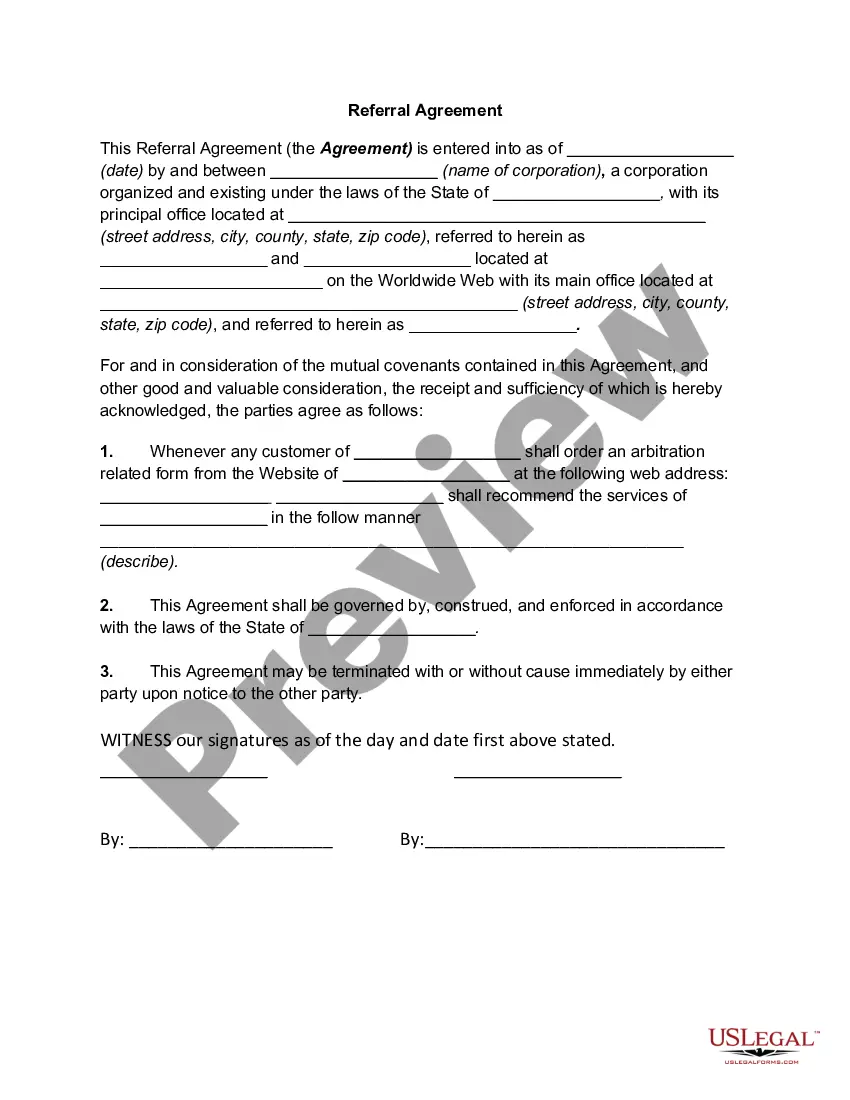

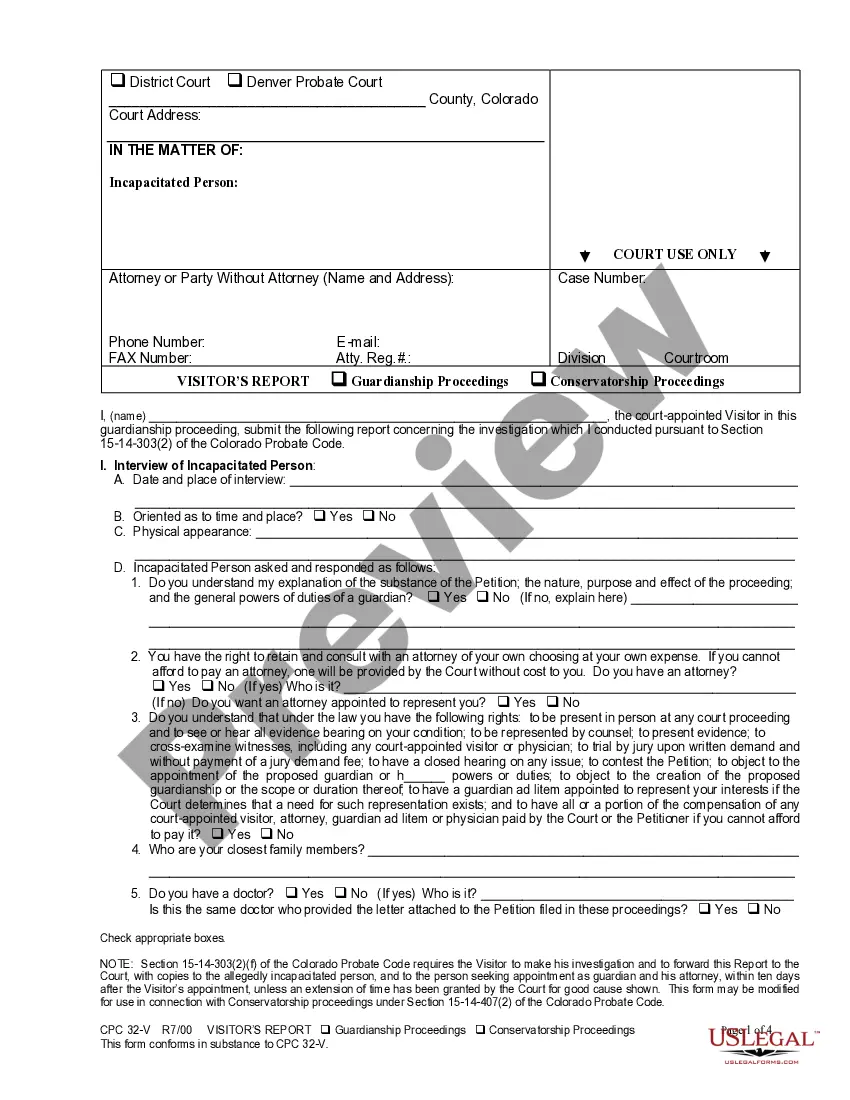
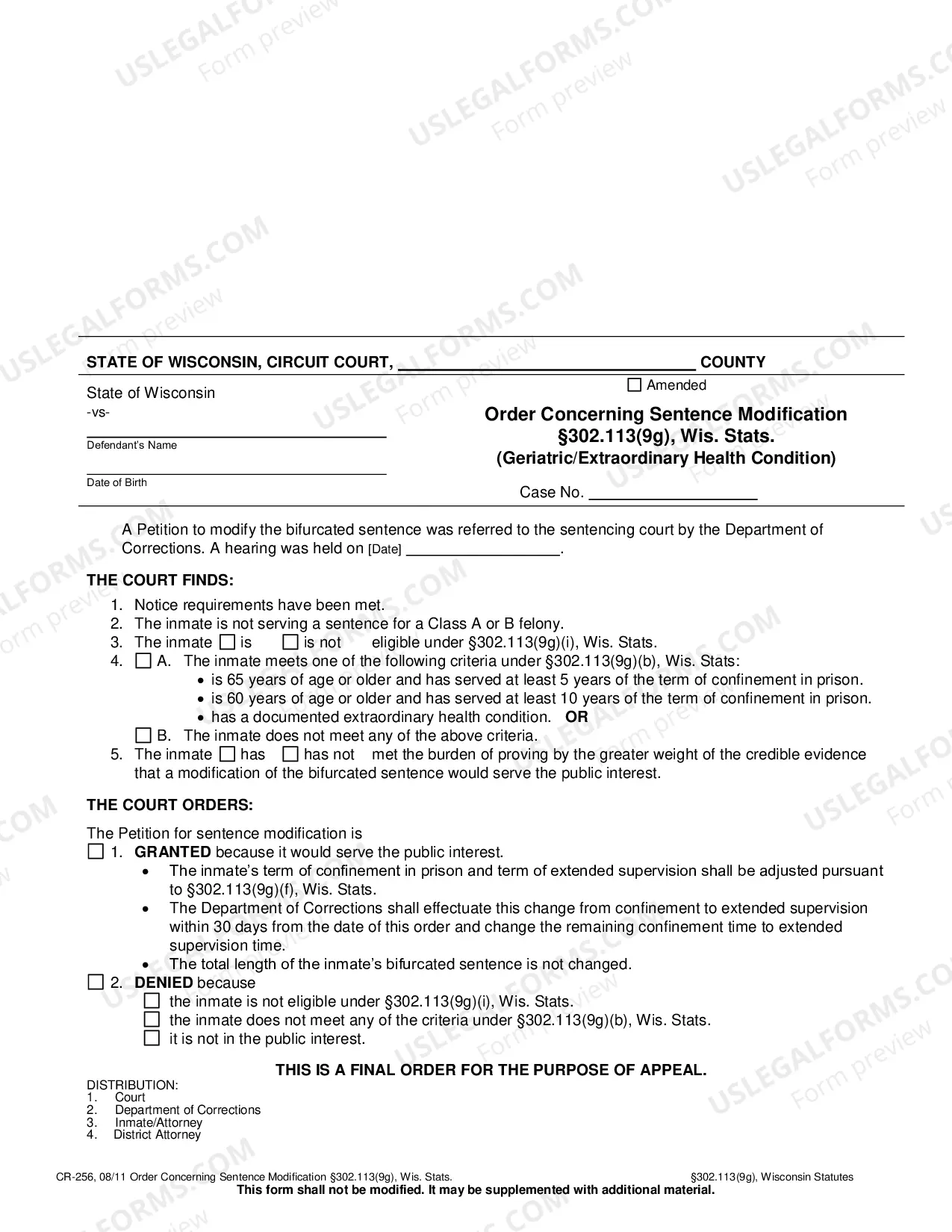


Form popularity
FAQ
How to be a good friend to a caregiver. Keep in touch. Caregiving can be very lonely and isolating. Be a good listener. Sometimes caregivers just want to be heard. Have empathy. Surprise your friend. Say kind and comforting sentences such as:
What do caregivers need most? Listen attentively. Really listen to what they have to say. Don't tell horror stories. Don't be judgmental. Ask what they need. Offer the gift of your time. Give your friend space. Bring food. Offer to take your friend out—and help arrange respite care.
A family caregiver can be someone caring for a spouse or parent, an extended family member, or even a friend or neighbor.
Caregiver burnout is a state of physical, emotional and mental exhaustion that can happen when you dedicate time and energy to manage the health and safety of someone else. Caregivers who experience burnout may feel tired, stressed, withdrawn, anxious and depressed.
Caregiver burden refers to the negative emotions and strain experienced by caregivers as a result of caring for patients with chronic illnesses. It is a negative outcome of the caregiving experience, exacerbated by the multiple roles and responsibilities that caregivers fulfill 9.
Tip 1: Accept your feelings. Tip 2: Find caregiver support. Tip 3: Really connect with your loved one. Tip 4: Attend to your own needs. Tip 5: Take advantage of community services. Tip 6: Provide long-distance care.
Such caregivers should avoid any role in the client's financial or legal matters unless specifically directed to do so. Activities that are prohibited include: The custody of the client's bank accounts or investments. And you are literally signing the legal paperwork for this person.
A caregiver must: (1) Be at least 18 years of age; (2) Have a high school diploma or its equivalent, and upon request verify completion of any high school equivalency program with original documentation to us. (3) Meet the requirements in Subchapter F of Chapter 745 of this title (relating to Background Checks);
Family caregiving is the act of providing at-home care for a relative, friend, or other loved one with a physical or mental health problem. As life expectancies increase, medical treatments advance, and more people live with chronic illnesses and disabilities, many of us find ourselves caring for a loved one at home.
