Caregiver Form Sample For Elderly In Salt Lake
Description

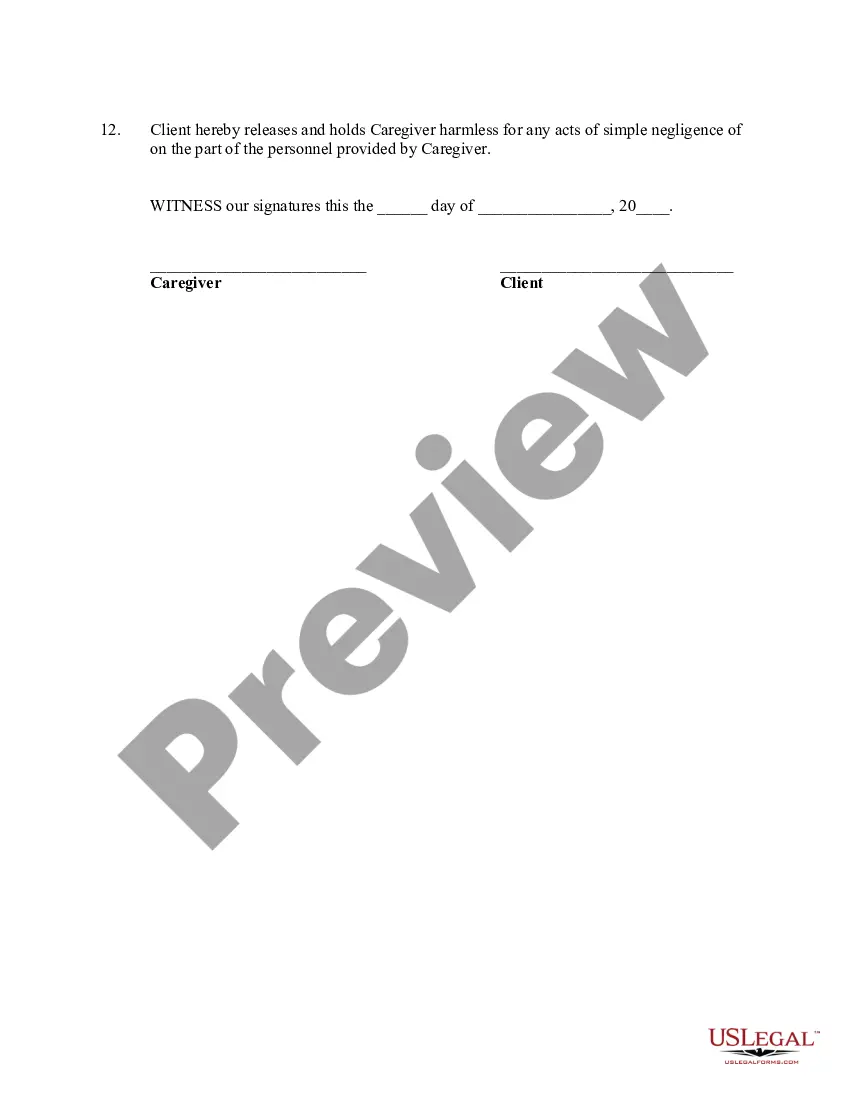
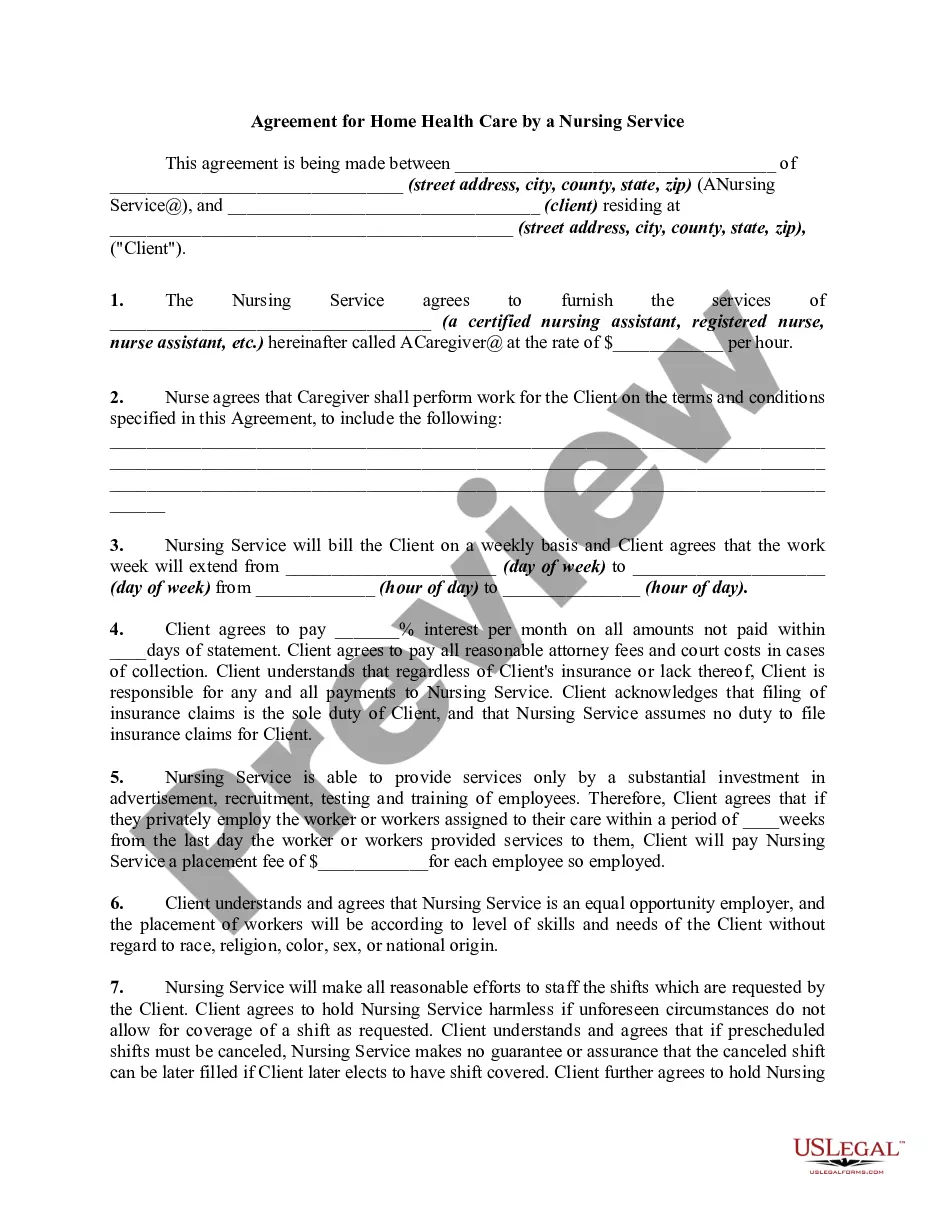
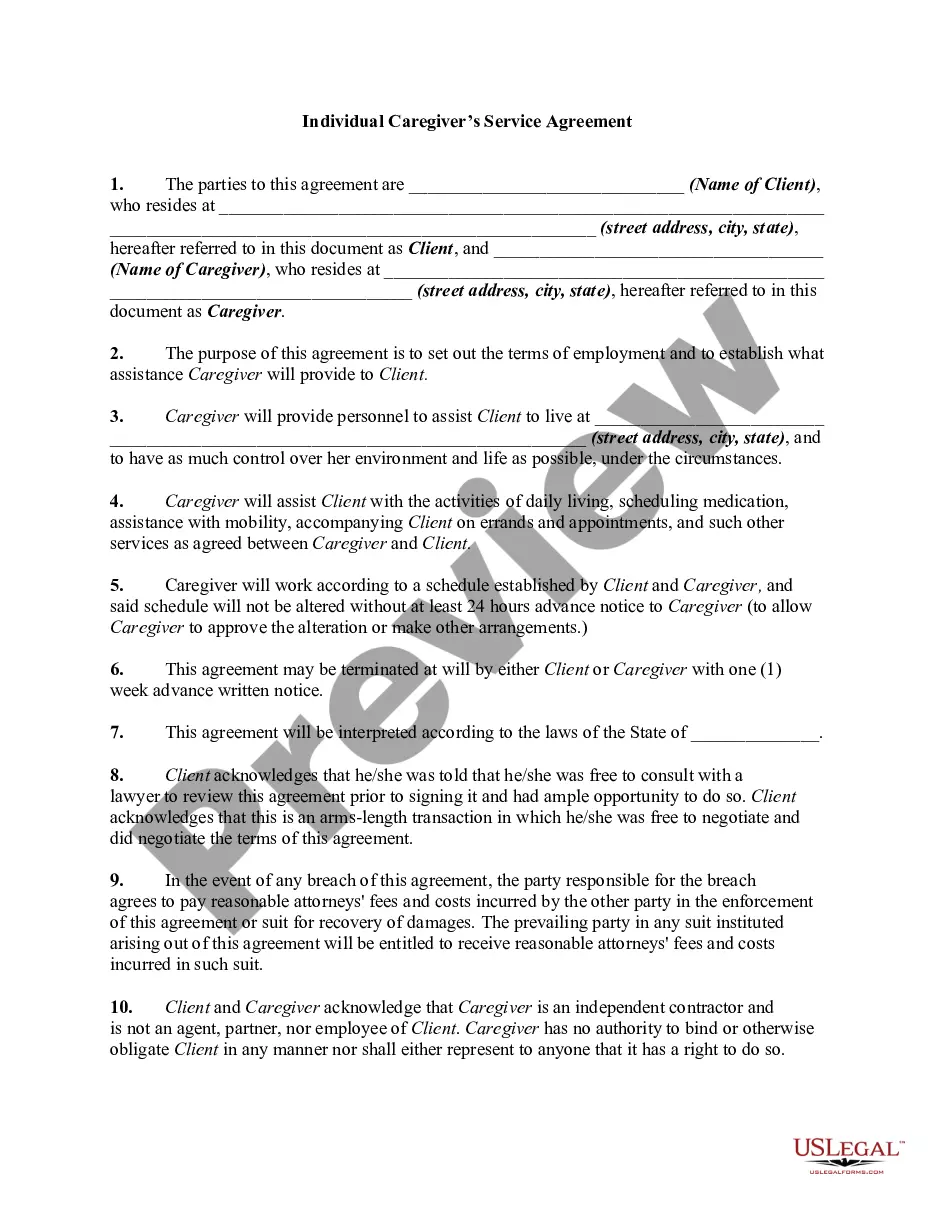
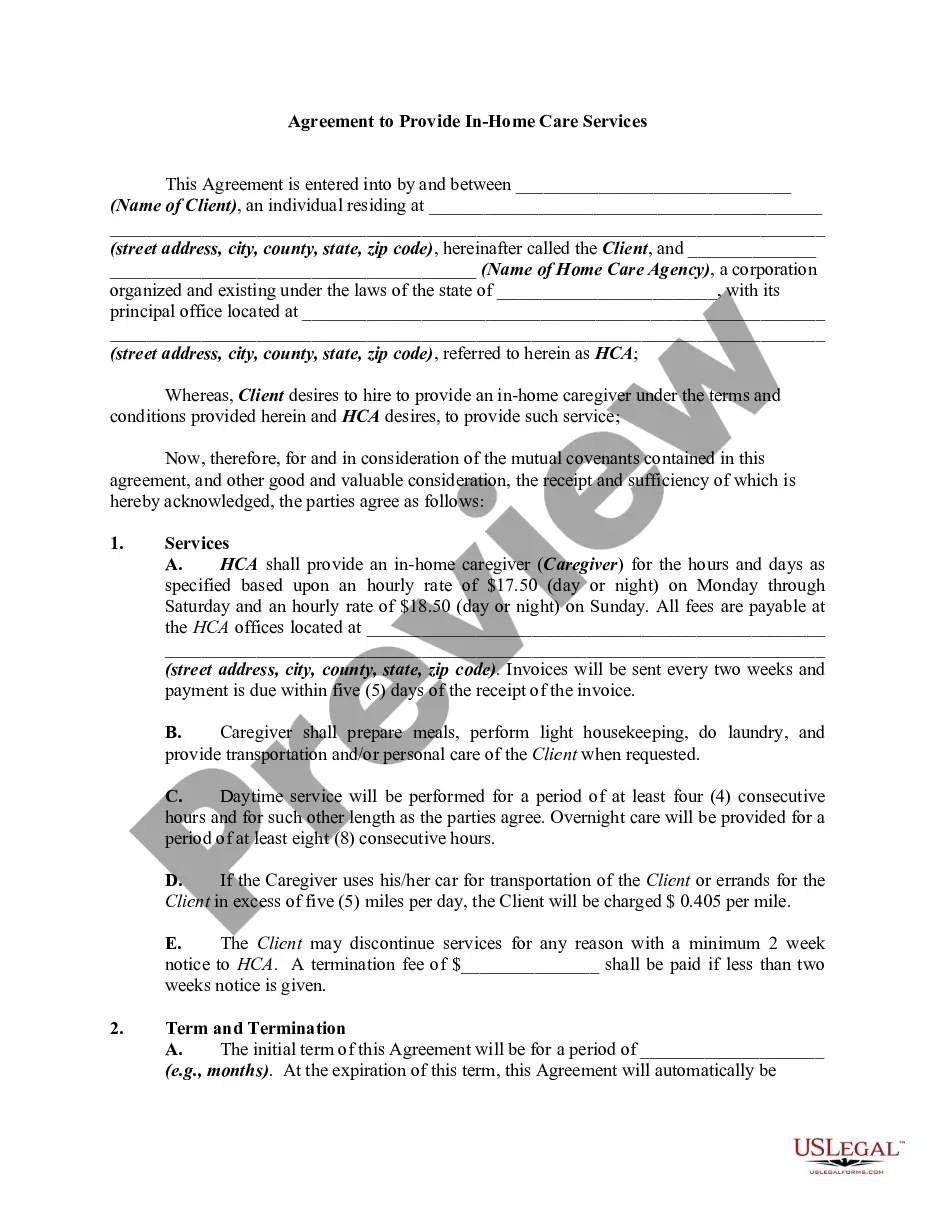
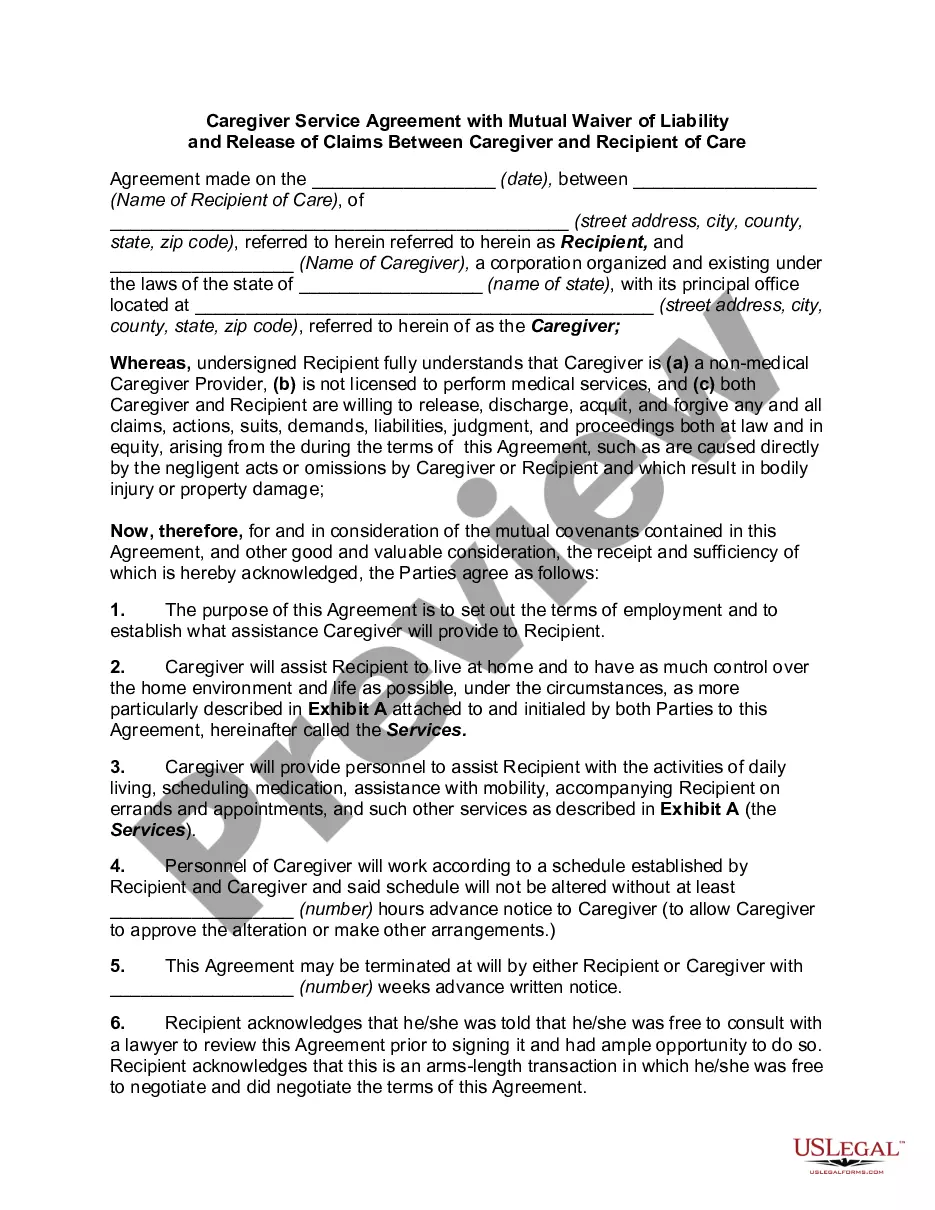
Get your form ready online
Our built-in tools help you complete, sign, share, and store your documents in one place.
Make edits, fill in missing information, and update formatting in US Legal Forms—just like you would in MS Word.
Download a copy, print it, send it by email, or mail it via USPS—whatever works best for your next step.
Sign and collect signatures with our SignNow integration. Send to multiple recipients, set reminders, and more. Go Premium to unlock E-Sign.
If this form requires notarization, complete it online through a secure video call—no need to meet a notary in person or wait for an appointment.
We protect your documents and personal data by following strict security and privacy standards.

Make edits, fill in missing information, and update formatting in US Legal Forms—just like you would in MS Word.

Download a copy, print it, send it by email, or mail it via USPS—whatever works best for your next step.

Sign and collect signatures with our SignNow integration. Send to multiple recipients, set reminders, and more. Go Premium to unlock E-Sign.

If this form requires notarization, complete it online through a secure video call—no need to meet a notary in person or wait for an appointment.

We protect your documents and personal data by following strict security and privacy standards.
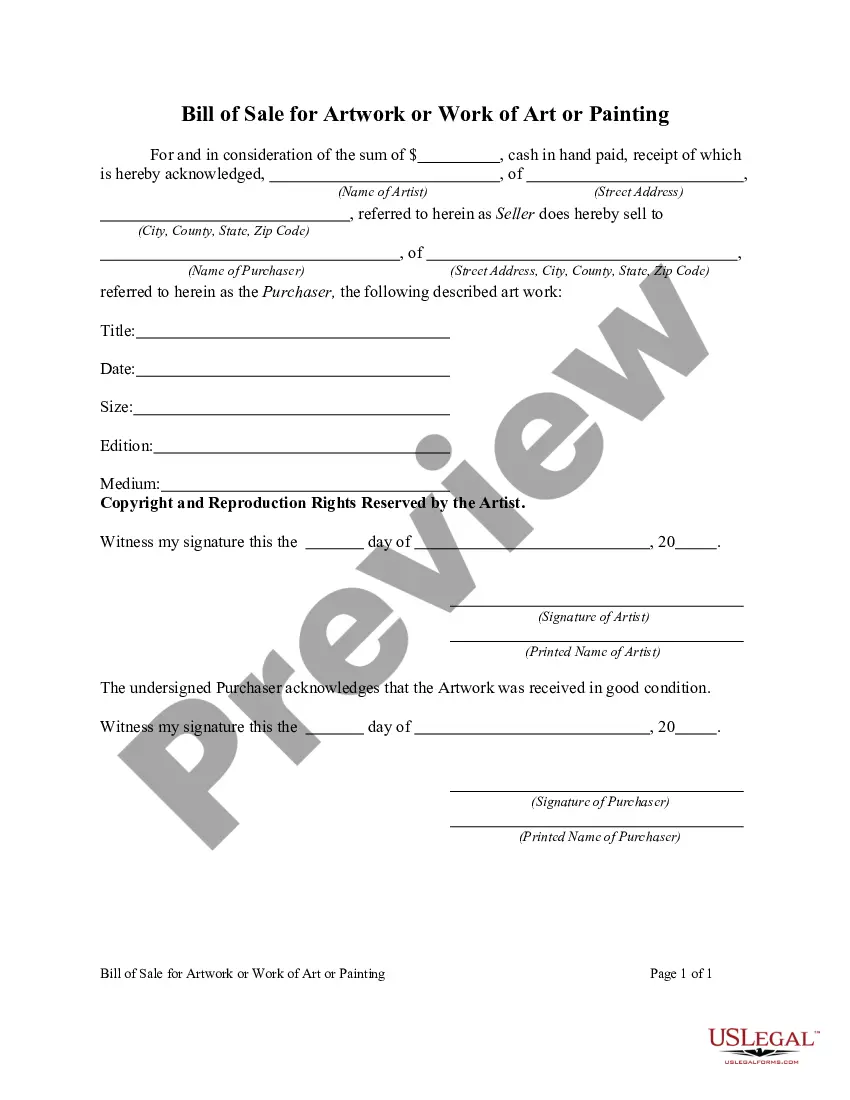
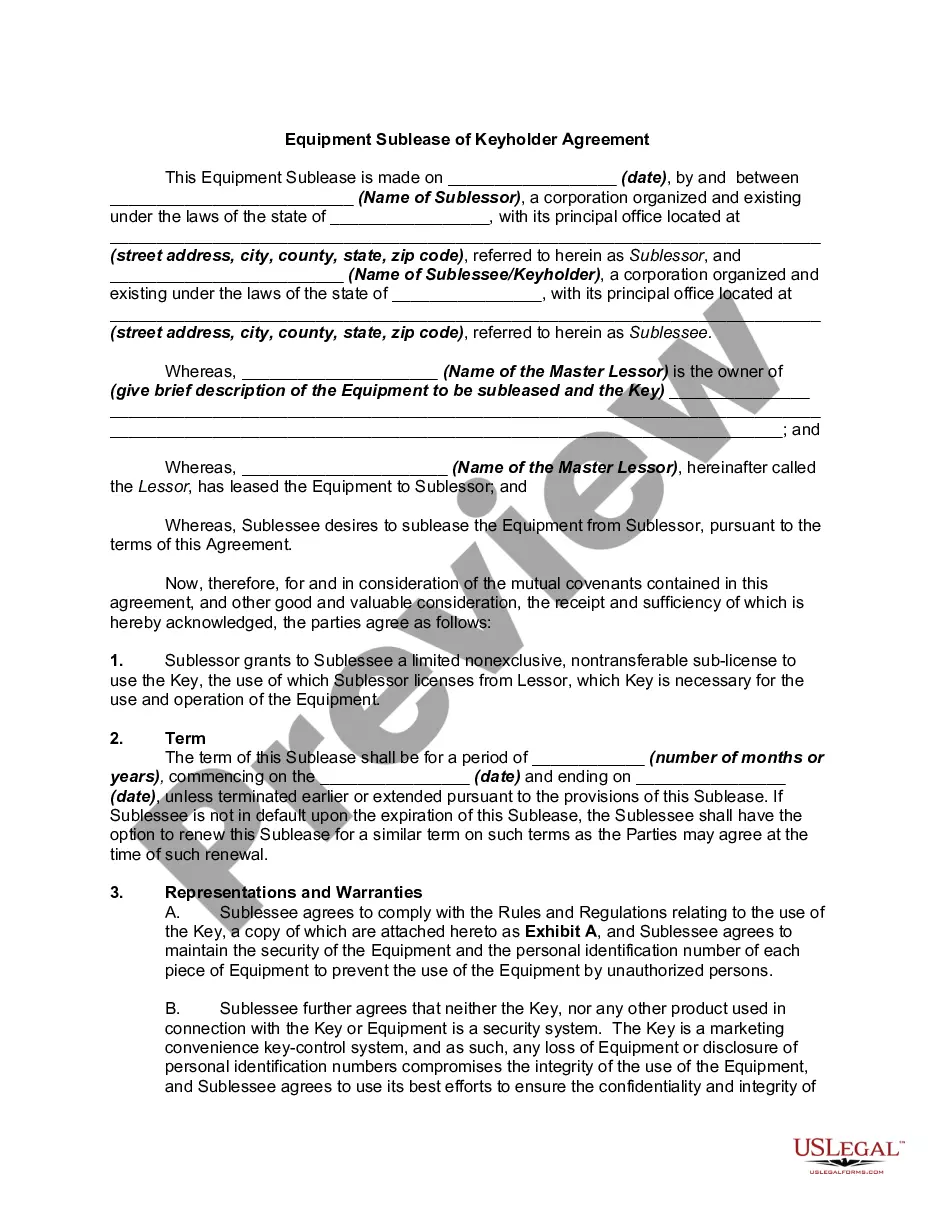
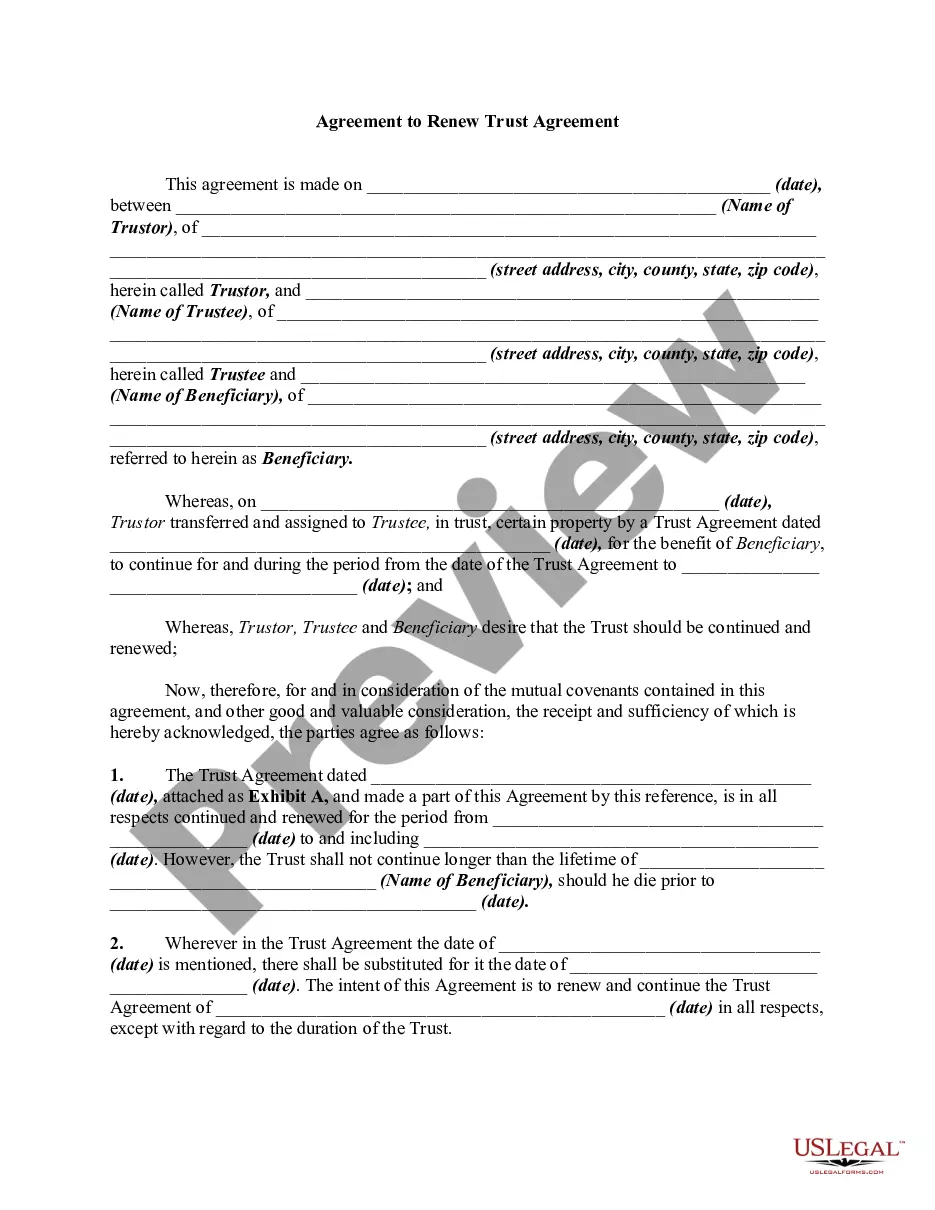
Looking for another form?






Form popularity
FAQ
Click the button below to apply online or call 1-844-275-3773 and choose the "Apply for Services" option to speak with an intake worker. During the intake process, you will be asked to provide information to the division which demonstrates your qualifying disability in one of the areas that DSPD serves.
Here are some steps you can take when writing your caregiver resume: Read over the job description. Write your header. Include a professional summary. Outline your work experience. List your skills. Include your education and training. Mention your certifications and licenses. Proofread your work.
What to Include in a Checklist for Caregivers Name of caregiver on duty. Date the checklist is being used. Name of patients. Patient's morning, afternoon, and evening routines, such as: Taking medication and vital signs. Eating food and drinking water. Housekeeping tasks to do. Changes in patient's condition, if any.
What do caregivers need most? Listen attentively. Really listen to what they have to say. Don't tell horror stories. Don't be judgmental. Ask what they need. Offer the gift of your time. Give your friend space. Bring food. Offer to take your friend out—and help arrange respite care.
While everyone's needs are unique, a checklist can help ensure the caregiving family member does everything necessary to ensure the safety and well-being of their loved one.
The purpose of the Caregiver Assessment Tool (CAT) is to gain an understanding of the Caregiver, the Caregiver's perspective of the caregiving relationship, and the Caregiver's needs. The questions in the CAT facilitate a rapport between the Care Manager and the Caregiver.
Requirements to Become a Caregiver in Utah High school diploma or GED: Most employers require caregivers to have at least a high school diploma or GED equivalent. Background check: Caregivers in Utah must undergo a background check, including a criminal history check, to ensure the safety of their clients.
Role of a Caregiver Helping your loved one in dressing up, toileting and conducting household tasks such as buying groceries and chores. Ensuring your loved one is exercising, eating balanced meals, and taking medication in a timely manner.
A caregiver in the morning may assist with a daily routine — helping with bathing, dressing, putting on makeup, eating breakfast, and engaging in other daytime tasks. At night, a caregiver may assist with bedtime or simply be there to offer comfort and support.
