Caregiver Deal With Nose Bleeding In Phoenix
Description

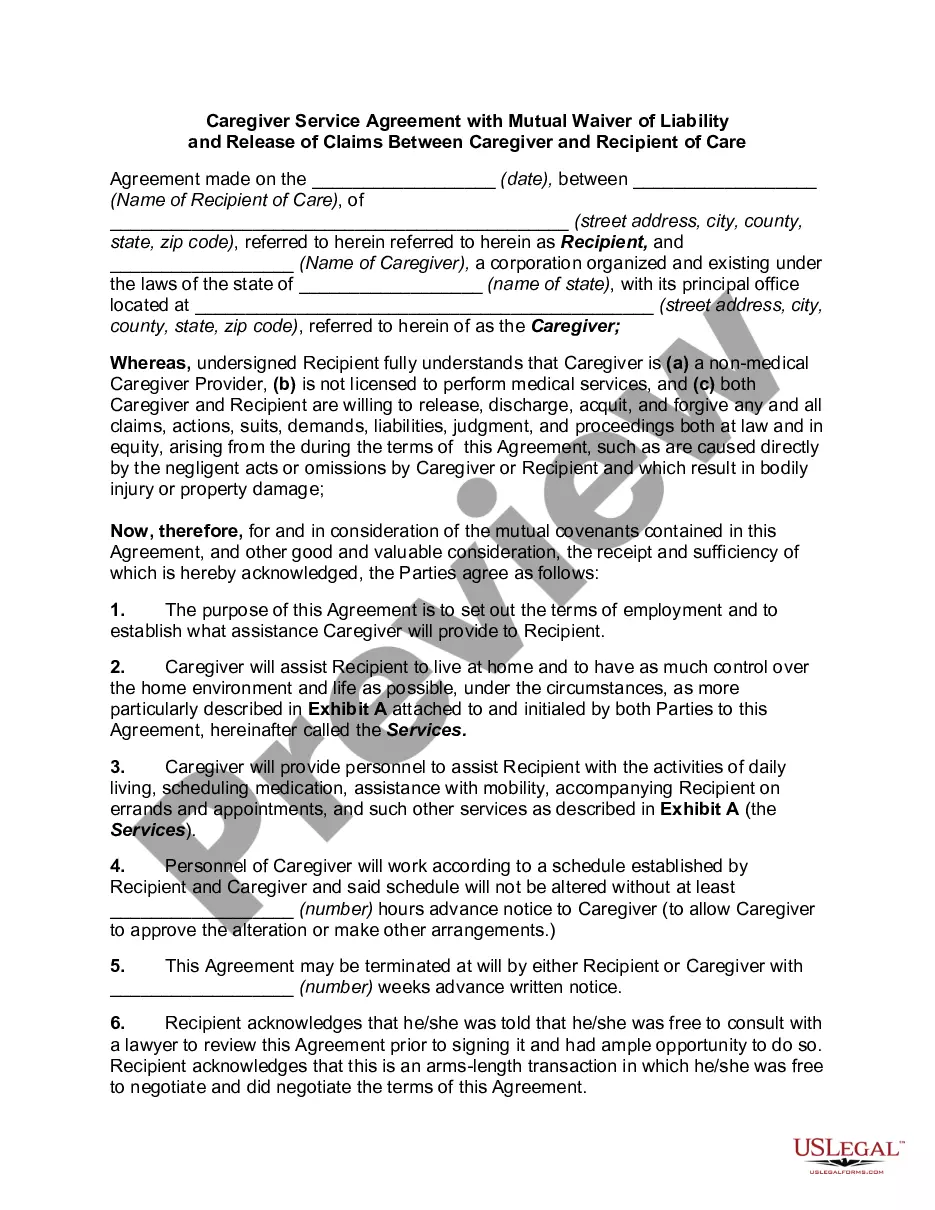
Get your form ready online
Our built-in tools help you complete, sign, share, and store your documents in one place.
Make edits, fill in missing information, and update formatting in US Legal Forms—just like you would in MS Word.
Download a copy, print it, send it by email, or mail it via USPS—whatever works best for your next step.
Sign and collect signatures with our SignNow integration. Send to multiple recipients, set reminders, and more. Go Premium to unlock E-Sign.
If this form requires notarization, complete it online through a secure video call—no need to meet a notary in person or wait for an appointment.
We protect your documents and personal data by following strict security and privacy standards.

Make edits, fill in missing information, and update formatting in US Legal Forms—just like you would in MS Word.

Download a copy, print it, send it by email, or mail it via USPS—whatever works best for your next step.

Sign and collect signatures with our SignNow integration. Send to multiple recipients, set reminders, and more. Go Premium to unlock E-Sign.

If this form requires notarization, complete it online through a secure video call—no need to meet a notary in person or wait for an appointment.

We protect your documents and personal data by following strict security and privacy standards.
Looking for another form?

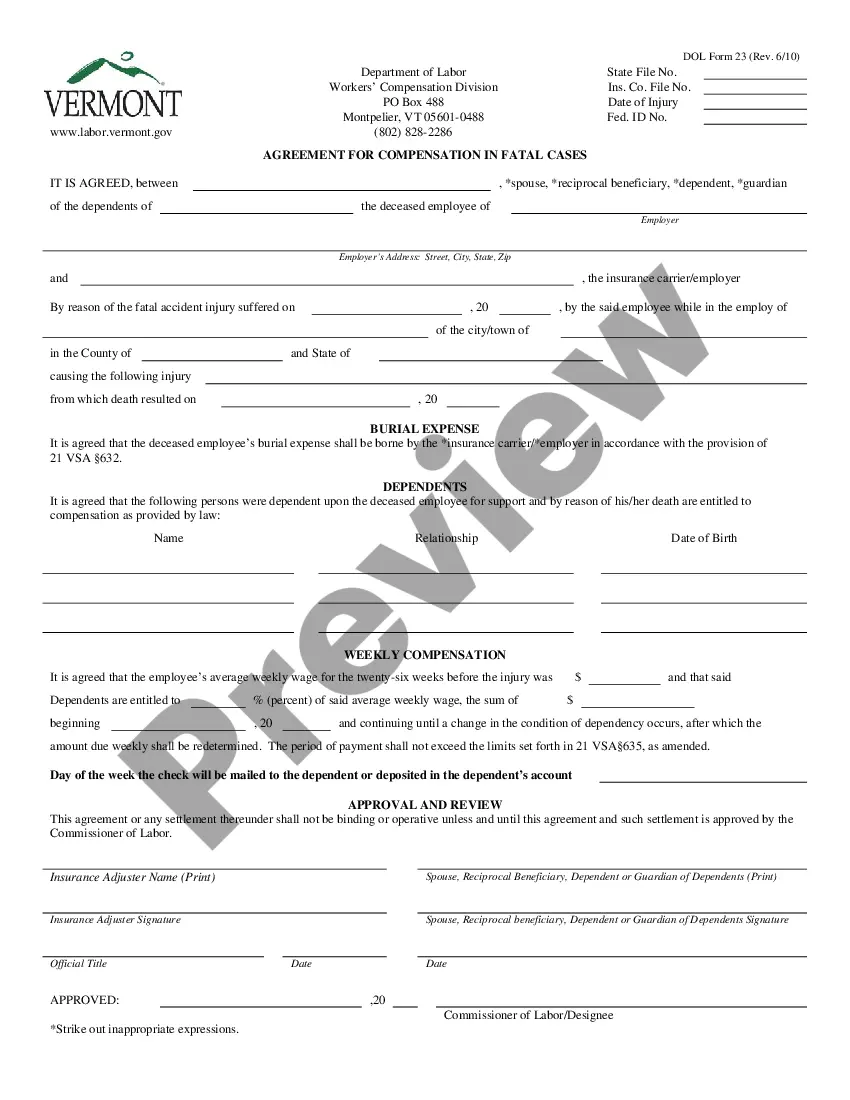
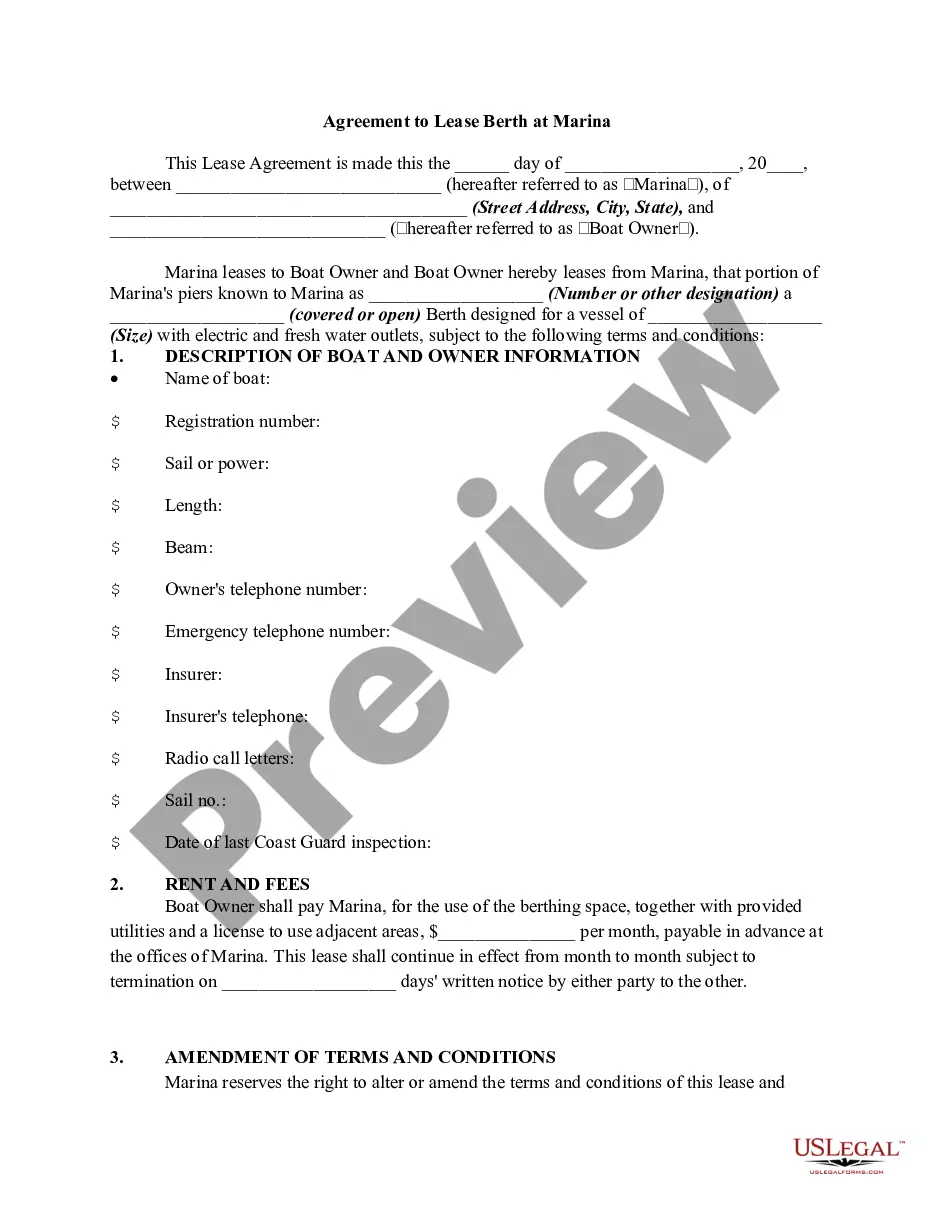


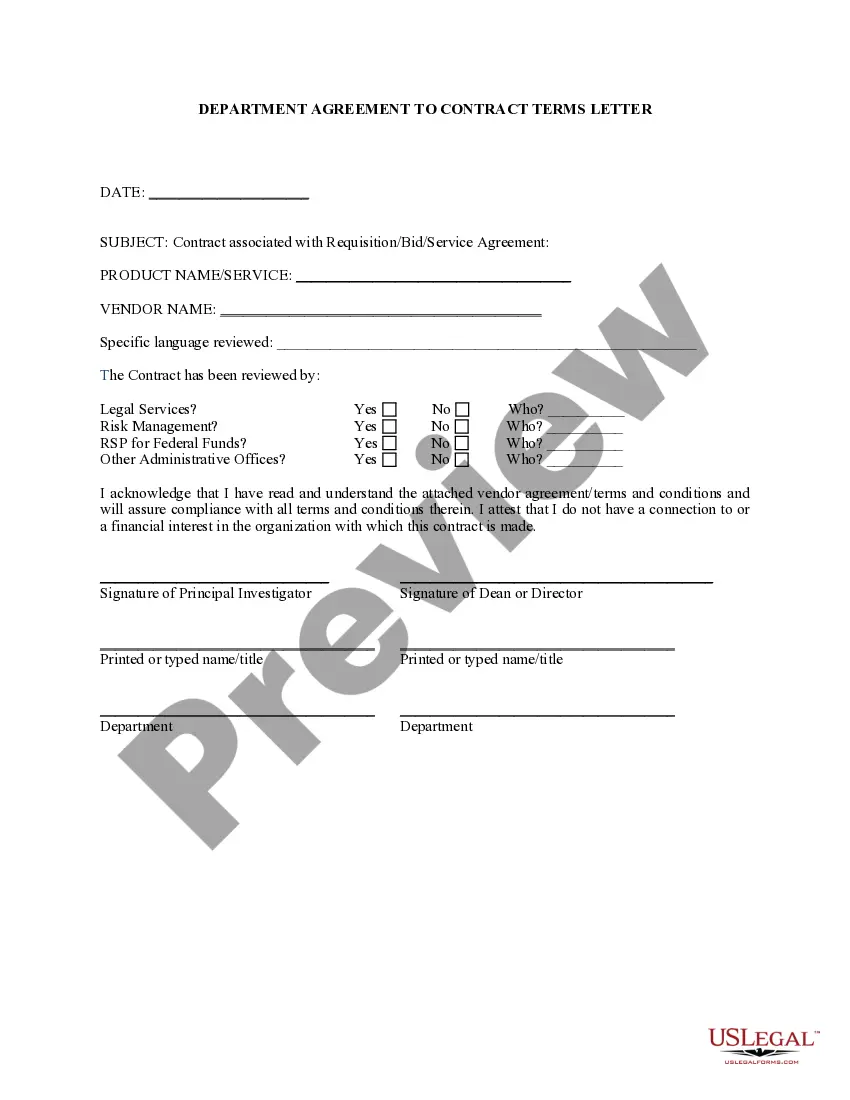


Form popularity
FAQ
Use the thumb and a finger to pinch both nostrils shut. Breathe through the mouth. Keep pinching for 10 to 15 minutes. Pinching puts pressure on the blood vessels and helps stop the blood flow.
When to Go to the Emergency Room Bleeding that does not stop in 30 minutes. Bleeding that is very heavy, pouring down the back of your throat and out the front of your nose. Bleeding with other symptoms, like very high blood pressure, light-headedness, chest pain and/or rapid heart rate that may require treatment.
Treatment Sit up and lean forward. Keep the head up. Gently blow your nose. This will clear any blood clots. Pinch the nose. Use the thumb and a finger to pinch both nostrils shut. Prevent another nosebleed. Don't pick or blow the nose. If you have another nosebleed, try first-aid steps again.
Don't have your child lie down or lean their head back. This is to prevent them from swallowing blood. Swallowing blood may make your child . Squeeze the nostrils closed for 5 to 10 minutes.
In older adults, nosebleeds are often due to age-related thinning and drying out of the nasal tissues – changes that can make bleeding with nose blowing or sneezing more likely. Uncontrolled high blood pressure can also increase the risk of nosebleeds.
Key Recommendations. Individuals with a nosebleed who require prompt management should receive treatment for active bleeding with firm sustained compression to the lower third of the nose, with or without the assistance of the patient or caregiver, for 5 minutes or longer.
Immediate action required: Go to A&E if: your nosebleed lasts longer than 10 to 15 minutes. the bleeding seems excessive. you're swallowing a large amount of blood that makes you .
Pinching puts pressure on the blood vessels and helps stop the blood flow. If the bleeding doesn't stop, pinch the nose again for up to 15 minutes. Don't let go for at least five minutes even to check if the bleeding has stopped. Seek emergency care if the bleeding doesn't stop after the second try.
Press on the nose for at least 5 minutes for children, and 10 to 15 minutes for adults, while not decompressing the nose to discover whether the bleeding has stopped or not until after the specified time has passed. Cold compresses or an ice bag can be placed on the nose, as it helps blood vessels contract.
