Caregiver Form Sample For Parents In Pennsylvania
Description

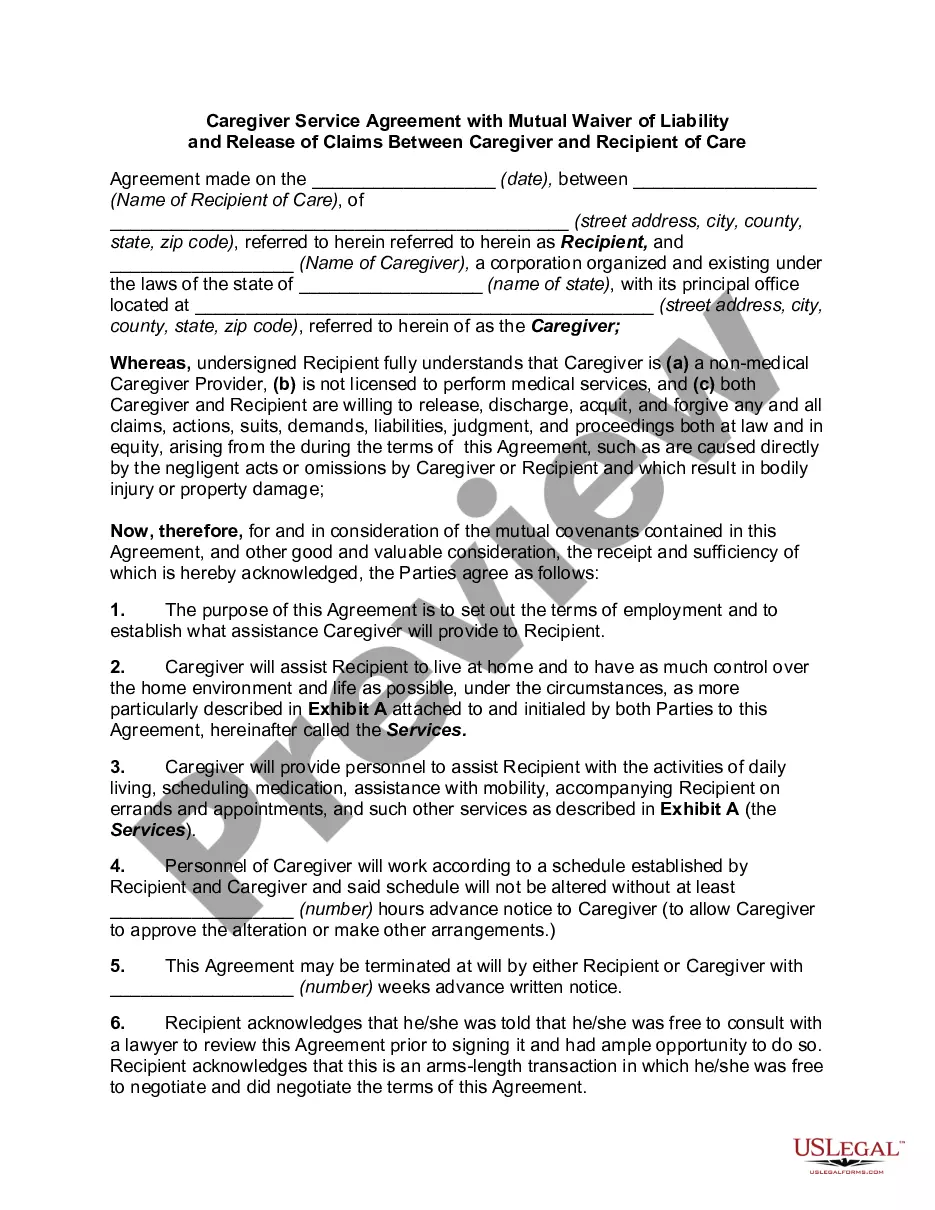
Get your form ready online
Our built-in tools help you complete, sign, share, and store your documents in one place.
Make edits, fill in missing information, and update formatting in US Legal Forms—just like you would in MS Word.
Download a copy, print it, send it by email, or mail it via USPS—whatever works best for your next step.
Sign and collect signatures with our SignNow integration. Send to multiple recipients, set reminders, and more. Go Premium to unlock E-Sign.
If this form requires notarization, complete it online through a secure video call—no need to meet a notary in person or wait for an appointment.
We protect your documents and personal data by following strict security and privacy standards.

Make edits, fill in missing information, and update formatting in US Legal Forms—just like you would in MS Word.

Download a copy, print it, send it by email, or mail it via USPS—whatever works best for your next step.

Sign and collect signatures with our SignNow integration. Send to multiple recipients, set reminders, and more. Go Premium to unlock E-Sign.

If this form requires notarization, complete it online through a secure video call—no need to meet a notary in person or wait for an appointment.

We protect your documents and personal data by following strict security and privacy standards.
Looking for another form?


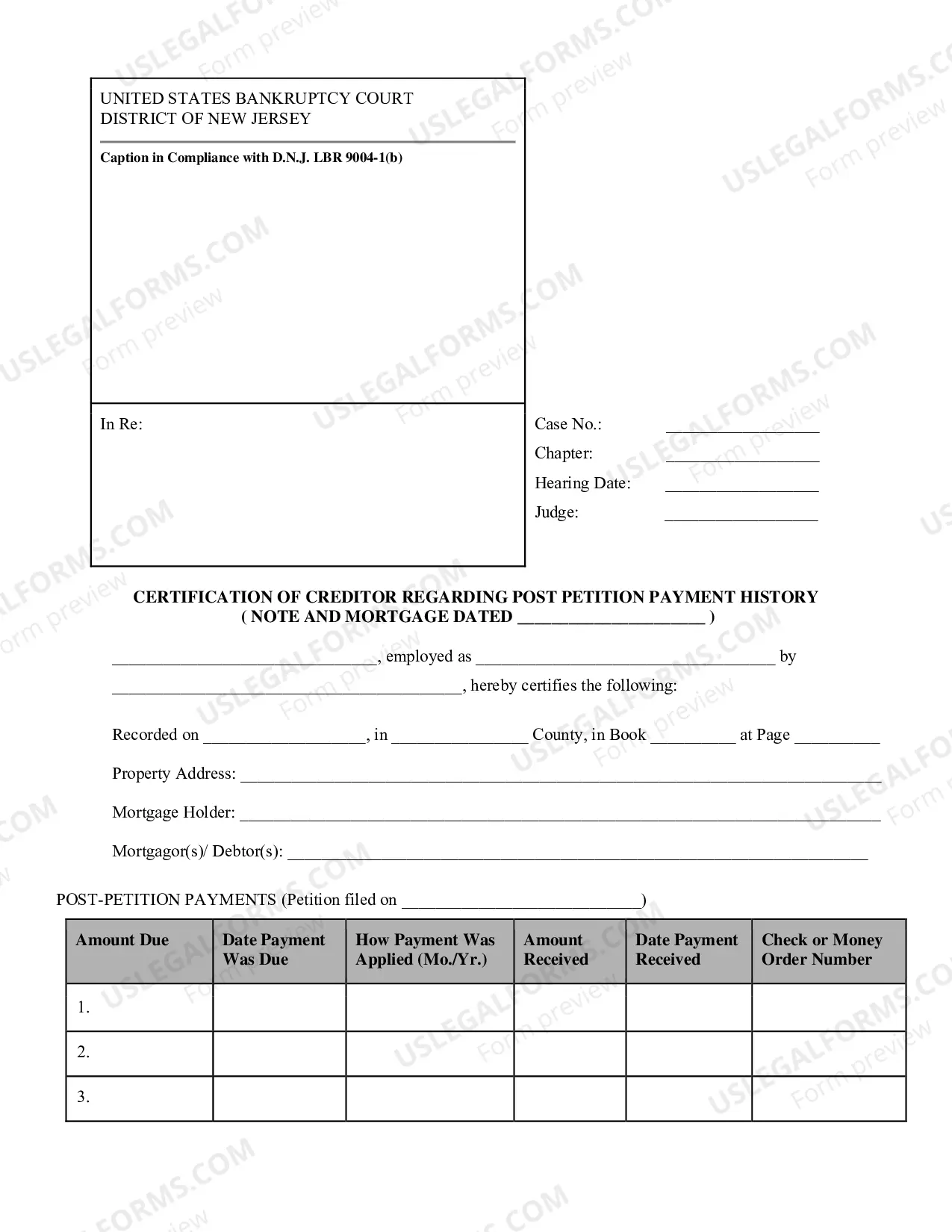



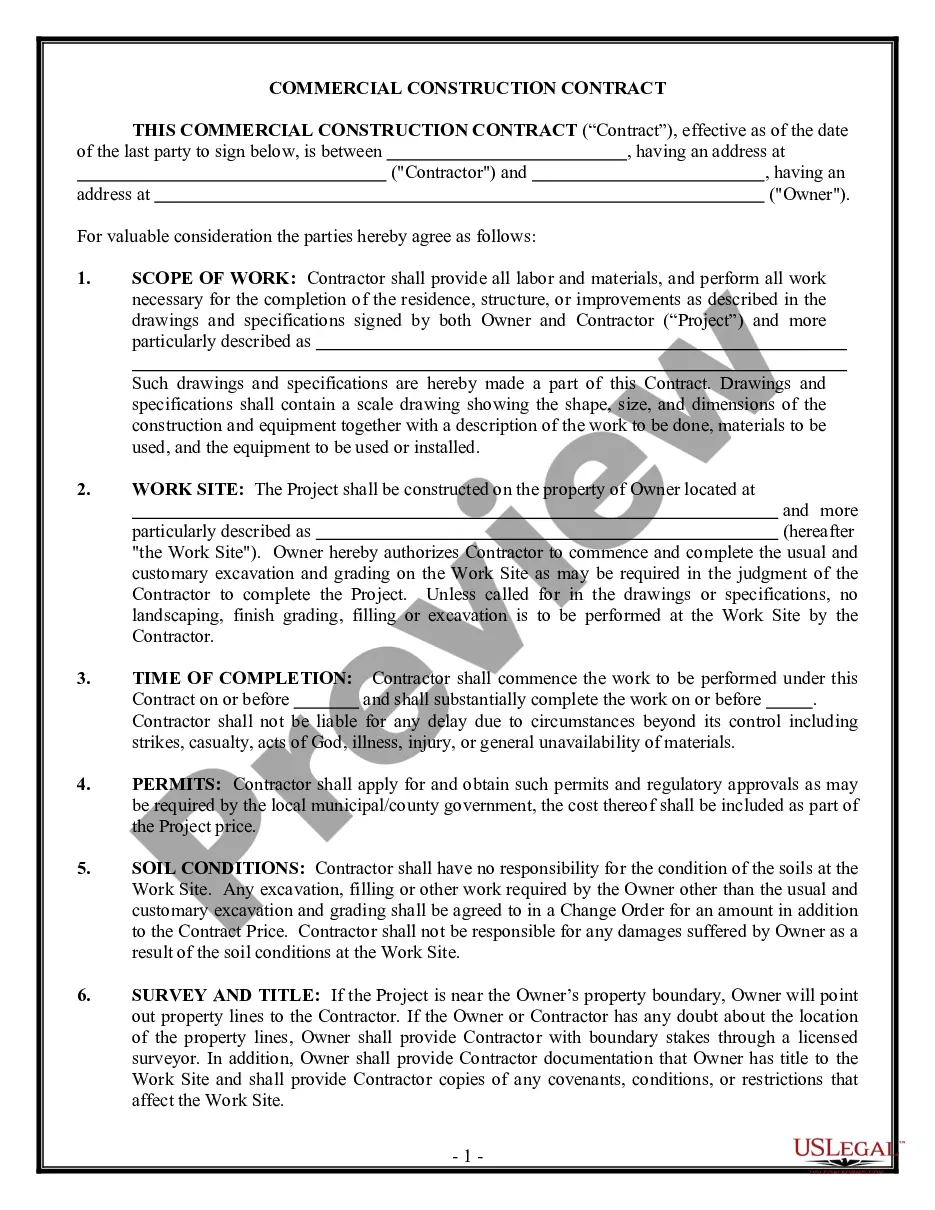

Form popularity
FAQ
In conclusion, there are 4 types of caregivers: family caregivers, professional caregivers, volunteer caregivers, and informal caregivers. Each caregiver faces unique challenges, including physical and emotional exhaustion, financial strain, and balancing personal and caregiving responsibilities.
In-home caregiver as a household employee Provide a completed Form I-9 to your household employer to ensure you're qualified to work in the U.S. Provide a completed W-4 form and state income tax withholding forms. Complete your federal income tax return using Form W-2, which will be provided by your employer.
--The persons to be served under this act are unpaid, primary, unpaid caregivers who live with and provide continuous care to a functionally dependent older adult or other adult suffering from a chronic dementia such as Alzheimer's disease care receiver. to provide the benefits set forth in this act. act.
The certification and caregiver training requirements for different caregiving positions in Pennsylvania are as follows: Personal Aide/Caregiver: An in-home caregiver in Pennsylvania is required to complete an 8 hour course and pass an exam to become a certified caregiver.
What to Include in a Checklist for Caregivers Name of caregiver on duty. Date the checklist is being used. Name of patients. Patient's morning, afternoon, and evening routines, such as: Taking medication and vital signs. Eating food and drinking water. Housekeeping tasks to do. Changes in patient's condition, if any.
Isolation – Caregivers can often feel cut off from the outside world. So much time and energy is spent caring for someone else, caregivers often don't have time to take care of themselves. If you start to feel isolated, reach out to close friends and family to see if they are able to help.
To keep everyone involved in caregiving informed, it may be useful to compile a notebook with details about the care recipient's medical care, social services, contact numbers, financial information, and other pertinent details.
Tip 1: Accept your feelings. Tip 2: Find caregiver support. Tip 3: Really connect with your loved one. Tip 4: Attend to your own needs. Tip 5: Take advantage of community services. Tip 6: Provide long-distance care.
Personal Aide/Caregiver: An in-home caregiver in Pennsylvania is required to complete an 8 hour course and pass an exam to become a certified caregiver. The course covers basic training such as infection control, communication skills, and emergency procedures.
