Caregiver Form Printable For Parents In Orange
Description






Get your form ready online
Our built-in tools help you complete, sign, share, and store your documents in one place.
Make edits, fill in missing information, and update formatting in US Legal Forms—just like you would in MS Word.
Download a copy, print it, send it by email, or mail it via USPS—whatever works best for your next step.
Sign and collect signatures with our SignNow integration. Send to multiple recipients, set reminders, and more. Go Premium to unlock E-Sign.
If this form requires notarization, complete it online through a secure video call—no need to meet a notary in person or wait for an appointment.
We protect your documents and personal data by following strict security and privacy standards.

Make edits, fill in missing information, and update formatting in US Legal Forms—just like you would in MS Word.

Download a copy, print it, send it by email, or mail it via USPS—whatever works best for your next step.

Sign and collect signatures with our SignNow integration. Send to multiple recipients, set reminders, and more. Go Premium to unlock E-Sign.

If this form requires notarization, complete it online through a secure video call—no need to meet a notary in person or wait for an appointment.

We protect your documents and personal data by following strict security and privacy standards.
Looking for another form?
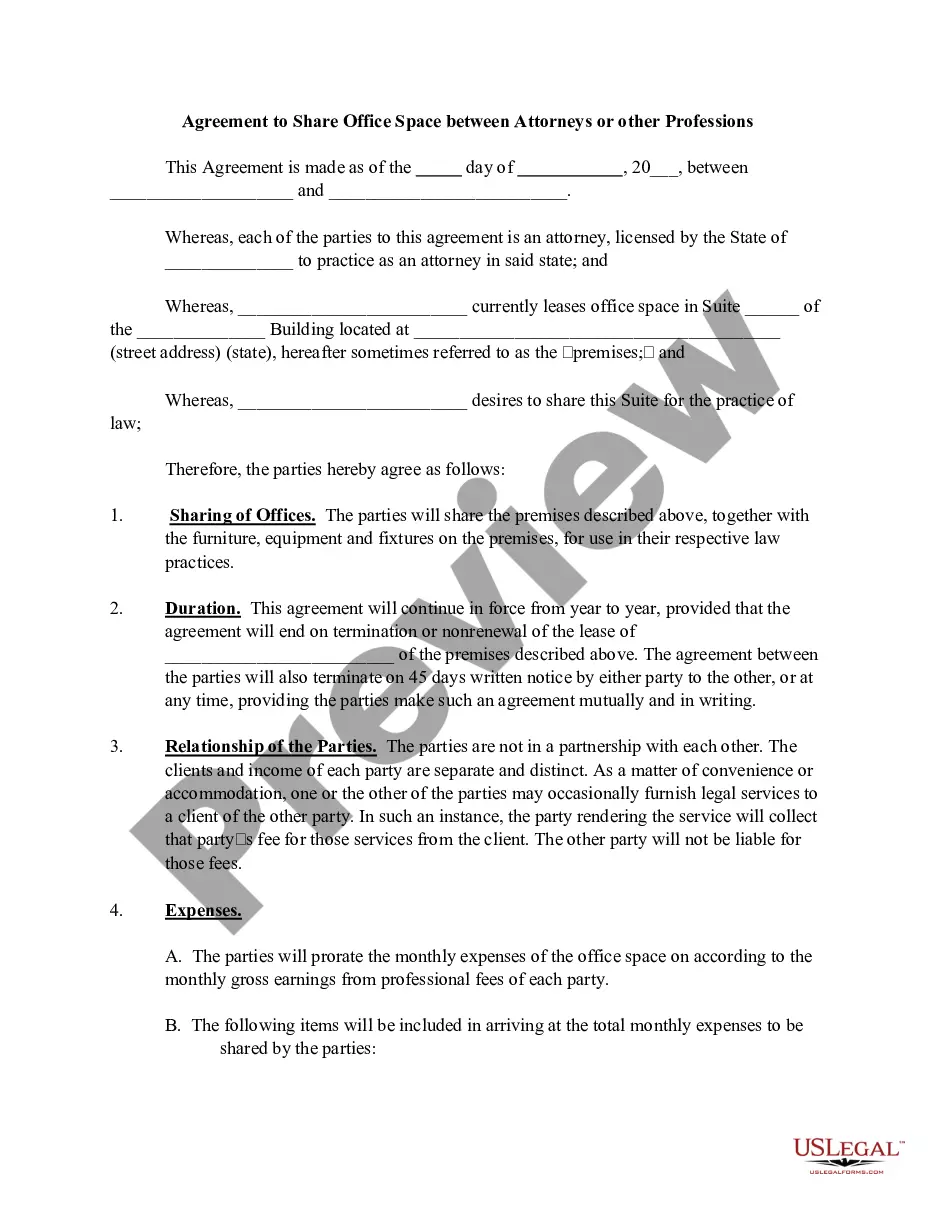
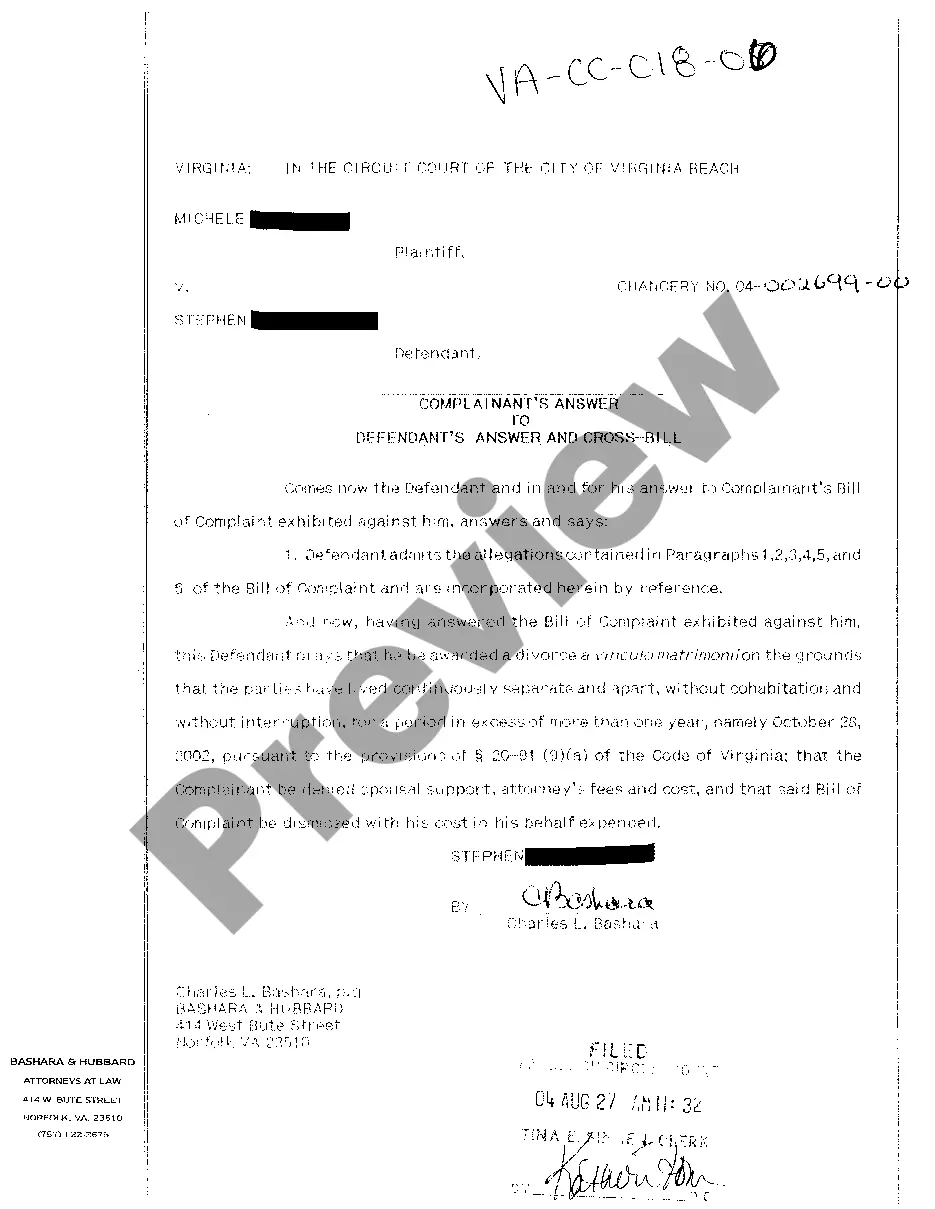





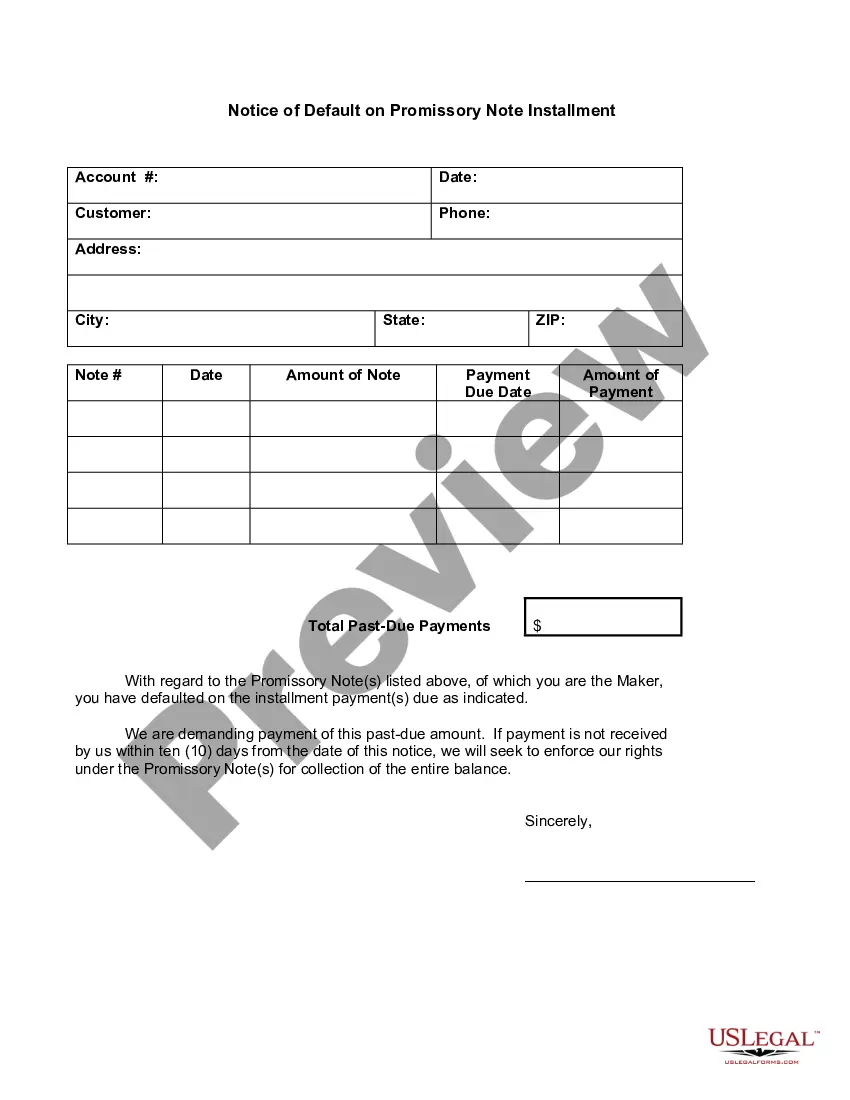

Form popularity
FAQ
Who is Eligible? To be eligible, a person must meet all of the following requirements: Be disabled, blind, or age 65 years or older. Be unable to live at home safely without help.
Home Care Aides (HCA) need 5 hours of initial training and 5 hours of annual training in specific topics which CareAcademy offers. Certified Nursing Assistant (CNAs) need 48 hours of continuing education over 2 years, 24 hours can be obtained through an approved provider like CareAcademy (NAC provider number 7047).
120 hour HHA Training Be at least sixteen (16) years of age. Have successfully completed a 120-hour training program approved by The California Department of Public Health, which includes an examination to test the applicant's knowledge and skills related to basic patient care services.
Orange County IHSS Public Authority Provider/Caregiver Services Must follow the application process. Attend Registry Orientation. Submit a complete application. Must be willing and able to provide personal care and perform domestic services. Must own an insured and dependable car. Must be able to speak/read/write English.
The form is also called a "Caregiver Authorization Affidavit." The form says you are sharing medical and educational decision-making power with the caregiver you name. You can find instructions from the Massachusetts Probate Court on how to fill out the form.
To become a caregiver in California, meet state requirements (work authorization, background check, good health), complete a Home Care Aide certification course and provide proof of vaccinations and a negative TB test.
Listen to their concerns without judgment or advice. It's the best way to let them know that you care about how they feel and that you want to help. Show understanding, empathy, and compassion for them as a caregiver and as a person. Be supportive by asking ``how can I help?'' or ``what do you need me to do?''
Scope of Care: Caregivers can be anyone who takes on the role of nurturing and supporting a child, while biological parents specifically refer to those who are related by blood. In summary, while biological parents and caregivers can both be involved in a child's life, their definitions and roles differ significantly.
The domains of the caregiving role include: assistance with household tasks, self-care tasks, and mobility; provision of emotional and social support; health and medical care; advocacy and care coordination; and surrogacy. Each domain has multiple tasks and activities (see Table 3-1).
