Social Security Form For Caregiver For Parents In New York
Description

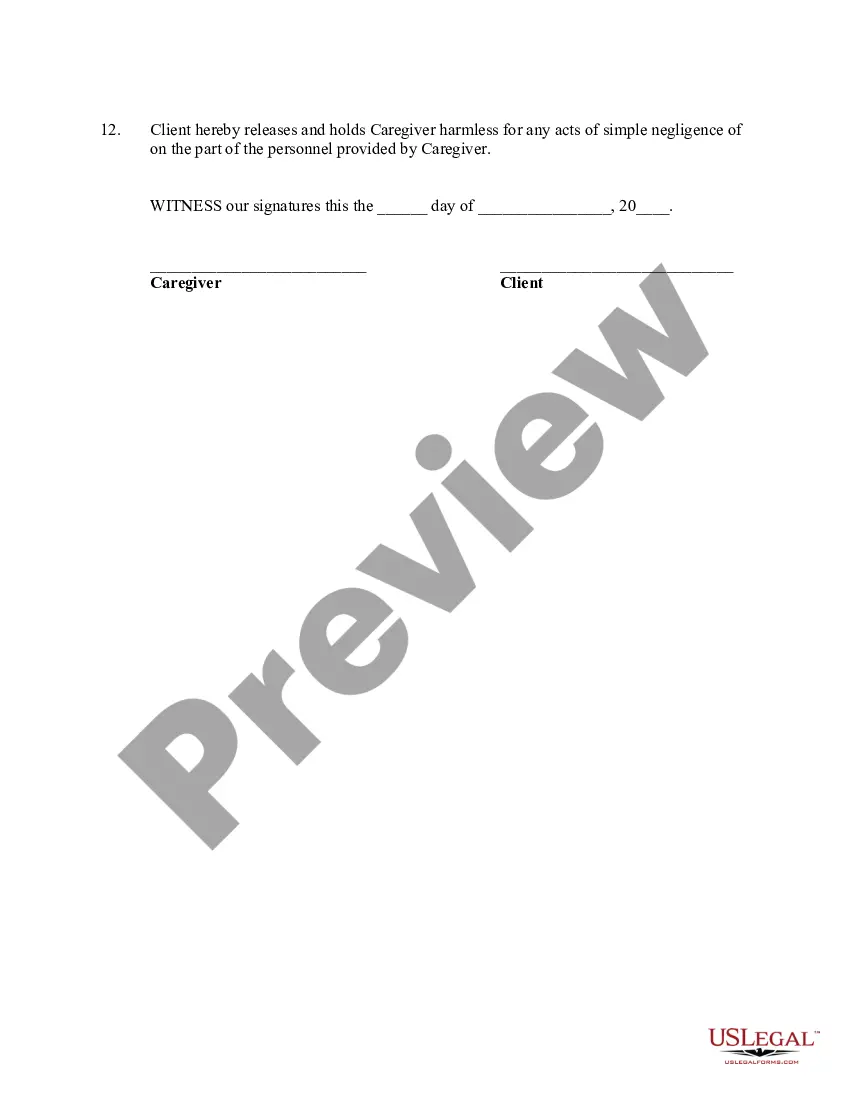

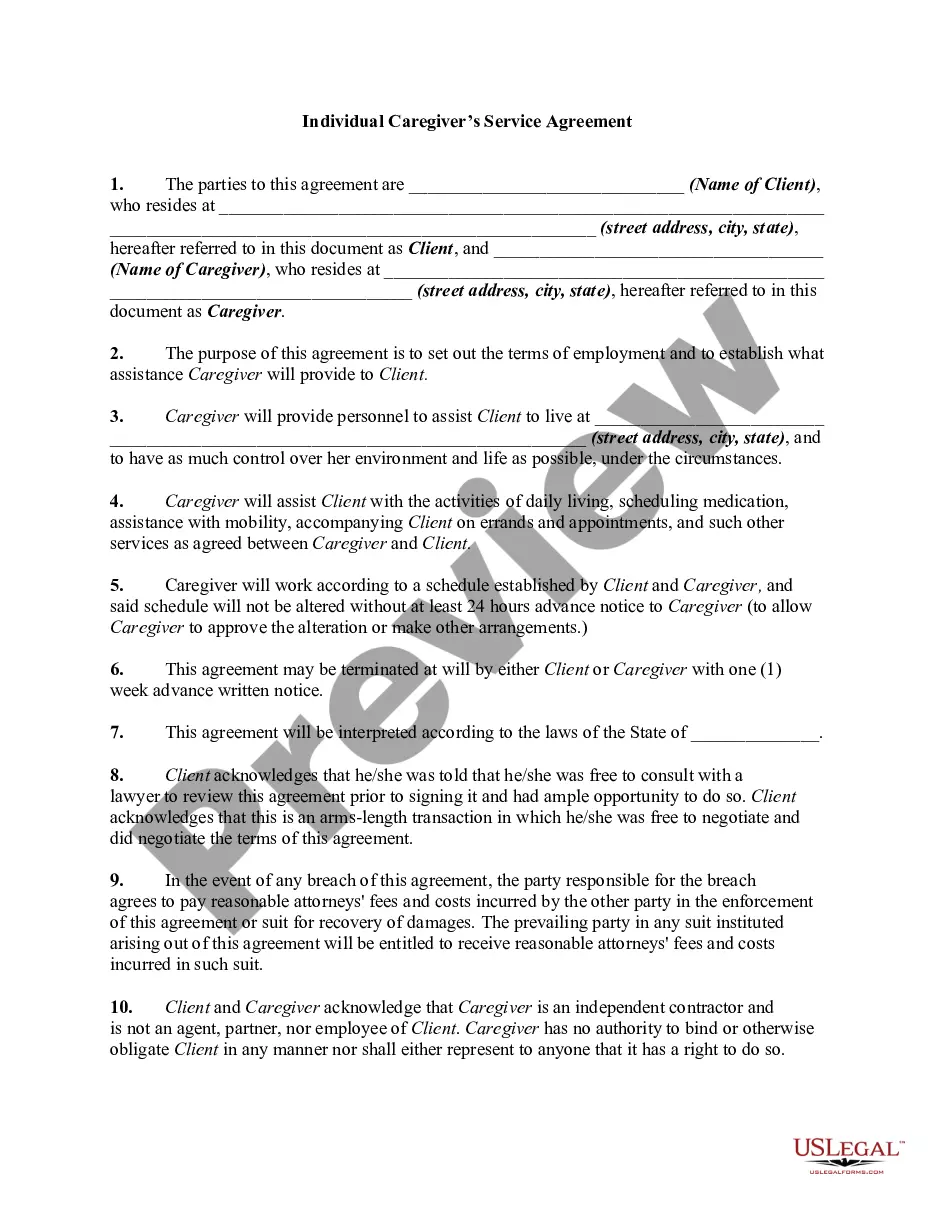
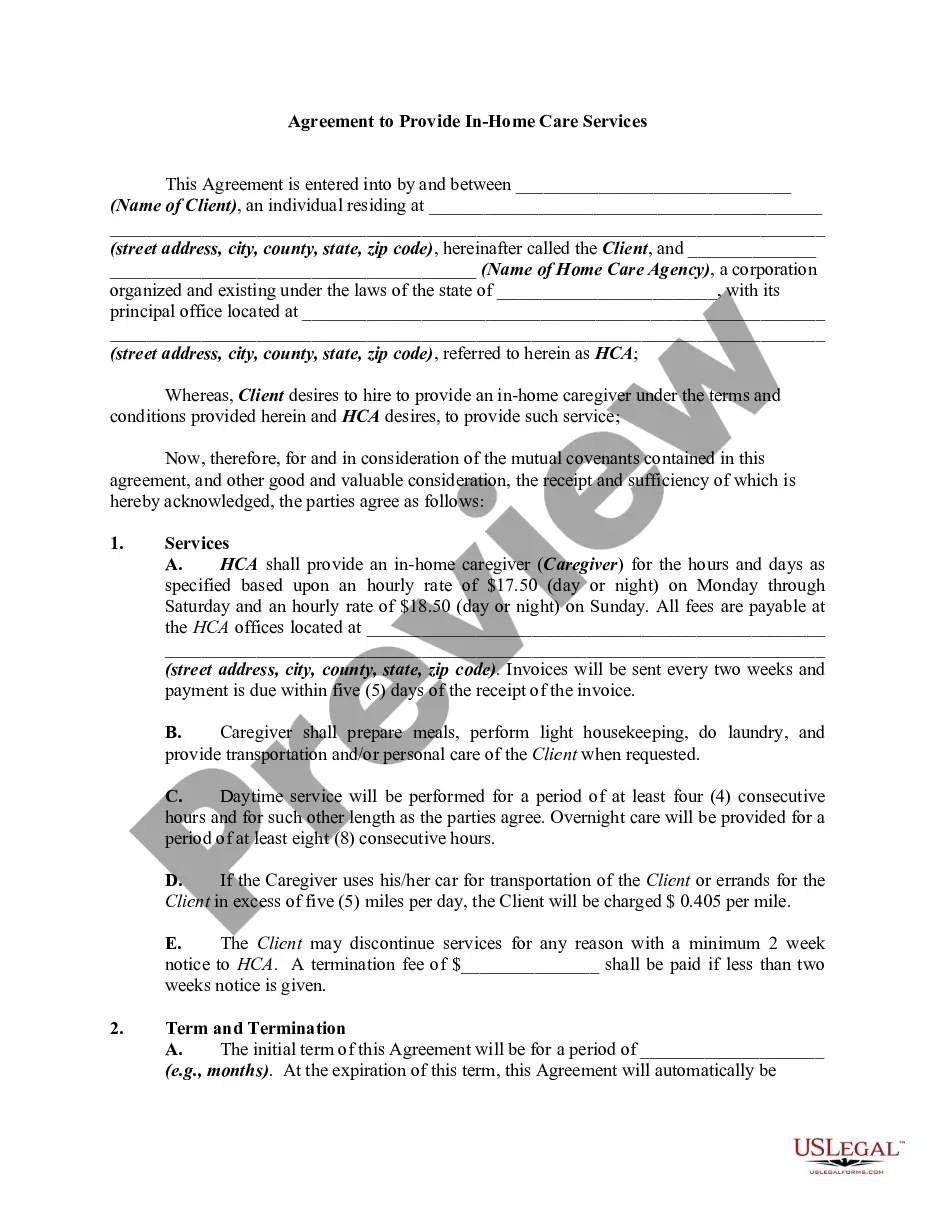
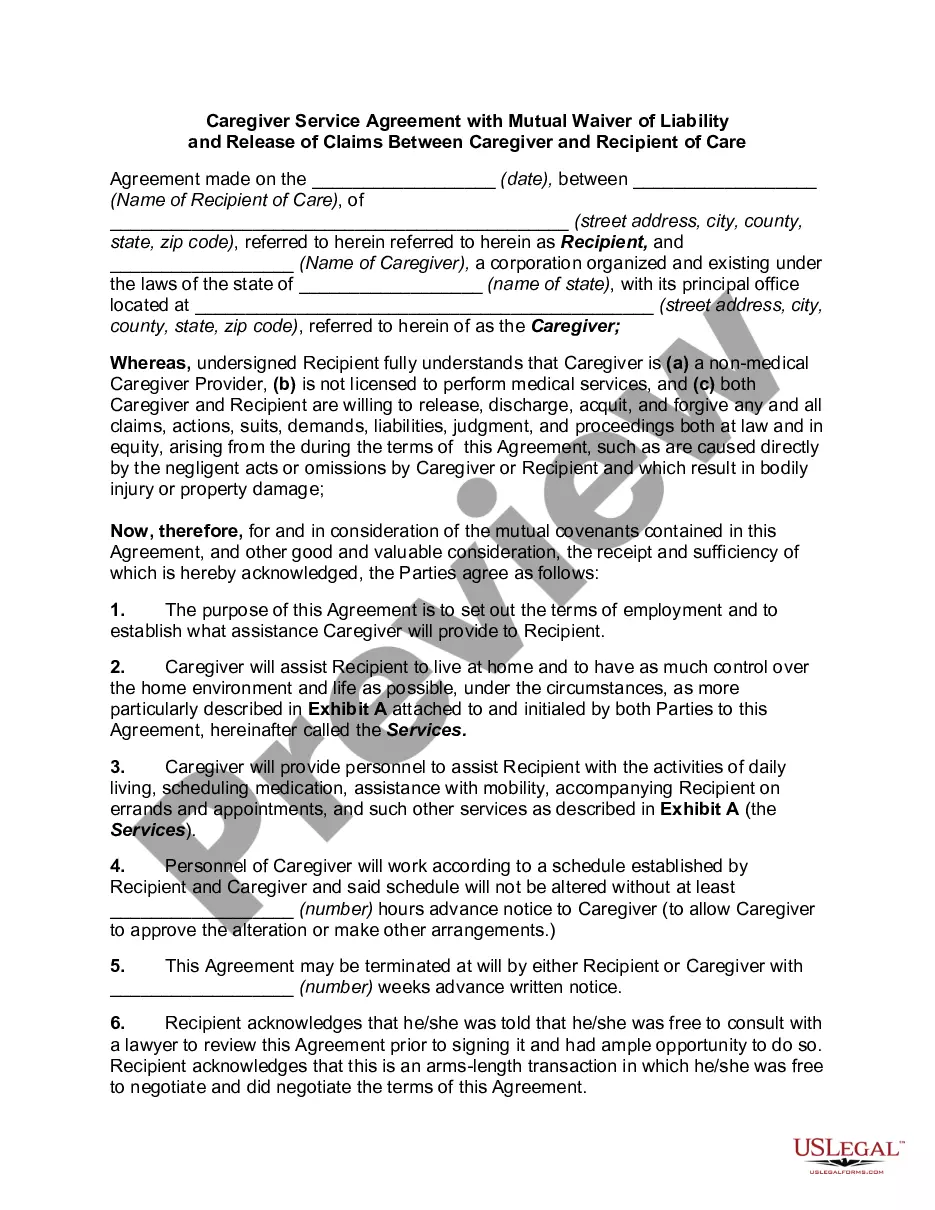
Get your form ready online
Our built-in tools help you complete, sign, share, and store your documents in one place.
Make edits, fill in missing information, and update formatting in US Legal Forms—just like you would in MS Word.
Download a copy, print it, send it by email, or mail it via USPS—whatever works best for your next step.
Sign and collect signatures with our SignNow integration. Send to multiple recipients, set reminders, and more. Go Premium to unlock E-Sign.
If this form requires notarization, complete it online through a secure video call—no need to meet a notary in person or wait for an appointment.
We protect your documents and personal data by following strict security and privacy standards.

Make edits, fill in missing information, and update formatting in US Legal Forms—just like you would in MS Word.

Download a copy, print it, send it by email, or mail it via USPS—whatever works best for your next step.

Sign and collect signatures with our SignNow integration. Send to multiple recipients, set reminders, and more. Go Premium to unlock E-Sign.

If this form requires notarization, complete it online through a secure video call—no need to meet a notary in person or wait for an appointment.

We protect your documents and personal data by following strict security and privacy standards.
Looking for another form?

Form popularity
FAQ
What are common caregiver qualifications? Having relevant work experience and skills. Completing any required training. Passing a background check and general health check. Earning basic health certifications. Meeting age requirements. Possessing a valid driver's license, insurance and a good driving record.
Emphasis on Role: “Caregiver” and “carer” emphasize the act of giving care, with a focus on the practical and emotional work involved. “Caretaker” suggests a more functional or managerial role, often with a broader focus on property or task management.
To become a Personal Care Aide or a Home Health Aide, a person must complete training and competency evaluations. This training must be conducted by an approved Personal Care Aide Training Program (PCATP) or an approved Home Health Aide Training Program (HHATP).
The steps to become a caregiver in NY are having a high school diploma or equivalent, completing a caregiver training program, a background check, and additional certifications may be required by employers such as being a Certified Home Health Aide or Certified Personal Care Aide credentials.
Once you have submitted your application for disability benefits, it generally takes 6 to 8 months for an initial decision. You can log in or create a personal my Social Security account to check the status of your pending application.
To be eligible for Social Security caregiver benefits, individuals must meet certain requirements. The primary criteria include: Relationship to the disabled person: Caregivers must be the spouse, child, or parent of the disabled individual. In some cases, other family members may also be eligible.
In conclusion, there are 4 types of caregivers: family caregivers, professional caregivers, volunteer caregivers, and informal caregivers. Each caregiver faces unique challenges, including physical and emotional exhaustion, financial strain, and balancing personal and caregiving responsibilities.