Caregiver Form Printable Without Download In New York
Description

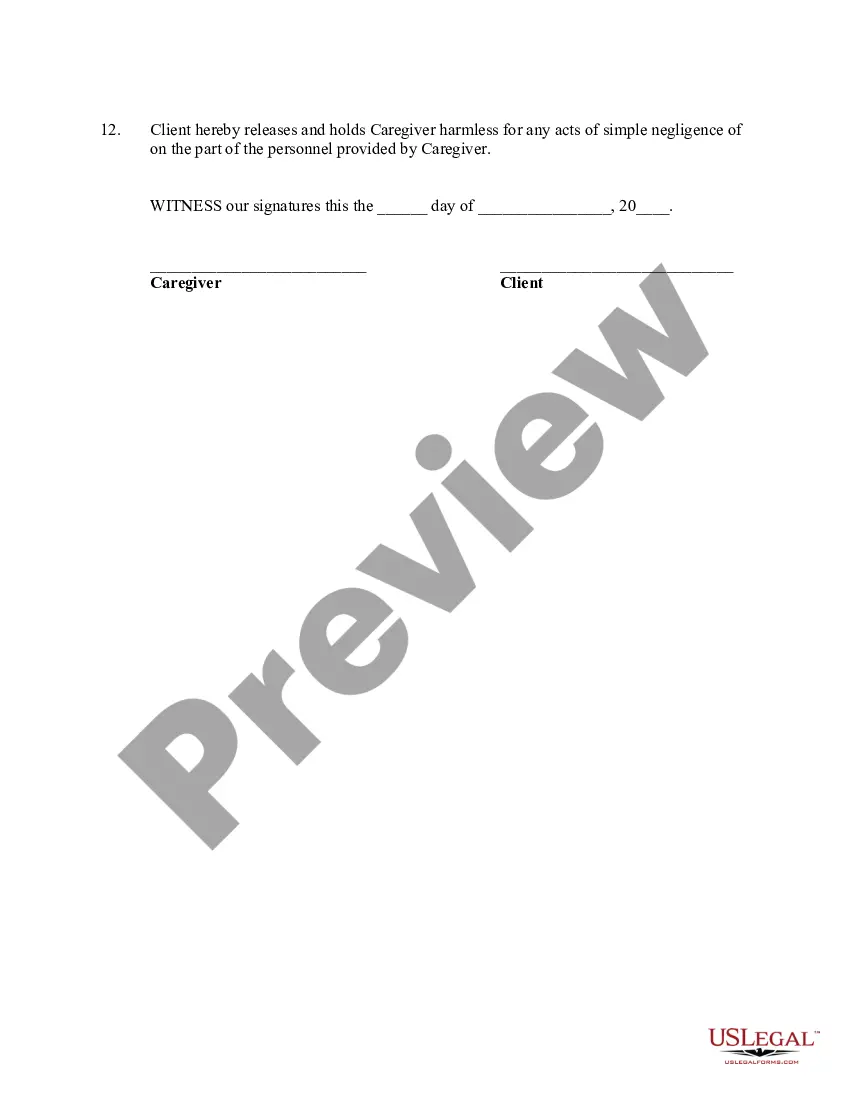

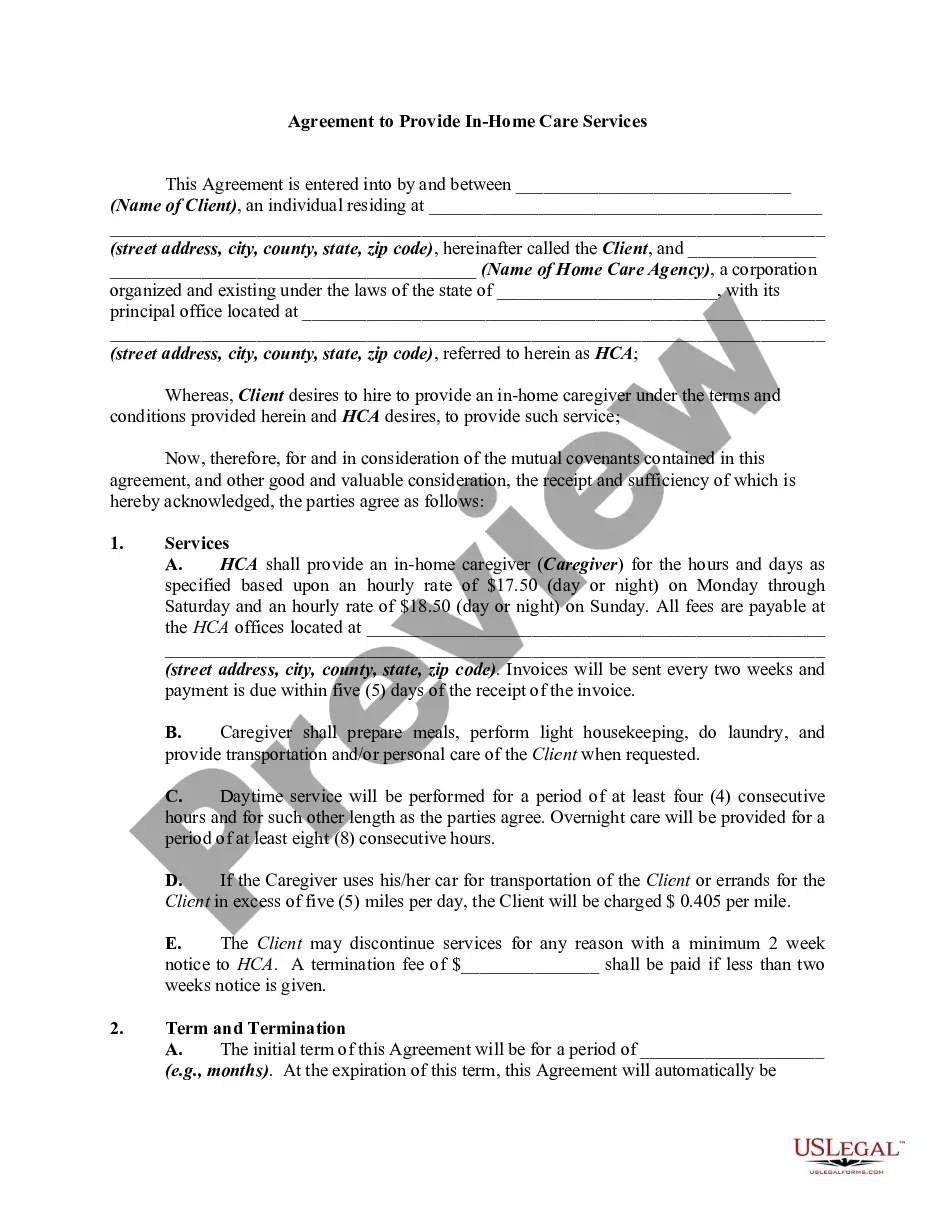
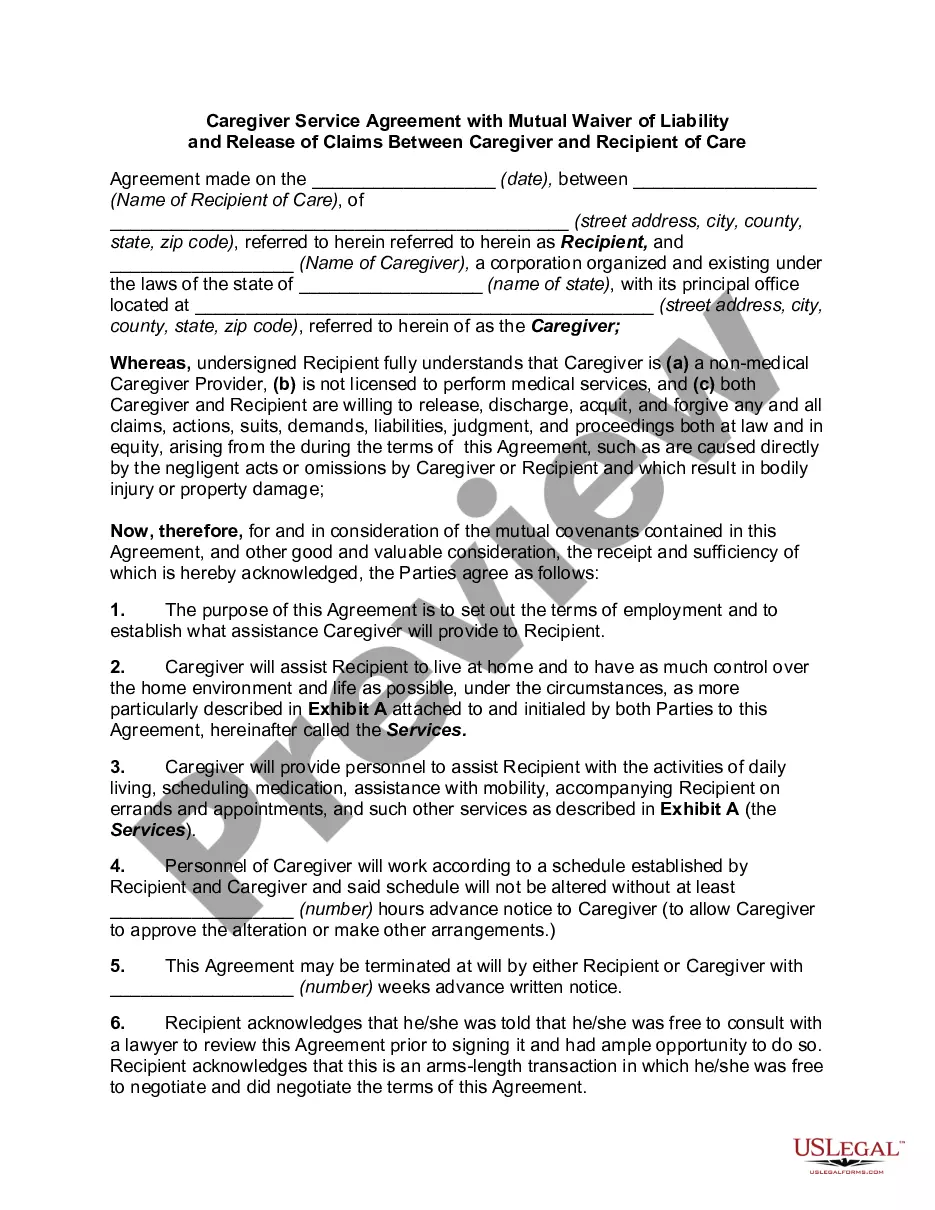
Get your form ready online
Our built-in tools help you complete, sign, share, and store your documents in one place.
Make edits, fill in missing information, and update formatting in US Legal Forms—just like you would in MS Word.
Download a copy, print it, send it by email, or mail it via USPS—whatever works best for your next step.
Sign and collect signatures with our SignNow integration. Send to multiple recipients, set reminders, and more. Go Premium to unlock E-Sign.
If this form requires notarization, complete it online through a secure video call—no need to meet a notary in person or wait for an appointment.
We protect your documents and personal data by following strict security and privacy standards.

Make edits, fill in missing information, and update formatting in US Legal Forms—just like you would in MS Word.

Download a copy, print it, send it by email, or mail it via USPS—whatever works best for your next step.

Sign and collect signatures with our SignNow integration. Send to multiple recipients, set reminders, and more. Go Premium to unlock E-Sign.

If this form requires notarization, complete it online through a secure video call—no need to meet a notary in person or wait for an appointment.

We protect your documents and personal data by following strict security and privacy standards.
Looking for another form?
Form popularity
FAQ
What is the CARE Act? A New York State public health law that requires a hospital to provide each patient or legal guardian with an opportunity to identify a caregiver prior to discharge. If the patient is discharged directly home, the caregiver may be trained in after-care tasks.
The steps to become a caregiver in NY are having a high school diploma or equivalent, completing a caregiver training program, a background check, and additional certifications may be required by employers such as being a Certified Home Health Aide or Certified Personal Care Aide credentials.
The NYHA would ensure comprehensive universal healthcare for all New Yorkers, including primary, preventive, and specialty care; hospitalization; mental health; substance use treatment; reproductive health; dental, vision, and hearing; long-term care; prescription drugs and medical supplies.
The CARE Act requires that during a hospital stay, patients have the right to designate a caregiver who will help them after they are discharged.
The steps to become a caregiver in NY are having a high school diploma or equivalent, completing a caregiver training program, a background check, and additional certifications may be required by employers such as being a Certified Home Health Aide or Certified Personal Care Aide credentials.
Effective 1/1/2025, Home Care Aides have a minimum wage of $19.10/hour for work performed in New York City, Long Island, and Westchester County and $18.10/hour in the remainder of New York State.
Emphasis on Role: “Caregiver” and “carer” emphasize the act of giving care, with a focus on the practical and emotional work involved. “Caretaker” suggests a more functional or managerial role, often with a broader focus on property or task management.