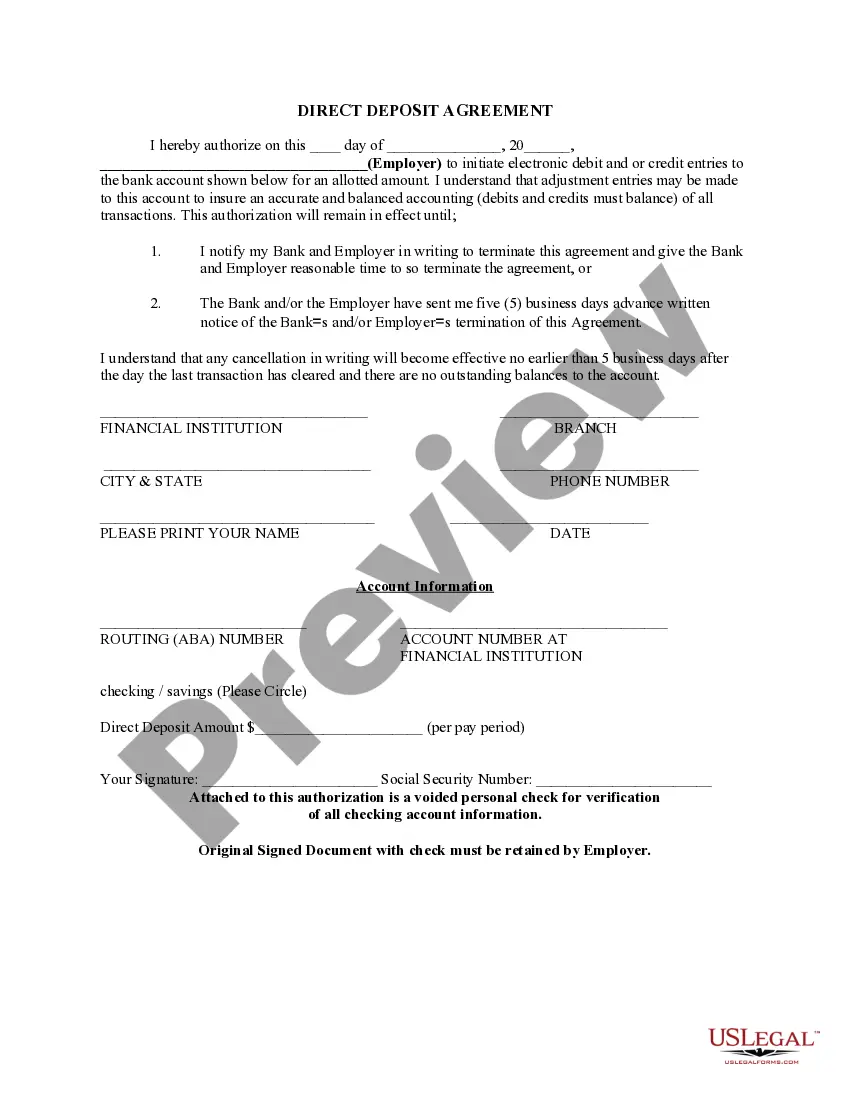
Caregiver Form Sample With Questions In Montgomery
Description






Get your form ready online
Our built-in tools help you complete, sign, share, and store your documents in one place.
Make edits, fill in missing information, and update formatting in US Legal Forms—just like you would in MS Word.
Download a copy, print it, send it by email, or mail it via USPS—whatever works best for your next step.
Sign and collect signatures with our SignNow integration. Send to multiple recipients, set reminders, and more. Go Premium to unlock E-Sign.
If this form requires notarization, complete it online through a secure video call—no need to meet a notary in person or wait for an appointment.
We protect your documents and personal data by following strict security and privacy standards.

Make edits, fill in missing information, and update formatting in US Legal Forms—just like you would in MS Word.

Download a copy, print it, send it by email, or mail it via USPS—whatever works best for your next step.

Sign and collect signatures with our SignNow integration. Send to multiple recipients, set reminders, and more. Go Premium to unlock E-Sign.

If this form requires notarization, complete it online through a secure video call—no need to meet a notary in person or wait for an appointment.

We protect your documents and personal data by following strict security and privacy standards.
Looking for another form?








Form popularity
FAQ
Background on the caregiver and the caregiving situation. Caregiver's perception of health and functional status of the care recipient. Caregiver's values and preferences with respect to everyday living and care provision. Health and well-being of the caregiver. Consequences of caregiving on the caregiver.
Consider the following tips to choose someone who will care for your loved one safely. Contact multiple references that can vouch for the caregiver. Ask questions about their character, past performance, and interactions with their charges as well as other peers or colleagues.
The CSNAT is an evidence based, comprehensive tool comprising a set of domains (broad areas of support need) in which carers commonly say they require more support. It acts as a prompt for carers to indicate where they need more support.
The caregiver questionnaire addresses the household and the caregiver. The tool contains two types of questions: core questions, which are highly recommended, and optional questions or modules, which may be added depending on the objectives of the survey.
Empathy, patience, and adaptability are the three main strengths that distinguish exceptional caregivers. By embodying these qualities, caregivers not only meet the physical needs of their clients but also provide emotional support, foster meaningful connections, and enhance overall well-being.
Caregiver assessment refers to a systematic, family-centered process of gathering information about a caregiver situation to identify needs and resources. Assessment can be performed by the family physician or other health care team member.
Typical duties of a caregiver might include taking care of someone who has a chronic illness or disease; managing medications or talking to doctors and nurses on someone's behalf; helping to bathe or dress someone who is frail or disabled; or taking care of household chores, meals, or processes both formal and informal ...
Here are the most widely seen 4 types of caregivers: Professional caregivers. Those who are trained, certified, and employed to provide care services are known as professional caregivers. Family caregivers. Volunteer caregivers. Informal caregivers.