Caregiver Form Printable Format In Michigan
Description

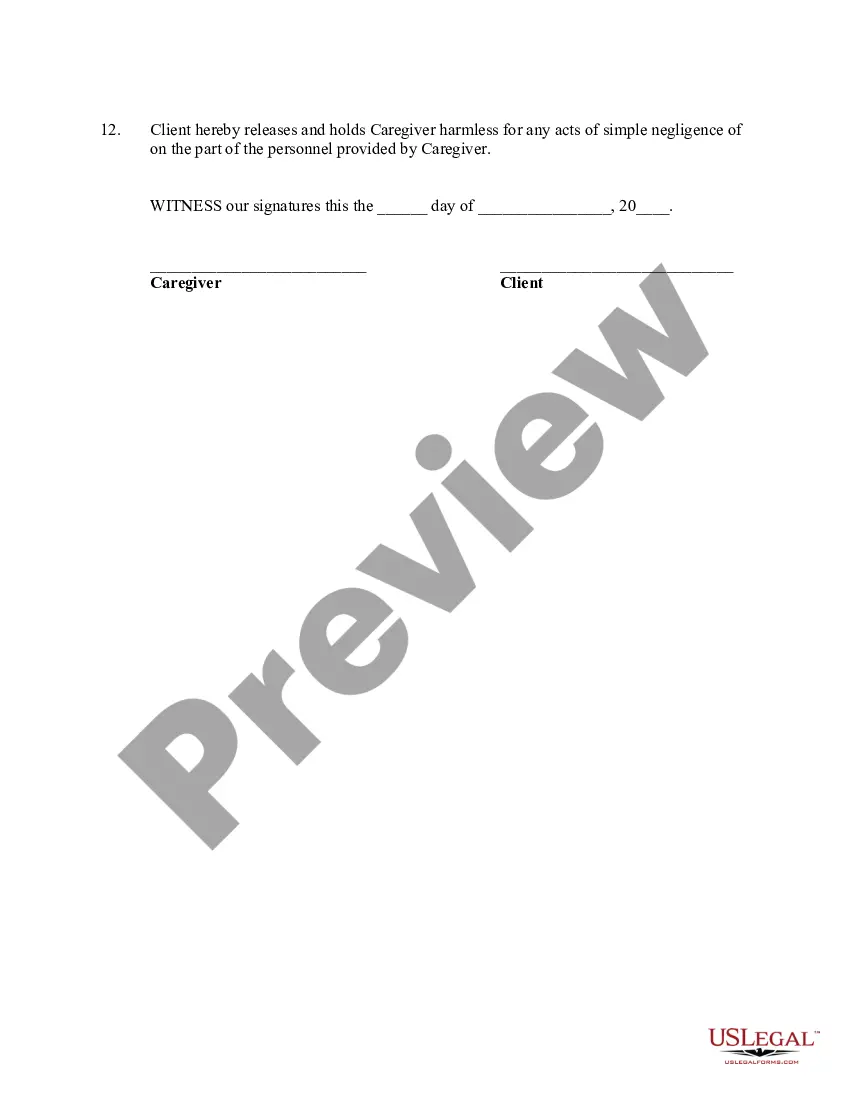
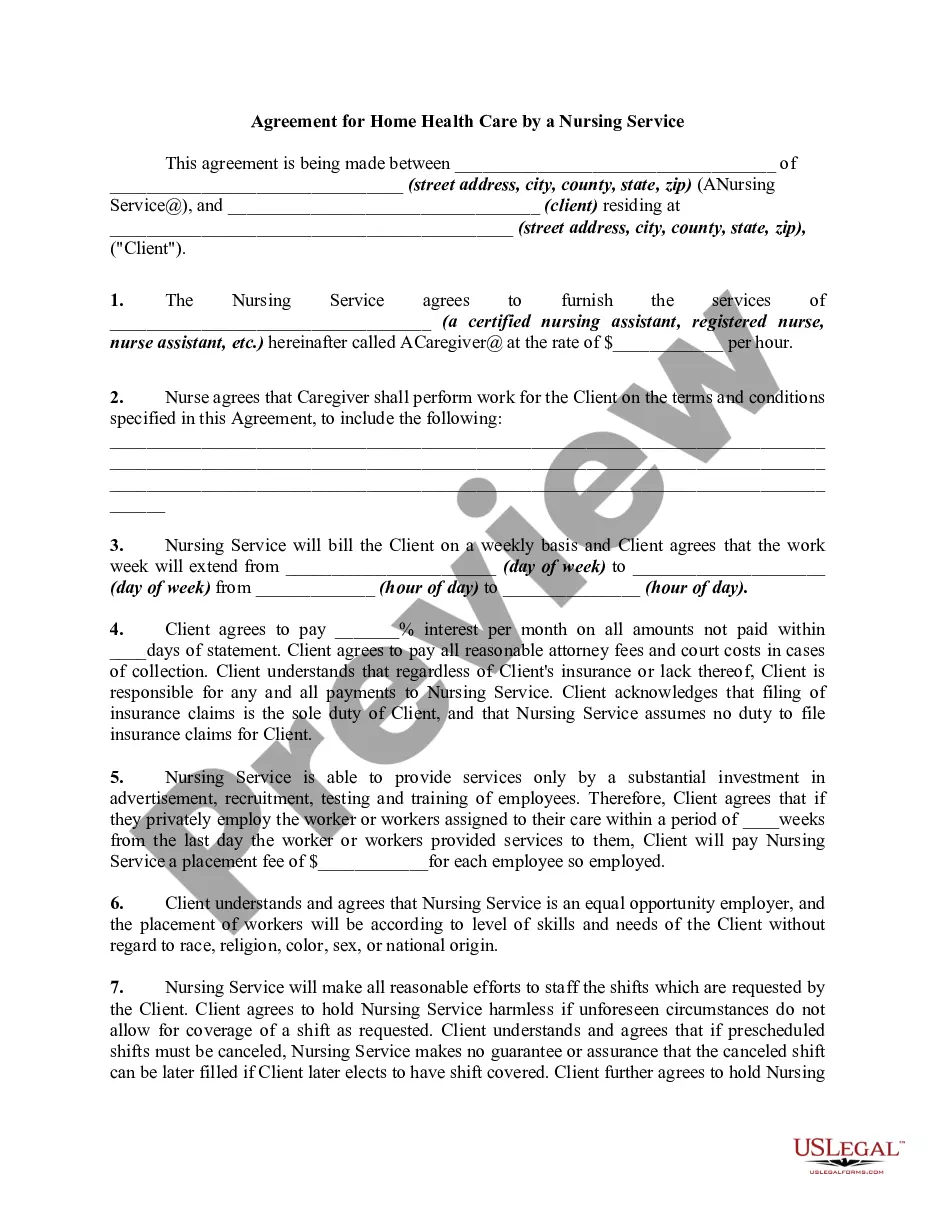
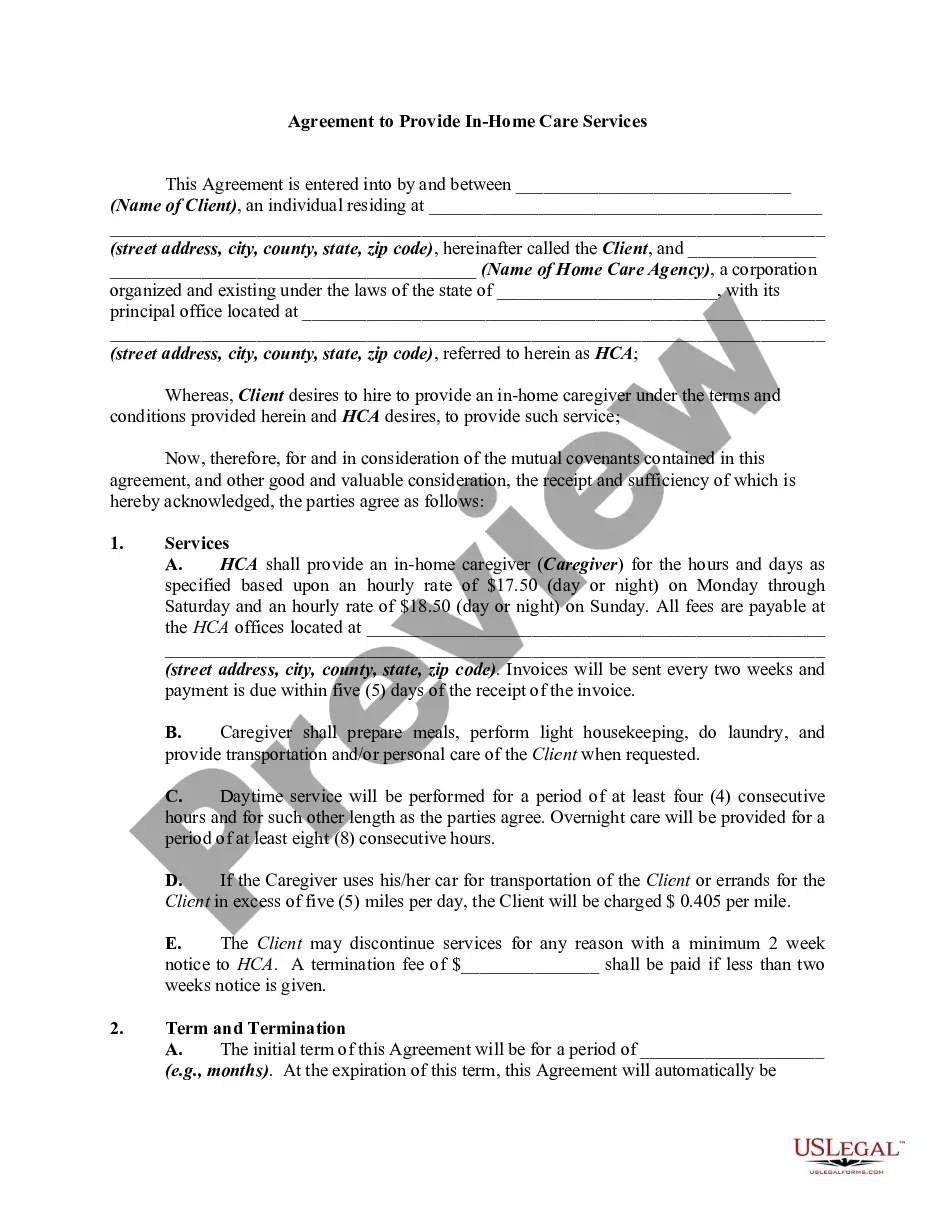
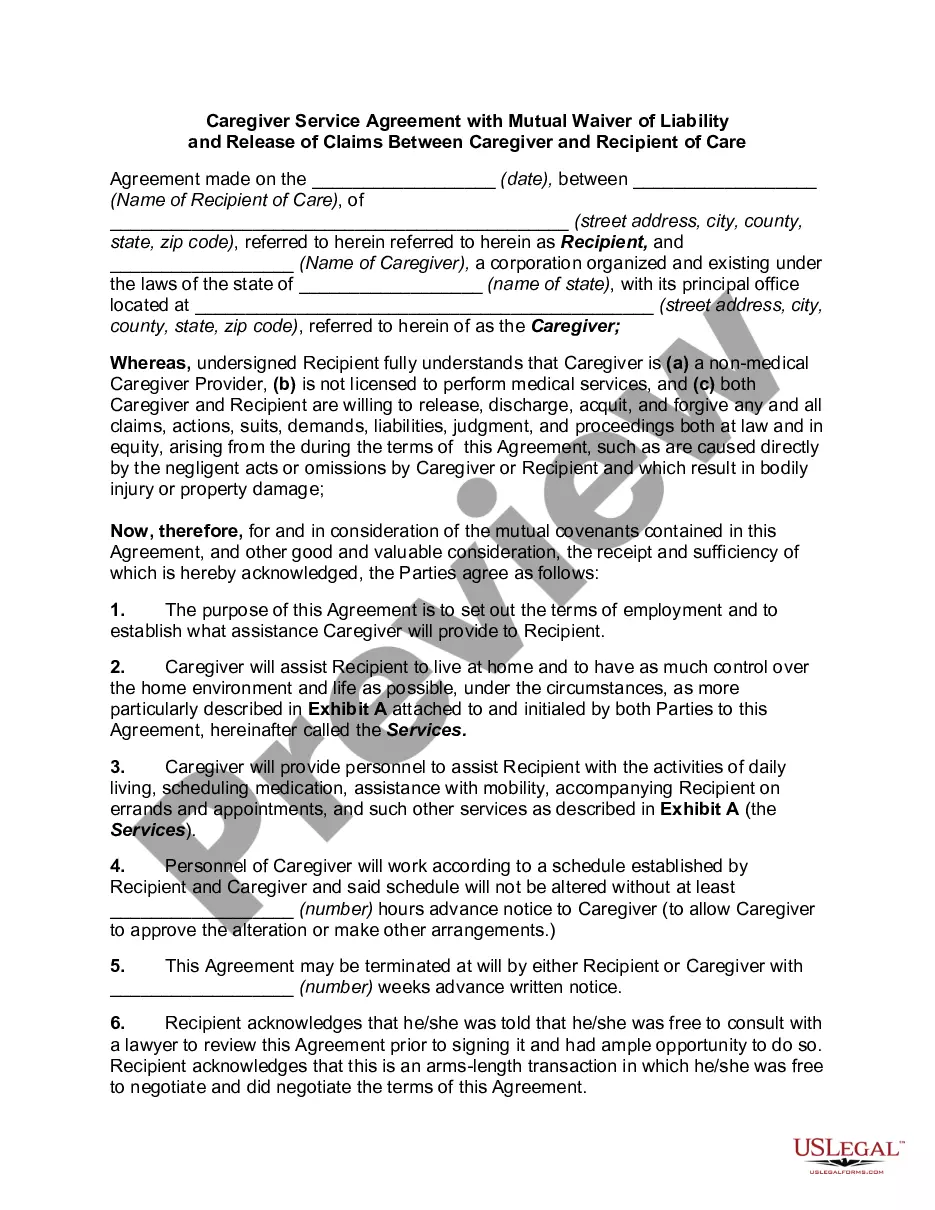
Get your form ready online
Our built-in tools help you complete, sign, share, and store your documents in one place.
Make edits, fill in missing information, and update formatting in US Legal Forms—just like you would in MS Word.
Download a copy, print it, send it by email, or mail it via USPS—whatever works best for your next step.
Sign and collect signatures with our SignNow integration. Send to multiple recipients, set reminders, and more. Go Premium to unlock E-Sign.
If this form requires notarization, complete it online through a secure video call—no need to meet a notary in person or wait for an appointment.
We protect your documents and personal data by following strict security and privacy standards.

Make edits, fill in missing information, and update formatting in US Legal Forms—just like you would in MS Word.

Download a copy, print it, send it by email, or mail it via USPS—whatever works best for your next step.

Sign and collect signatures with our SignNow integration. Send to multiple recipients, set reminders, and more. Go Premium to unlock E-Sign.

If this form requires notarization, complete it online through a secure video call—no need to meet a notary in person or wait for an appointment.

We protect your documents and personal data by following strict security and privacy standards.
Looking for another form?
Form popularity
FAQ
In Michigan, you don't need certification for non-medical caregiver roles. However, proper training and certification can boost your credibility and job prospects. Caregiver training in Michigan includes at least 75 hours of instruction, covering key skills like personal care, infection control, and basic first aid.
Although it seems that Medicaid covers practically everything someone needs, it doesn't necessarily provide full coverage. Medicaid does not cover private nursing, for example, nor does it cover services provided by a household member. Also, things like bandages, adult diapers, and other disposables aren't covered.
A person who gives care to people who need help taking care of themselves. Examples include children, the elderly, or patients who have chronic illnesses or are disabled. Caregivers may be health professionals, family members, friends, social workers, or members of the clergy.
While domestic helpers provide domestic care for our loved ones, caregivers, whether live-in or not, provide specialised care, given their nursing background and skill sets gained through caregiving experience and additional caregiver training.
(c) "Caregiver", "designated caregiver", or "lay caregiver" means an individual 18 years of age or older designated as a caregiver by a patient under this act who voluntarily provides after-care assistance to a patient in the patient's residence.
The Home Help program is administered by the Michigan Department of Health and Human Services (MDHHS) and provides personal care services to individuals who need hands-on assistance with Activities of Daily Living (ADLs) and assistance with Instrumental Activities of Daily Living (IADLs).