Care Caregiver Form With 504 In Michigan
Description






Get your form ready online
Our built-in tools help you complete, sign, share, and store your documents in one place.
Make edits, fill in missing information, and update formatting in US Legal Forms—just like you would in MS Word.
Download a copy, print it, send it by email, or mail it via USPS—whatever works best for your next step.
Sign and collect signatures with our SignNow integration. Send to multiple recipients, set reminders, and more. Go Premium to unlock E-Sign.
If this form requires notarization, complete it online through a secure video call—no need to meet a notary in person or wait for an appointment.
We protect your documents and personal data by following strict security and privacy standards.

Make edits, fill in missing information, and update formatting in US Legal Forms—just like you would in MS Word.

Download a copy, print it, send it by email, or mail it via USPS—whatever works best for your next step.

Sign and collect signatures with our SignNow integration. Send to multiple recipients, set reminders, and more. Go Premium to unlock E-Sign.

If this form requires notarization, complete it online through a secure video call—no need to meet a notary in person or wait for an appointment.

We protect your documents and personal data by following strict security and privacy standards.
Looking for another form?



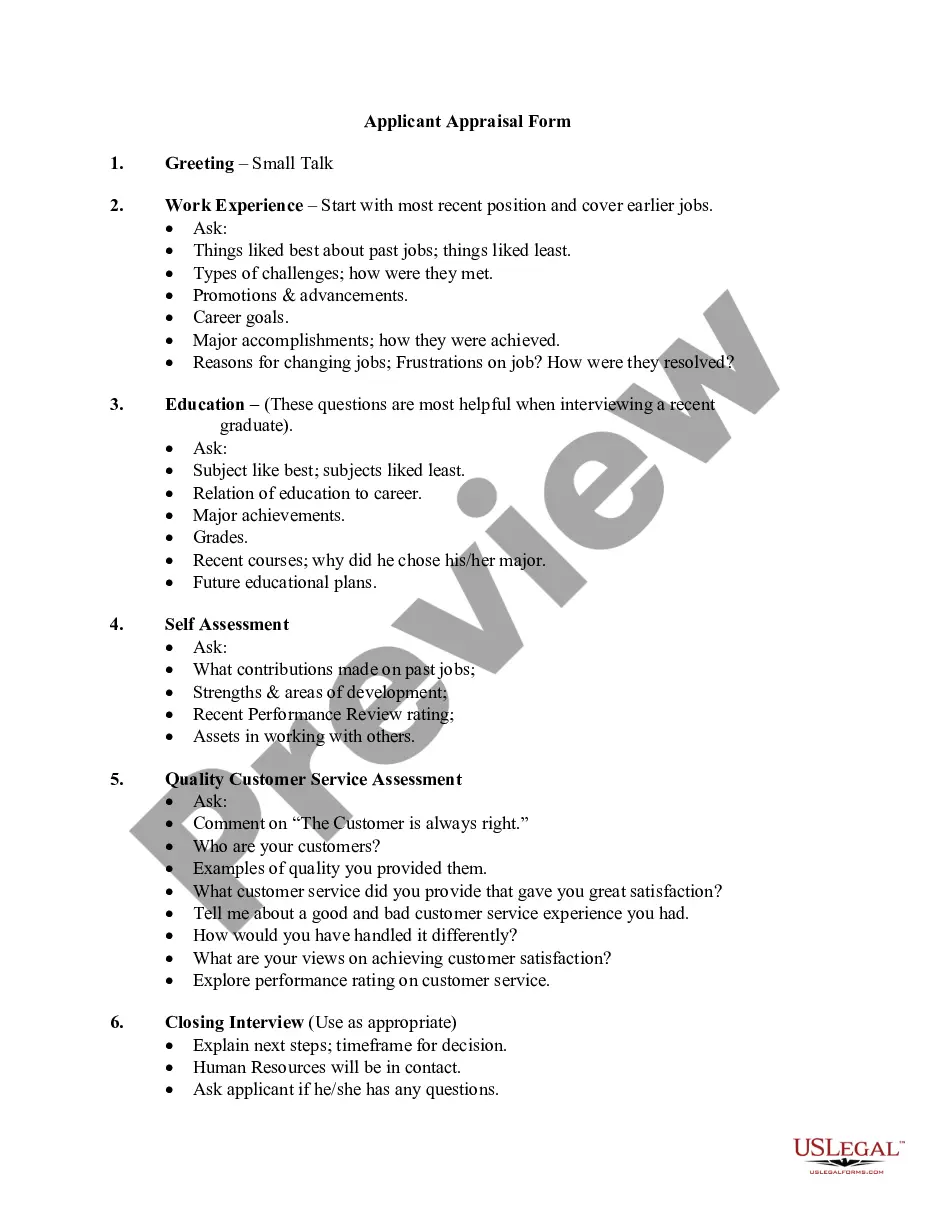
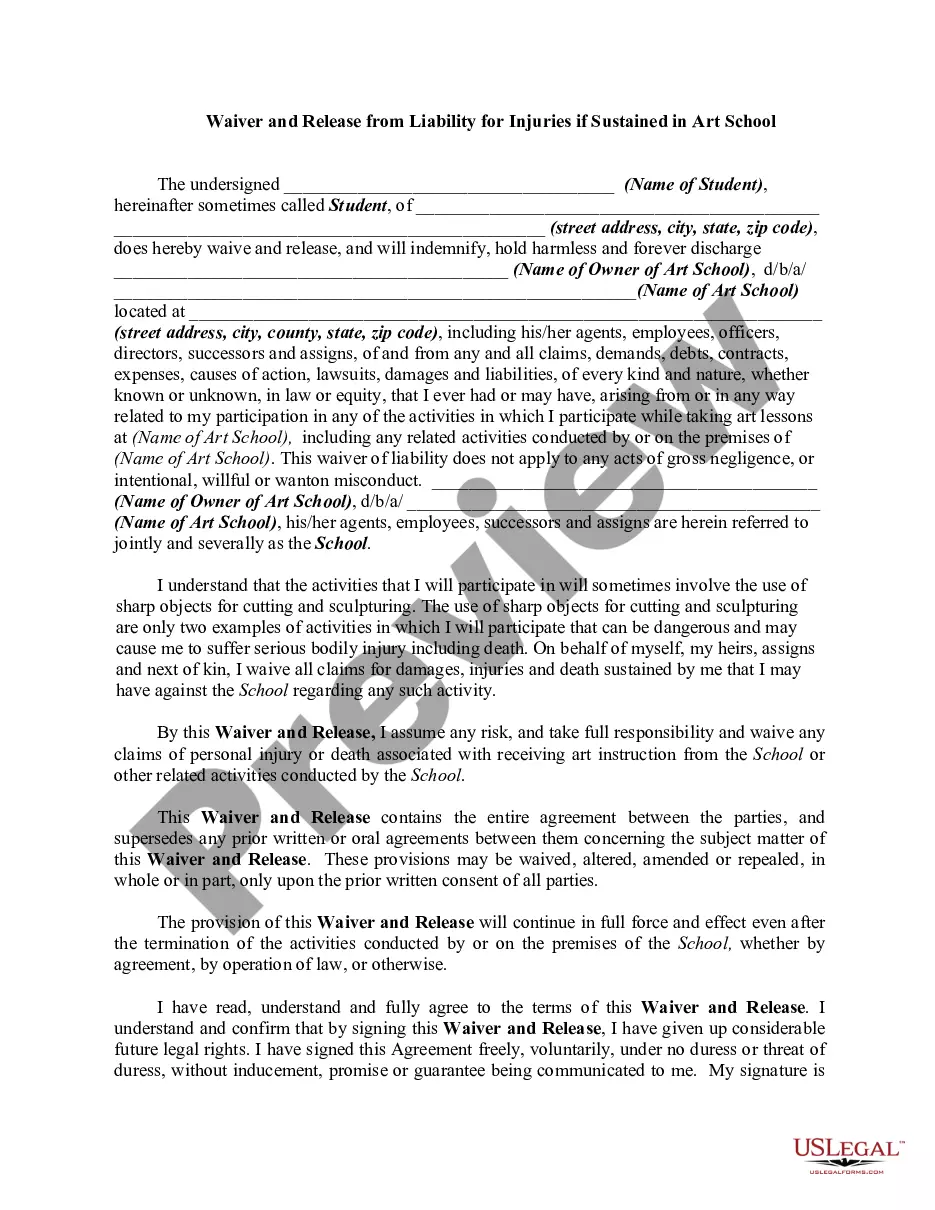
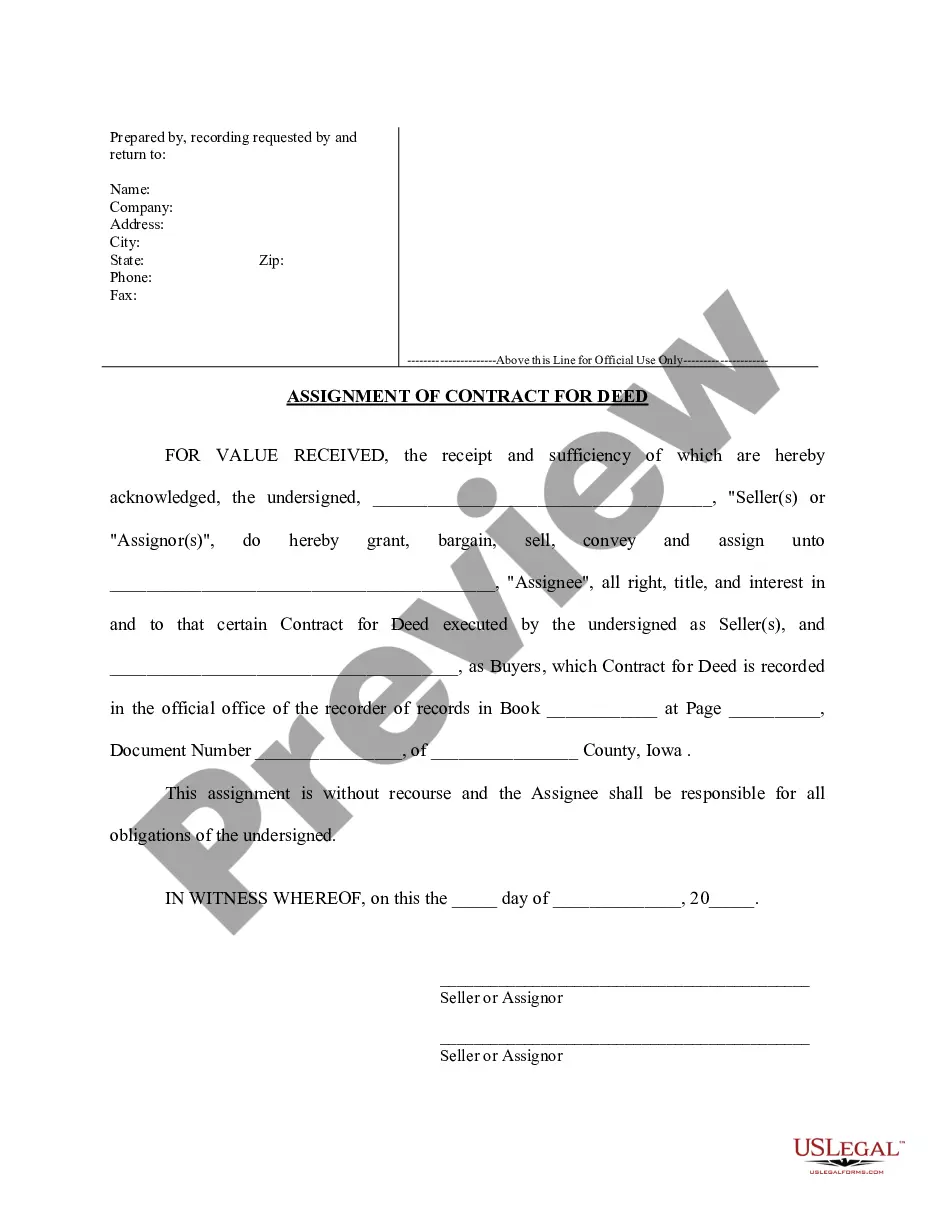
Form popularity
FAQ
Depending on the impact of their condition, a student might qualify for a 504 plan, an IEP, or neither. For example, if a student has very mild ADHD, it might not impact their life in a way that's a legal disability. So, they don't qualify for any plan.
The 504 can start immediately, and means preferential seating, more time on tests and assignments, small group settings, and couple of small things. The IEP would require more hoops and be more formal. It would also give her an extra teacher in the classroom.
If your child has a physical or mental disability, they may be eligible for a 504 Plan. Section 504 of the Rehabilitation Act of 1973 is the civil rights law that prohibits discrimination on the basis of disability; and guarantees individuals with disabilities equal access to an education.
A student may be eligible as a person with a disability under Section 504, because he or she has a physical impairment that substantially limits one or more major life activities, but not need any supports, services or accommodations in order to have equal access to school.
What are the practical steps to requesting an IEP? Provide, sign, and date a written note to the school requesting evaluation of your child for appropriate educational needs and services. The school will provide a parental notice and consent note within 10 school days for you to sign.
If a student qualifies for a 504 plan for anxiety, the school then puts in place supports and accommodations to help. This might mean frequent breaks, a quiet test room, or something else — whatever helps the student fully participate at school.
Section 504 may include conditions such as (but not limited to) dyslexia, cerebral palsy, Attention Deficit/Hyperactivity Disorder, epilepsy, multiple sclerosis, hearing impairments, asthma, neurological impairments, asthma, neurological impairments, emotional illness, visual impairments, learning disabilities, ...
If your child has a physical or mental disability, they may be eligible for a 504 Plan. Section 504 of the Rehabilitation Act of 1973 is the civil rights law that prohibits discrimination on the basis of disability; and guarantees individuals with disabilities equal access to an education.
The district has seven calendar days to respond to a request for an IEE. The school may not unreasonably delay an IEE, and it must consider the results of the IEE when determining eligibility or developing your child's IEP.