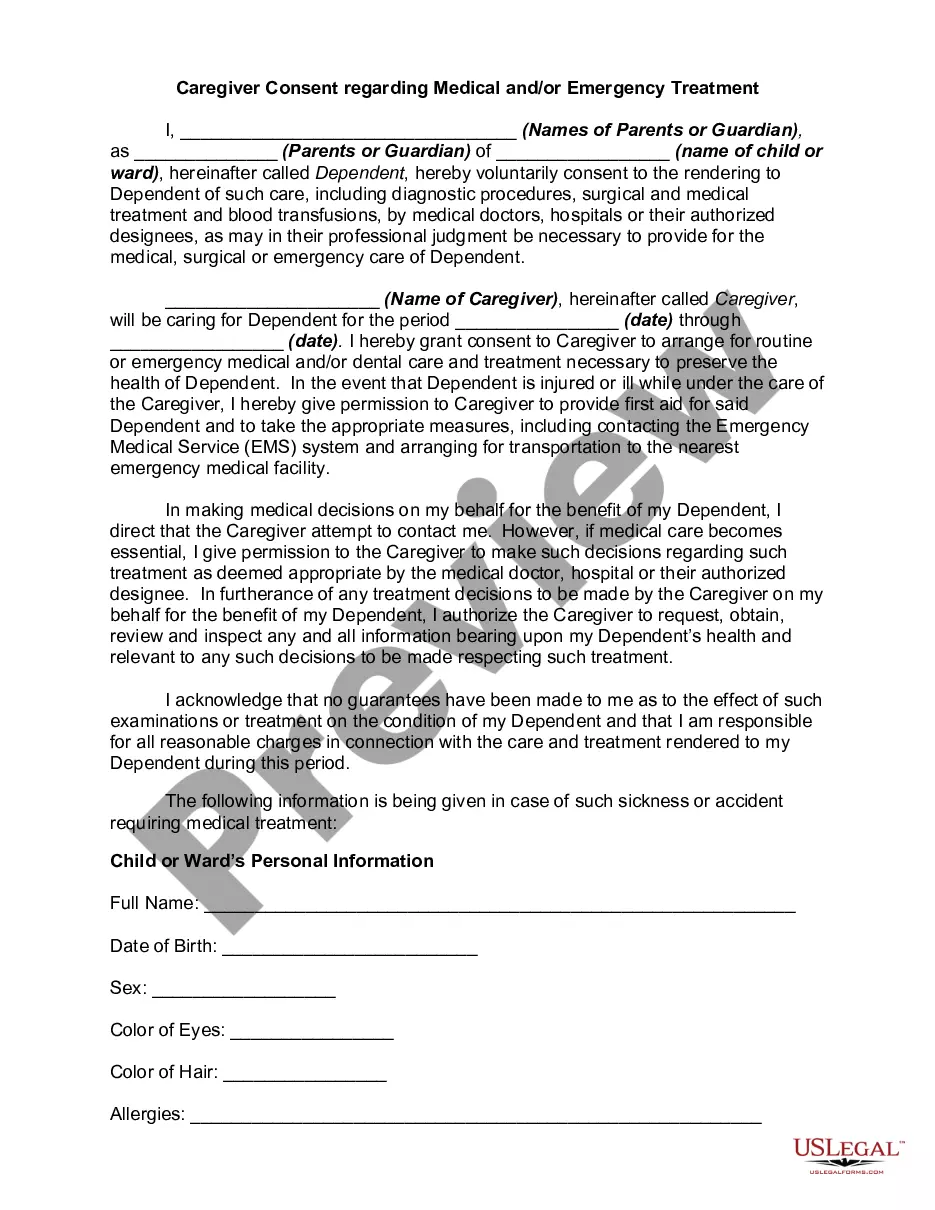
Caregiver Form Sample For Emergency Treatment In Mecklenburg
Description

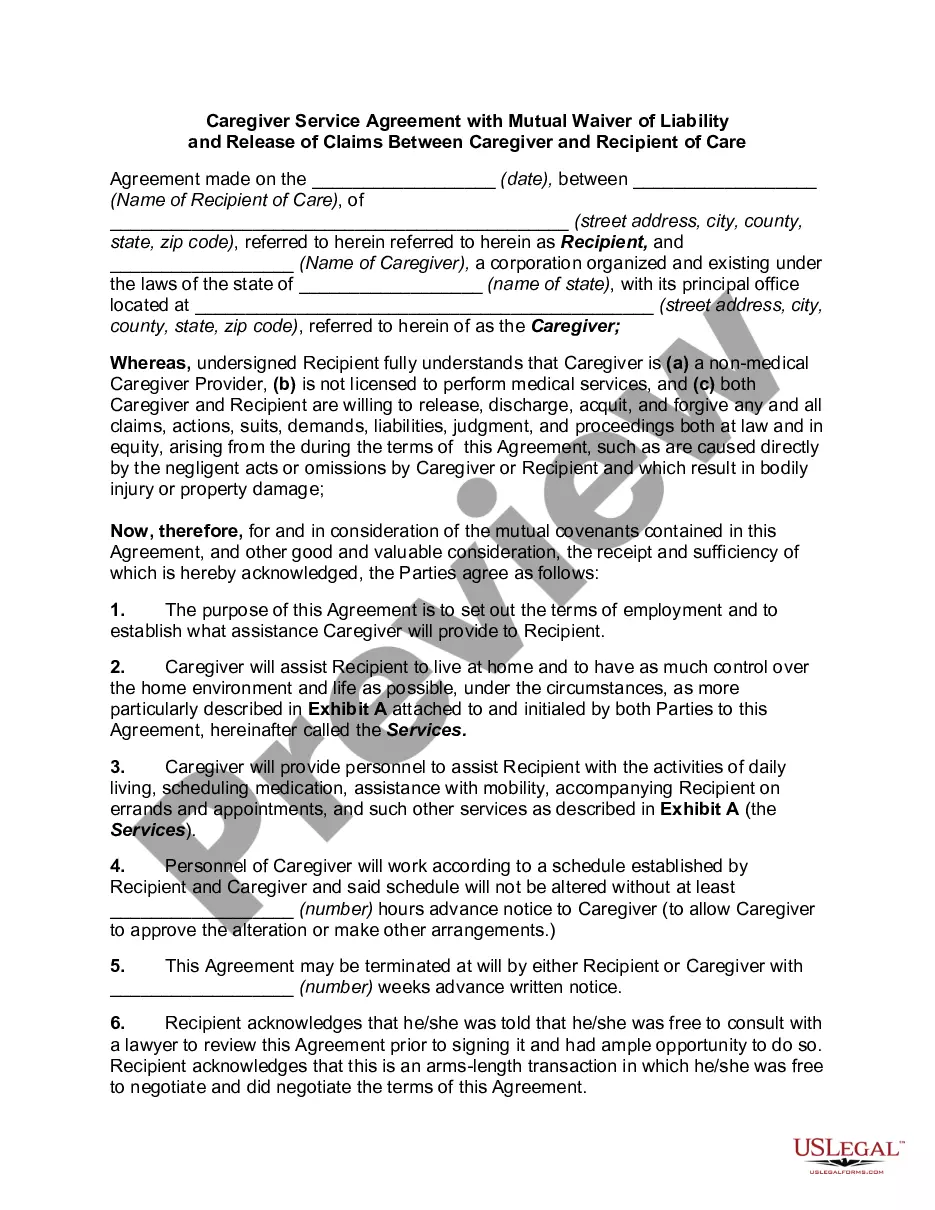
Get your form ready online
Our built-in tools help you complete, sign, share, and store your documents in one place.
Make edits, fill in missing information, and update formatting in US Legal Forms—just like you would in MS Word.
Download a copy, print it, send it by email, or mail it via USPS—whatever works best for your next step.
Sign and collect signatures with our SignNow integration. Send to multiple recipients, set reminders, and more. Go Premium to unlock E-Sign.
If this form requires notarization, complete it online through a secure video call—no need to meet a notary in person or wait for an appointment.
We protect your documents and personal data by following strict security and privacy standards.

Make edits, fill in missing information, and update formatting in US Legal Forms—just like you would in MS Word.

Download a copy, print it, send it by email, or mail it via USPS—whatever works best for your next step.

Sign and collect signatures with our SignNow integration. Send to multiple recipients, set reminders, and more. Go Premium to unlock E-Sign.

If this form requires notarization, complete it online through a secure video call—no need to meet a notary in person or wait for an appointment.

We protect your documents and personal data by following strict security and privacy standards.
Looking for another form?
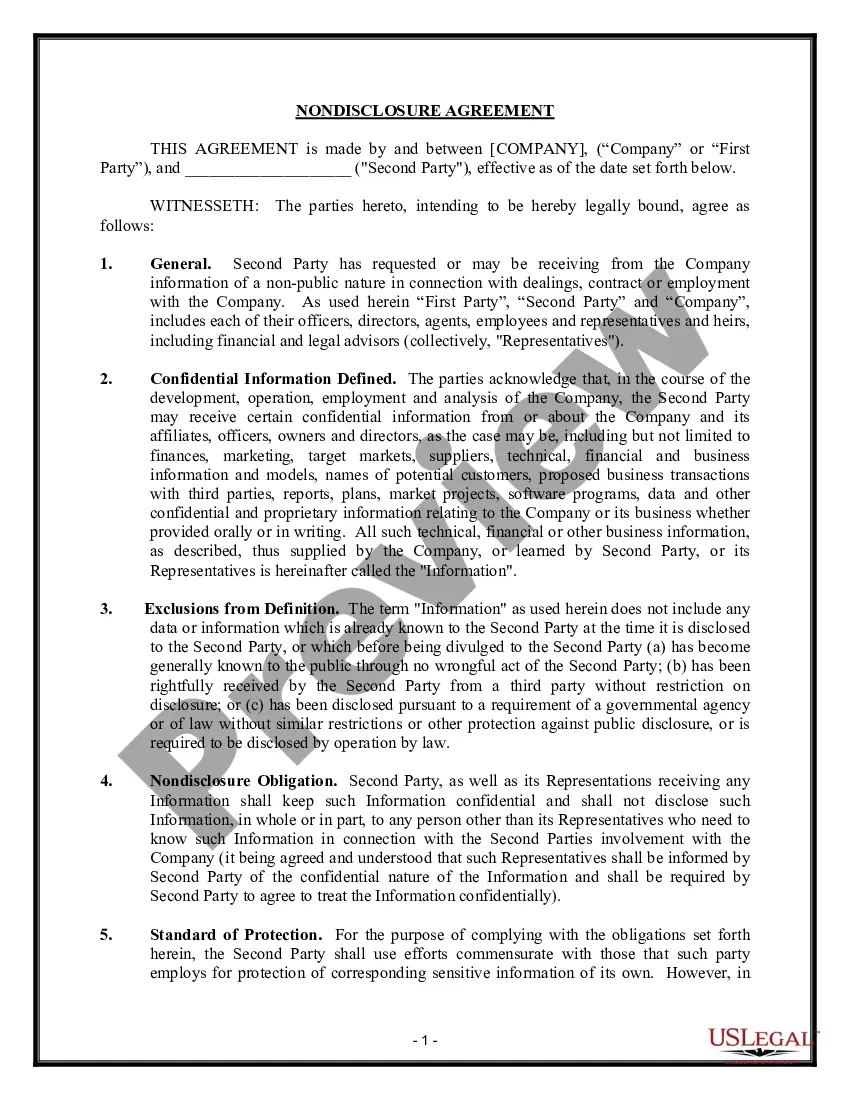

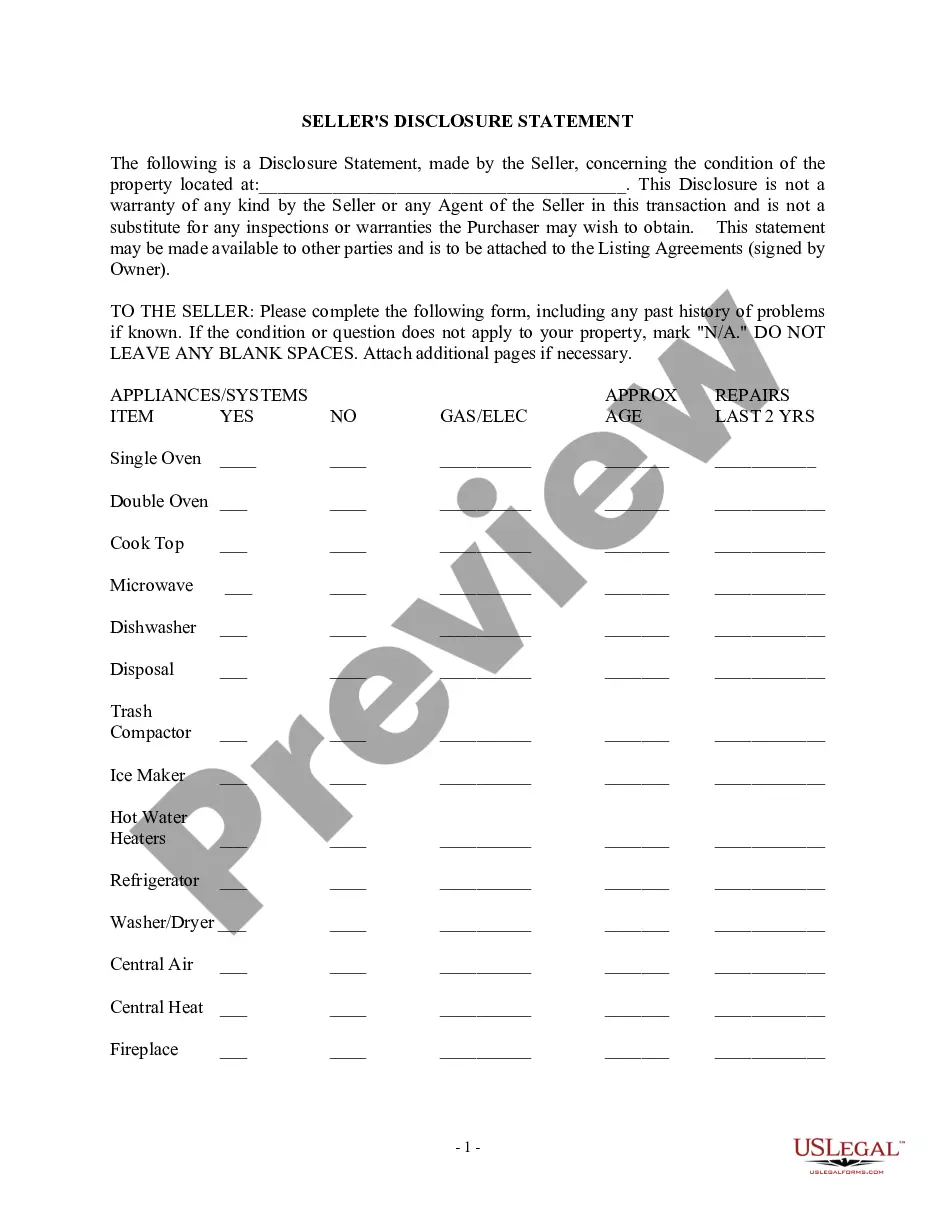
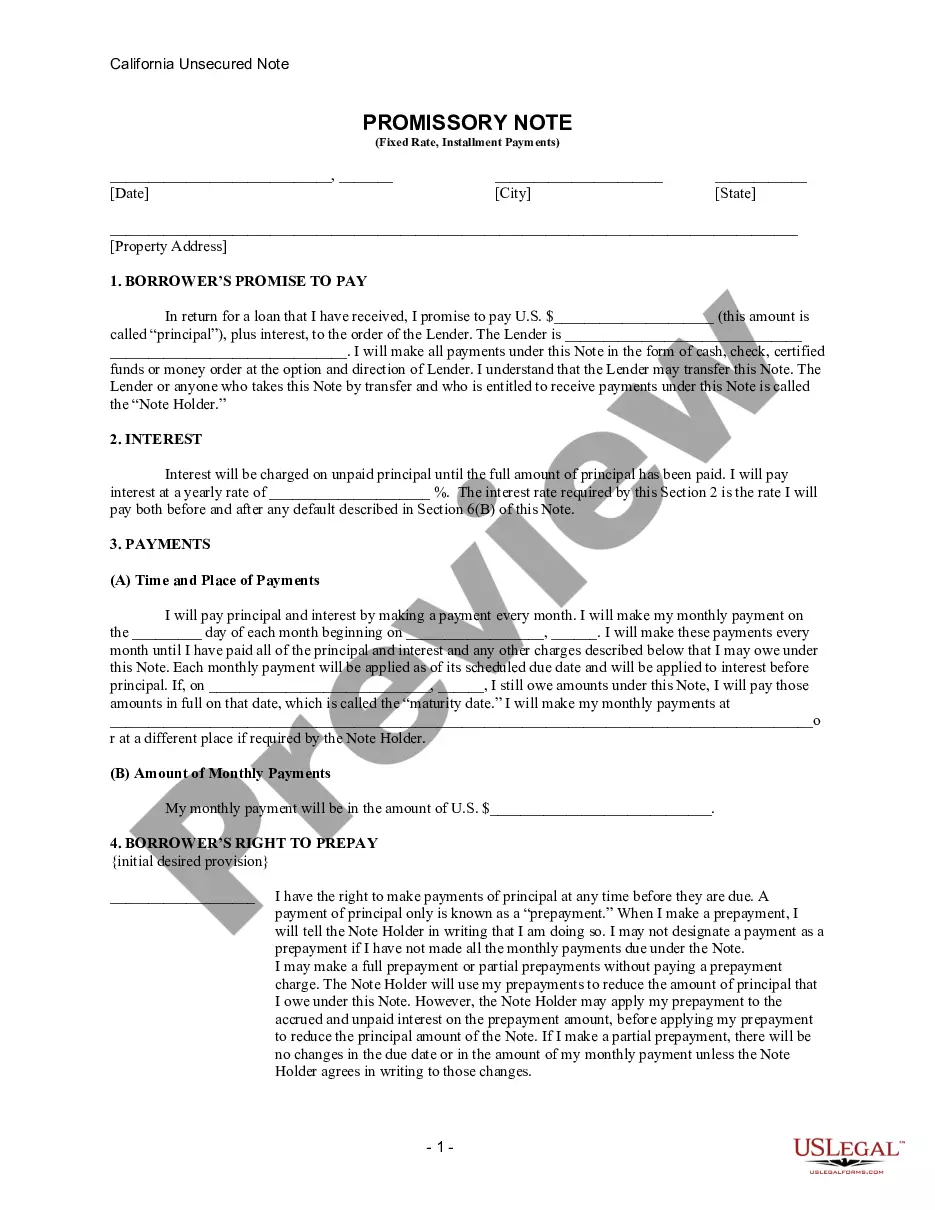
Form popularity
FAQ
A caregiver, carer or family caregiver (as they referred to around the world) is an unpaid individual, such as a family member, neighbour, friend or other significant individual, who takes on a caring role to support someone with a diminishing physical ability, a debilitating cognitive condition or a chronic life- ...
A carer is someone who takes care of a sick person or young children in their home. We are looking for foster carers who can care for a child for a few days.
How to become a caregiver Evaluate whether being a caregiver suits you. Determine whether offering care to vulnerable people is right for you. Obtain education and training. Seek a part-time role or apprenticeship. Gain experience. Develop care skills. Find a caregiver role.
In both countries the people who provide most of the care are family members and friends. In the United Kingdom, that person is called a “carer.” In the United States, the most common designation is “family caregiver,” with “family” interpreted broadly.
Both caregiver and care partner are acceptable but consider the situation and individual's preference before choosing a term.
4 Steps to Take in an Emergency Situation for Caregivers Assess the situation (S.A.M.P.L.E.). Answer some questions to get a better understanding of the event, and so you can relay that to emergency rescue when they arrive. Call 911. Loosen any tight clothing. Comfort and communicate.
Client or patient if the arrangement is more health/wellness based. If the caretaker is a lay person, (e.g. a home aide) I'd use client. If a nurse or other medically trained professional, then patient is more appropriate.
(KAYR-gih-ver) A person who gives care to people who need help taking care of themselves. Examples include children, the elderly, or patients who have chronic illnesses or are disabled. Caregivers may be health professionals, family members, friends, social workers, or members of the clergy.
A caregiver is someone, typically over age 18, who provides care for another. It may be a person who is responsible for the direct care, protection, and supervision of children in a child care home, or someone who tends to the needs of the elderly or disabled.
Caregivers often help clients get out of bed in the morning. This process can include anything from providing a simple wake-up call to assisting with personal hygiene, bathing, dressing, grooming, taking prescribed medications, preparing breakfast, and more.
