Caregiver Form Application With Medicare In Massachusetts
Description

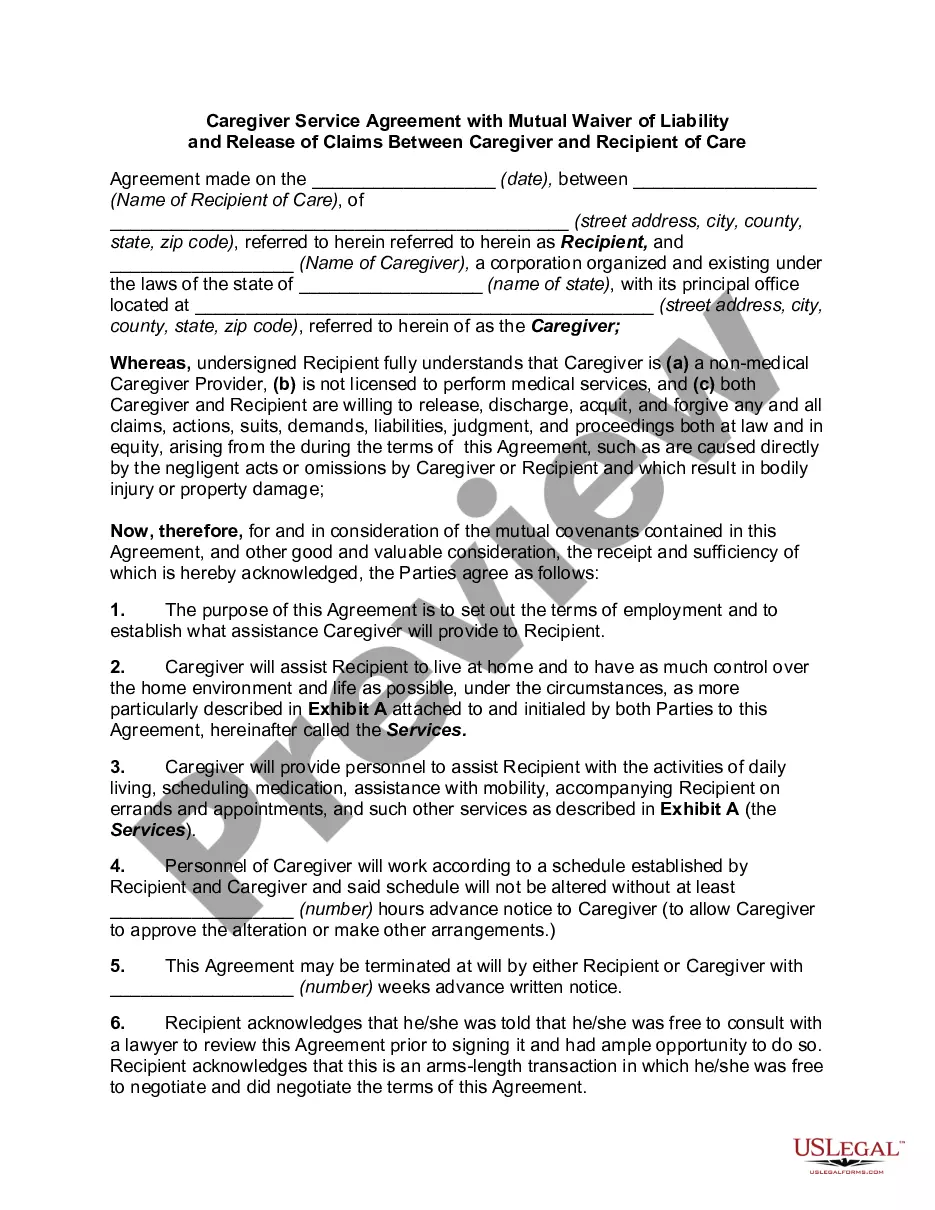
Get your form ready online
Our built-in tools help you complete, sign, share, and store your documents in one place.
Make edits, fill in missing information, and update formatting in US Legal Forms—just like you would in MS Word.
Download a copy, print it, send it by email, or mail it via USPS—whatever works best for your next step.
Sign and collect signatures with our SignNow integration. Send to multiple recipients, set reminders, and more. Go Premium to unlock E-Sign.
If this form requires notarization, complete it online through a secure video call—no need to meet a notary in person or wait for an appointment.
We protect your documents and personal data by following strict security and privacy standards.

Make edits, fill in missing information, and update formatting in US Legal Forms—just like you would in MS Word.

Download a copy, print it, send it by email, or mail it via USPS—whatever works best for your next step.

Sign and collect signatures with our SignNow integration. Send to multiple recipients, set reminders, and more. Go Premium to unlock E-Sign.

If this form requires notarization, complete it online through a secure video call—no need to meet a notary in person or wait for an appointment.

We protect your documents and personal data by following strict security and privacy standards.
Looking for another form?



Form popularity
FAQ
@yolande73, I recommend that you contact a local hospice or someone at the hospital like chaplaincy or social work to inquire about supports for YOU. Hospice and social work services are available for caregivers. They can also help you navigate the challenges in communication with the care team.
Isolation – Caregivers can often feel cut off from the outside world. So much time and energy is spent caring for someone else, caregivers often don't have time to take care of themselves. If you start to feel isolated, reach out to close friends and family to see if they are able to help.
It is for individuals age 60+ and those who are under 60 with an Alzheimer's Disease or related disease diagnosis. This also includes individuals who may not be eligible for MassHealth but require varying levels of assistance with daily living tasks. Monthly co-payments may apply depending on income.
Here are the most widely seen 4 types of caregivers: Professional caregivers. Those who are trained, certified, and employed to provide care services are known as professional caregivers. Family caregivers. Volunteer caregivers. Informal caregivers.
A Caregiver's Affidavit will allow you to 1) enroll the child in school and 2) if you are a relative, consent to medical care on behalf of the child. If you are not a relative, you may consent to school-related medical care only and it is recommended that you obtain legal guardianship.
A guardian is different from a caregiver because when a child has a caregiver, either the caregiver or the parent can make decisions for the child. When a child has a guardian, only the guardian, not the parent, can make decisions.
The form is also called a "Caregiver Authorization Affidavit." The form says you are sharing medical and educational decision-making power with the caregiver you name. You can find instructions from the Massachusetts Probate Court on how to fill out the form.
To work in Massachusetts, Home Health Aides (HHAs) must complete 75 hours of initial training (including 16 hours of practicum experience). In addition, HHAs must undergo supervised training and complete several assessments. Before securing a job as an HHA, you must pass a background check and drug test.
