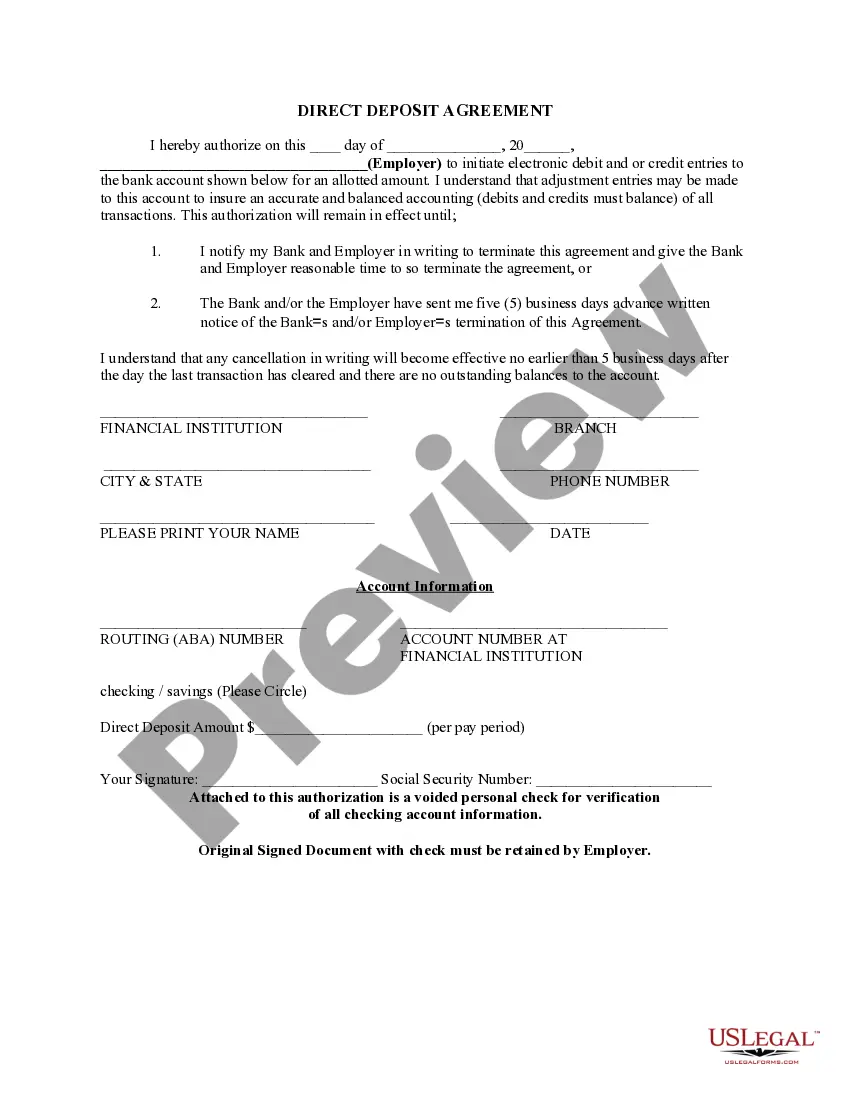
Caregiver Form Sample With Questions In Maryland
Description






Get your form ready online
Our built-in tools help you complete, sign, share, and store your documents in one place.
Make edits, fill in missing information, and update formatting in US Legal Forms—just like you would in MS Word.
Download a copy, print it, send it by email, or mail it via USPS—whatever works best for your next step.
Sign and collect signatures with our SignNow integration. Send to multiple recipients, set reminders, and more. Go Premium to unlock E-Sign.
If this form requires notarization, complete it online through a secure video call—no need to meet a notary in person or wait for an appointment.
We protect your documents and personal data by following strict security and privacy standards.

Make edits, fill in missing information, and update formatting in US Legal Forms—just like you would in MS Word.

Download a copy, print it, send it by email, or mail it via USPS—whatever works best for your next step.

Sign and collect signatures with our SignNow integration. Send to multiple recipients, set reminders, and more. Go Premium to unlock E-Sign.

If this form requires notarization, complete it online through a secure video call—no need to meet a notary in person or wait for an appointment.

We protect your documents and personal data by following strict security and privacy standards.
Looking for another form?
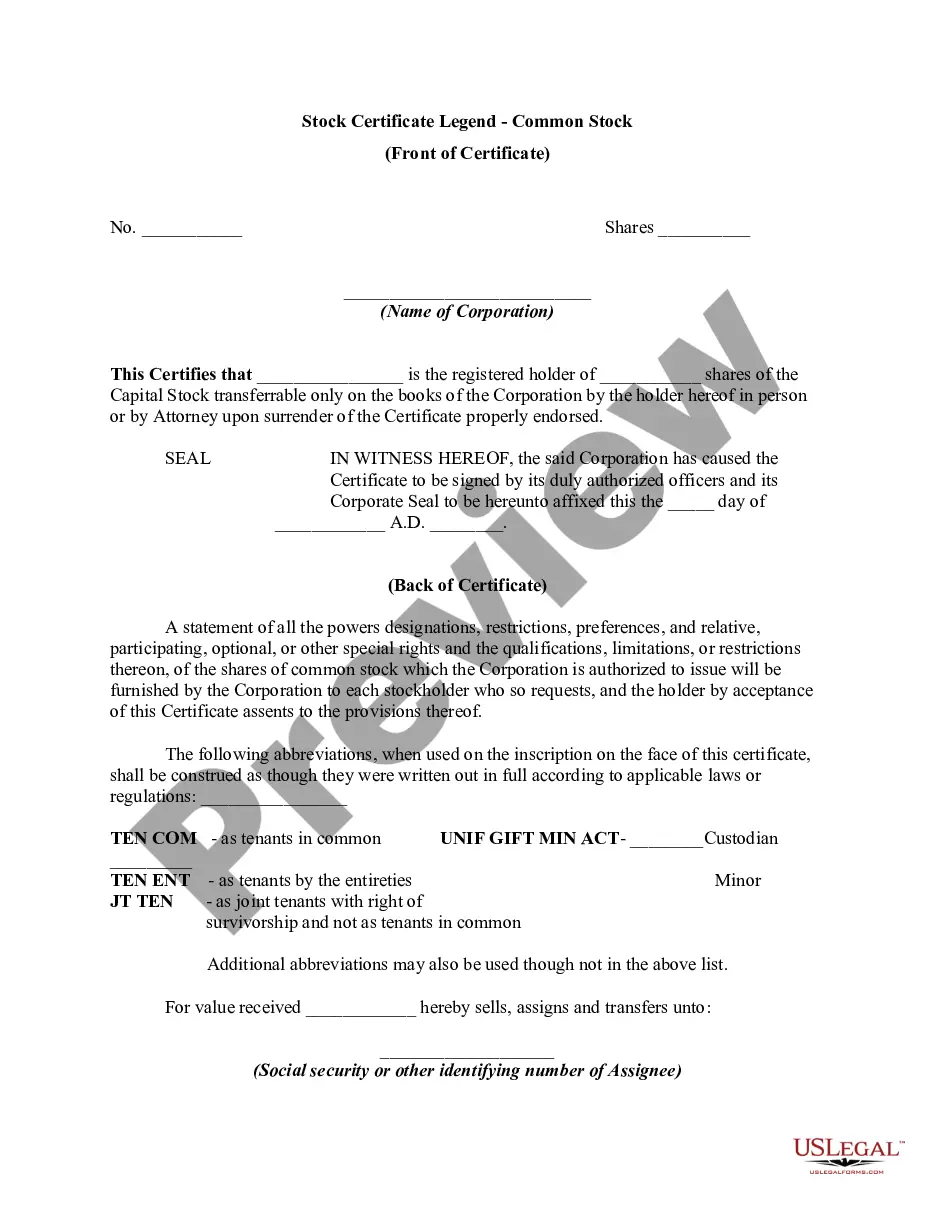
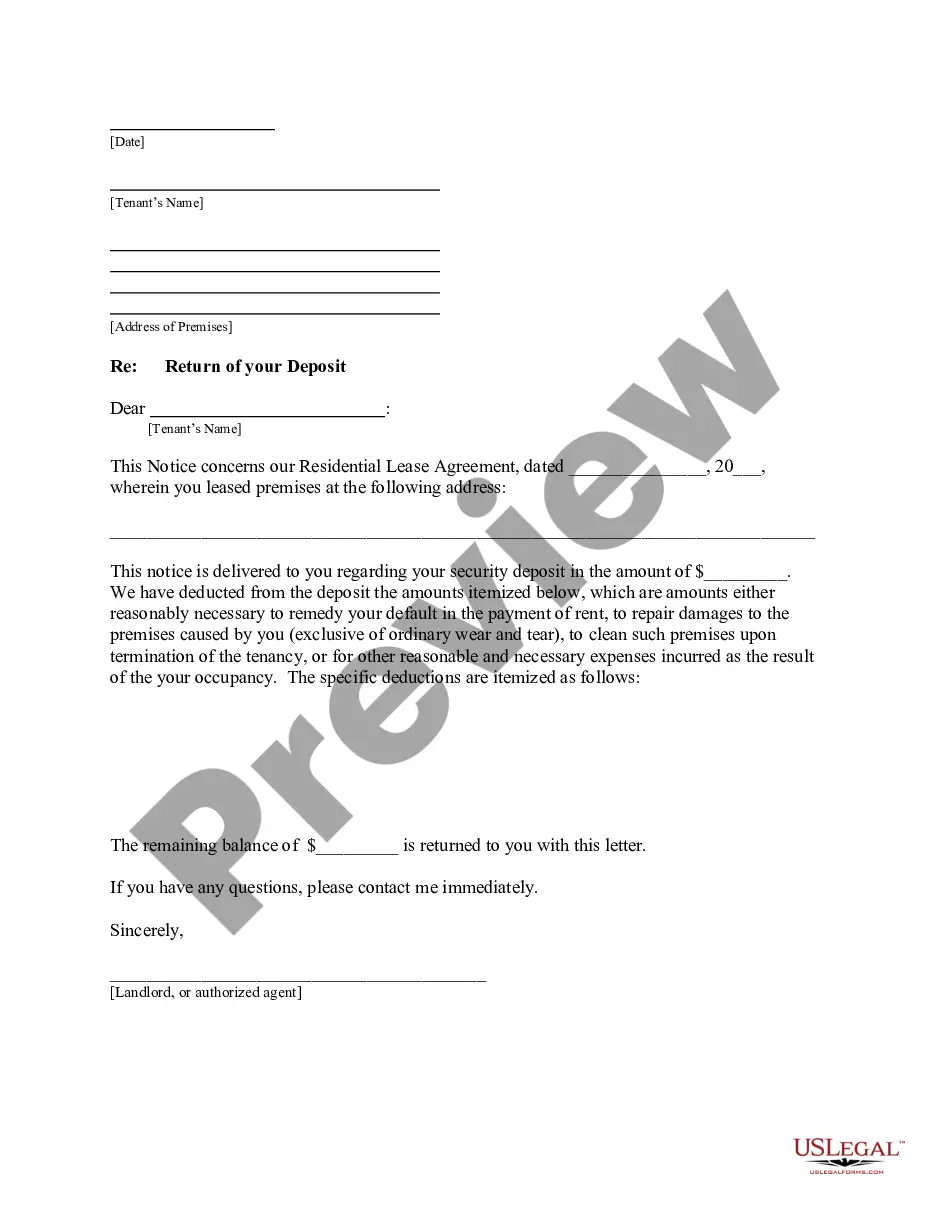
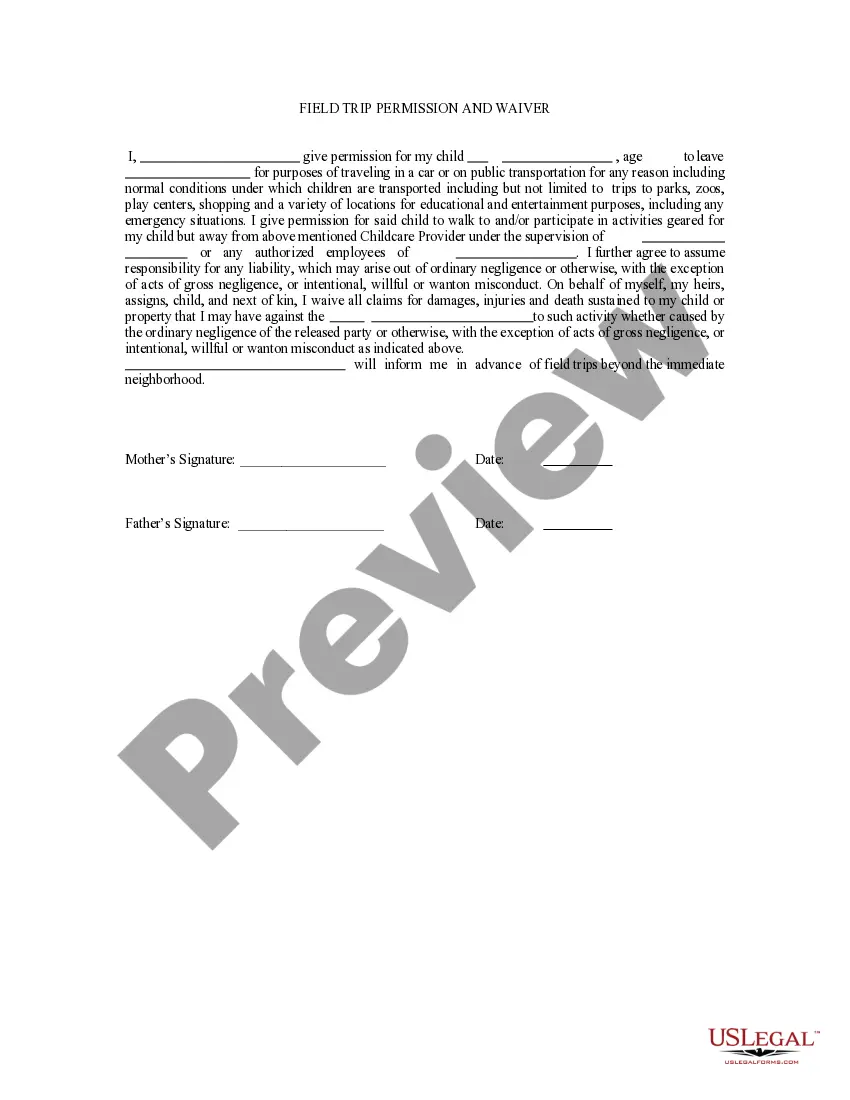




Form popularity
FAQ
A professional caregiver is someone who assists others with tasks they cannot do, or have trouble doing, alone. In many cases, it is a professional caregiver who is the difference between >staying in the comfort of your home, versus leaving for an assisted care center or nursing home.
Here are the most widely seen 4 types of caregivers: Professional caregivers. Those who are trained, certified, and employed to provide care services are known as professional caregivers. Family caregivers. Volunteer caregivers. Informal caregivers.
This journey can be challenging but also rewarding, as it offers an opportunity to enhance the quality of life through caregiving. The Humanitude methodology provides a structured approach, based on four key pillars—Gaze, Speech, Touch, and Verticality—to address these changing needs effectively.
Obtaining the license Applicant must be 21 years or older. Applicant must submit a valid, US government-issued photo ID and a clear, recent photo. If the applicant is registering to be a caregiver for a registered minor patient, applicant must be a parent or legal guardian of the minor patient.
He is a caregiver for his autistic son. She is able to take care of her husband at home with the help of several caregivers. Unless you have been a caregiver or a close family member or friend to someone with Alzheimer's, it's hard to really understand what it's like.
Three Pillars of Great Caregiving Compassion: The Guiding Light of Care. At the core of every great caregiver is an unwavering wellspring of compassion. Optimism: Nurturing Hope in Every Gesture. Confidence: The Steadfast Anchor in Care. Embodying Excellence: Where Compassion, Optimism, and Confidence Converge.
A caregiver provides assistance in meeting the daily needs of another person. Responsibilities may range from bathing, dressing, feeding, transportation, grocery shopping, housework, managing incontinence, assisting with mobility, preparing meals, dispensing medicines, and communicating with medical staff.
Here are the most widely seen 4 types of caregivers: Professional caregivers. Those who are trained, certified, and employed to provide care services are known as professional caregivers. Family caregivers. Volunteer caregivers. Informal caregivers.
Becoming a certified caregiver in Maryland typically takes about 6 to 12 weeks. This timeframe includes completing a state-approved training program, which usually consists of around 75 hours of coursework followed by hands-on clinical experience. After training, passing the certification exam is the final step.
A person who gives care to people who need help taking care of themselves. Examples include children, the elderly, or patients who have chronic illnesses or are disabled. Caregivers may be health professionals, family members, friends, social workers, or members of the clergy.