Caregiver Form Printable Format In Kings
Description

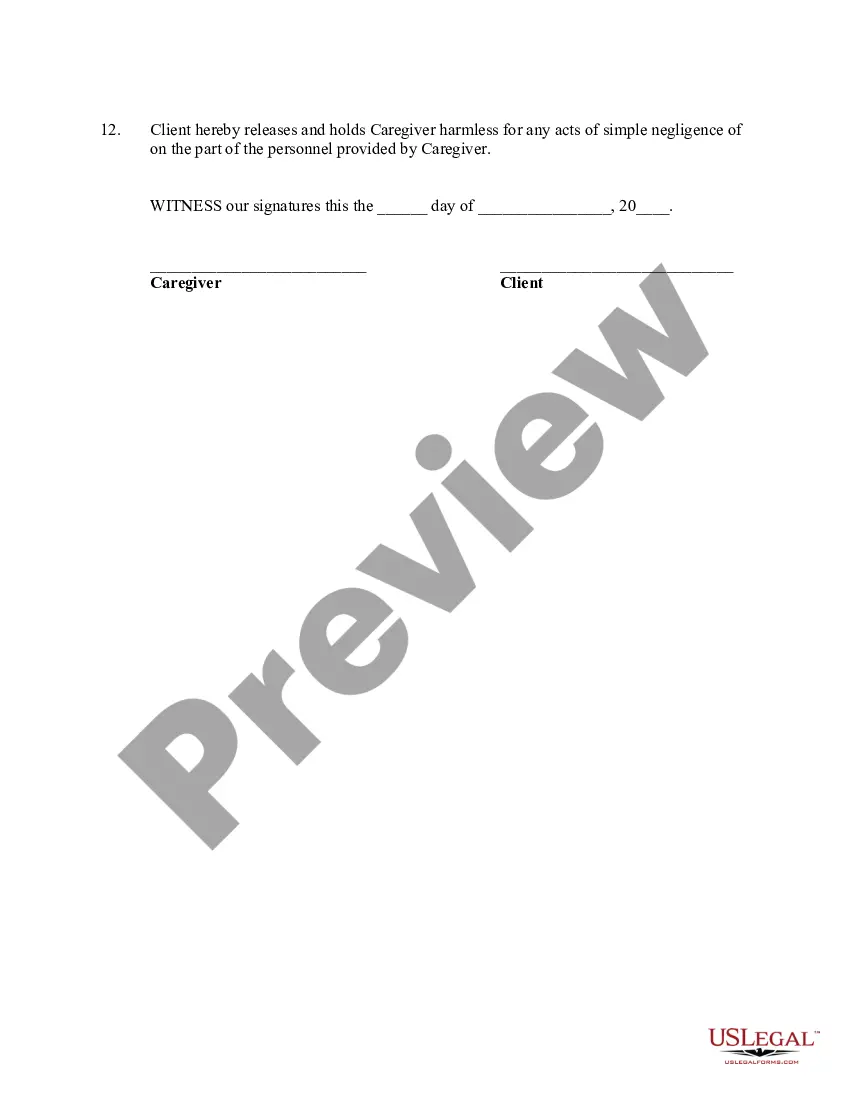
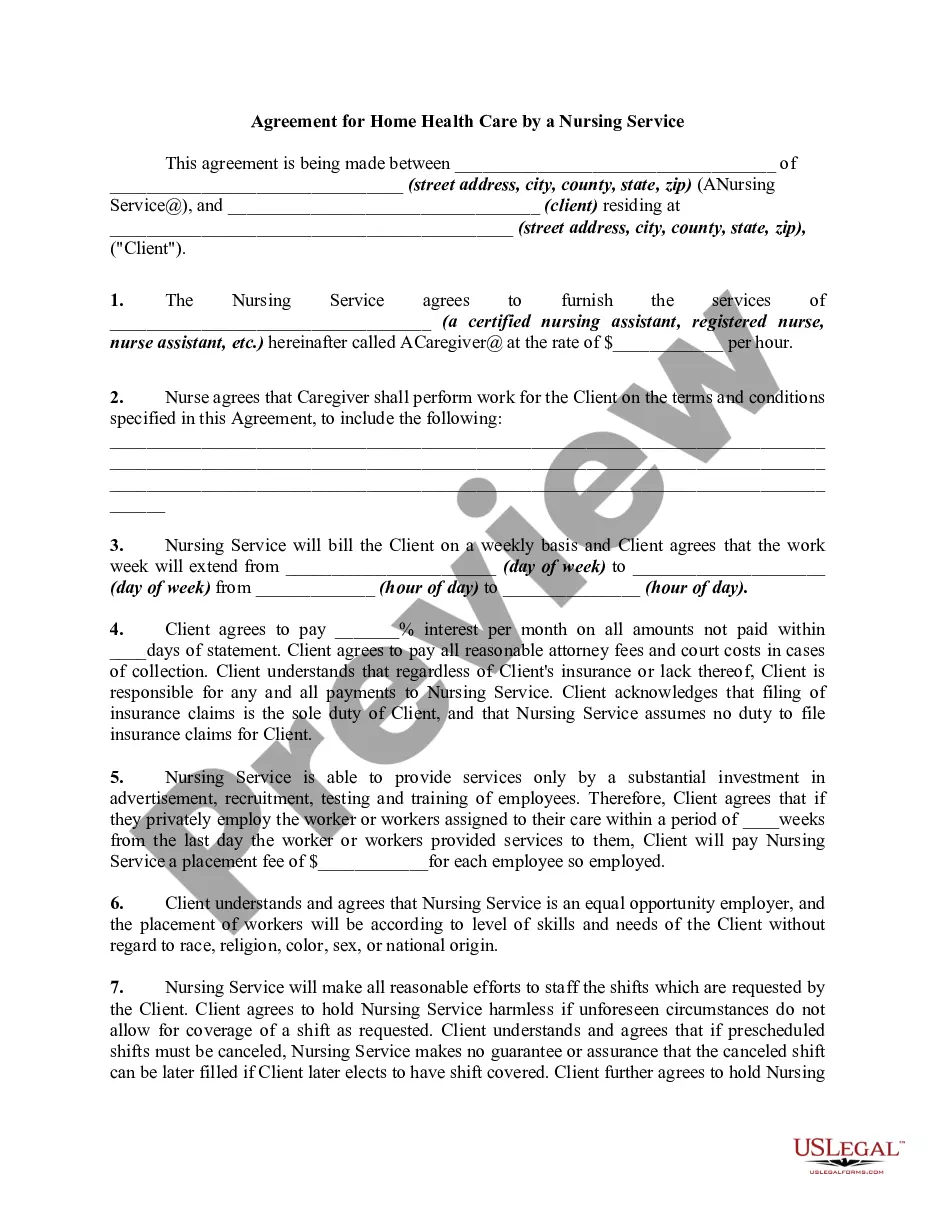
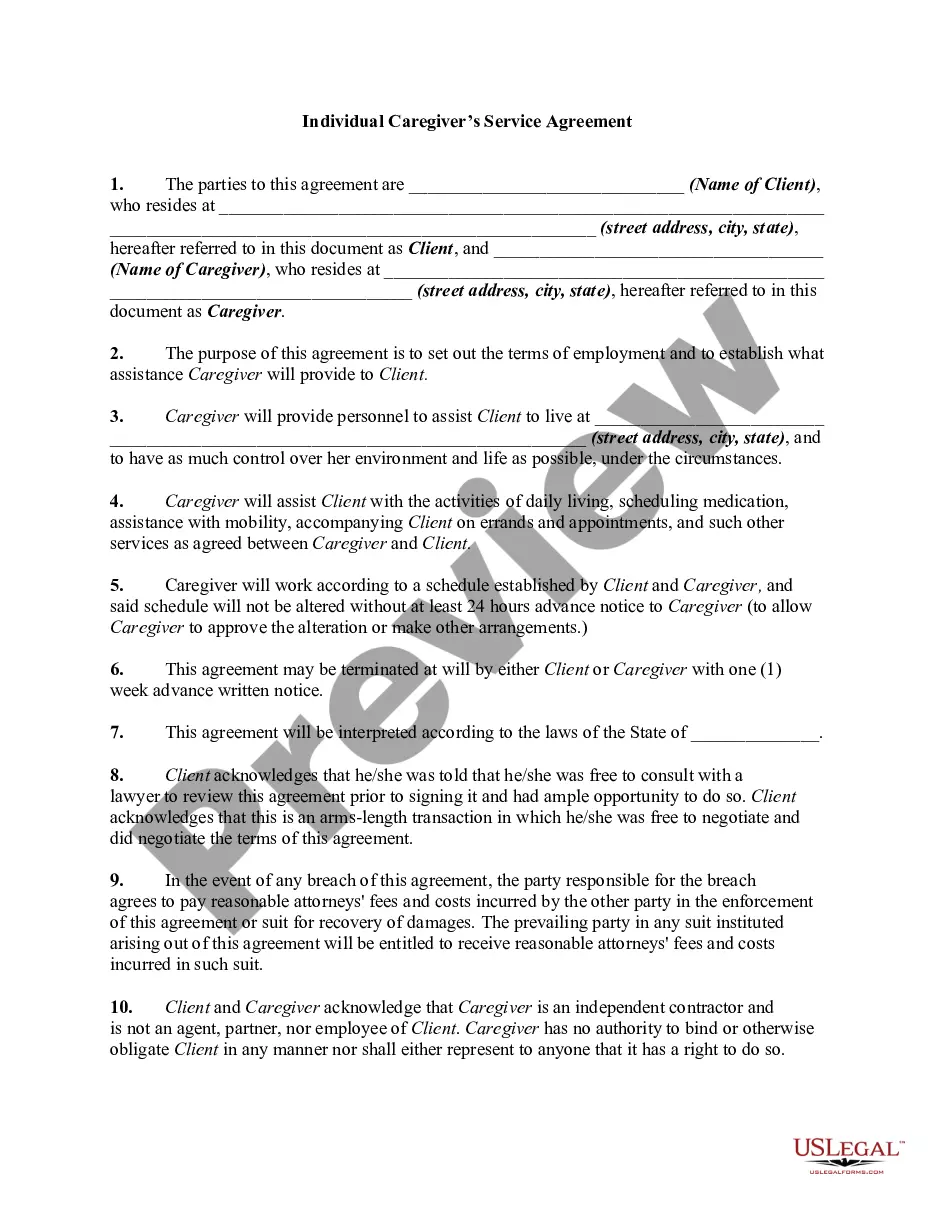
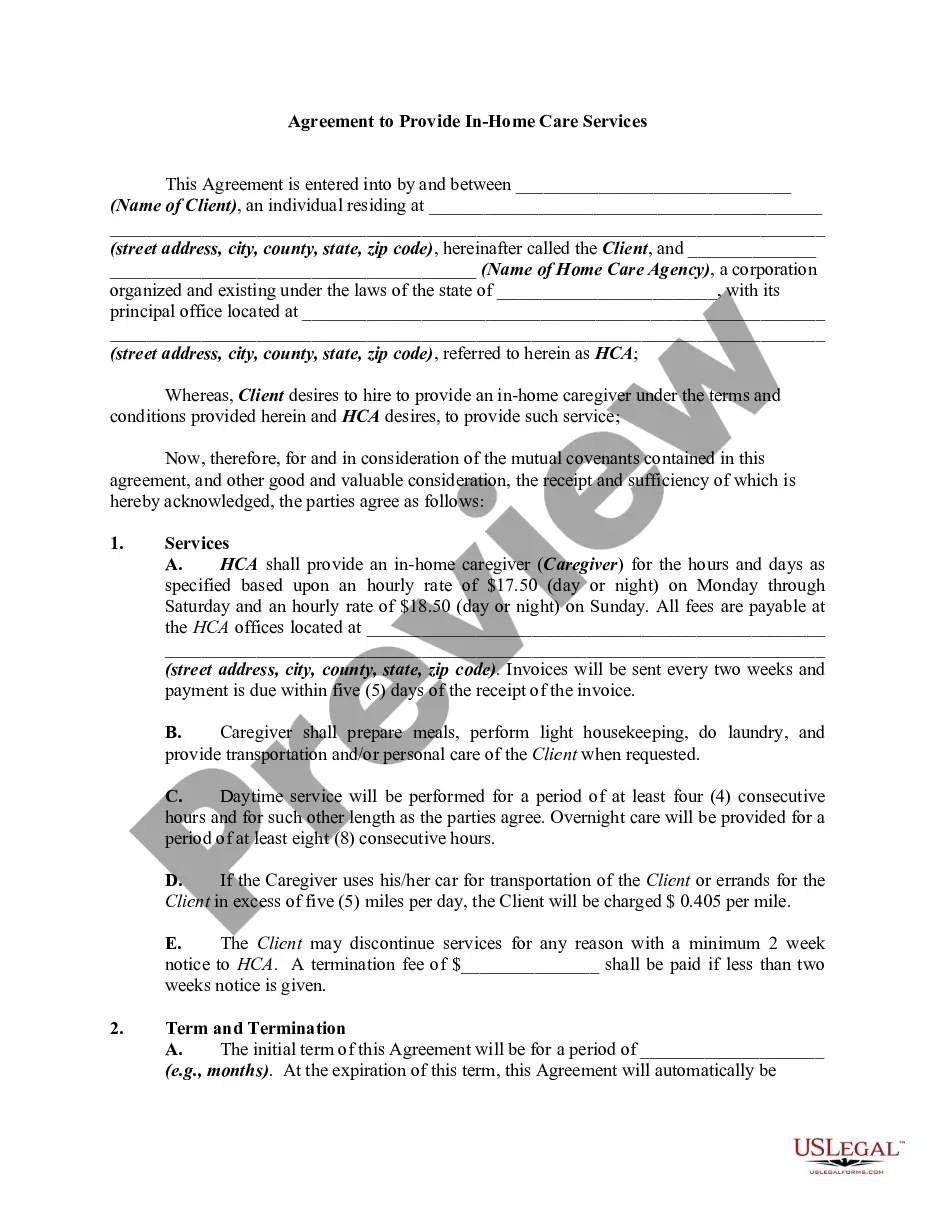
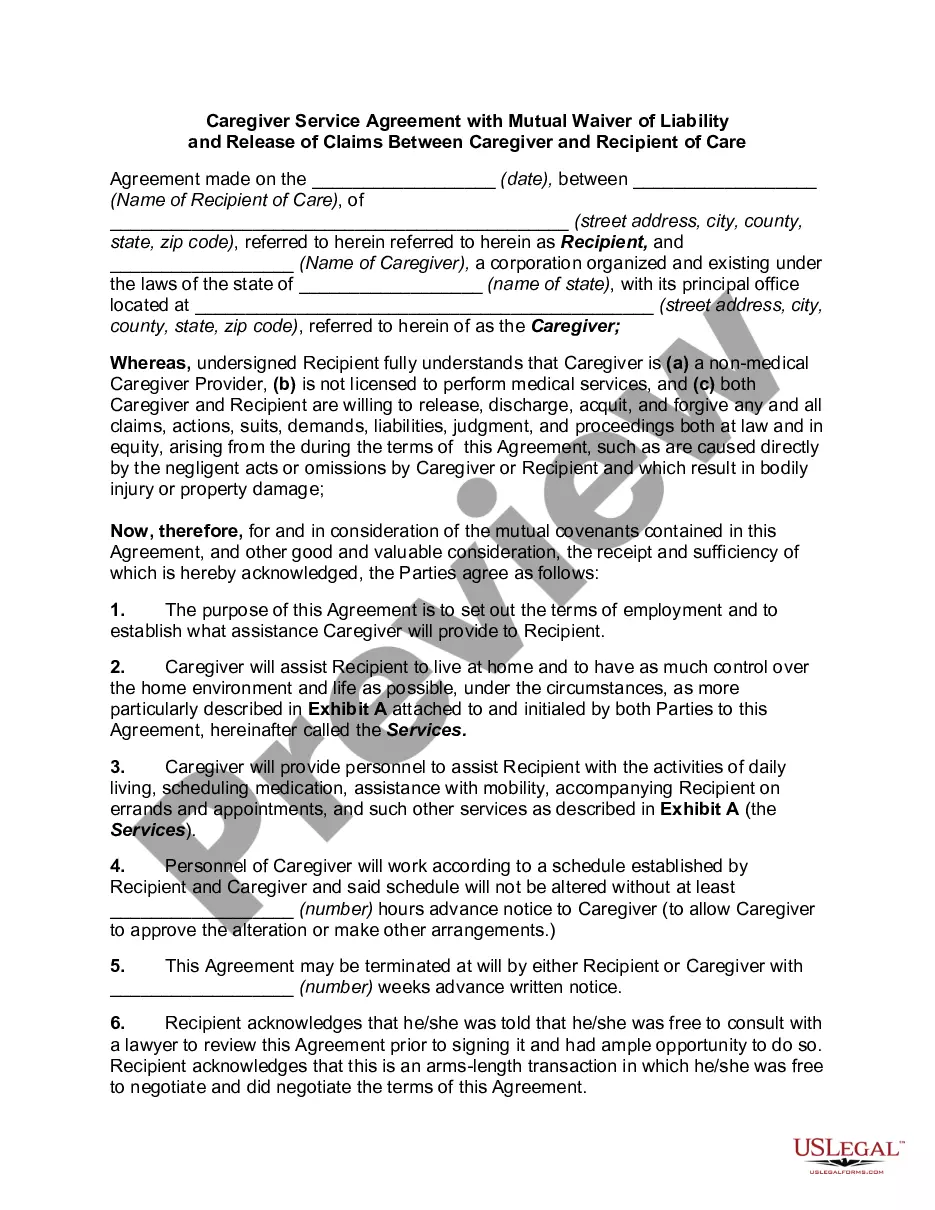
Get your form ready online
Our built-in tools help you complete, sign, share, and store your documents in one place.
Make edits, fill in missing information, and update formatting in US Legal Forms—just like you would in MS Word.
Download a copy, print it, send it by email, or mail it via USPS—whatever works best for your next step.
Sign and collect signatures with our SignNow integration. Send to multiple recipients, set reminders, and more. Go Premium to unlock E-Sign.
If this form requires notarization, complete it online through a secure video call—no need to meet a notary in person or wait for an appointment.
We protect your documents and personal data by following strict security and privacy standards.

Make edits, fill in missing information, and update formatting in US Legal Forms—just like you would in MS Word.

Download a copy, print it, send it by email, or mail it via USPS—whatever works best for your next step.

Sign and collect signatures with our SignNow integration. Send to multiple recipients, set reminders, and more. Go Premium to unlock E-Sign.

If this form requires notarization, complete it online through a secure video call—no need to meet a notary in person or wait for an appointment.

We protect your documents and personal data by following strict security and privacy standards.
Looking for another form?
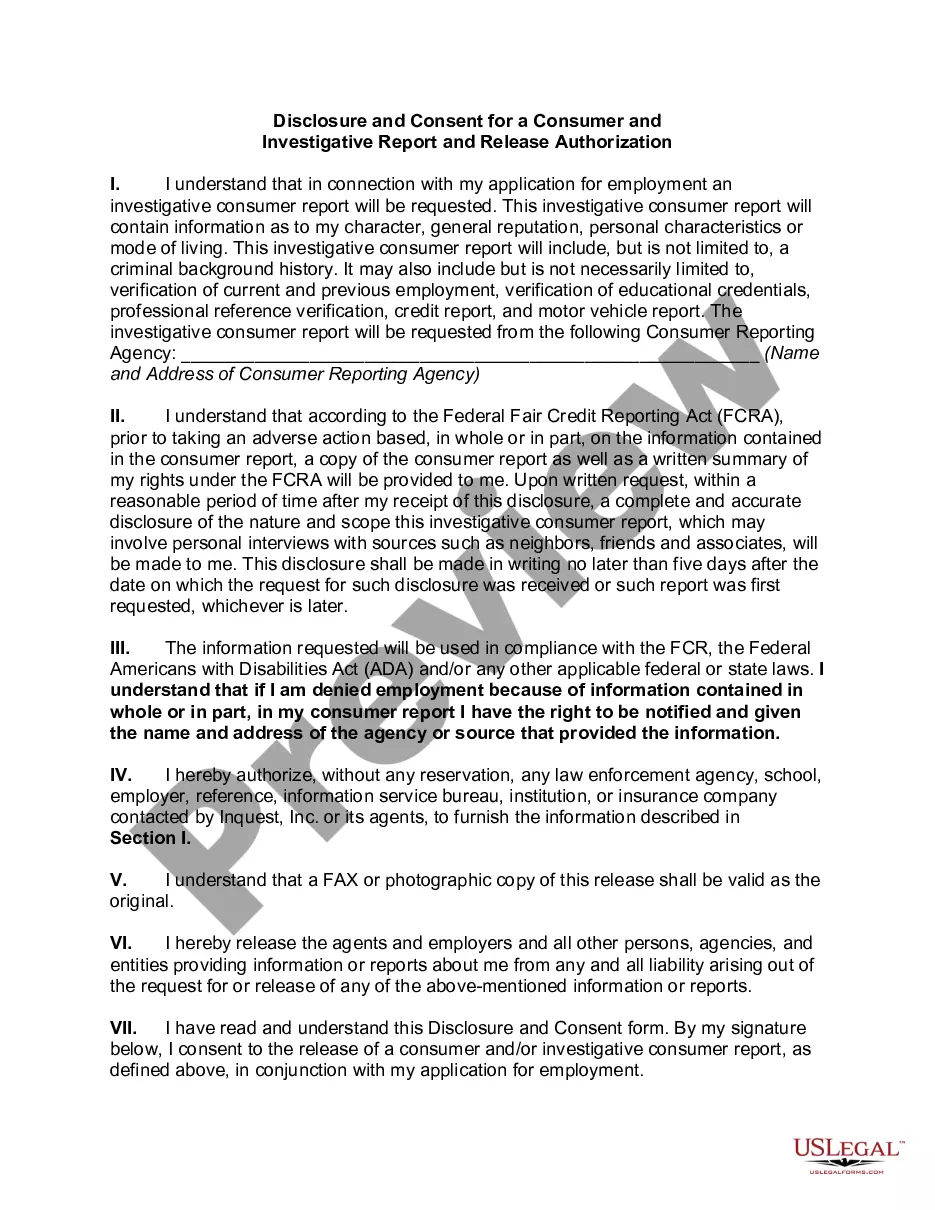









Form popularity
FAQ
In conclusion, there are 4 types of caregivers: family caregivers, professional caregivers, volunteer caregivers, and informal caregivers. Each caregiver faces unique challenges, including physical and emotional exhaustion, financial strain, and balancing personal and caregiving responsibilities.
The Employment Insurance Compassionate Care Benefit offers 26 weeks of employment insurance payments for people who are away from their workplace to care for and support a family member who is gravely ill and who has a significant risk of death within 26 weeks.
Employment Insurance (EI) family caregiver benefits provide temporary financial assistance to eligible individuals who are away from work to care for or support a critically ill or injured family member. For the purpose of these benefits: •
(KAYR-gih-ver) A person who gives care to people who need help taking care of themselves. Examples include children, the elderly, or patients who have chronic illnesses or are disabled. Caregivers may be health professionals, family members, friends, social workers, or members of the clergy.
Family caregiver leave in Ontario is unpaid but it protects your job. Here's how it works: you can get up to 8 weeks of caregiver leave each calendar year for certain family members needing your care or support. you can take more than 1 caregiver leave in a calendar year for different family members.
Who is eligible for the Canada caregiver amount? You can claim the caregiver allowance in Canada if, at any time during the tax year, you provide support to your spouse or common-law partner who has an impairment in physical or mental functions.
In-home caregiver as a household employee Provide a completed Form I-9 to your household employer to ensure you're qualified to work in the U.S. Provide a completed W-4 form and state income tax withholding forms. Complete your federal income tax return using Form W-2, which will be provided by your employer.
