Caregiver Form Printable Format In Illinois
Description






Get your form ready online
Our built-in tools help you complete, sign, share, and store your documents in one place.
Make edits, fill in missing information, and update formatting in US Legal Forms—just like you would in MS Word.
Download a copy, print it, send it by email, or mail it via USPS—whatever works best for your next step.
Sign and collect signatures with our SignNow integration. Send to multiple recipients, set reminders, and more. Go Premium to unlock E-Sign.
If this form requires notarization, complete it online through a secure video call—no need to meet a notary in person or wait for an appointment.
We protect your documents and personal data by following strict security and privacy standards.

Make edits, fill in missing information, and update formatting in US Legal Forms—just like you would in MS Word.

Download a copy, print it, send it by email, or mail it via USPS—whatever works best for your next step.

Sign and collect signatures with our SignNow integration. Send to multiple recipients, set reminders, and more. Go Premium to unlock E-Sign.

If this form requires notarization, complete it online through a secure video call—no need to meet a notary in person or wait for an appointment.

We protect your documents and personal data by following strict security and privacy standards.
Looking for another form?


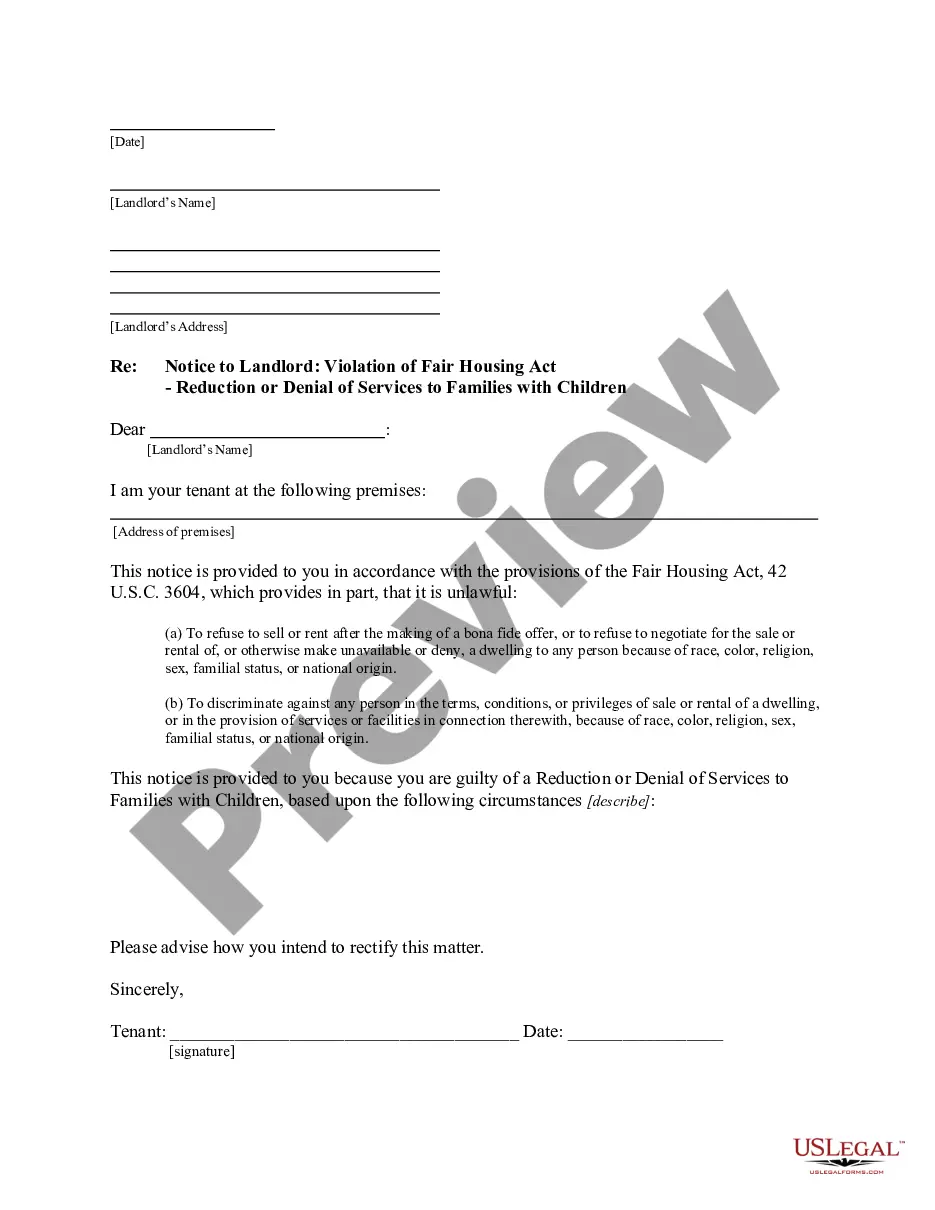
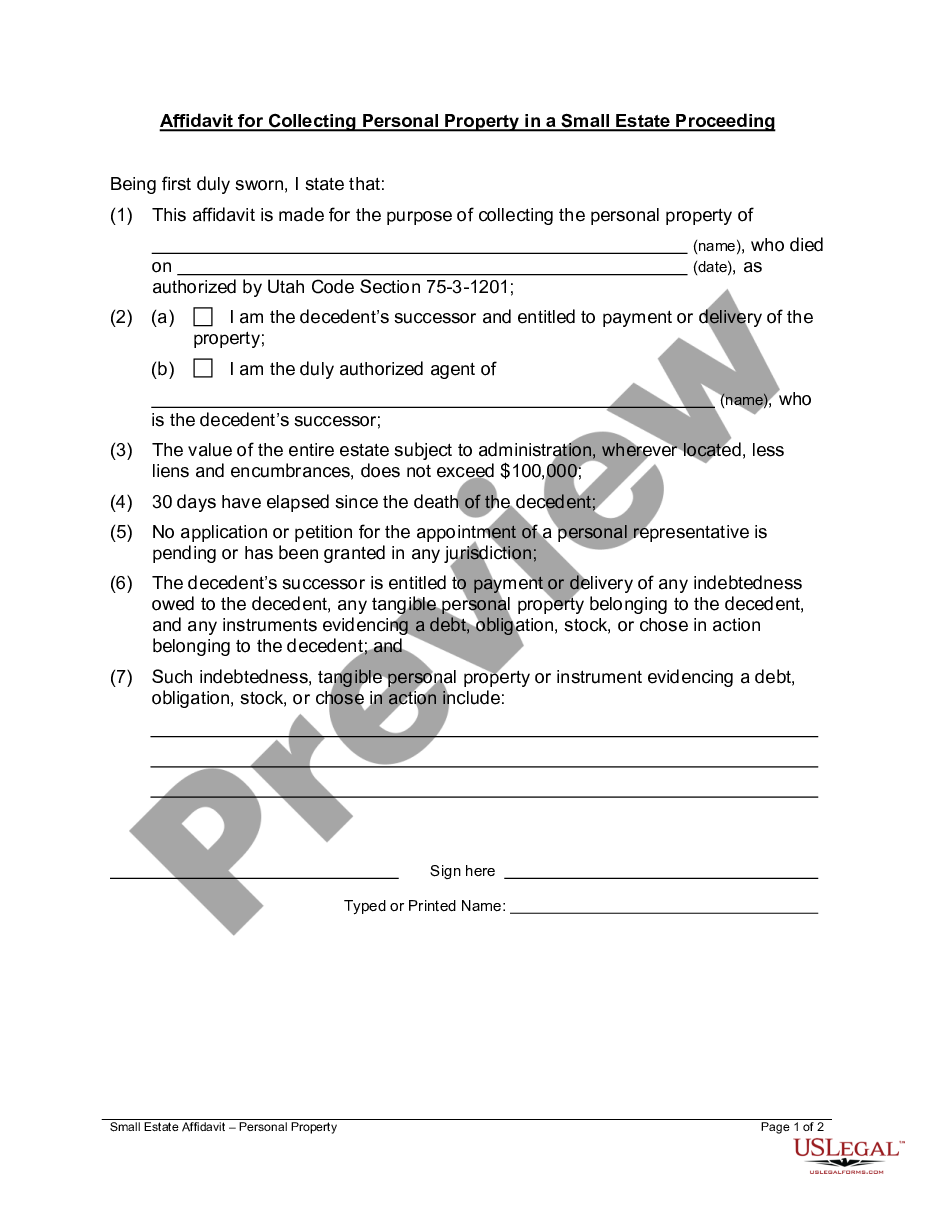





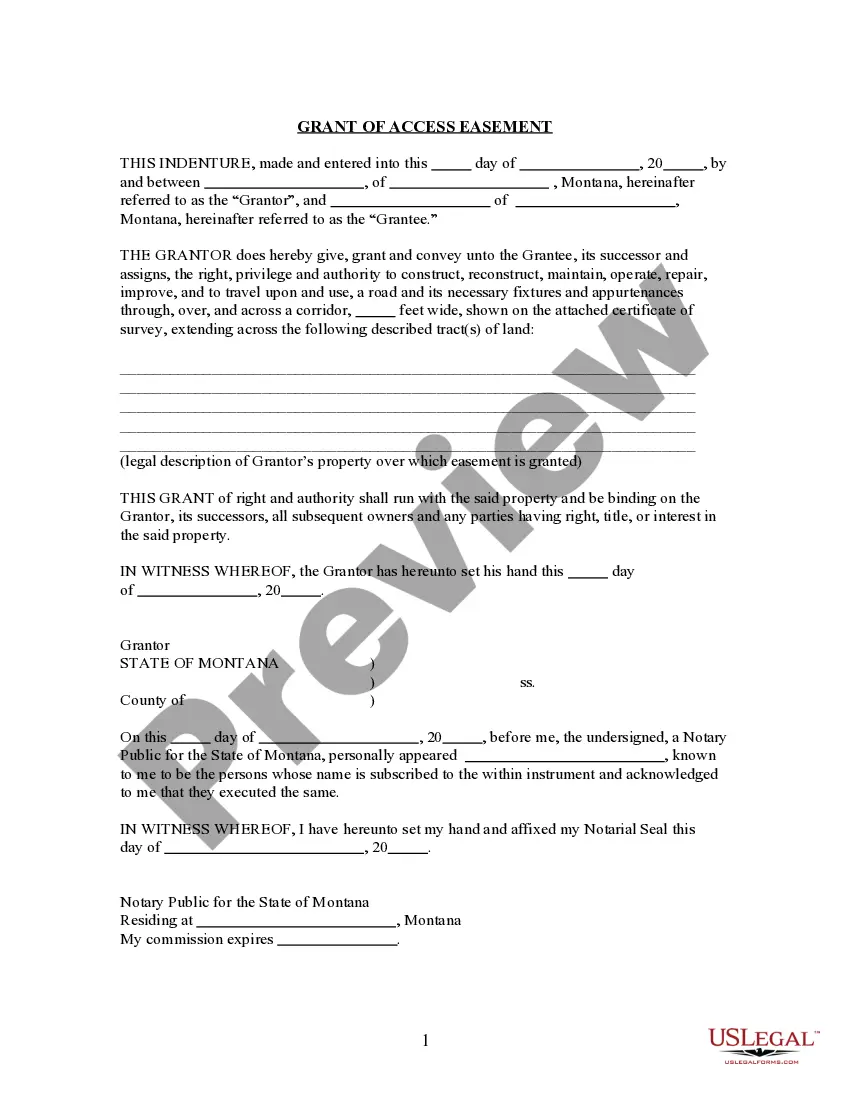
Form popularity
FAQ
The caregiving pressures exerted on a spouse are significant. ing to an analysis of 168 studies, while the caregiving spouse will protect their mate, they report more symptoms of depression, lower levels of psychological well-being, and more significant physical and financial burdens.
Such caregivers should avoid any role in the client's financial or legal matters unless specifically directed to do so. Activities that are prohibited include: The custody of the client's bank accounts or investments. And you are literally signing the legal paperwork for this person.
Certified caregiver training in the state of Illinois was mandated by state law in 2008. Then shortly after this, an additional mandate for Alzheimer's disease caregiver training was added. Illinois caregivers are required to annually renew training for both basic caregiving skills and dementia caregiving skills.
Caregiving can deeply affect a marriage. It can bring you closer as a team, but it often adds stress, exhaustion, and even resentment as the caregiver role takes over the partnership. Open communication, setting boundaries, and asking for help can ease the strain.
In conclusion, there are 4 types of caregivers: family caregivers, professional caregivers, volunteer caregivers, and informal caregivers. Each caregiver faces unique challenges, including physical and emotional exhaustion, financial strain, and balancing personal and caregiving responsibilities.
How to become a caregiver Evaluate whether being a caregiver suits you. Determine whether offering care to vulnerable people is right for you. Obtain education and training. Seek a part-time role or apprenticeship. Gain experience. Develop care skills. Find a caregiver role.
CHICAGO - Workers in Illinois who provide personal care to family members are protected from employment discrimination based on family responsibilities as of January 1, 2025. Illinois is now one of fewer than 10 states to provide employment protections for family caregivers.
In Illinois, caregivers need to pass background checks and complete the required training. Non-medical caregivers must complete 8 hours of training covering topics like infection control and basic caregiving skills. For medical services, ensure your staff has the proper certifications.
Prospective home health aides in Illinois must complete state-required training, involving 120 hours of coursework and 40 hours of clinical practice, and meet educational prerequisites such as having a high school diploma or GED.
