Care Caregiver Form Application For Disability In Harris
Description

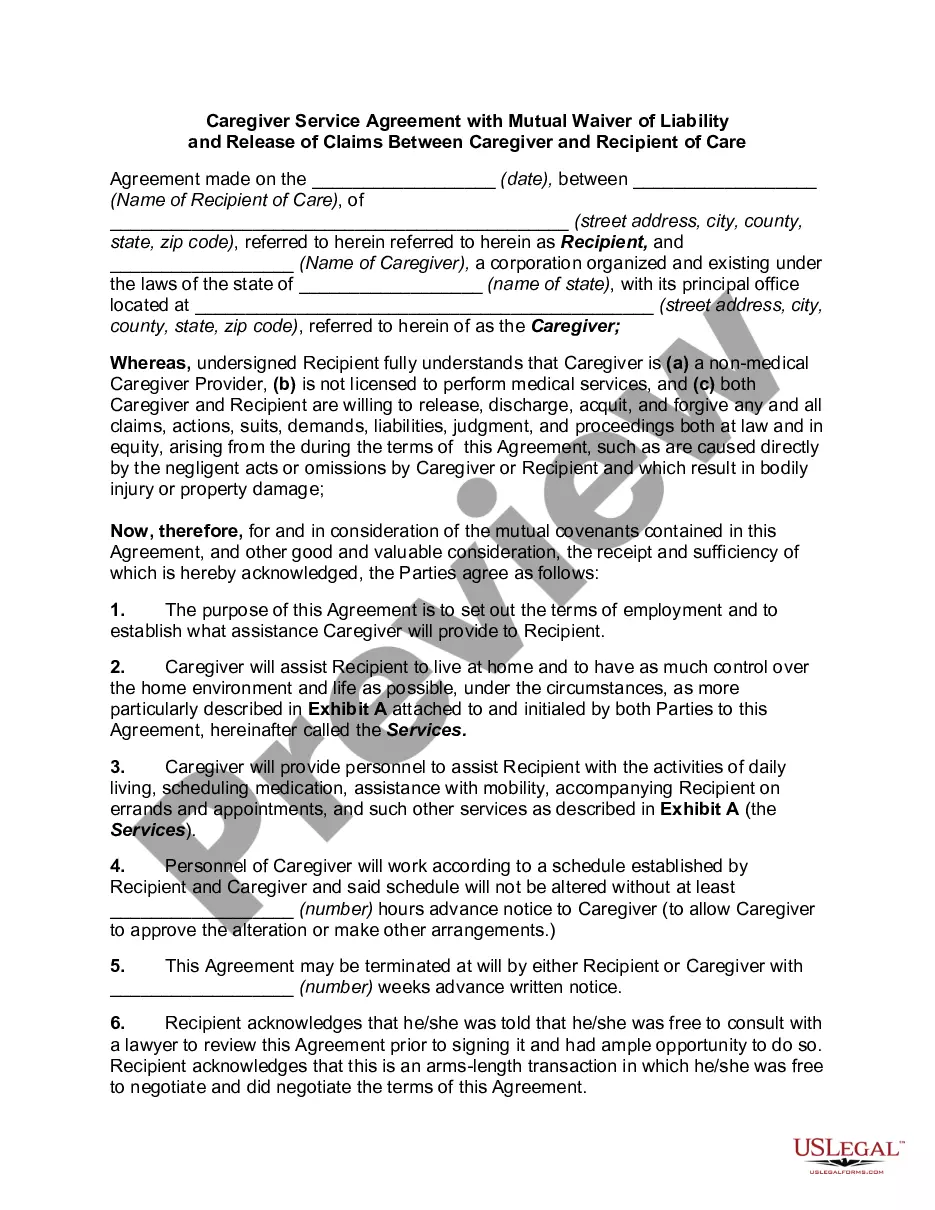
Get your form ready online
Our built-in tools help you complete, sign, share, and store your documents in one place.
Make edits, fill in missing information, and update formatting in US Legal Forms—just like you would in MS Word.
Download a copy, print it, send it by email, or mail it via USPS—whatever works best for your next step.
Sign and collect signatures with our SignNow integration. Send to multiple recipients, set reminders, and more. Go Premium to unlock E-Sign.
If this form requires notarization, complete it online through a secure video call—no need to meet a notary in person or wait for an appointment.
We protect your documents and personal data by following strict security and privacy standards.

Make edits, fill in missing information, and update formatting in US Legal Forms—just like you would in MS Word.

Download a copy, print it, send it by email, or mail it via USPS—whatever works best for your next step.

Sign and collect signatures with our SignNow integration. Send to multiple recipients, set reminders, and more. Go Premium to unlock E-Sign.

If this form requires notarization, complete it online through a secure video call—no need to meet a notary in person or wait for an appointment.

We protect your documents and personal data by following strict security and privacy standards.
Looking for another form?









Form popularity
FAQ
Therefore, SSDI auxiliary benefits apply to spouses. However, there is a limit to how much your family members can receive in auxiliary benefits if you yourself receive SSDI each month. Your spouse can receive up to 50% of your disability benefit amount in auxiliary benefits.
What conditions qualify for disability in Texas? Any condition that will prevent you from working for a year or more can qualify for disability benefits. Some of the most common conditions include musculoskeletal disorders, mental disorders, nervous system diseases, and circulatory system diseases.
Do Any Conditions Automatically Qualify for Social Security Disability? Musculoskeletal Disorders, such as arthritis, fibromyalgia, and back pain. Special Senses and Speech, such as blindness and hearing loss. Respiratory Disorders, such as cystic fibrosis and respiratory failure.
Your condition must significantly limit your ability to do basic work-related activities, such as lifting, standing, walking, sitting, or remembering – for at least 12 consecutive months. If it does not, we will find that you do not have a qualifying disability.
The law says someone is disabled if both of these apply: they have a 'physical or mental impairment' the impairment 'has a substantial and long-term adverse effect on their ability to carry out normal day-to-day activities'
What Is the Most Approved Disability? Arthritis and other musculoskeletal system disabilities make up the most commonly approved conditions for social security disability benefits. This is because arthritis is so common. In the United States, over 58 million people suffer from arthritis.
A Caregiver Assessment is a systematic process of gathering information that describes a caregiving situation and identifies the particular problems, needs, resources and strengths of the family caregiver.
To file a disability claim, visit .socialsecurity or call 800-772-1213 to make an appointment to file a claim at your local Social Security office or to set up an appointment for someone to take your claim over the phone.
In conclusion, there are 4 types of caregivers: family caregivers, professional caregivers, volunteer caregivers, and informal caregivers. Each caregiver faces unique challenges, including physical and emotional exhaustion, financial strain, and balancing personal and caregiving responsibilities.
What Am I Not Allowed To Do As Caregiver? One of the most critical limitations for caregivers is completing medical tasks that can only be performed by a licensed professional, such as: Giving out medications, including injections or IV treatments, without certification or direction from a healthcare professional.