Application Form For Caregiver In Georgia
Description

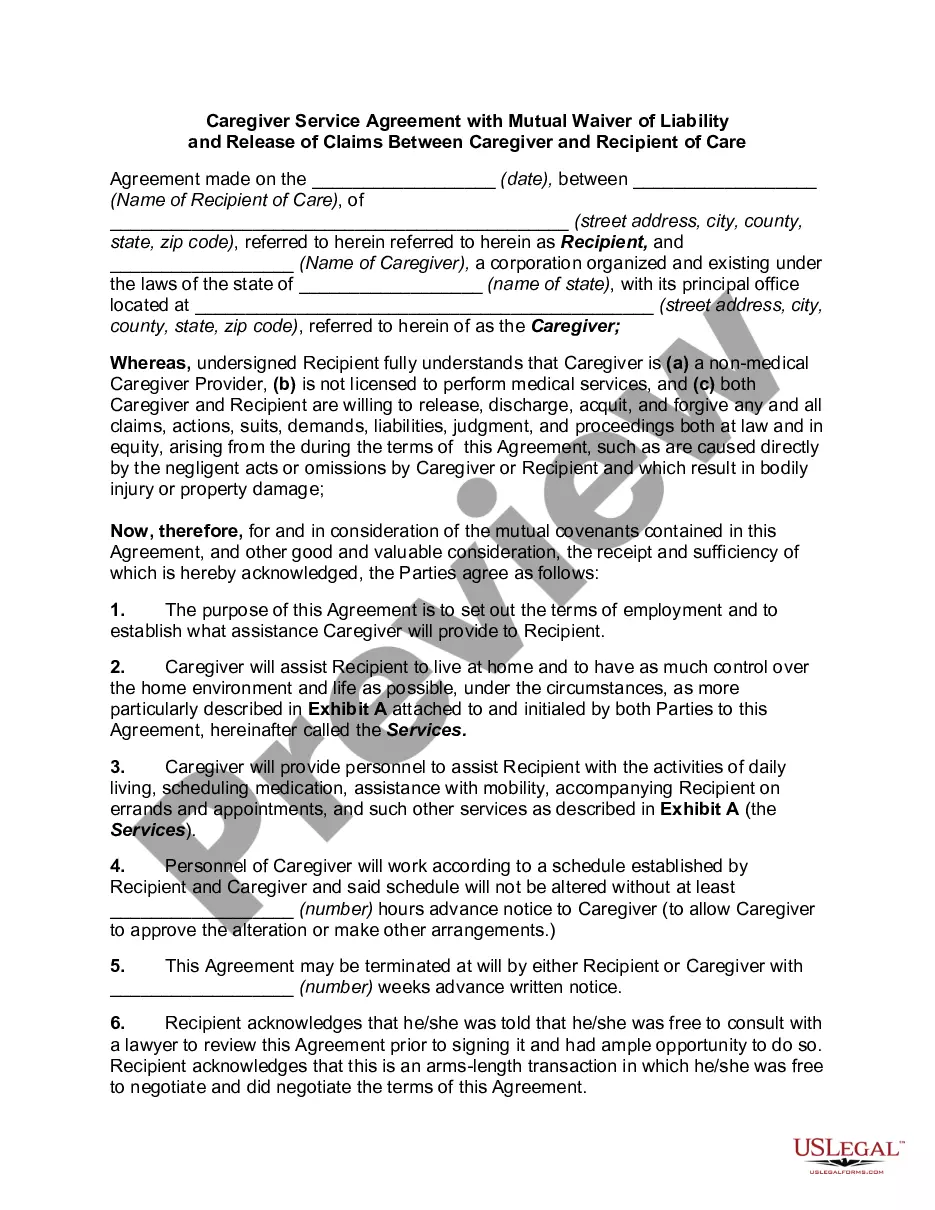
Get your form ready online
Our built-in tools help you complete, sign, share, and store your documents in one place.
Make edits, fill in missing information, and update formatting in US Legal Forms—just like you would in MS Word.
Download a copy, print it, send it by email, or mail it via USPS—whatever works best for your next step.
Sign and collect signatures with our SignNow integration. Send to multiple recipients, set reminders, and more. Go Premium to unlock E-Sign.
If this form requires notarization, complete it online through a secure video call—no need to meet a notary in person or wait for an appointment.
We protect your documents and personal data by following strict security and privacy standards.

Make edits, fill in missing information, and update formatting in US Legal Forms—just like you would in MS Word.

Download a copy, print it, send it by email, or mail it via USPS—whatever works best for your next step.

Sign and collect signatures with our SignNow integration. Send to multiple recipients, set reminders, and more. Go Premium to unlock E-Sign.

If this form requires notarization, complete it online through a secure video call—no need to meet a notary in person or wait for an appointment.

We protect your documents and personal data by following strict security and privacy standards.
Looking for another form?





Form popularity
FAQ
In Georgia, caregivers must complete a state-approved training program. These programs often cover topics like emergency procedures, infection control, personal care techniques, safety, and communication skills. You can find these programs at community colleges, vocational schools, and some healthcare facilities.
Steps to Apply for Structured Family Caregiving in Georgia Step 1: Determine your eligibility. Step 2: Contact your regional DBHDD office. Step 3: Complete a comprehensive assessment. Step 4: Develop an Individual Service Plan (ISP) ... Step 5: Identify a qualified caregiver. Step 6: Complete caregiver training.
Importance of Background Checks These checks can help identify any past criminal activity that might indicate the caregiver is unsuitable for the role. For example, any past instances of elder abuse or financial fraud would likely disqualify an individual from becoming a family caregiver.
In Georgia, caregivers must complete a state-approved training program. These programs often cover topics like emergency procedures, infection control, personal care techniques, safety, and communication skills. You can find these programs at community colleges, vocational schools, and some healthcare facilities.
Feeling Like Your Life Revolves Around Care You deserve to have joy and life outside of care too. If you feel as though you're losing touch with yourself and who you are, giving up hobbies and relationships that matter to you, or dreading the start of each day, it may be time to stop caregiving.
If you have a conviction for a violent or sexual misdemeanor against a child or a felony conviction for , child abuse or neglect, a crime against a child, spousal abuse, or sexual assault, kidnapping, arson, assault or battery, you will be permanently disqualified from working in a childcare setting.
