Caregiver Form Printable For Ages 1.5-5 Scoring In Fulton
Description



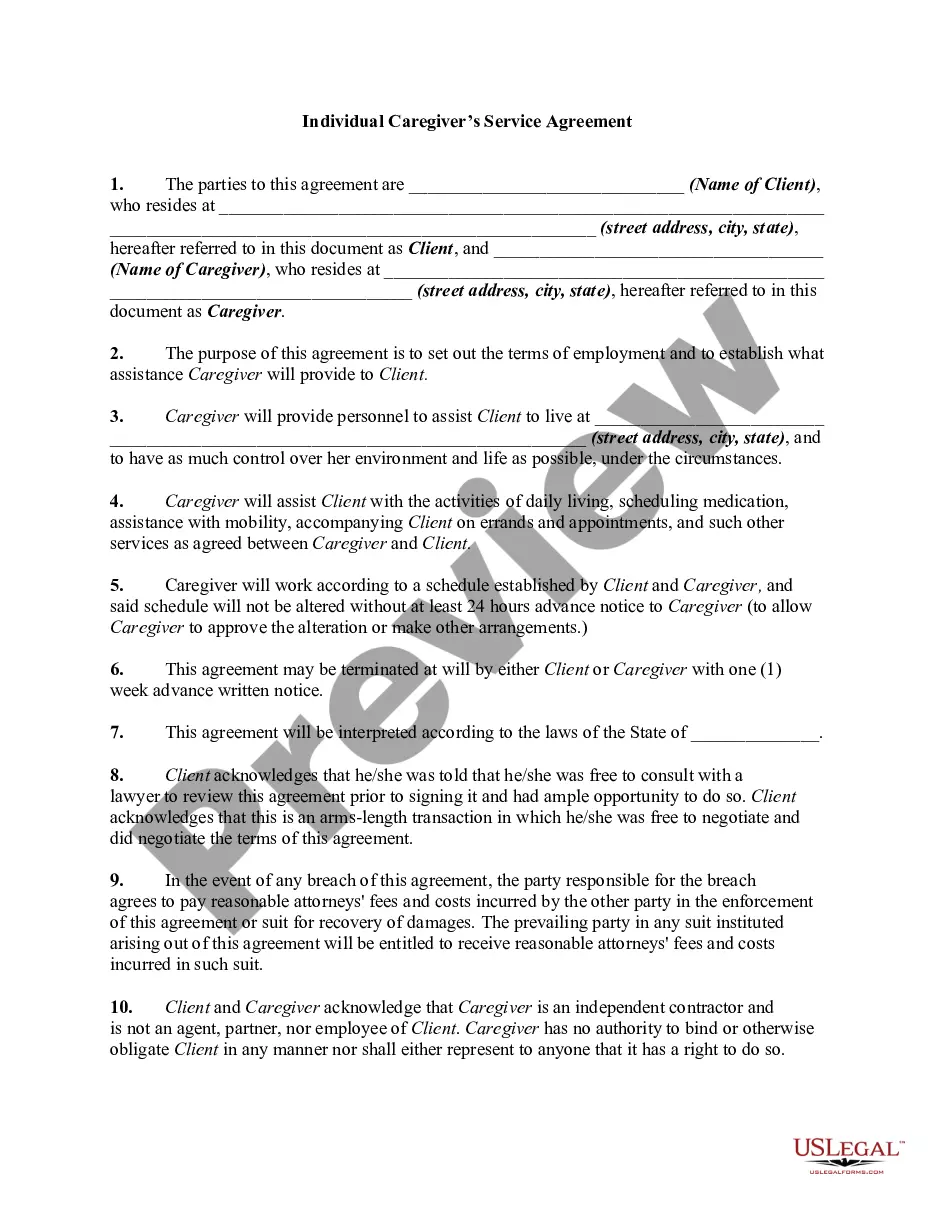
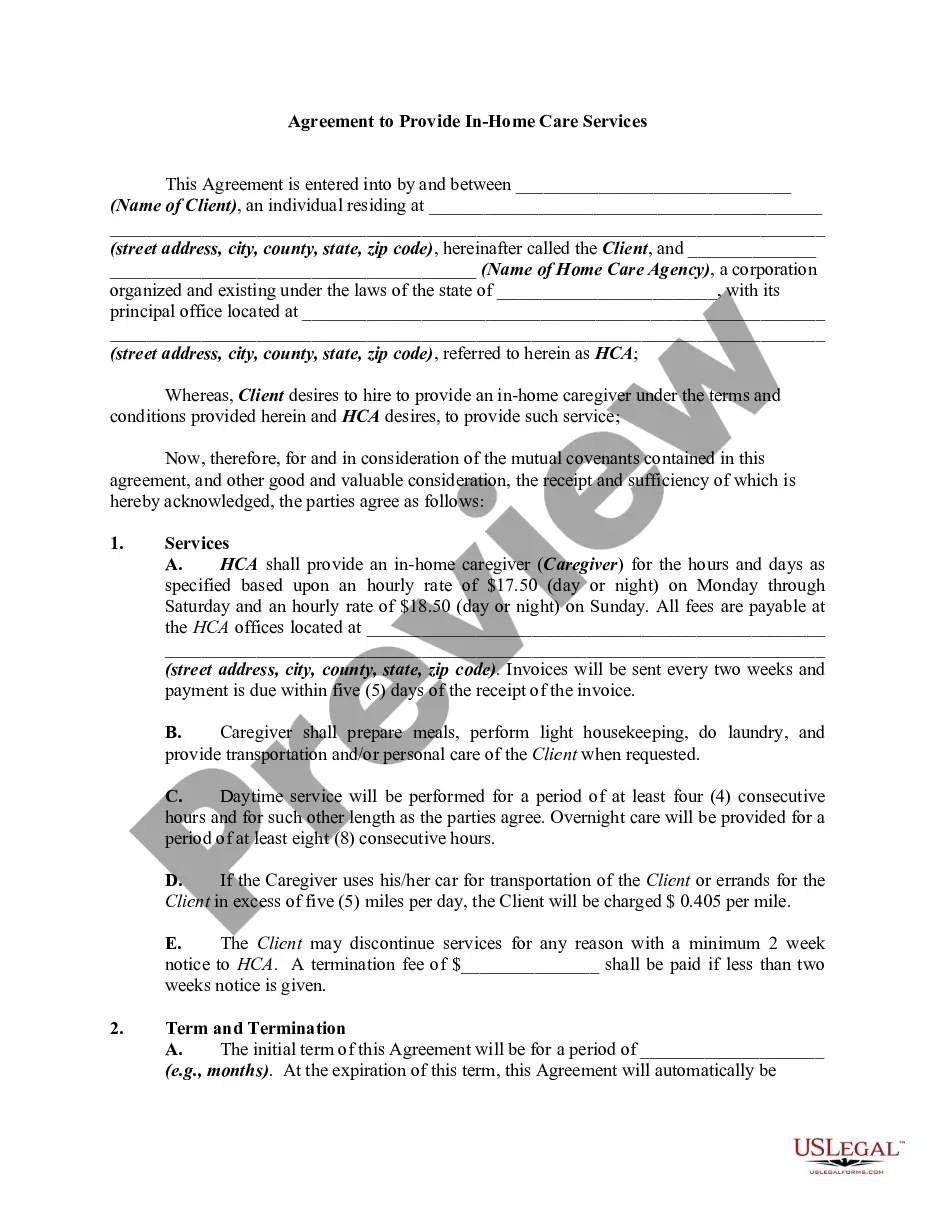

Get your form ready online
Our built-in tools help you complete, sign, share, and store your documents in one place.
Make edits, fill in missing information, and update formatting in US Legal Forms—just like you would in MS Word.
Download a copy, print it, send it by email, or mail it via USPS—whatever works best for your next step.
Sign and collect signatures with our SignNow integration. Send to multiple recipients, set reminders, and more. Go Premium to unlock E-Sign.
If this form requires notarization, complete it online through a secure video call—no need to meet a notary in person or wait for an appointment.
We protect your documents and personal data by following strict security and privacy standards.

Make edits, fill in missing information, and update formatting in US Legal Forms—just like you would in MS Word.

Download a copy, print it, send it by email, or mail it via USPS—whatever works best for your next step.

Sign and collect signatures with our SignNow integration. Send to multiple recipients, set reminders, and more. Go Premium to unlock E-Sign.

If this form requires notarization, complete it online through a secure video call—no need to meet a notary in person or wait for an appointment.

We protect your documents and personal data by following strict security and privacy standards.
Looking for another form?









Form popularity
FAQ
Initially, lead poisoning can be hard to detect — even people who seem healthy can have high blood levels of lead. Signs and symptoms usually don't appear until dangerous amounts have accumulated.
Lead poisoning is very common. 1 in 40 children ages 1-5 years old have blood lead levels that are considered unsafe (over 5 µg/dL).
Lead exposure remains highly prevalent worldwide despite decades of research highlighting its link to numerous adverse health outcomes. In addition to well-documented effects on cognition, there is growing evidence of an association with antisocial behavior, including aggression, conduct problems, and crime.
A simple blood test can detect lead poisoning. A small blood sample is taken from a finger or from a vein. Lead levels in the blood are measured in micrograms per deciliter (mcg/dL). There is no safe blood level of lead.
Lead poisoning usually is detected by measuring the level in blood. Many screening procedures use capillary blood as point-of-care testing.
