Caregiver Consent Form For Emergency Treatment In Fulton
Description

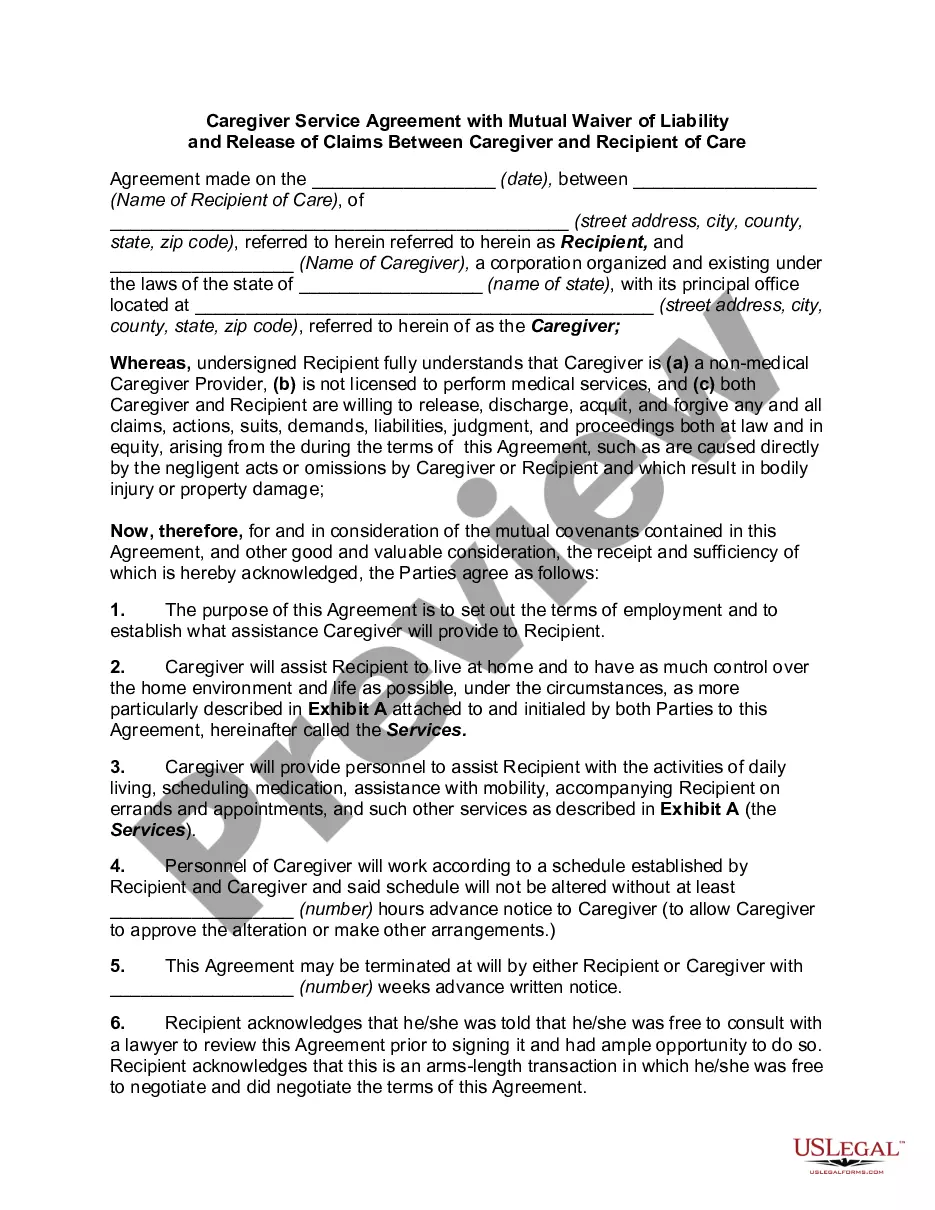
Get your form ready online
Our built-in tools help you complete, sign, share, and store your documents in one place.
Make edits, fill in missing information, and update formatting in US Legal Forms—just like you would in MS Word.
Download a copy, print it, send it by email, or mail it via USPS—whatever works best for your next step.
Sign and collect signatures with our SignNow integration. Send to multiple recipients, set reminders, and more. Go Premium to unlock E-Sign.
If this form requires notarization, complete it online through a secure video call—no need to meet a notary in person or wait for an appointment.
We protect your documents and personal data by following strict security and privacy standards.

Make edits, fill in missing information, and update formatting in US Legal Forms—just like you would in MS Word.

Download a copy, print it, send it by email, or mail it via USPS—whatever works best for your next step.

Sign and collect signatures with our SignNow integration. Send to multiple recipients, set reminders, and more. Go Premium to unlock E-Sign.

If this form requires notarization, complete it online through a secure video call—no need to meet a notary in person or wait for an appointment.

We protect your documents and personal data by following strict security and privacy standards.
Looking for another form?





Form popularity
FAQ
The Short Form Consent Process allows the team to verbally translate the IRB-approved Informed Consent Document into the language the subject understands. The Short Form Consent Process may be used to enroll a limited number of subjects into a study.
A document with important information about a medical procedure or treatment, a clinical trial, or genetic testing. It also includes information on possible risks and benefits. If a person chooses to take part in the treatment, procedure, trial, or testing, he or she signs the form to give official consent.
The consent form is intended, in part, to provide information for the potential subject's current and future reference and to document the interaction between the subject and the investigator. However, even if a signed consent form is required, it alone does not constitute an adequate consent process.
Consent is agreement or permission expressed through affirmative, voluntary words or actions that are mutually understandable to all parties involved, to engage in a specific sexual act at a specific time: Consent can be withdrawn at any time, as long as it is clearly communicated.
Consent letter means a formal letter which is written in order to obtain permission from a person or a group of persons. The intention behind writing of consent letter is to take permission from the respondent party so that appropriate action can be taken and the purpose of consent can be secured.
Why do I have to sign a consent form? The main purpose of the informed consent process is to protect the patient. A consent form is a legal document that ensures an ongoing communication process between you and your health care provider.
This process ensures that the patient is fully informed about the nature of the procedure or intervention, the potential risks and benefits, and the alternative treatments available. The patient can refuse or withdraw consent at any time during treatment.
The consent form is intended, in part, to provide information for the potential subject's current and future reference and to document the interaction between the subject and the investigator. However, even if a signed consent form is required, it alone does not constitute an adequate consent process.
How to fill out how to fill consent? Begin by identifying the parties involved in the consent form. Describe the purpose of the consent. Specify any limitations or restrictions associated with the consent. Make sure to clearly state who is giving consent and their capacity to do so.
