Caregiver Form Printable For Elderly In Florida
Description

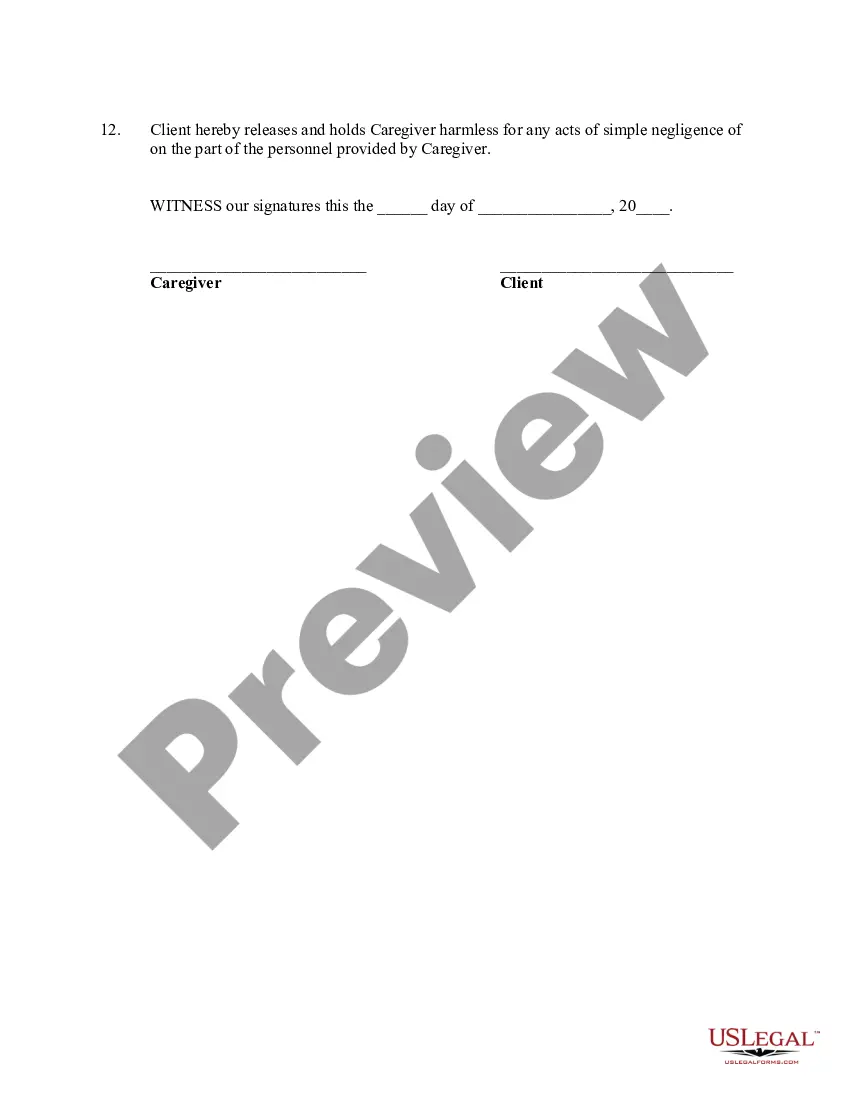

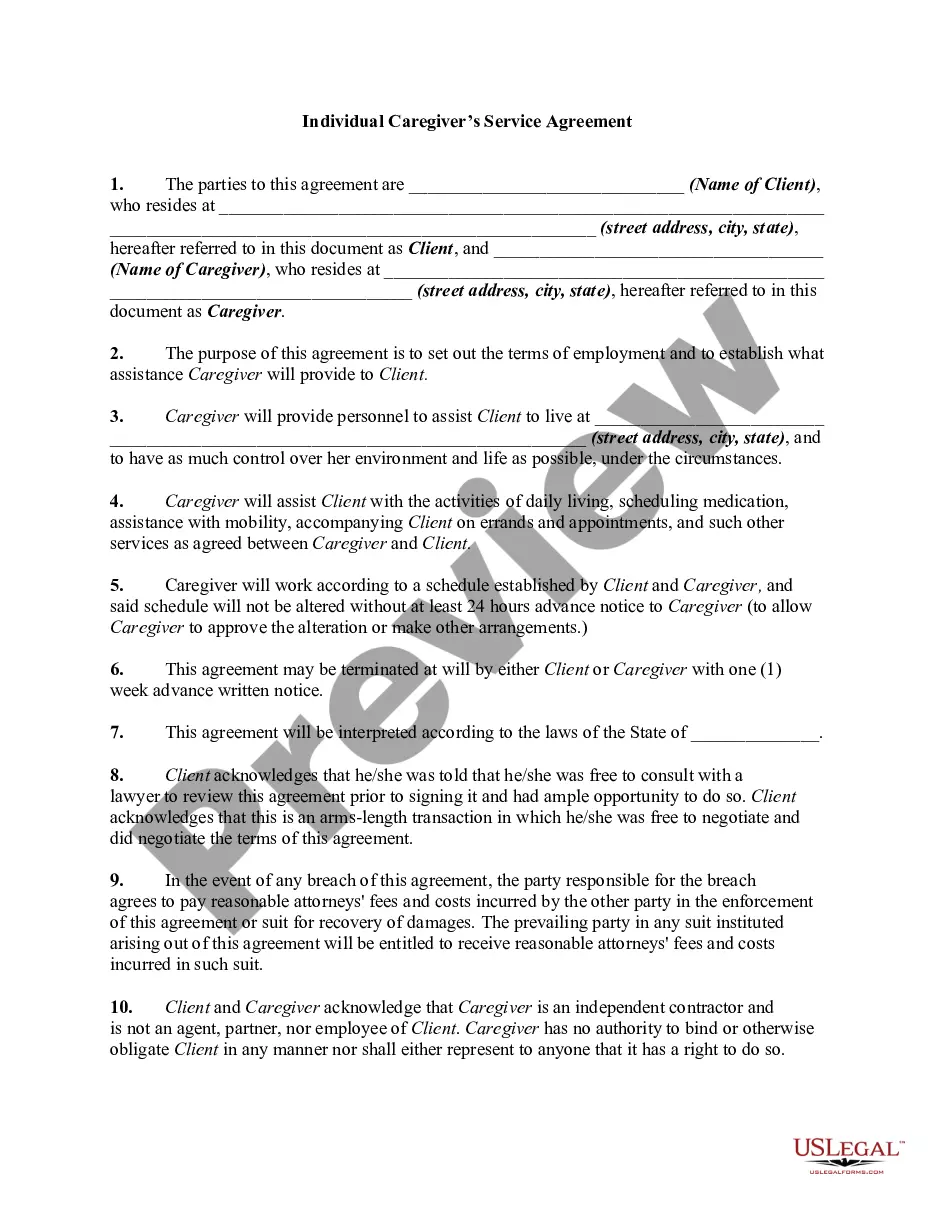
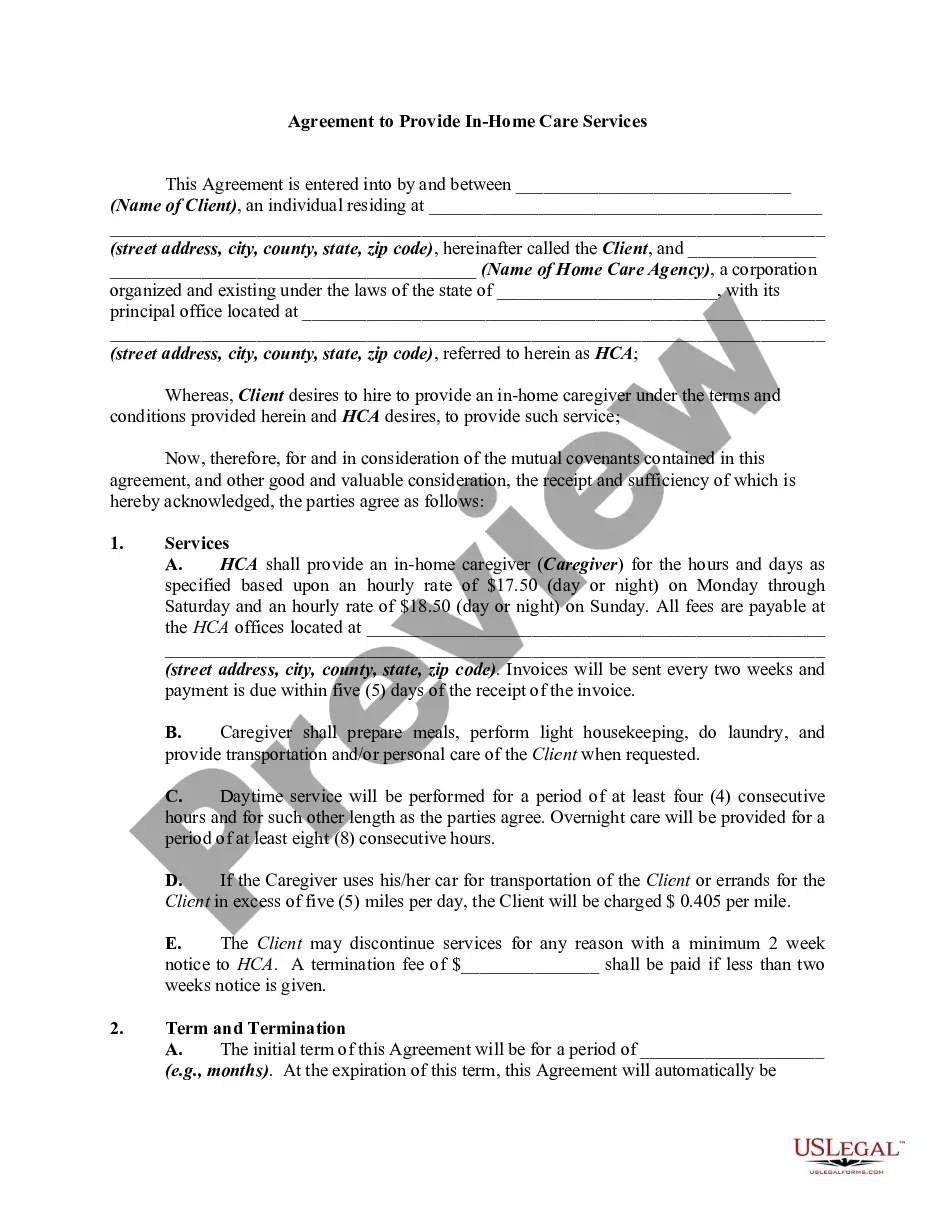
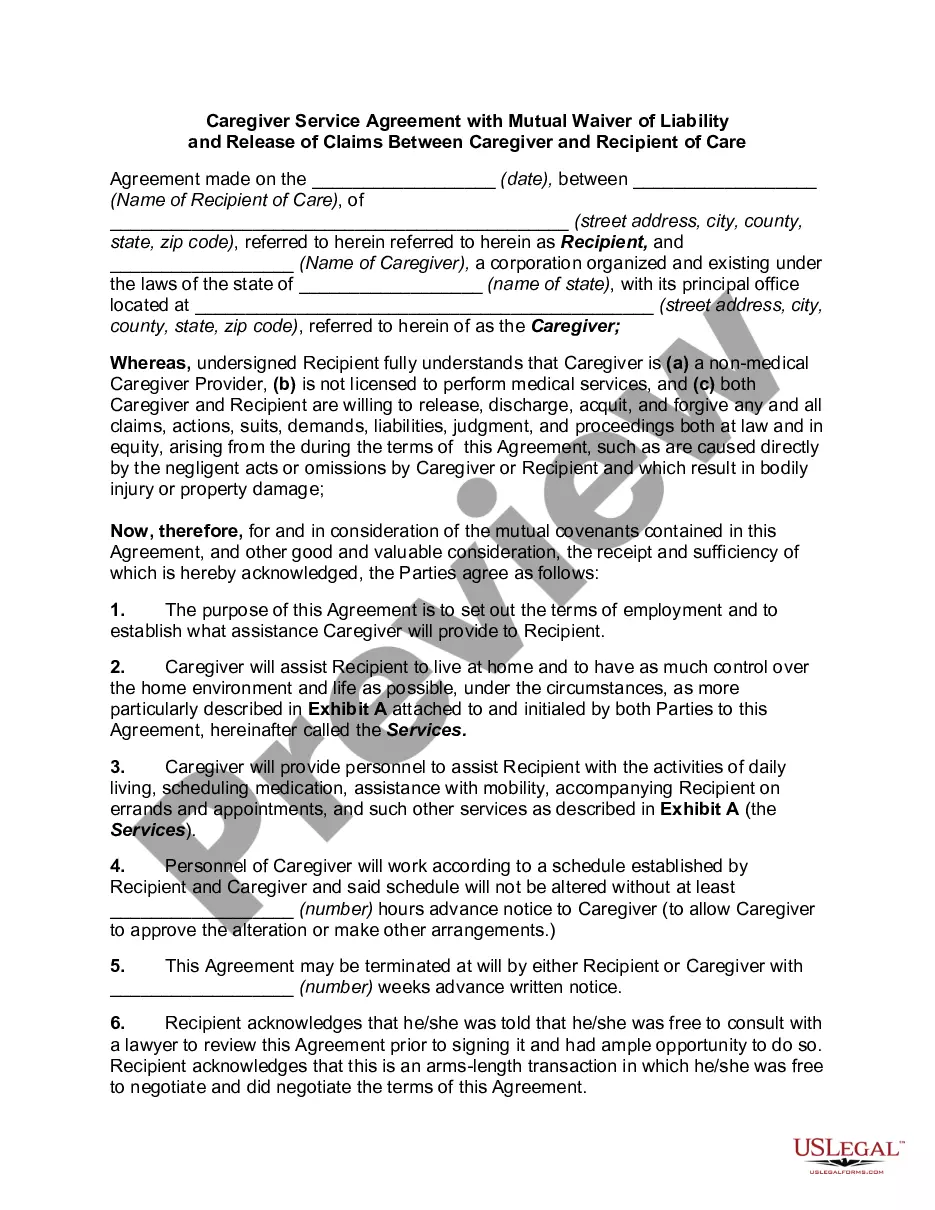
Get your form ready online
Our built-in tools help you complete, sign, share, and store your documents in one place.
Make edits, fill in missing information, and update formatting in US Legal Forms—just like you would in MS Word.
Download a copy, print it, send it by email, or mail it via USPS—whatever works best for your next step.
Sign and collect signatures with our SignNow integration. Send to multiple recipients, set reminders, and more. Go Premium to unlock E-Sign.
If this form requires notarization, complete it online through a secure video call—no need to meet a notary in person or wait for an appointment.
We protect your documents and personal data by following strict security and privacy standards.

Make edits, fill in missing information, and update formatting in US Legal Forms—just like you would in MS Word.

Download a copy, print it, send it by email, or mail it via USPS—whatever works best for your next step.

Sign and collect signatures with our SignNow integration. Send to multiple recipients, set reminders, and more. Go Premium to unlock E-Sign.

If this form requires notarization, complete it online through a secure video call—no need to meet a notary in person or wait for an appointment.

We protect your documents and personal data by following strict security and privacy standards.
Looking for another form?








Form popularity
FAQ
What to Include in a Checklist for Caregivers Name of caregiver on duty. Date the checklist is being used. Name of patients. Patient's morning, afternoon, and evening routines, such as: Taking medication and vital signs. Eating food and drinking water. Housekeeping tasks to do. Changes in patient's condition, if any.
To ensure the safety of vulnerable individuals, caregivers in Florida are required to undergo a thorough background check. This includes fingerprinting and a review of criminal records, as well as a check for any history of abuse or neglect.
Paper-Based Florida Caregiver Requirements You must be 18 or older. A high school diploma or its equivalent. Clear criminal background check. Clean DMV records and valid driver's license. Reliable car with valid insurance. Clear health check. Caregiver training/certification (optional)
The relative caregiver would do this by going onto the following website: .myflorida/accessflorida to apply and see if they qualify for these funds.
Paper-Based Florida Caregiver Requirements You must be 18 or older. A high school diploma or its equivalent. Clear criminal background check. Clean DMV records and valid driver's license. Reliable car with valid insurance. Clear health check. Caregiver training/certification (optional)
In conclusion, there are 4 types of caregivers: family caregivers, professional caregivers, volunteer caregivers, and informal caregivers. Each caregiver faces unique challenges, including physical and emotional exhaustion, financial strain, and balancing personal and caregiving responsibilities.
Paper-Based Florida Caregiver Requirements You must be 18 or older. A high school diploma or its equivalent. Clear criminal background check. Clean DMV records and valid driver's license. Reliable car with valid insurance. Clear health check. Caregiver training/certification (optional)
They must complete a 40-hour training course approved by the Florida Department of Elder Affairs and undergo fingerprinting and background checks. Certified Nursing Assistants (CNAs) can provide more extensive hands-on care. CNA certification requires completing a 120-hour training program and passing competency exams.
The AHCA 5000–3008 form is used by the Comprehensive Assessment and Review for Long-Term Care Services (CARES) Program to help determine medical eligibility for Medicaid Waiver programs. This form must be signed by a licensed physician, physician assistant, or advanced practice registered nurse.
